
1 min walk
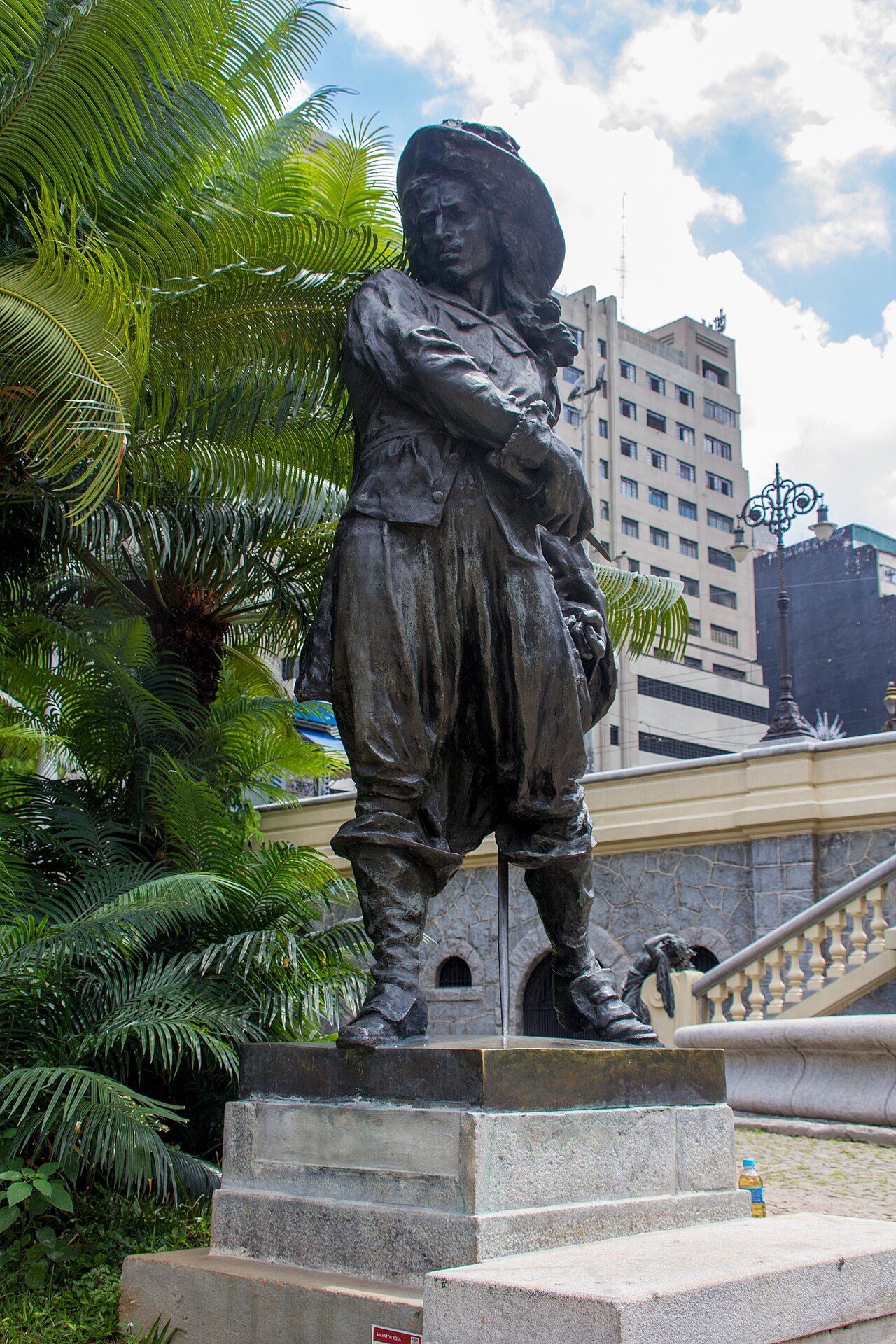
Salvador Rosa
- High · Heritage site
- Historic monument
Language · 11 published
Historic monument · São Paulo
Teatro Municipal de São Paulo
Reviewed by Elena Voss · SSMTour Travel Editor

Read from the OpenStreetMap access tags; anything not listed has no tag recorded.
Set the group type to family in the planner and the day window contracts to about three quarters of a solo day.
This place is a Attraction. It opened in 1911. It was built in the eclectic architecture style. It was designed by Ramos de Azevedo. It carries the heritage asset listed by IPHAN heritage designation.
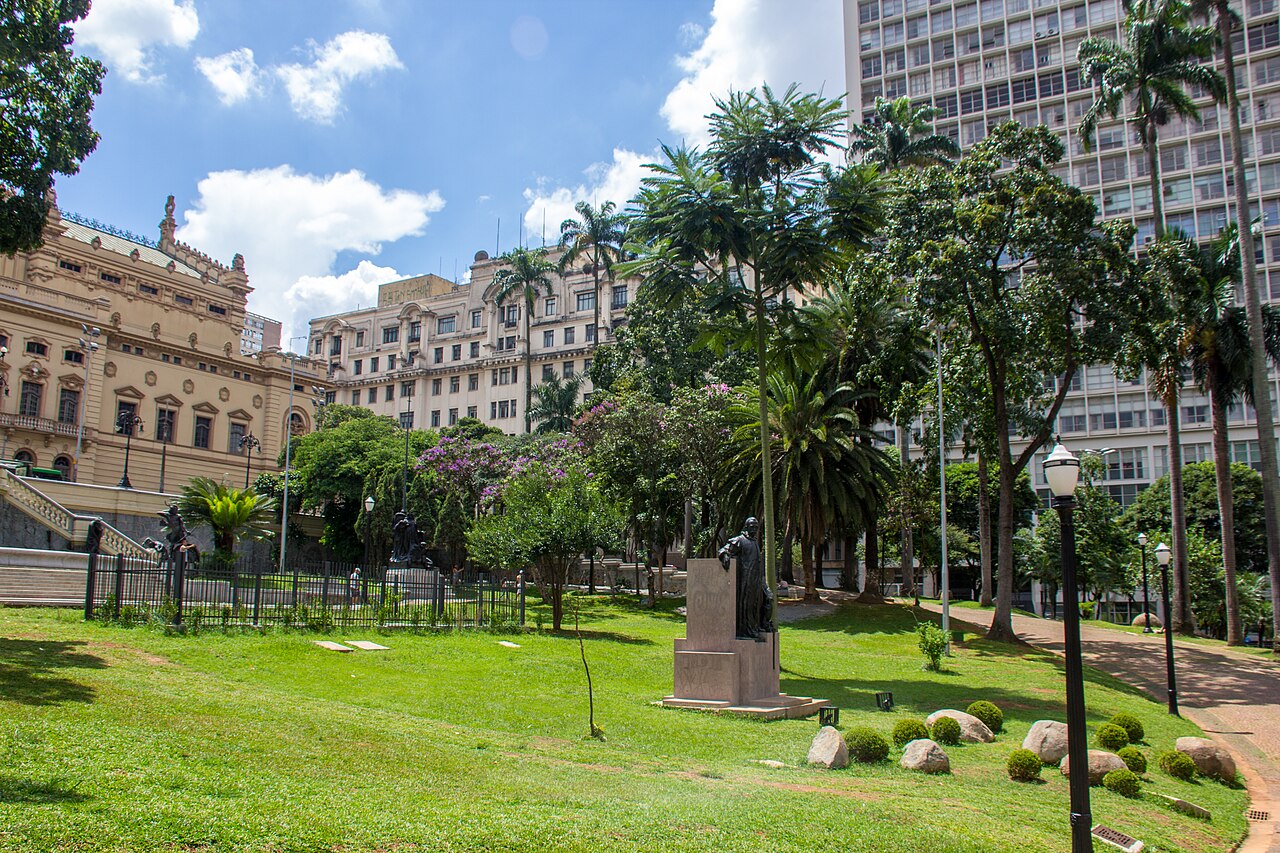
The Municipal Theatre of São Paulo is the historic centre's principal opera house and a defining Belle Époque landmark. Built during the city's rapid early twentieth-century growth, it represents Brazil's aspiration toward European cultural sophistication. The building occupies a prominent position in downtown São Paulo, with public coordinates resolving near -23. 5451, -46. 6388. No exact production POI exists for this guide. The theatre remains an active performance venue and architectural monument, symbolising a pivotal era in Brazilian urban development and cultural institution-building.
Checked 2026-08-31 · Source
The theatre contains ornate interiors characteristic of Belle Époque design, with elaborate decorative elements, gilded details, and classical architectural features. Performance spaces include the main auditorium with tiered seating and boxes. Public areas display historical and artistic elements reflecting the building's construction period. The building holds the City of São Paulo's Architectural Accessibility Seal. Accessible features include ramps, raised and inclined platforms, lifting platforms, adapted circulation routes and step-free access improvements. Accessible toilets and service counters are provided. Tactile directional and warning flooring is installed. The auditorium includes adapted seating, and the theatre provides designated wheelchair spaces.
Checked 2026-08-31 · Source
Visit duration varies substantially depending on purpose. Attending a performance requires several hours including intermissions. Independent visitors examining the building's exterior and public spaces may spend thirty minutes to one hour. Those with strong interest in architecture, decorative arts, or operatic history may wish to allocate additional time.
Checked 2026-08-31 · Source
Open-house access: Tuesday 10:00–16:00, with visitors permitted to remain until 17:00; Saturday 12:30–14:30, with visitors permitted to remain until 15:00. Portuguese educational visits: Tuesday at 10:00, 11:00 and 17:00; Wednesday–Friday at 11:00, 13:00, 15:00 and 17:00. No general visitor programme is offered on Monday or Sunday. Educational visits and open-house access do not operate on public holidays. Performance access follows the event programme rather than these visitor hours. The theatre hosts performances throughout the year, with scheduling varying by operatic and concert seasons. The building's exterior remains visible at all hours. São Paulo's climate features mild winters and warm, rainy summers; indoor venues provide climate-controlled environments. Visitors should check the official website at theatromunicipal. org. br for current performance calendars, tour availability, and any seasonal closures before finalising travel plans.
Checked 2026-08-31 · Source
Free admission for educational visits and the Theatro de Portas Abertas open-house programme. Performances are separately ticketed, with prices determined by the event. Performance tickets vary by seating category, production, and date, with pricing set by the theatre's administration. Tour admission, when offered, may involve separate fees or occasional free-entry policies. Visitors should consult the official website at theatromunicipal. org. br for current pricing, availability, and purchase methods. Advance booking is advisable for popular productions given the venue's cultural significance and limited seating capacity.
Checked 2026-08-31 · Source
The entrance is at Praça Ramos de Azevedo, s/n, central São Paulo. The operator identifies Anhangabaú and República metro stations as the nearby rail arrivals. Anhangabaú is on Line 3–Red at Rua Formosa, s/n and has adapted access and a lift. This is the named approach for an independent visit. The theatre sits in São Paulo's historic centre, accessible via the city's extensive public transportation network. Multiple metro stations serve the downtown area, with walking connections possible depending on origin. Bus routes traverse surrounding streets. Traffic congestion characterises central São Paulo throughout weekdays; public transport often proves more reliable than private vehicles. Visitors should consult current transit applications or municipal resources for route planning, as infrastructure and service patterns change periodically.
Checked 2026-08-31 · Source
The building holds the City of São Paulo's Architectural Accessibility Seal. Accessible features include ramps, raised and inclined platforms, lifting platforms, adapted circulation routes and step-free access improvements. Accessible toilets and service counters are provided. Tactile directional and warning flooring is installed. The auditorium includes adapted seating, and the theatre provides designated wheelchair spaces. The access description applies to the documented visitor route. The historic centre presents urban conditions requiring standard visitor awareness. Street activity increases during business hours and performance times. Interior spaces contain valuable historic materials requiring respectful behaviour. Photography policies vary by area and event type. Visitors should follow staff instructions regarding prohibited zones. Construction or renovation activity may affect access unpredictably. Personal belongings require standard vigilance in crowded central districts. Emergency procedures follow Brazilian venue regulations.
Checked 2026-08-31 · Source
Historic theatres typically restrict flash photography and recording equipment during performances to preserve atmosphere and copyright. Interior photography during tours may be permitted, limited, or prohibited depending on current management decisions. Tripods and professional equipment usually require advance authorisation. Exterior photography from public spaces faces fewer restrictions. Visitors should observe posted signage and staff guidance, as policies change and may differ between performance nights, tour times, and non-event days. Social media sharing of permitted images is generally acceptable.
Checked 2026-08-31 · Source
Portuguese educational visits use the operator's linked online reservation service. Tuesday open-house access requires no registration; places for Saturday activities are assigned onsite in arrival order and are limited.
Yes. English visits are offered Wednesday–Friday at 13:00 and Saturday at 11:00, only for foreign visitors. Registration is in person with identification and a passport.
Yes. Groups of 20–50 people can book through [email protected]. Group slots are Wednesday–Friday at 10:00 and 14:00 and Saturday at 10:00, excluding public holidays.
On Tuesday, unrestricted circulation is limited to the entrance hall. On Saturday, the entrance hall is open to everyone, while registered activities may include the Salão Nobre, foyer and terrace.
No. Auditorium access depends on the performance schedule and may be omitted when rehearsals or stage setup are taking place.
Minors cannot enter unaccompanied. Food, drinks, audio or video recording, staged photo sessions and entry into areas not authorised by the educator are prohibited. Bags must be placed in the entrance-hall cloakroom and cannot enter the auditorium.
Loading the interactive map…
The interactive map could not be loaded.

Last updated:
Source: OpenStreetMap contributors, Wikidata ·