
.jpg)
.jpg)

.jpg)
.jpg)
.jpg)
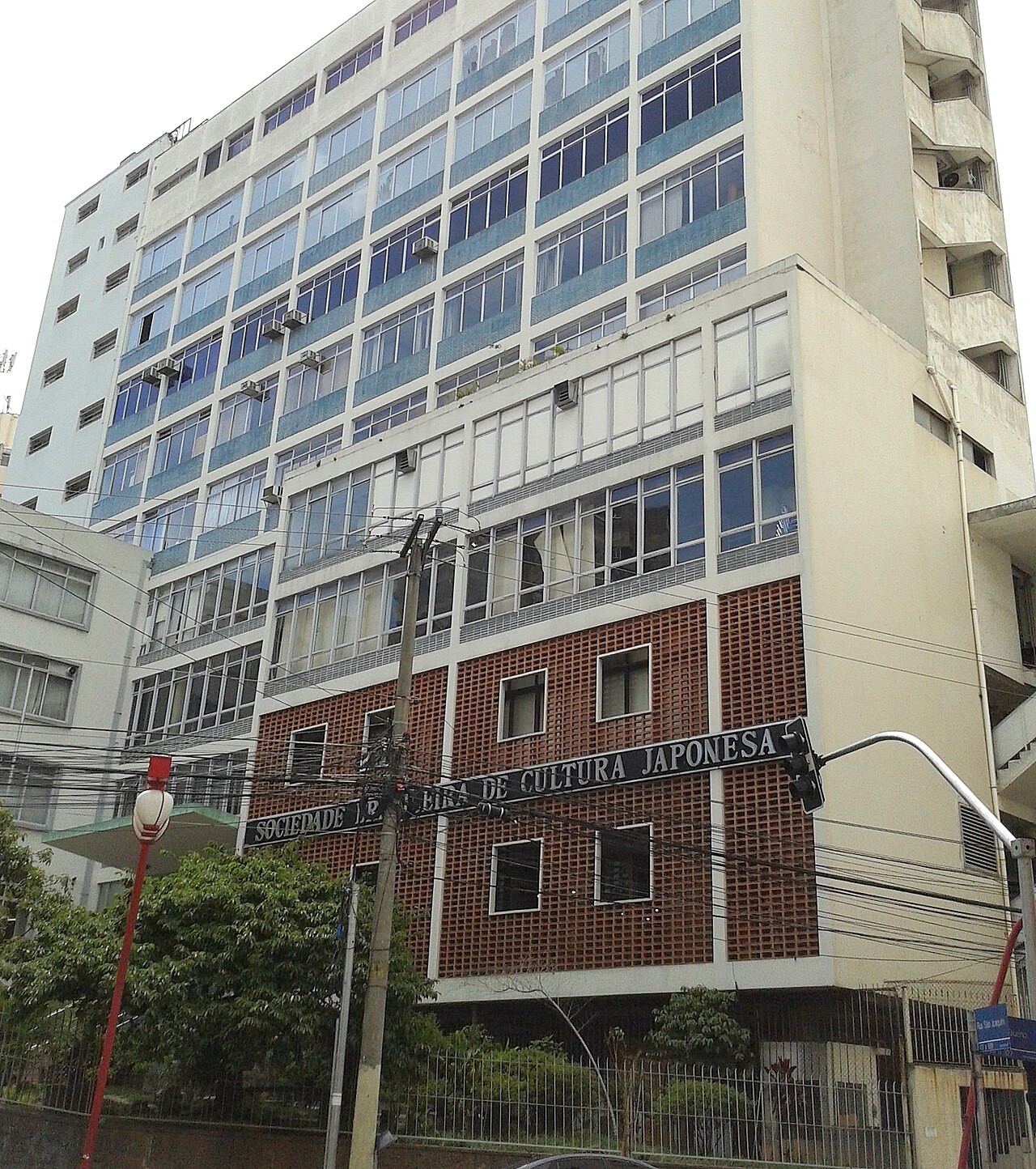
9 min walk
Museu Histórico da Imigração Japonesa no Brasil
- High
- Museum
Language · 11 published
Historic monument · São Paulo

| Monday | 00:00 – 23:59 |
|---|---|
| Tuesday | 00:00 – 23:59 |
| Wednesday | 00:00 – 23:59 |
| Thursday | 00:00 – 23:59 |
| Friday | 00:00 – 23:59 |
| Saturday | 00:00 – 23:59 |
| Sunday | 00:00 – 23:59 |
Checked 2026-08-31 · Source
Read from the OpenStreetMap access tags; anything not listed has no tag recorded.
Set the group type to family in the planner and the day window contracts to about three quarters of a solo day.
Liberdade is São Paulo's historically Japanese-Brazilian district, the largest such community outside Japan. The area developed through twentieth-century immigration and retains distinct cultural markers in its streetscape, commerce, and public spaces. The district functions as a living neighborhood rather than a contained tourist site, with Japanese-Brazilian identity expressed through signage, architectural details, food retail, and community institutions. Visitors encounter a genuine urban district where residential and commercial life continues alongside its recognized cultural significance.
Checked 2026-08-31 · Source
The district contains streets with Japanese-language signage, specialty food markets, restaurants, and shops selling imported goods and local Japanese-Brazilian products. Public spaces include pedestrian areas with decorative elements referencing Japanese design traditions. The neighborhood hosts regular street markets with food stalls and merchandise. Buddhist temples and community organizations serve the resident population. The concentration of Japanese-Brazilian commercial and cultural institutions creates a distinctive atmosphere different from surrounding São Paulo neighborhoods, though exact inventory of businesses changes with commercial turnover.
Checked 2026-08-31 · Source

Visitors typically spend two to four hours exploring Liberdade, depending on interest in market browsing, dining, and street-level observation. A brief walking circuit of principal streets requires approximately ninety minutes. Those intending to eat at district restaurants or examine specialty shops in detail should allow additional time. The district rewards unhurried exploration rather than checklist tourism.
Checked 2026-08-31 · Source

Public district; no district-wide opening time or weekly closure day applies. Individual museums, temples, shops and restaurants keep separate hours. On Sundays and public holidays, designated streets become pedestrian-and-cycle-only from 09:00 to 16:00. The district as a whole is accessible as a public street network at all times, though individual shops and restaurants operate according to their own schedules. Weekend street markets are a known feature but exact days, times, and frequency are not confirmed in the supplied sources.
Checked 2026-08-31 · Source
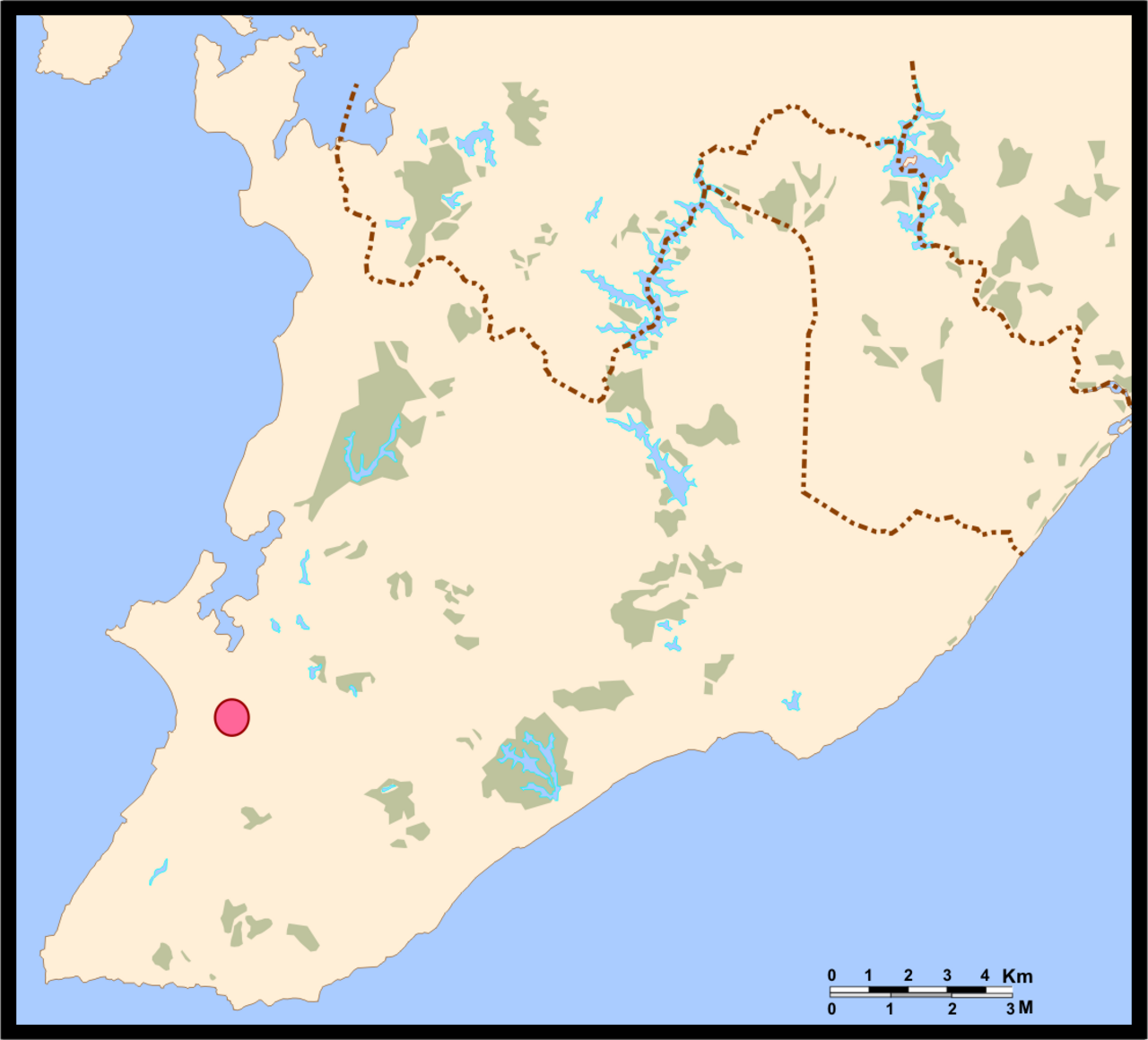
Free. São Paulo’s municipal tourism authority explicitly identifies Bairro da Liberdade as an attraction with free admission. Individual venues and purchases may carry separate charges. The district itself requires no entry fee as it comprises public streets and sidewalks. Individual restaurants, shops, and any privately operated attractions set their own pricing. Street markets involve direct vendor transactions. Visitors should carry Brazilian reais for cash transactions, though individual merchant payment policies vary.
Checked 2026-08-31 · Source
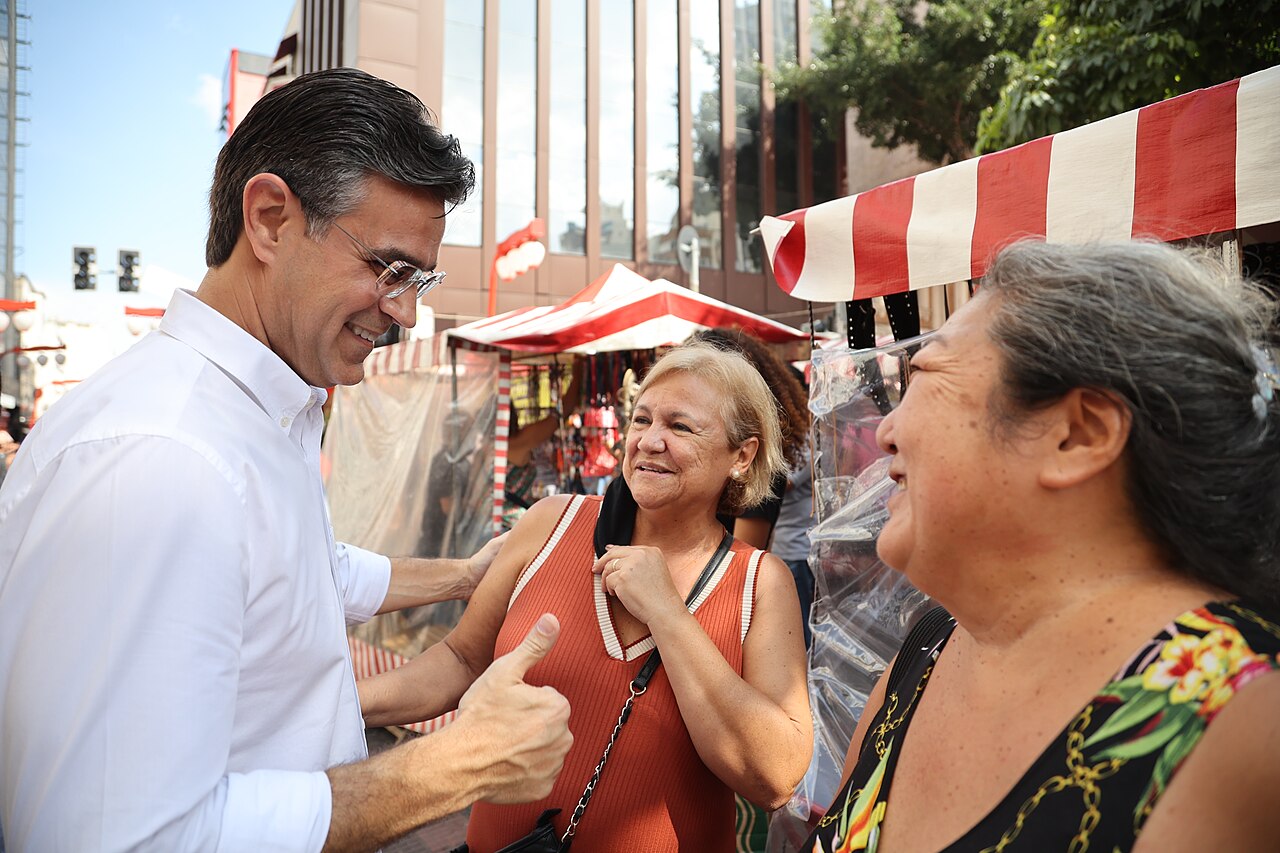
Use Japão-Liberdade station on Metrô Line 1-Blue, at Praça da Liberdade, 133. The station operates daily from 04:40 to 00:00, has an elevator, and its principal entrance opens at pavement level onto the square. This is the named approach for an independent visit. Liberdade is accessible via São Paulo's public transportation network. The Liberdade station on Line 1-Blue of the metropolitan rail system serves the district directly. Multiple bus routes connect to surrounding areas. The district sits south of São Paulo's historic center, making it reachable from downtown accommodations by walking for those comfortable with urban distances. Taxi and ride-hailing services operate throughout the area. Traffic congestion affects surface travel during peak hours. Visitors should use standard urban navigation tools for precise routing from their origin points.
Checked 2026-08-31 · Source

Japão-Liberdade station has an elevator for disabled passengers and people with reduced mobility; its main entrance meets Praça da Liberdade at pavement level. The district is not uniformly step-free. The municipal accessibility project covers 14,500 m² and includes wider accessible pavements, safer crossings, raised road surfaces and universal-accessibility upgrades on Praça da Liberdade-África-Japão, Rua dos Estudantes, Beco dos Aflitos, Rua Galvão Bueno, Rua Américo de Campos and Rua Thomaz Gonzaga. The access description applies to the documented visitor route. Visitors should exercise standard urban awareness appropriate to a busy commercial district. Street markets create crowded conditions requiring attention to personal belongings. Food safety practices at temporary stalls warrant visitor judgment. The district's authenticity as a working neighborhood means not all spaces are optimized for tourism; language barriers may arise as Japanese is present alongside Portuguese. Some specialty shops cater primarily to community members rather than casual visitors. Photographic sensitivity is advisable near religious sites and residential entrances. Evening safety follows normal São Paulo urban precautions.
Checked 2026-08-31 · Source
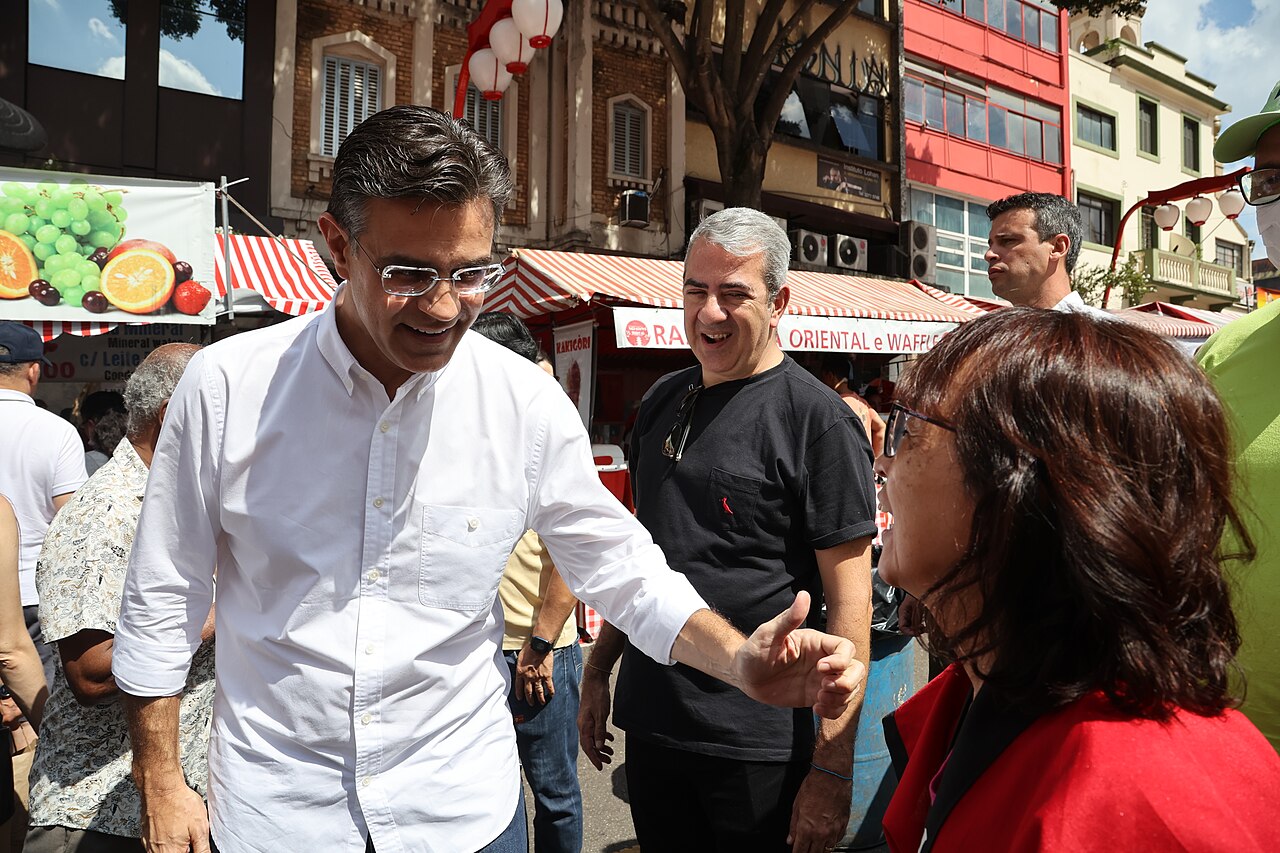
Photography opportunities include streetscape views with Japanese signage, market activity, and architectural details. The decorative street elements and red torii-style structures at certain intersections provide recognizable visual markers. Market photography requires awareness of vendor and shopper privacy; direct permission is prudent for close portraits. Interior photography in shops and restaurants is at proprietors' discretion. Early morning offers less crowded street scenes; market periods provide dynamic but congested conditions. Lighting conditions vary significantly by season and time of day.
Checked 2026-08-31 · Source
Yes. São Paulo’s tourism authority presents Bairro da Liberdade as a free-admission attraction; charges apply only to individual venues, goods or services.
The municipal authorization sets the Feira de Arte, Artesanato e Cultura da Liberdade for Saturdays and Sundays from 10:00 to 19:00 in Praça da Liberdade.
Ruas Abertas operates on Sundays and public holidays from 09:00 to 16:00 on Rua dos Estudantes, Rua Américo de Campos, Rua Galvão Bueno and Rua dos Aflitos; motor traffic is interrupted on the designated sections.
CIT Móvel Liberdade is in Praça da Liberdade near the Madrinha Eunice statue and operates from 09:00 to 17:00. The municipal service provides information in Portuguese, Spanish and English.
Yes. Liberdade is included in the municipal Vai de Roteiro programme, with places reserved through the programme’s Sympla booking link.
The municipality listed the PPP phase as “Contract Signed” on 5 August 2026, with the contract signed on 24 July 2026. The announced esplanade is therefore a development project, not an existing visitor facility.
Loading the interactive map…
The interactive map could not be loaded.


Last updated:
Source: OpenStreetMap contributors ·