Smart Self-Managed Tours

City guide · Brazil

São Paulo

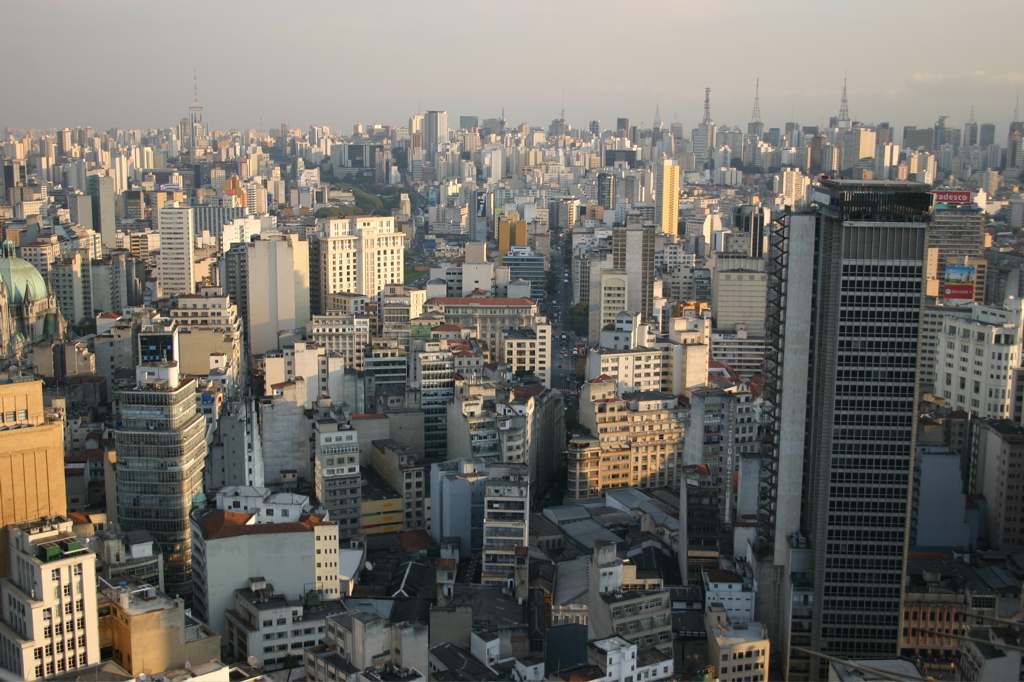
A photograph of São Paulo
Photograph · Thomas Hobbs · CC BY-SA 2.0

São Paulo is a vast inland metropolis whose visitor sights are spread among the historic centre, Avenida Paulista, Liberdade, Ibirapuera and specialised neighbourhoods. The city guide groups attractions by district and marks nearby Metro access because distance and major roads shape every itinerary. Use central clusters for architecture and markets, Paulista for museums, and Ibirapuera as its own park-and-museum block rather than crossing the city between isolated stops.

Practical information

Language spoken
Portuguese
National practical orientation; regional and minority languages may also be used
Dialling code
+55
International calling code; local area and mobile prefixes still apply
Currency
Brazilian real (BRL)
Use the official local currency; card acceptance varies by place
Emergency number
190 police · 192 ambulance · 193 fire
Use only for an emergency; tourist assistance may use a separate number
Plug type
Type N · 127 or 220 V by location
Check that chargers support the recorded voltage before using an adapter
Tap water
Not recorded
Voltage and water guidance must be checked for the destination

Planning a visit

Suggested stay
Not recorded
Getting around
Metro, metropolitan rail, bus and taxi
  1. January: no seasonality data recorded
  2. February: no seasonality data recorded
  3. March: no seasonality data recorded
  4. April: no seasonality data recorded
  5. May: no seasonality data recorded
  6. June: no seasonality data recorded
  7. July: no seasonality data recorded
  8. August: no seasonality data recorded — this month
  9. September: no seasonality data recorded
  10. October: no seasonality data recorded
  11. November: no seasonality data recorded
  12. December: no seasonality data recorded

Top things to see

Ranked by importance — sitelinks, pageviews and heritage status, not editor preference.

  1. Municipal Theater of São Paulo
    02 45 min

    Municipal Theater of São Paulo

    The Municipal Theatre of São Paulo is the historic centre's principal opera house and a defining Belle Époque landmark. Built during the city's rapid early twentieth-century growth, it represents Brazil's aspiration toward European cultural sophistication.

    • Must see
    • Historic monument
  2. São Paulo Cathedral
    03 45 min

    São Paulo Cathedral

    São Paulo Cathedral, known locally as Catedral Metropolitana de São Paulo or Catedral da Sé, stands as a monumental neo-Gothic structure marking the geographic heart of the city's historic centre.

    • Must see
    • Historic monument
  3. Beco do Batman
    04 45 min

    Beco do Batman

    Beco do Batman is a narrow alleyway in São Paulo's Vila Madalena neighbourhood that has become a celebrated open-air gallery of street art.

    • Must see
    • Historic monument
  4. Sala São Paulo
    05 45 min

    Sala São Paulo

    Sala São Paulo is a major concert hall housed within the historic Júlio Prestes Station, a former railway terminal in central São Paulo. It serves as the permanent home of the São Paulo State Symphony Orchestra (OSESP).

    • Must see
    • Historic monument
  5. Pátio do Colégio
    06 45 min

    Pátio do Colégio

    Pátio do Colégio marks the foundational site of São Paulo, established by Jesuit priests Manuel da Nóbrega and José de Anchieta in 1554. The name references the original Jesuit college courtyard where the city began.

    • Must see
    • Historic monument
  6. Mosteiro de São Bento
    07 45 min

    Mosteiro de São Bento

    The Monastery of Saint Benedict is a historic Benedictine complex in Sao Paulo's old city center. It anchors one corner of the old-city triangle, a zone of significant historical concentration.

    • Must see
    • Historic monument
  7. Edifício Copan
    08 45 min

    Edifício Copan

    The Copan Building, known locally as Edifício Copan, stands as one of São Paulo's most distinctive architectural landmarks.

    • Must see
    • Historic monument
  8. Luz Station
    09 45 min

    Luz Station

    Luz Station is a monumental railway station in São Paulo, Brazil, known locally as Estação da Luz. It serves as an architectural anchor for the Luz museum district in the city's historic centre.

    • Must see
    • Historic monument
  9. Casa do Grito
    11 45 min

    Casa do Grito

    Casa do Grito is a historic rammed-earth house located within the Ipiranga independence landscape in São Paulo. The building forms part of the broader historical and cultural territory associated with Brazilian independence.

    • Must see
    • Historic monument
  10. Monument to the Bandeiras
    12 45 min

    Monument to the Bandeiras

    Monument to the Bandeiras is a monumental granite sculpture by Victor Brecheret located in São Paulo, Brazil. The local name is Monumento às Bandeiras. It commemorates the bandeirantes, 17th-century Portuguese Brazilian explorers and fortune hunters who expanded Brazil's territory.

    • Must see
    • Historic monument
  11. Martinelli Building
    14 45 min

    Martinelli Building

    The Martinelli Building, known locally as Edifício Martinelli, stands as São Paulo's pioneering skyscraper and a central-city architectural landmark. Constructed in the early twentieth century, it represented a dramatic shift in Brazilian urban architecture, introducing skyscraper technology to the city.

    • Must see
    • Historic monument
  12. Viaduto do Chá
    15 45 min

    Viaduto do Chá

    Viaduto do Chá is a historic viaduct in central São Paulo, Brazil. Built in the late nineteenth century, it spans the Vale do Anhangabaú and connects the old city centre with the newer downtown area.

    • Must see
    • Historic monument
  13. Colônia crater
    18 45 min

    Colônia crater

    Colônia Crater, known locally as Cratera de Colônia, is a large meteorite-impact structure situated in the Parelheiros district of São Paulo, Brazil. It ranks as a protected geosite of significant geological interest.

    • Must see
    • Historic monument

Source: OpenStreetMap contributors, Wikidata ·

How the city is laid out

The historic centre clusters around Sé, Pátio do Colégio, the Municipal Theatre and the markets. Avenida Paulista and nearby Jardins form a separate museum, architecture and dining corridor. Liberdade lies south of the centre, while Ibirapuera Park sits farther southwest. Pinheiros and Vila Madalena add galleries and evening activity. Attractions described as São Paulo destinations can still be far apart, so district names are essential planning information.

Checked 2026-08-26

Getting around

Metro and metropolitan rail are the practical backbone for long cross-city journeys, with buses covering gaps between stations. The official city guide identifies attractions within roughly 1.5 kilometres of a Metro station, but that can still be a substantial walk. Build each day around one or two connected districts, check the current transit map, and use a bus or taxi when large avenues or distance make walking inefficient.

Checked 2026-08-26

Common questions

How is São Paulo organised for sightseeing?

the historic centre, Paulista, Ibirapuera, Liberdade and western districts are separate clusters

How many days should I spend in São Paulo?

No fixed stay length is recorded; the useful measure is how many districts you want to explore.

What is the easiest way to get around São Paulo?

Use rail for cross-city journeys and buses or taxis for the final connection.

Which places need a separate trip from central São Paulo?

Avenida Paulista and Ibirapuera can share a selective day, but they are distinct clusters.

What is the most practical way to plan a day in São Paulo?

No official best-month range is recorded; check current conditions and events before travel.

Turn this list into a plan

Set your days, your pace and the hours you actually want to be out. The planner works around closing days and travel time, and leaves room to eat.

Plan São Paulo