Smart Self-Managed Tours

Country guide

Belgium

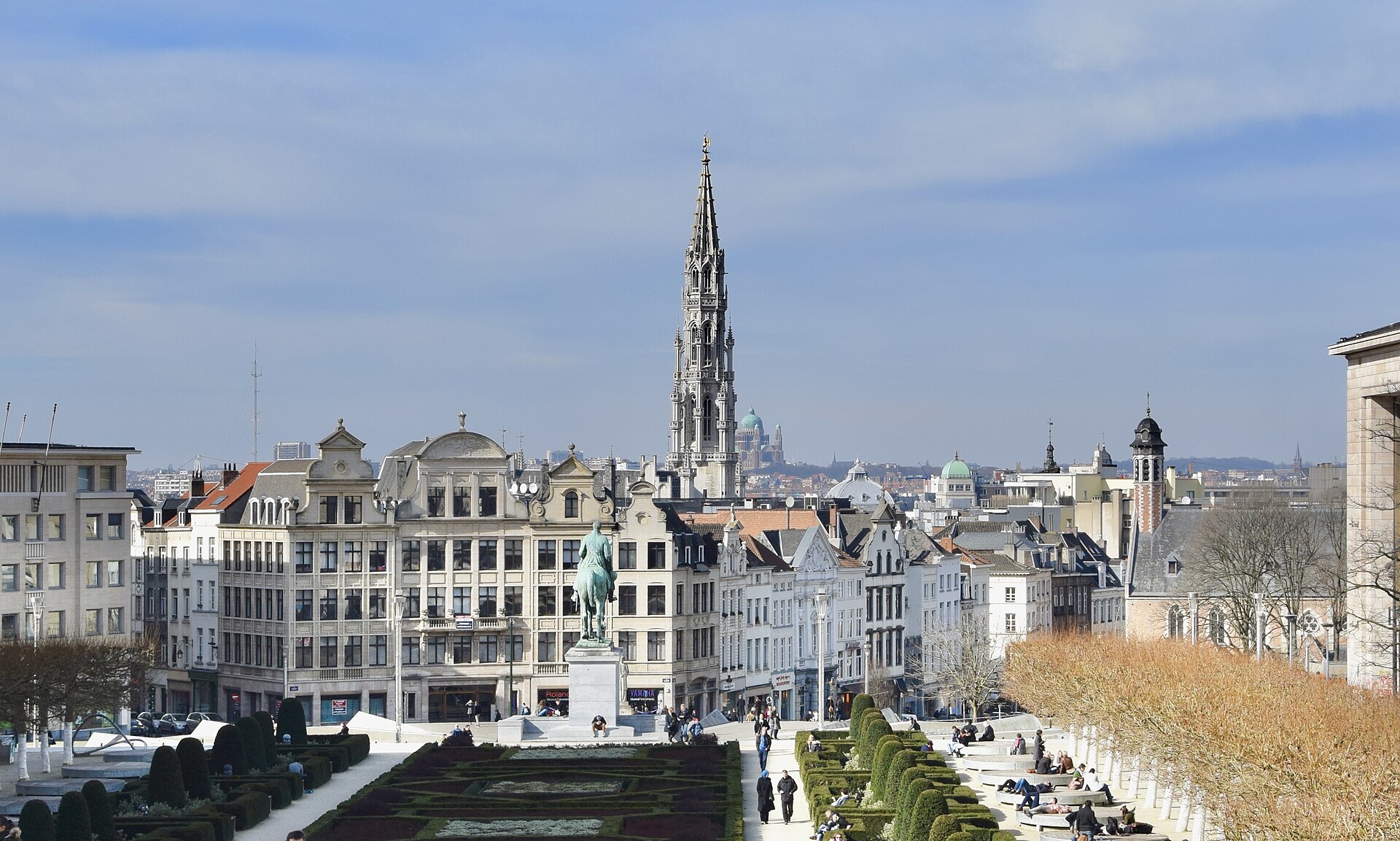
A photograph of Belgium
Photograph · Naval S from Berlin · CC BY 2.0

Belgium covers 30,689 km² and holds more than 11.8 million people, a density of 383 per km² that ranks sixth in Europe. It is divided three ways — Flanders in the north, Wallonia in the south, the Brussels-Capital Region in the middle — and the language divides with it: Dutch for about 60 per cent of the population, French for about 40, German for the one per cent in the East Cantons. The choice for a visitor is largely between Brussels, which carries the seats of the European Commission and Council and the headquarters of NATO, and the Flemish cities: Antwerp, Ghent, Bruges, Leuven.

Cities

Every city catalogued in this country so far, ranked by how much there is to see.

Practical information

Language spoken
Dutch, French and German
National practical orientation; regional and minority languages may also be used
Dialling code
+32
International calling code; local area and mobile prefixes still apply
Currency
Euro (EUR)
Use the official local currency; card acceptance varies by place
Emergency number
112
Use only for an emergency; tourist assistance may use a separate number
Plug type
Type C and E · 230 V
Check that chargers support the recorded voltage before using an adapter
Tap water
Safe from the mains
Public drinking water is regulated by Belgium's regional authorities

Planning a visit

  1. January: seasonal closure recorded
  2. February: seasonal closure recorded
  3. March: seasonal closure recorded
  4. April: seasonal closure recorded
  5. May: seasonal closure recorded
  6. June: seasonal closure recorded
  7. July: no seasonality data recorded
  8. August: no seasonality data recorded — this month
  9. September: seasonal closure recorded
  10. October: seasonal closure recorded
  11. November: seasonal closure recorded
  12. December: seasonal closure recorded

Top things to see

Ranked by importance — sitelinks, pageviews and heritage status, not editor preference.

  1. Bois de la Cambre - Ter Kamerenbos Bois de la Cambre - Ter Kamerenbos
    02 1 hour

    Bois de la Cambre - Ter Kamerenbos

    Bois de la Cambre, known in Dutch as Ter Kamerenbos, is a public park situated in Brussels, Belgium. It occupies a significant green space within the urban environment of the Belgian capital.

    • Must see
    • Nature site
    • Brussels
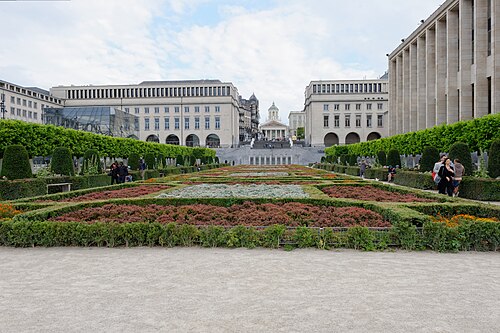
  2. Garden of the Mont des Arts Garden of the Mont des Arts
    03 1 hour

    Garden of the Mont des Arts

    The Garden of the Mont des Arts, known locally as Jardin du Mont des Arts or Tuin van de Kunstberg, is a formal garden situated on an elevated site in central Brussels.

    • Must see
    • Nature site
    • Brussels
  3. Square du Petit Sablon - Kleine Zavelsquare Square du Petit Sablon - Kleine Zavelsquare
    04 1 hour

    Square du Petit Sablon - Kleine Zavelsquare

    Square du Petit Sablon, known in Dutch as Kleine Zavelsquare, is a formal garden square in Brussels, Belgium. It occupies a triangular plot near the larger Place du Grand Sablon.

    • Must see
    • Nature site
    • Brussels
  4. Moeraske
    21 1 hour

    Moeraske

    • High
    • Nature site
    • Brussels
  5. Seny Park
    56 1 hour

    Seny Park

    • High
    • Nature site
    • Brussels
  6. Moensberg
    63 1 hour

    Moensberg

    • High
    • Nature site
    • Brussels
  7. Vogelzang
    70 1 hour

    Vogelzang

    • High
    • Nature site
    • Brussels
  8. Zeecrabbe
    71 1 hour

    Zeecrabbe

    • High
    • Nature site
    • Brussels
  9. Beverbos
    74 1 hour

    Beverbos

    • High
    • Nature site
    • Brussels
  10. Frankveld
    96 1 hour

    Frankveld

    • High
    • Nature site
    • Brussels

Source: OpenStreetMap contributors, Wikidata ·

Common questions

How long should a first trip to Belgium be?

Five to seven days covers Brussels plus two or three rail-linked cities such as Antwerp, Ghent, Bruges, Leuven or Liège. Staying in one or two bases avoids losing time to repeated hotel changes in this compact network.

What entry documents are needed for Belgium?

Belgium’s foreign-affairs service publishes visa and short-stay requirements. Check the rule for the passport being used and the full Schengen itinerary, especially when Belgium is not the first external border crossed.

What is the best way to travel around Belgium?

Brussels Airport connects directly with Belgium’s national rail network, and intercity trains link the principal cities without compulsory reservations. Local buses, trams and metros belong to separate regional operators, so one urban ticket is not automatically valid nationwide.

When is a practical time to visit Belgium?

April through June offers long sightseeing days, while September usually retains workable conditions with fewer peak-summer pressures. Belgian weather remains changeable, making a waterproof layer useful in any of these months.

What money and payment basics apply in Belgium?

The euro (EUR) is Belgium’s currency. Card and cash acceptance can differ between a station machine, a market stall and a small business, so retain a second payment method rather than assuming one card will work everywhere.

What practical safety details should I save for Belgium?

Belgium uses 112 for emergencies and Type C or E plugs at 230 V. The recorded national guidance says mains tap water is safe.