
_(50701148198).jpg)
_(50701148338).jpg)


20 min walk
Kingston Park Coastal Reserve
- Must see
- Nature site
Language · 11 published
Nature site · Adelaide
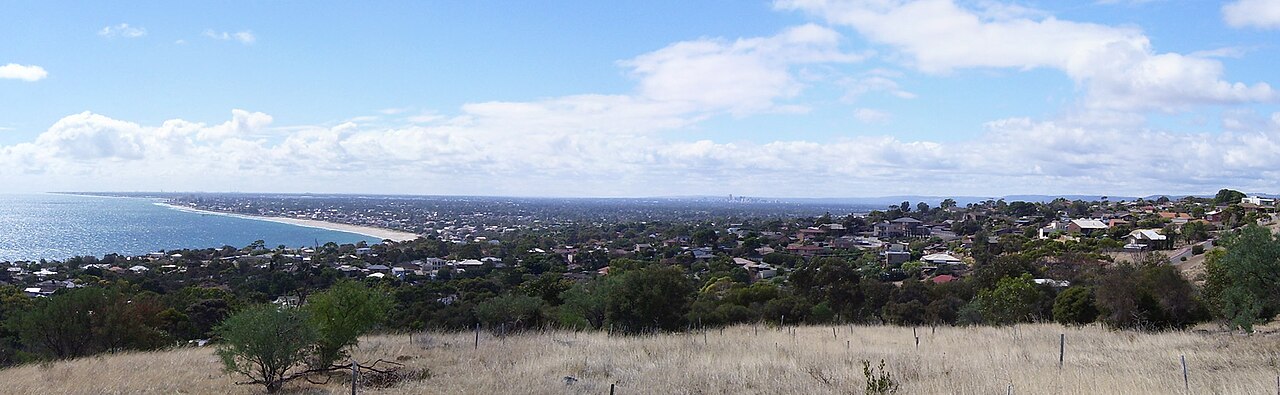
Marino Conservation Park is a protected coastal reserve situated in the Adelaide metropolitan area. The park forms part of the greater Marino region, which encompasses rocky coastline and native vegetation typical of the Gulf St Vincent shoreline. As a conservation park, its primary purpose is the protection of local ecosystems rather than intensive recreational development. The area contributes to Adelaide's network of coastal green spaces and offers visitors a natural setting within reasonable proximity to the city centre. The park represents one of several conservation areas accessible to metropolitan visitors seeking coastal environments.
Checked 2026-08-26
The park contains coastal heath and scrub vegetation characteristic of the Adelaide plains and foothills transition zone. Visitors can expect rocky outcrops, low native shrubs, and views across Gulf St Vincent. The terrain includes sloping ground leading toward the coastline. Native bird species and other fauna typical of the region may be present, though specific species inventories are not recorded. The conservation park setting implies minimal built infrastructure, with natural features dominating the visitor experience. Adjacent coastal areas may include beach access points, though boundaries between managed parkland and foreshore reserves should be noted by visitors.
Checked 2026-08-26
A visit duration depends entirely on individual interest and intended activity. Casual walkers exploring the park's perimeter and viewpoints might allocate between thirty minutes and one hour. Those combining the conservation park with adjacent coastal walks, including connections toward Hallett Cove or Brighton, should plan for two to three hours. Photographers or nature observers may wish to extend their stay to account for changing light conditions and wildlife activity patterns. No formal trails with designated lengths are recorded, so visitors should assess their own pace and fitness against the visible terrain upon arrival.
Checked 2026-08-26

Coastal locations in the Adelaide region experience Mediterranean climate patterns, with warm dry summers and mild wet winters. Spring and autumn typically offer comfortable temperatures for walking and observation. Summer visits should account for sun exposure and limited shade in coastal heath environments. Winter conditions may include windy and cooler weather with occasional rain. Early morning and late afternoon provide favourable lighting for observation and photography. Visitors should check current conditions before travelling, as coastal weather can change rapidly. Check the operator's own site for the travel date before relying on a schedule or fare.
Checked 2026-08-26
No ticketing infrastructure is indicated in available information. Visitors should not assume payment requirements without verification. Parking in adjacent areas may be subject to local council regulations or time restrictions unrelated to park entry. Any proposed commercial activities, group events, or filming within the park would require separate authorisation from the managing agency. Visitors carrying valid national park passes for other South Australian reserves should retain these for potential compliance checks. Check the operator's own site for the travel date before relying on a schedule or fare.
Checked 2026-08-26

Marino Conservation Park is located in the suburb of Marino, south of Adelaide's central business district. The area is accessible by private vehicle via local road networks connecting to Main South Road or the Esplanade coastal route. Public transport options include Adelaide Metro train services to Marino Rocks station, followed by walking access. The approximate distance from Adelaide CBD is not precisely recorded, though Marino lies within the metropolitan coastal strip. Cycling along coastal paths may provide alternative access for active transport users. Visitors should consult current mapping services for precise routing, as road configurations and public transport schedules are subject to change.
Checked 2026-08-26
Coastal terrain presents natural hazards including uneven ground, unstable rocky edges, and sudden drop-offs near cliff lines. Visitors should remain on stable surfaces and avoid approaching eroded areas. The exposed coastal environment carries risks of strong sun, wind, and limited shelter or drinking water sources. Appropriate footwear, sun protection, and carried water are essential. Mobile phone coverage may be variable in coastal locations. No emergency facilities are indicated within the park itself. Visitors should inform others of their intended movements and expected return times. Tide conditions may affect adjacent beach access, though this is less relevant to the conservation park's elevated terrain.
Checked 2026-08-26
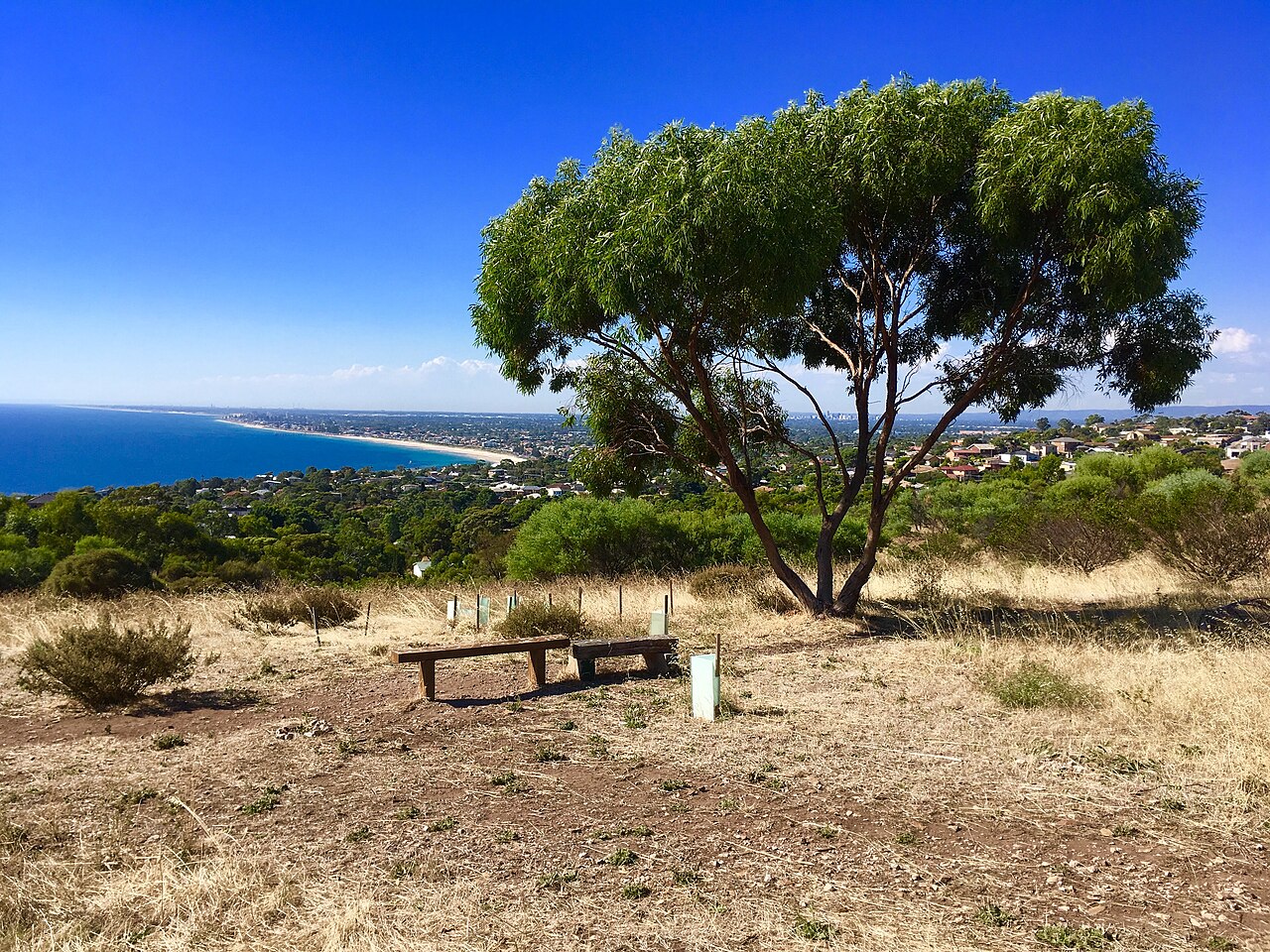
The park offers coastal landscape photography opportunities encompassing native vegetation, rocky foregrounds, and Gulf St Vincent waterscapes. Wide-angle lenses suit the open coastal vistas, while telephoto options may assist in capturing distant subjects or wildlife at respectful distances. Early morning and late afternoon light enhances texture in the low coastal heath and illuminates the water surface. Tripod use is feasible on stable ground, though wind exposure should be considered. The unobstructed westerly aspect provides sunset photography potential across the gulf. Visitors should minimise vegetation disturbance when positioning for shots and avoid leaving designated paths unnecessarily. Drone operation would require compliance with aviation regulations and land manager permissions.
Checked 2026-08-26
The park's natural coastal terrain with uneven ground and potential cliff edges requires close supervision of children. No playground facilities are present. Families should assess children's walking ability and safety awareness before visiting.
Dog policies for this specific park are not recorded. Many Australian conservation parks restrict domestic animals to protect wildlife. Visitors should verify current regulations with the managing authority before bringing dogs.
Public toilet facilities within the conservation park itself are not recorded. Visitors should plan accordingly, noting that adjacent suburban areas or coastal reserves may provide alternative amenities.
The conservation park comprises elevated coastal heath and rocky terrain rather than beach frontage. Adjacent areas may offer beach access, though swimming conditions and safety provisions are not recorded for this specific location.
The natural coastal terrain with uneven and potentially sloping ground presents significant accessibility challenges. No modified accessible paths are recorded. Visitors with mobility considerations should assess conditions carefully.
No guided tour services or visitor centre facilities are recorded for Marino Conservation Park. The area appears to offer self-directed visitation without interpretive infrastructure or staffed presence.
Loading the interactive map…
The interactive map could not be loaded.


Last updated:
Source: OpenStreetMap contributors, Wikidata ·