Adelaide Botanic Garden
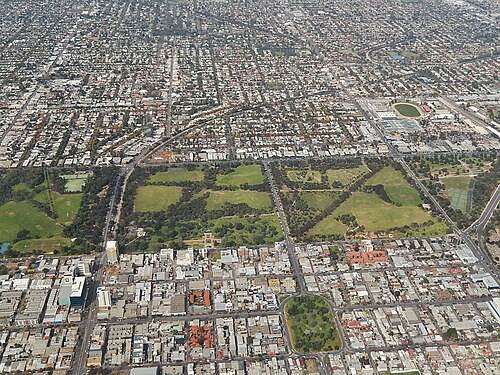
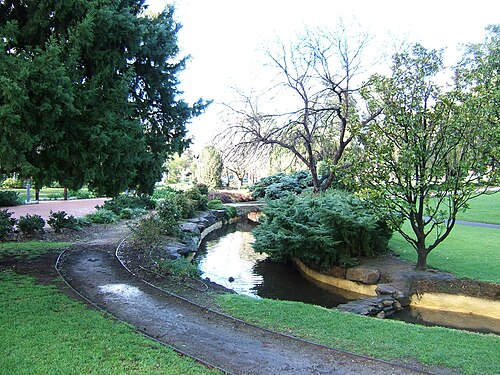
Adelaide Botanic Garden is a major public garden in Adelaide, South Australia. Established in 1855, it occupies a significant site on the edge of the city centre.
- Must see
- Nature site
Language · 11 published
City guide · Australia
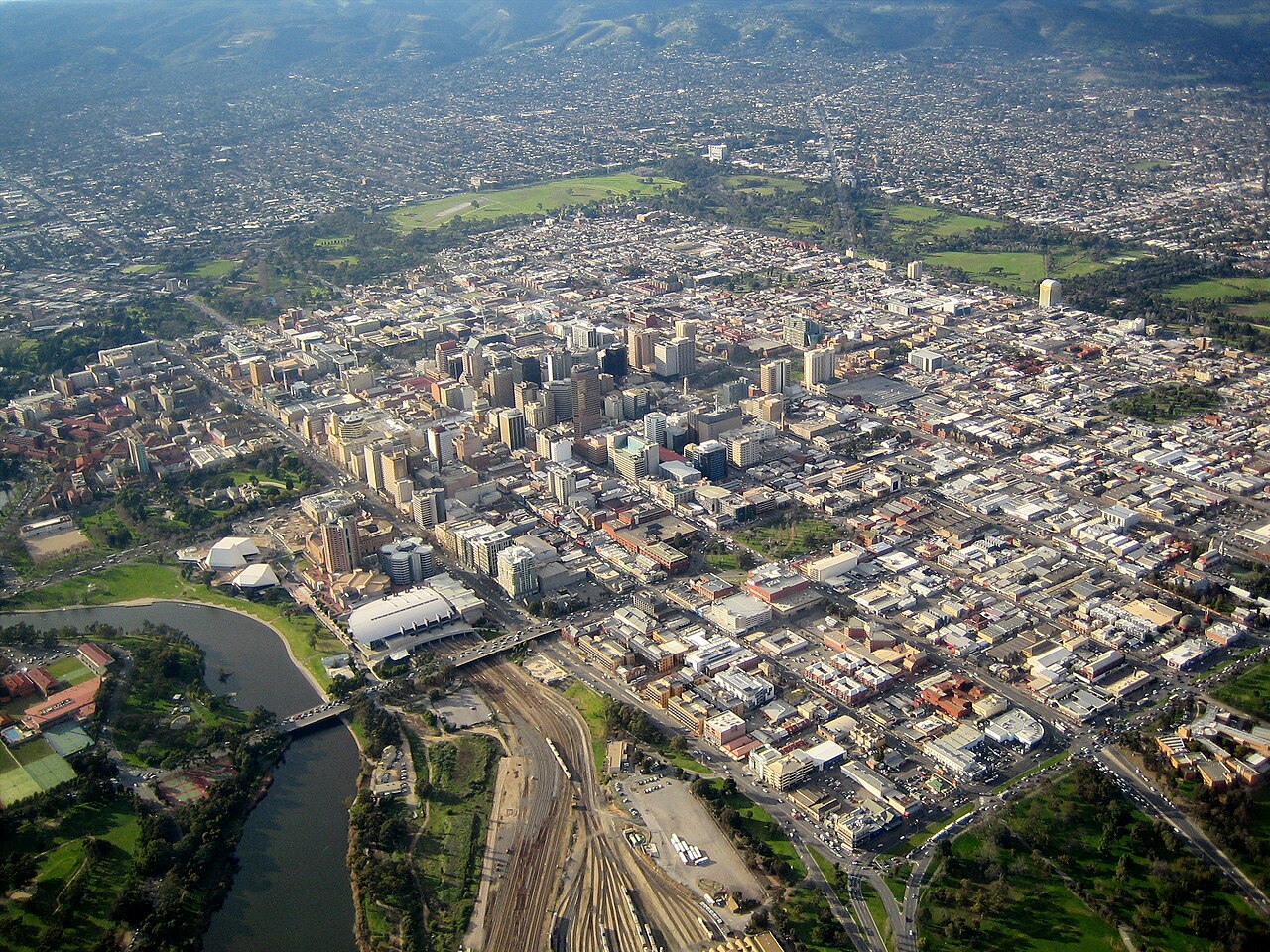
Adelaide's visitor core sits inside the Park Lands, with Central Market, Victoria Square, North Terrace and the river close enough to combine without repeated transport. North Adelaide lies beyond the river, while Glenelg is a coastal destination reached on its own corridor. The Adelaide Hills and wine districts are regional excursions, not extensions of a short museum day in the centre.
Set your days, your pace and the hours you actually want to be out. The planner works around closing days and travel time, and leaves room to eat.
Ranked by importance — sitelinks, pageviews and heritage status, not editor preference.
50 places match
Category
Typical visit duration
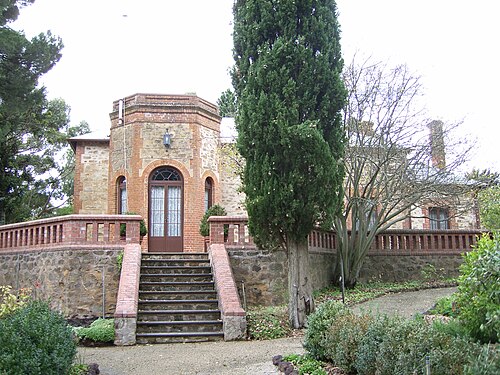
Adelaide Botanic Garden is a major public garden in Adelaide, South Australia. Established in 1855, it occupies a significant site on the edge of the city centre.
Cleland Wildlife Park is a wildlife attraction in the Adelaide Hills region near Adelaide, South Australia. The park is situated within Cleland Conservation Park and offers visitors encounters with native Australian animals.
River Torrens Linear Park is a public open space corridor following the River Torrens through Adelaide. It forms part of the broader Adelaide Park Lands system, which encircles the city centre.
Adelaide Park Lands form a green belt encircling the Adelaide city centre, established as part of Colonel William Light's 1837 plan for the city.
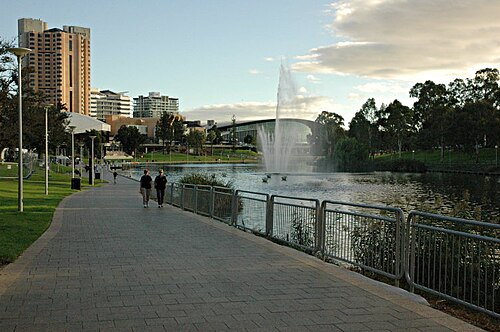
Elder Park is a public park situated on the southern bank of the River Torrens in Adelaide, South Australia. It forms part of the linear parklands that characterise the city's layout.
Adelaide Himeji Garden is a Japanese-style garden in Adelaide, South Australia. It was established as a symbol of the sister-city relationship between Adelaide and Himeji, Japan.
Veale Gardens is a public garden space located in Adelaide, South Australia. It forms part of the broader Adelaide Park Lands system that encircles the city centre.
Belair National Park is a protected area within the greater Adelaide metropolitan region, managed by the South Australian Department for Environment and Water. Established in 1891, it holds distinction as one of Australia's oldest national parks.
Morialta Conservation Park is a protected natural area in the Adelaide Hills, approximately 10 kilometres northeast of Adelaide's central business district. The park encompasses steep gorges, seasonal waterfalls, and rocky outcrops within a bushland setting.
Waterfall Gully is a valley and recreational area located in the Adelaide Hills face zone, within the Greater Adelaide metropolitan area.
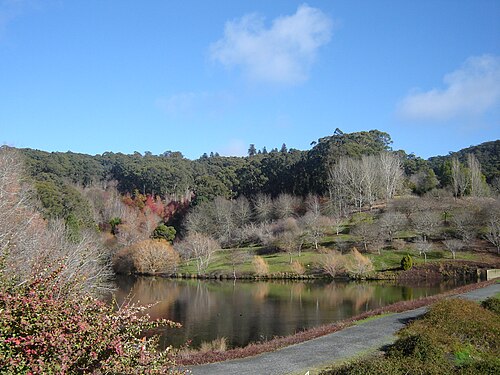
Mount Lofty Botanic Garden is a botanical garden situated in the Adelaide Hills, South Australia. It forms part of the network of botanic gardens managed under the Botanic Gardens and State Herbarium of South Australia.
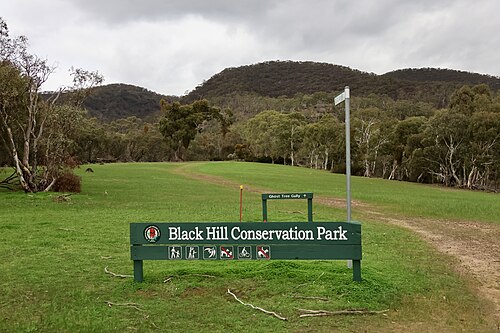
Black Hill Conservation Park is a protected natural area within the Adelaide metropolitan region. The park forms part of the Mount Lofty Ranges and serves as a significant conservation reserve preserving native vegetation and providing habitat for local wildlife.
Anstey Hill Recreation Park is a protected natural area in the Adelaide metropolitan region, managed by the South Australian Department for Environment and Water through the Parks SA network.
Brownhill Creek Recreation Park is a public park situated within the Adelaide Park Lands system. It occupies a portion of the extensive Park Lands that encircle the central business district of Adelaide, South Australia.
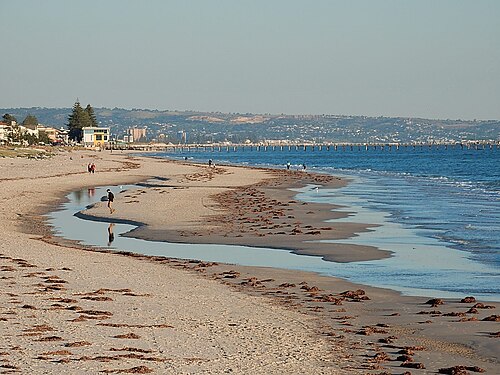
Henley Beach is a coastal suburb and beach located in Adelaide's western suburbs, approximately 10 kilometres west of the central business district. The area forms part of the Adelaide metropolitan coastline along Gulf St Vincent.
Fort Glanville Conservation Park is a heritage-listed site in Adelaide, South Australia, preserving a 19th-century coastal fortification. The park contains the remains of Fort Glanville, constructed as part of colonial Australia's defensive network against potential maritime threats.
The Adelaide Dolphin Sanctuary is a protected marine area located in the Port River and Barker Inlet region north of Adelaide's central business district.
Grange Beach is a coastal beach located within the Adelaide metropolitan area in South Australia. It forms part of the shoreline fronting the suburb of Grange, positioned north-west of Adelaide's central business district.
Hallett Cove Conservation Park is a protected coastal reserve in the Adelaide metropolitan area, South Australia. The park preserves significant geological formations and Aboriginal cultural heritage along the shoreline of Gulf St Vincent.
Marino Conservation Park is a protected coastal reserve situated in the Adelaide metropolitan area. The park forms part of the greater Marino region, which encompasses rocky coastline and native vegetation typical of the Gulf St Vincent shoreline.
Kingston Park Coastal Reserve is a coastal open space within the Adelaide metropolitan area, situated along the shoreline of southern Adelaide. The reserve forms part of the continuous coastal belt that characterises this section of the Gulf St Vincent coastline.
Mount George Conservation Park is a protected natural area situated within the greater Adelaide region of South Australia. The park forms part of the Mount Lofty Ranges and preserves significant bushland habitat characteristic of the Adelaide Hills environment.
Thorndon Park is a public park located in the Adelaide metropolitan area of South Australia. The park forms part of the recreational landscape serving residents and visitors to the region.
Source: OpenStreetMap contributors, Wikidata ·
Build a central day along the line from Central Market through Victoria Square to North Terrace, adding the riverbank when museum time allows. North Adelaide can follow the river cluster, but Glenelg deserves a separate coastal block. Reserve a different day for the Adelaide Hills or a wine region so the outward and return journey does not consume the city programme.
Checked 2026-08-26
Walking covers the central market, civic and North Terrace sequence, while Adelaide Metro buses, trains and trams connect the centre with North Adelaide, Glenelg and other suburbs. Choose the stop serving the intended precinct before setting out, because a route that crosses the Park Lands may be less direct than it appears. Check Adelaide Metro notices and the return service for coastal or regional connections on the travel day.
Checked 2026-08-26
No official city-wide stay length is recorded. Allocate time first to Central Market, North Terrace and the river, then add Glenelg or North Adelaide as separate precincts. A Hills or wine-region excursion needs its own transport window.
Use North Terrace as the cultural spine and connect it to Victoria Square, Central Market and the riverbank. Visit Glenelg as a coastal outing rather than crossing back and forth between it and central museums.
Walk through the central grid and use Adelaide Metro's bus, train or tram network when crossing the Park Lands or travelling to the coast. Confirm the relevant route and service notice through the official transport source.
The market, civic centre, North Terrace and river can be covered in connected walks. North Adelaide, Glenelg and the outer park or hill destinations require a deliberate public-transport leg rather than a continuous pedestrian circuit.
Set aside separate travel blocks for Glenelg, the Adelaide Hills and any wine district. Check the last practical return connection before departure, especially when the day ends outside the metropolitan core.