
.jpg)
.jpg)


.jpg)
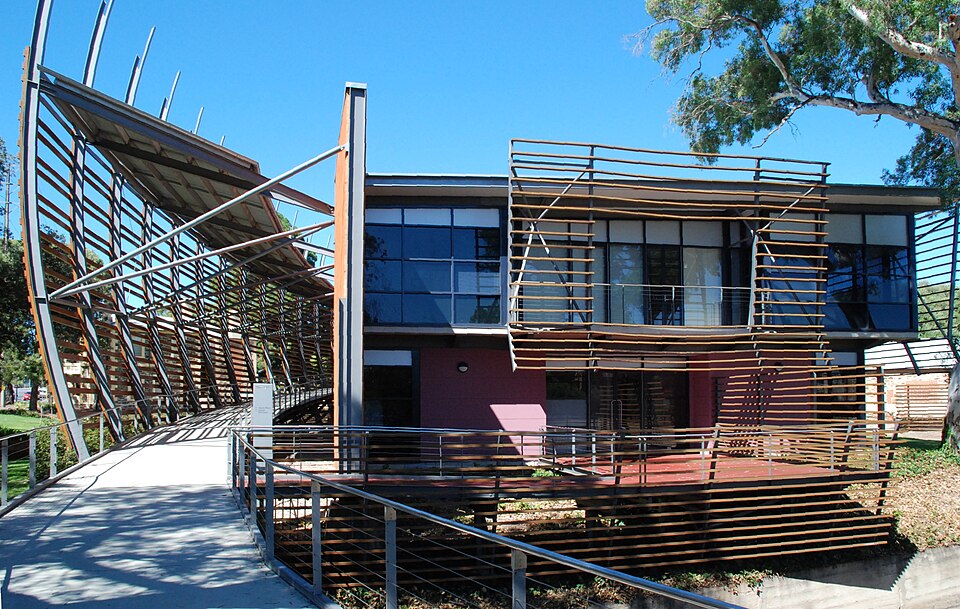
4 min walk
National Wine Centre of Australia
- Must see
- Historic monument
Language · 1 published
Nature site · Adelaide
Adelaide Botanic Gardens
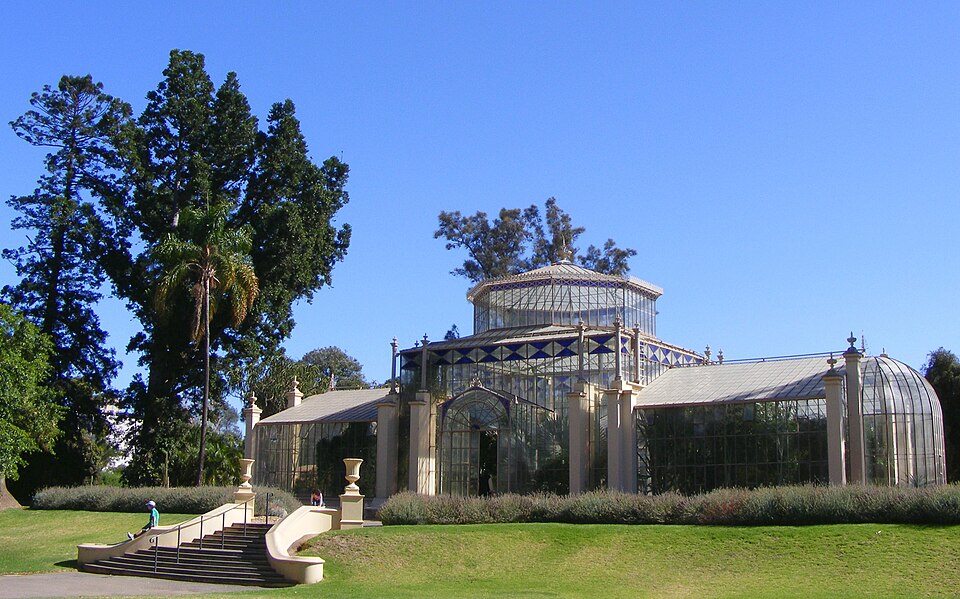
Adelaide Botanic Garden is a major public garden in Adelaide, South Australia. Established in 1855, it occupies a significant site on the edge of the city centre. The garden forms part of a network of botanic gardens in the state and serves as a centre for horticultural science, conservation, and public recreation. It holds heritage significance for its nineteenth-century design and plant collections. The garden is open to visitors throughout the year and contributes to Adelaide's reputation as a planned city with extensive green space.
Checked 2026-08-26
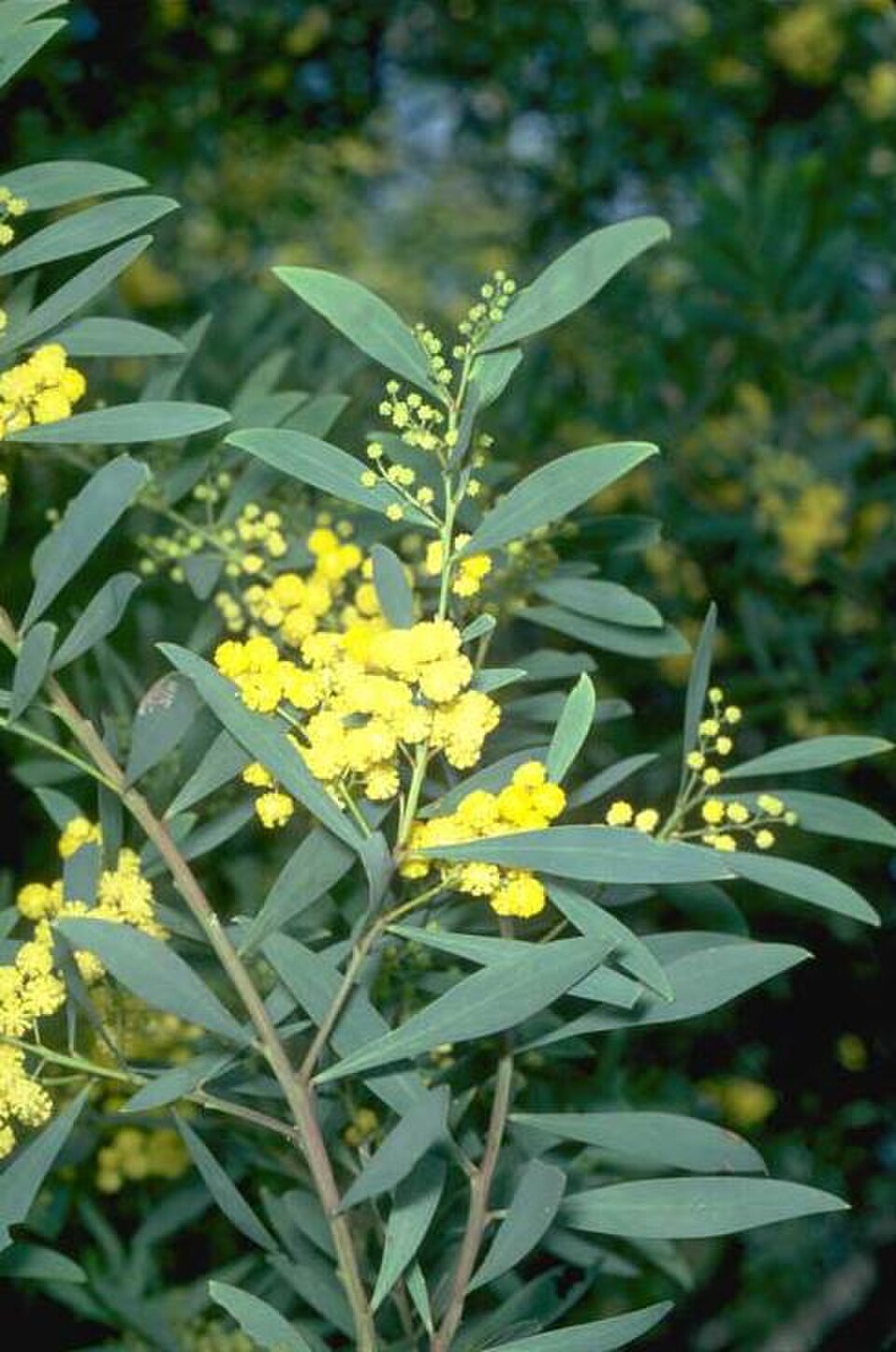
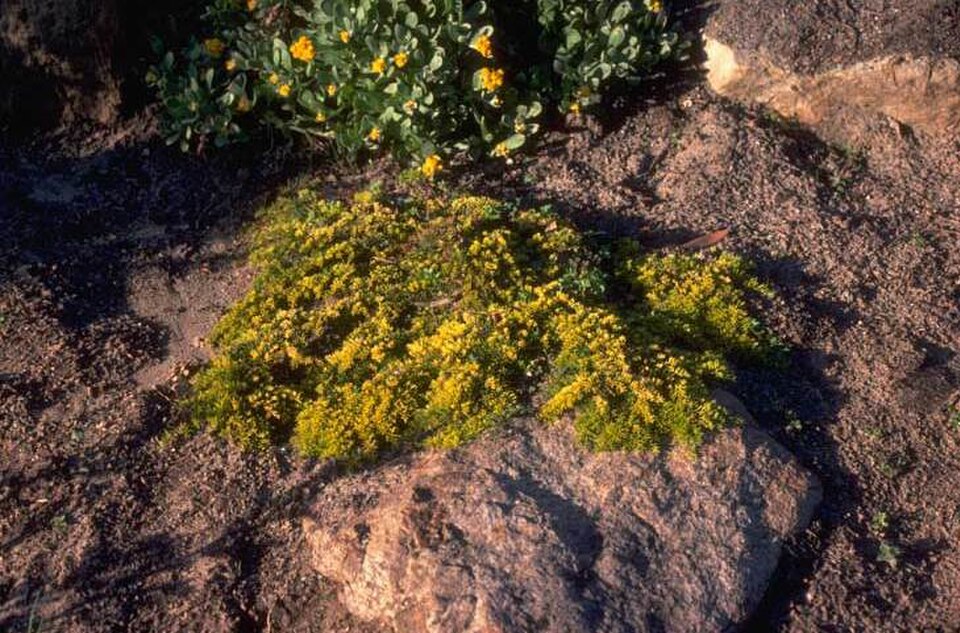
The garden contains diverse plant collections arranged in themed areas and historic buildings. Notable features include the Palm House, a Victorian glasshouse imported from Germany, and the Bicentennial Conservatory, a large tropical glasshouse. The garden houses native and exotic species, formal garden beds, and areas of naturalistic planting. Collections include medicinal plants, roses, and water lilies. The site also contains statuary, fountains, and spaces for quiet contemplation. The garden supports research and education through its living collections and herbarium. Adelaide Botanic Garden also earns time in a adelaide itinerary because Adelaide Botanic Garden is retained in Adelaide's top ten after reconciling official, travel-media, and encyclopaedic coverage. Production has no city POI pool, so no identity or coordinate is inferred. Its value becomes clearer when the stop is compared with the surrounding streets and the other ranked places nearby.
Checked 2026-08-26

Visitors typically spend between one and three hours exploring the garden, depending on their interests. A casual walk through the main paths and glasshouses can be completed in approximately sixty to ninety minutes. Those with specialist interests in botany, photography, or garden history may prefer half a day. The garden's size permits brief visits for lunch or extended stays for detailed examination of collections. Self-guided exploration allows flexible pacing. Guided tours may be available but are Not recorded pending review.
Checked 2026-08-26

The garden offers different experiences across seasons, with spring bringing flowering displays and autumn showing deciduous colour. Summer visits benefit from early morning or late afternoon timing due to Adelaide's heat. Winter allows clear views of structural planting. Operator-confirmed hours are Not recorded pending review. Visitors should verify current opening times before travel, as these may vary seasonally or for special events. The garden's central location permits integration with other city activities regardless of time of day or year.
Checked 2026-08-26
Entry to Adelaide Botanic Garden is generally free of charge as a public institution, though some special exhibitions or events may carry separate fees. Operator-confirmed prices for any paid components are Not recorded pending review. Donations may be invited to support conservation and education programs. Visitors should check current arrangements regarding guided tours, educational programs, or special access areas. The garden's public funding model distinguishes it from commercial attractions, though this does not preclude charges for specific services or events.
Checked 2026-08-26
The garden is located in the north-eastern corner of Adelaide's city centre, adjacent to the Adelaide Zoo and near the River Torrens. It is accessible by foot from central accommodation and business districts. Public transport options include buses and trams serving nearby streets. The Adelaide Metro network connects to stops within walking distance. Cycling is supported by paths along the river and through the parklands. Limited parking may be available nearby. Visitors should consult current transport schedules and parking regulations before departure.
Checked 2026-08-26
Visitors should observe standard precautions for outdoor environments: sun protection, adequate hydration, and appropriate footwear for varied surfaces. Some glasshouses may be humid and warm. Pathways may be uneven or wet. The garden contains plants that may cause irritation if touched; visitors should avoid handling unfamiliar species. Supervision of children near water features is advisable. Seasonal variations in plant health and display quality occur naturally. Construction or restoration work may affect access to certain areas. Visitors should follow posted instructions and respect plant collections.
Checked 2026-08-26

The garden offers extensive photographic opportunities across its landscapes, architecture, and plant collections. Morning and late afternoon light provide favourable conditions for exterior photography. Glasshouses present challenges with contrast and reflections that may require technical adjustment. Commercial or professional photography may require prior arrangement with management; casual visitor photography is generally permitted. Tripod use may be restricted in certain areas. Visitors should be considerate of other guests and avoid damaging plants for camera angles. Seasonal changes provide repeated photographic interest for returning visitors.
Checked 2026-08-26
General entry is free as a public garden, though special exhibitions or events may have separate charges. Current details are Not recorded pending review.
Most visitors spend one to three hours. A basic walk takes sixty to ninety minutes; enthusiasts may prefer half a day.
Operator-confirmed hours are Not recorded pending review. Visitors should verify current times before travelling.
Yes, buses and trams serve nearby stops within walking distance of the garden's city centre location.
Guided tours may be offered but are Not recorded pending review. Self-guided exploration is always possible.
The garden has paths throughout, but surface conditions vary. Visitors with specific accessibility requirements should contact the garden directly for current advice.
Loading the interactive map…
The interactive map could not be loaded.

Last updated:
Source: OpenStreetMap contributors, Wikidata ·