Country guide
Vietnam


Vietnam covers 331,344.82 km² and its 2025 population estimate is 102,300,000, held mostly in two river deltas at opposite ends of a long, narrow country: the Red River in the north around Hanoi, the Mekong in the south below Ho Chi Minh City. Hanoi is the capital and Ho Chi Minh City the largest city, and the ground between the two is the trip — a coast measured in days rather than hours, usually broken into three or four stops instead of run in one go. Which end a traveller starts from decides the order of everything after it.
Cities
Every city catalogued in this country so far, ranked by how much there is to see.
-
Ho Chi Minh City

Photograph · Clay Gilliland · CC BY-SA 2.0
Ho Chi Minh City 6,172 places -
Hanoi
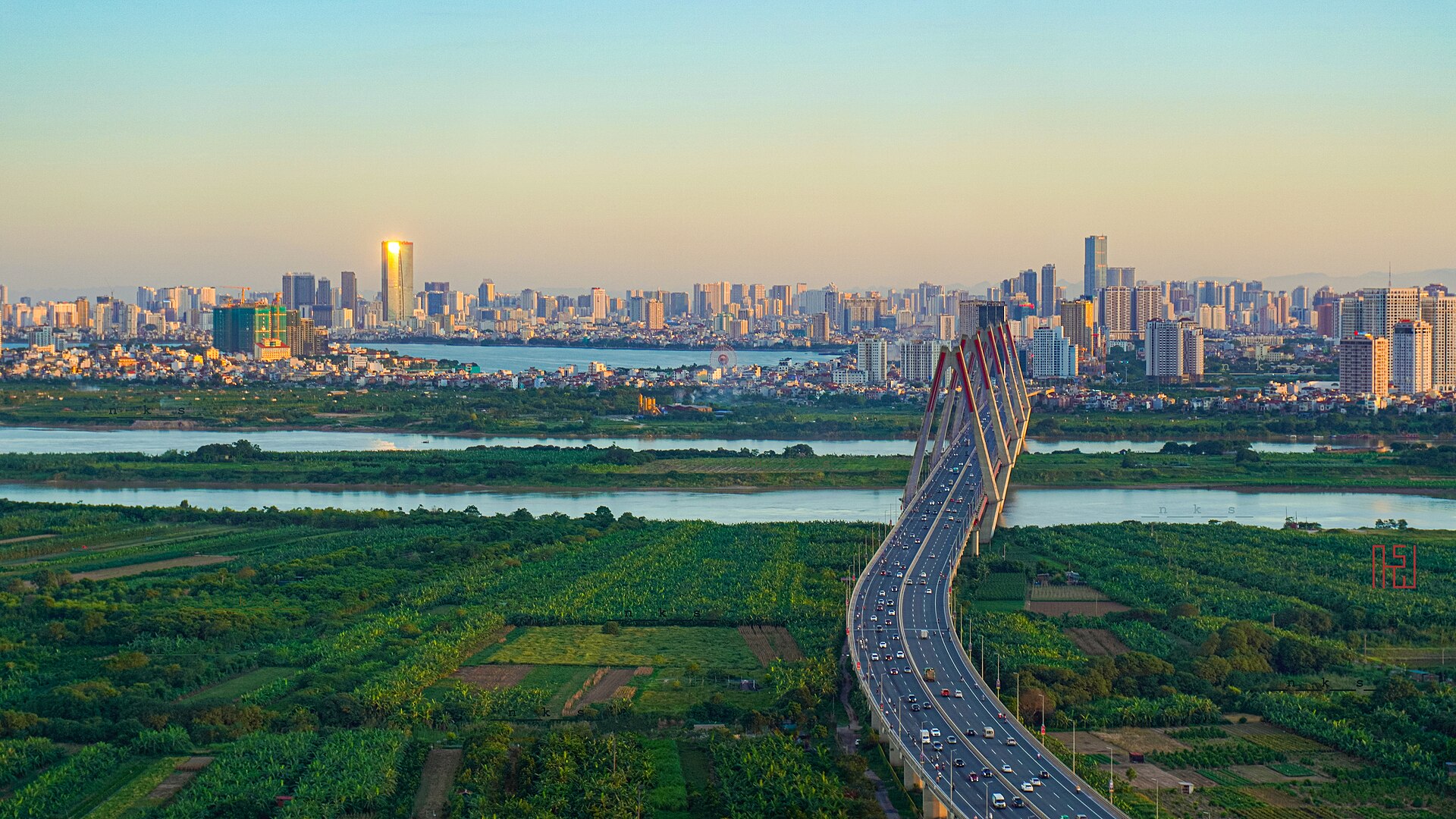
Photograph · NKSTTSSHNVN · CC BY-SA 4.0
Hanoi 2,788 places -
Da Nang
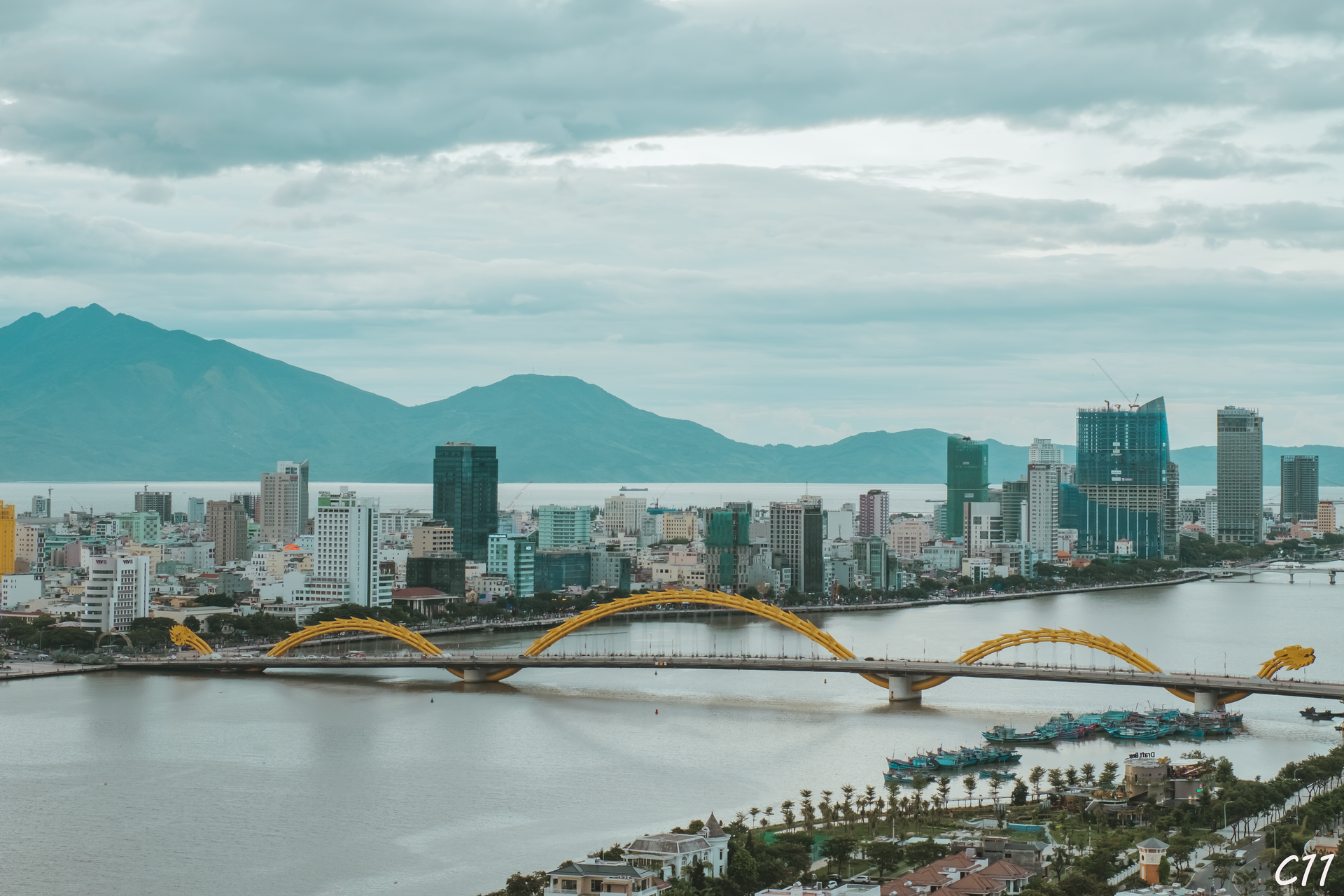
Photograph · Cuong Tran · Public domain
Da Nang 1,149 places
.jpg)


Practical information
Practical information
- Language spoken
- Vietnamese
- National practical orientation; regional and minority languages may also be used
- Dialling code
- +84
- International calling code; local area and mobile prefixes still apply
- Currency
- Vietnamese đồng (VND)
- Use the official local currency; card acceptance varies by place
- Emergency number
- 113 police · 114 fire · 115 ambulance
- Use only for an emergency; tourist assistance may use a separate number
- Plug type
- Type A and C · 220 V
- Check that chargers support the recorded voltage before using an adapter
- Tap water
- Not recorded
- No verified nationwide visitor drinking-water statement was recorded
Planning a visit
- No data recorded for this month
- The current month
- January: no seasonality data recorded
- February: no seasonality data recorded
- March: no seasonality data recorded
- April: no seasonality data recorded
- May: no seasonality data recorded
- June: no seasonality data recorded
- July: no seasonality data recorded
- August: no seasonality data recorded — this month
- September: no seasonality data recorded
- October: no seasonality data recorded
- November: no seasonality data recorded
- December: no seasonality data recorded
Top things to see
Ranked by importance — sitelinks, pageviews and heritage status, not editor preference.
Filter the list
0 places match
0 places match
Category
Typical visit duration
Interests
Nothing in Vietnam matches all of those filters
The list is built from real place data, so an empty result means the combination genuinely has no match — not that the page failed. Loosen one filter and the ranking returns.
Clear all filtersSource: OpenStreetMap contributors, Wikidata ·
Common questions
How long should a first trip to Vietnam be?
A north-to-south first trip needs about two weeks; with ten days, choose two regions such as Hanoi and the centre or Da Nang and Ho Chi Minh City. Overnight trains and domestic flights shorten distance but still consume transfer time.
What entry documents are needed for Vietnam?
Apply through Vietnam’s official electronic-visa portal if the passport and trip qualify. Confirm the approved entry point, validity dates and permitted stay before finalising the route, because an authorisation tied to one crossing should not be assumed valid for another.
What is the best way to travel around Vietnam?
Hanoi, Ho Chi Minh City and Da Nang are the key gateways for common itineraries. Domestic flights, the north-south railway and coaches connect regions; local systems vary, so use licensed taxis or recognised booking channels and verify the correct station or terminal.
When is a practical time to visit Vietnam?
Vietnam’s north, central coast and south have different wet and dry periods. Choose travel dates around the most weather-sensitive region: central beach conditions, northern mountain visibility and southern rainfall cannot be summarised by one nationwide “best month.”
What money and payment basics apply in Vietnam?
The Vietnamese đồng is the recorded currency, and the high denomination numbers deserve a deliberate check before payment. Cash remains useful for small vendors and local transport; use reputable ATMs or banks and verify each zero on quoted VND prices.
What practical safety details should I save for Vietnam?
Police, fire and ambulance are recorded as 113, 114 and 115; common power is Type A and C at 220 V. Tap-water advice is Not recorded here, so ask locally and keep transport-provider details available for long rail or coach journeys.