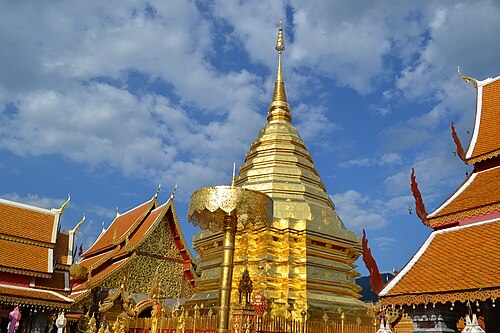
Wat Phra That Doi Suthep
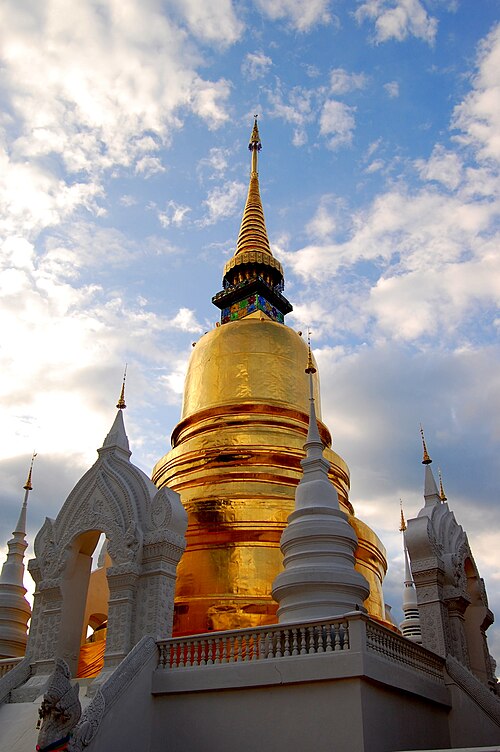
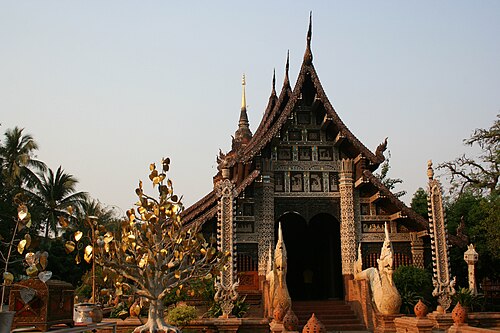
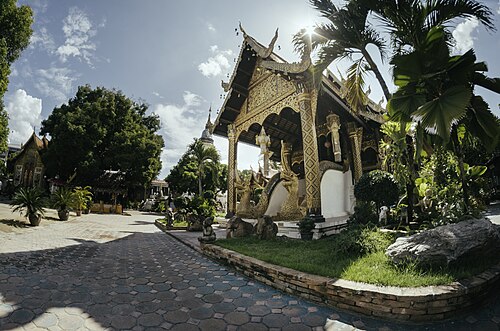
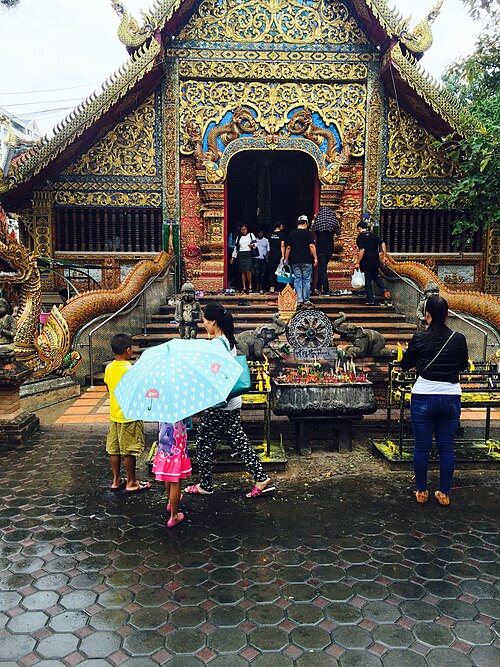
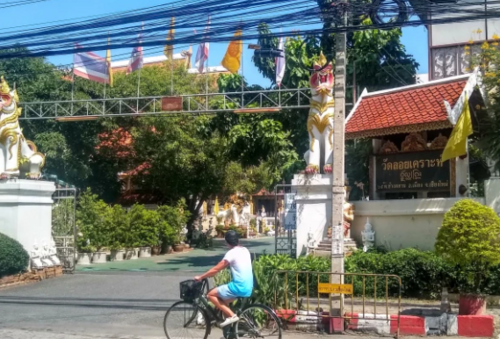
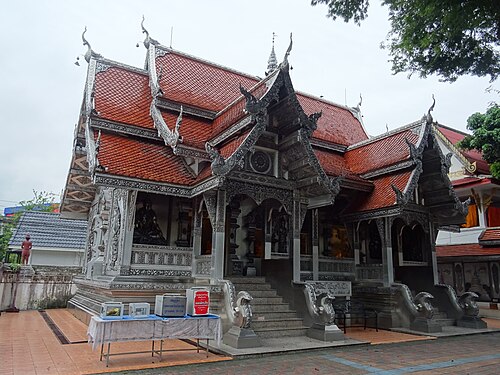
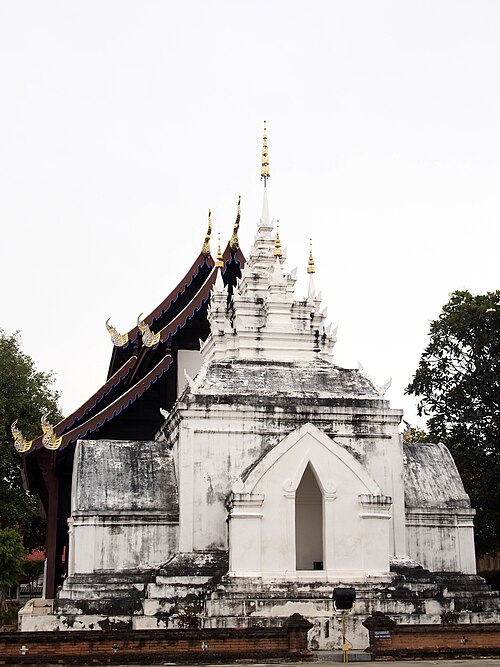
Wat Phra That Doi Suthep is a Theravada Buddhist temple located on Doi Suthep mountain, approximately fifteen kilometers west of Chiang Mai city center in northern Thailand.
- Must see
- Place of worship
Language · 11 published
City guide · Thailand
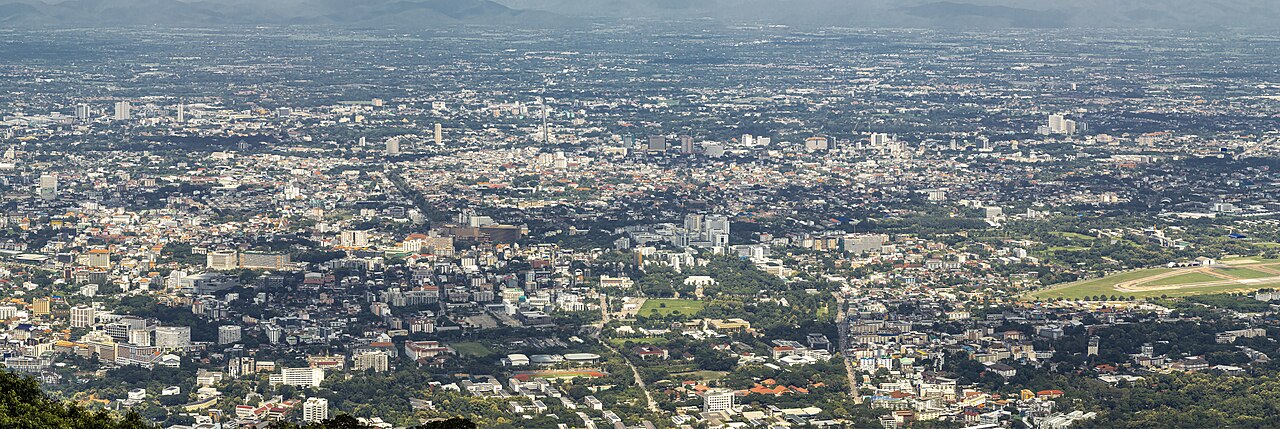
Chiang Mai combines a compact moated old city with riverside neighbourhoods, the Nimman area and mountain attractions to the west. Temples and markets fill the central grid, while Doi Suthep, botanical gardens and national-park routes require transport. Separate the walkable historic core from mountain and countryside days so long road journeys do not consume the same hours reserved for city sights.
Ranked by importance — sitelinks, pageviews and heritage status, not editor preference.
50 places match
Category
Typical visit duration
Wat Phra That Doi Suthep is a Theravada Buddhist temple located on Doi Suthep mountain, approximately fifteen kilometers west of Chiang Mai city center in northern Thailand.
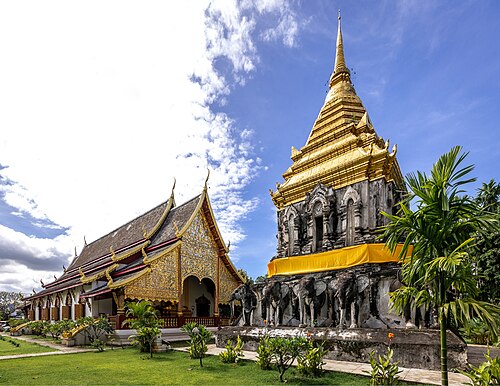
Wat Chedi Luang is a historic Buddhist temple compound in Chiang Mai's old city centre. Its name derives from the massive chedi, or stupa, that dominates the grounds.
Wat Phra Singh is a historic Buddhist temple in Chiang Mai's old city, regarded as one of the most significant religious sites in northern Thailand.
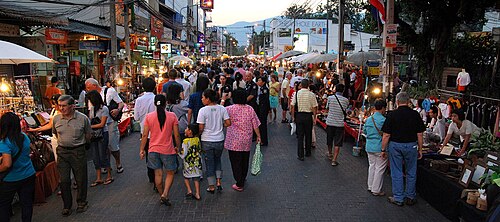
Sunday Walking Street is a weekly evening market that occupies a central thoroughfare in Chiang Mai's historic core. The event transforms Ratchadamnoen Road into a pedestrian-only zone where vendors assemble temporary stalls.
Wat Chiang Man is a Buddhist temple in Chiang Mai, northern Thailand. It holds significance as reputedly the oldest temple in the city, founded during the establishment of Chiang Mai as the capital of the Lanna Kingdom.
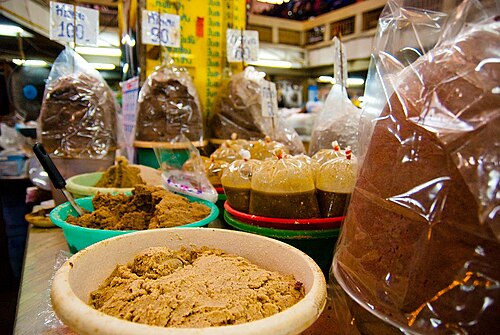
Warorot Market, known locally by the same name, is a prominent trading venue in Chiang Mai, northern Thailand.
Wat Pha Lat is a Buddhist temple situated in the forested hills west of Chiang Mai city proper. The temple occupies a hillside position along the route toward Doi Suthep, the more famous mountain-top temple complex.
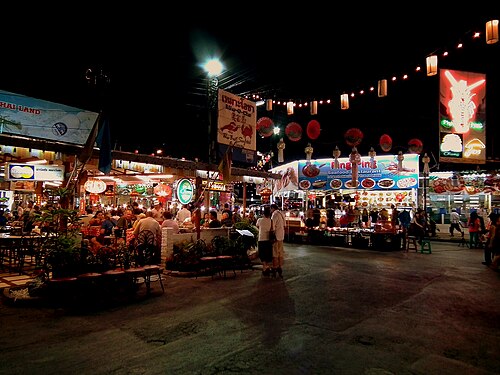
The Chiang Mai Night Bazaar is an evening market and commercial district occupying a stretch of Chang Klan Road in central Chiang Mai.
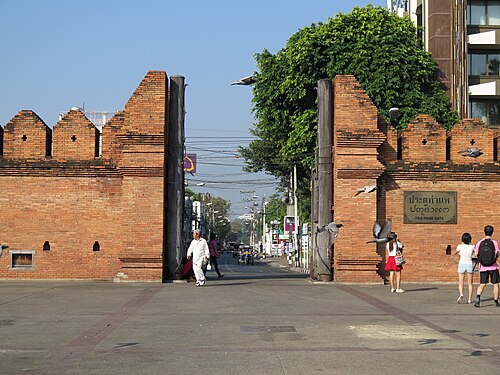
Tha Phae Gate is a historic city gate situated at the eastern edge of Chiang Mai's old city moat and wall system. It stands as one of the most recognizable landmarks in northern Thailand's largest city.
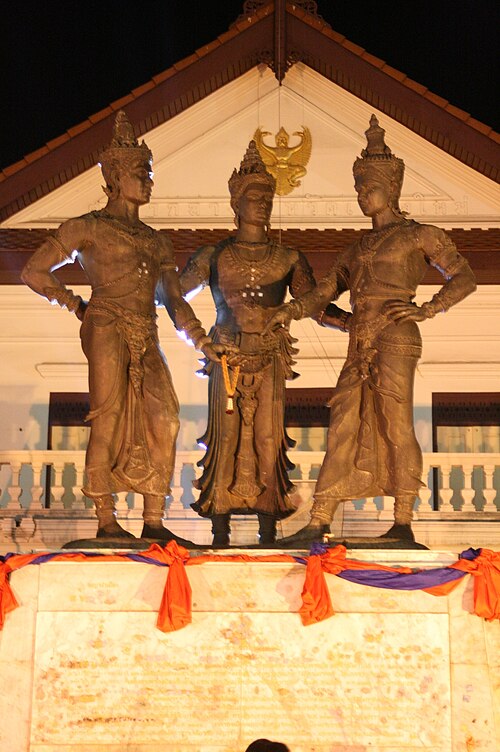
The Three Kings Monument stands as a prominent landmark in central Chiang Mai, commemorating the three kings who were instrumental in the city's founding and historical development.
The Lanna Folklife Museum is a cultural institution in Chiang Mai dedicated to preserving and presenting the heritage of the Lanna Kingdom, which once ruled northern Thailand.
Chiang Mai Historical Centre is a museum facility dedicated to presenting the history and cultural development of Chiang Mai, the largest city in northern Thailand.
Wat Suan Dok is a historic Buddhist temple complex situated in Chiang Mai, northern Thailand. The temple's full name, Wat Suan Dok Monk Chat, reflects its contemporary role as a center for intercultural Buddhist dialogue.
Wat Umong is a historic Buddhist temple situated in the forested foothills west of Chiang Mai's old city. The temple is distinguished by its ancient tunnel complex, from which its name derives, as umong translates to tunnel.
Wat Lok Moli is a historic Buddhist temple situated in Chiang Mai, northern Thailand. The temple holds significance within the city's religious and cultural landscape, forming part of Chiang Mai's extensive heritage of Lanna-period temples.
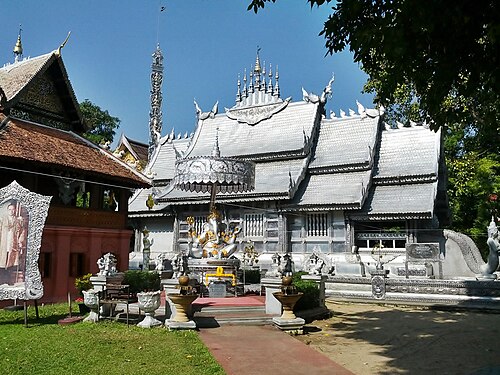
Wat Sri Suphan is a Buddhist temple in Chiang Mai, northern Thailand. The temple is commonly known as the Silver Temple due to its distinctive silver-colored exterior decoration.
Wat Inthakhin Sadue Mueang is a Buddhist temple in Chiang Mai, northern Thailand. Its name references the city pillar, indicating historical significance in local urban foundation traditions.
Wat Chet Yot is a Buddhist temple in Chiang Mai, northern Thailand. The temple is known for its distinctive architectural style that reflects influences from multiple periods and regions.
Wat Mahawan is a Buddhist temple in Chiang Mai, northern Thailand. It sits within the historical fabric of the old city, an area dense with religious sites accumulated across centuries of Lanna kingdom and subsequent periods.
Wat Buppharam is a Buddhist temple in Chiang Mai, northern Thailand. It sits within the historic city area, reflecting the region's deep Theravada Buddhist heritage.
Wat Saen Fang is a Buddhist temple in Chiang Mai, northern Thailand. The temple sits within the historical and cultural fabric of the city, which served as the capital of the Lanna Kingdom.
Wat Ket Karam is a Buddhist temple in Chiang Mai, northern Thailand. Situated east of the old city centre near the Ping River, it belongs to the broader constellation of historic wats that define Chiang Mai's cultural landscape.
Wat Chai Mongkhon is a Buddhist temple in Chiang Mai, northern Thailand. It stands as one of numerous religious sites contributing to the city's renowned temple heritage.
Wat Loi Kroh is a Buddhist temple situated in Chiang Mai, northern Thailand. The temple occupies a position along Loi Kroh Road, a thoroughfare known for its concentration of visitor-oriented businesses in the central city area.
Wat Muen San is a Buddhist temple situated in Chiang Mai, the largest city in northern Thailand.
Wat Phan On is a Buddhist temple situated in Chiang Mai, northern Thailand. The temple occupies a location within the old city area, placing it among the numerous religious sites that contribute to Chiang Mai's historical and cultural character.
Wat Tung Yu is a Buddhist temple in Chiang Mai, northern Thailand. It stands as one of numerous historic temples dotting the old city and surrounding areas, reflecting the region's deep Lanna heritage.
Wat Prasat is a Buddhist temple in Chiang Mai, northern Thailand. It represents a meaningful visitor landmark retained within the breadth-first top 100 notable sites for the city, though production systems lack a precise city POI pool for exact matching.
Wat Chiang Yuen is a historic Buddhist temple in Chiang Mai, northern Thailand. It stands as one of the city's meaningful visitor landmarks, recognized within the breadth-first top 100 attractions.
Wat Ku Tao is a Buddhist temple in Chiang Mai, northern Thailand. Its name translates to Watermelon Temple, referencing the distinctive hemispherical chedi resembling stacked watermelons.
Wat Pa Pao is a Buddhist temple in Chiang Mai, northern Thailand. It stands as one of the notable religious sites within the historic city, which served as the capital of the Lanna Kingdom.
Chiang Mai National Museum stands as a significant cultural institution in northern Thailand's principal city. Established to preserve and present the region's heritage, the museum occupies a substantial site within the urban area.
The Highland People Discovery Museum is a cultural institution in Chiang Mai dedicated to the ethnography of Thailand's northern hill tribes.
The Museum of World Insects and Natural Wonders is a specialized museum in Chiang Mai, northern Thailand. It was established by Dr. Rampa Rattanarithikul, a Thai entomologist, and her husband Manop Rattanarithikul.
The Lanna Traditional House Museum is a cultural heritage site in Chiang Mai, northern Thailand, dedicated to preserving and showcasing traditional Lanna architecture and domestic life.
Chiang Mai University is a public research university in northern Thailand, established as the first provincial university in the country.
Ang Kaew Reservoir is a water body situated within the Chiang Mai University campus in northern Thailand. The reservoir serves functional purposes for the university while also functioning as a visitor landmark in the city.
Bhubing Palace is a royal residence situated on Doi Suthep mountain in Chiang Mai province, northern Thailand. The palace serves as a winter retreat for the Thai royal family when visiting the region.
Doi Suthep-Pui National Park is a protected area northwest of Chiang Mai city in northern Thailand. The park encompasses mountainous terrain including Doi Suthep and Doi Pui peaks, forming part of the Thanon Thong Chai Range.
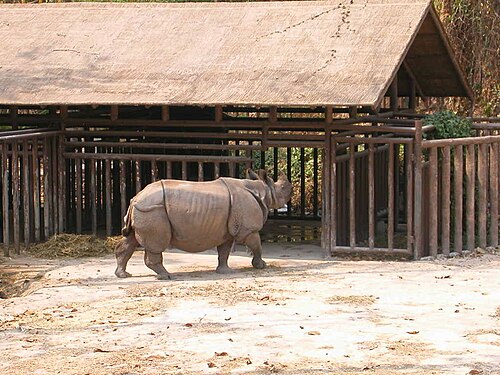
Chiang Mai Zoo is a zoological park located in the northern Thai city of Chiang Mai. Situated on the lower slopes of Doi Suthep mountain, the zoo occupies a substantial hillside area within the city limits.
Chiang Mai Night Safari is a nocturnal zoo and visitor attraction on the outskirts of Chiang Mai in northern Thailand. The facility operates after dark, allowing guests to observe animals in conditions approximating their natural nighttime habitats.
Royal Park Rajapruek is a large botanical garden and agricultural exposition site located on the outskirts of Chiang Mai in northern Thailand. The park was originally developed for the Royal Flora Ratchaphruek exhibition, an international horticultural event.
Queen Sirikit Botanic Garden is a botanical garden in Chiang Mai Province, northern Thailand. It serves as a major centre for botanical research and plant conservation in the region.
Mae Sa Waterfall is a multi-tiered cascade situated in the Mae Sa Valley area north of Chiang Mai city, within the broader mountainous terrain of northern Thailand.
Ob Khan National Park is a protected natural area located in Chiang Mai Province, northern Thailand. The park encompasses forested mountain terrain, river valleys, and limestone formations characteristic of the region's geography.
Nawarat Bridge spans the Ping River in Chiang Mai, northern Thailand. The bridge serves as a functional river crossing and a recognised visitor landmark within the city's urban fabric.
Khlong Mae Kha is a canal located in Chiang Mai, northern Thailand.
Ton Lam Yai Flower Market is a notable visitor landmark in Chiang Mai, northern Thailand. It functions as a commercial flower trading hub serving the city and surrounding region.
Jing Jai Market is a visitor landmark in Chiang Mai, northern Thailand. The market operates as a commercial gathering space within the city, serving both residents and tourists seeking goods and local products.
One Nimman is a contemporary lifestyle and retail complex situated in the Nimmanhaemin area of Chiang Mai, northern Thailand.
Source: OpenStreetMap contributors, Wikidata ·
The old city sits inside a square moat and walls, with Tha Phae Gate on the eastern side. The Night Bazaar and Ping River lie farther east, while Nimmanhaemin Road and the university district extend west toward Doi Suthep. Major nature destinations, including Doi Inthanon and Mae Kampong, are regional excursions rather than city-centre additions and need their own travel blocks.
Checked 2026-08-26
Walk or cycle short routes inside the old city, then use songthaew, bus, samlor, tuk-tuk, taxi or a licensed vehicle for outer districts and mountain roads. Official Tourism Authority guidance identifies these local options. Doi Suthep and more distant provincial attractions should be planned with confirmed return transport rather than treated as spontaneous extensions of a central walk.
Checked 2026-08-26
A fixed official stay length is not recorded. Separate the old city and markets from Doi Suthep and any full-day provincial nature trip.
Yes. The moated old city is the most practical walking area, with many temples and visitor services inside or near its square boundary.
Official tourism guidance lists songthaew, bus, samlor, tuk-tuk, taxis and rental vehicles. Choose licensed transport appropriate to the route.
No. Doi Suthep rises west of the city and requires road transport; plan it separately from an old-city walking circuit.
They are wider Chiang Mai province excursions. The official tourism guide presents them as nature and community destinations beyond the central city.
Set your days, your pace and the hours you actually want to be out. The planner works around closing days and travel time, and leaves room to eat.