


7 min walk
Wat Chet Yot
- Must see · Heritage site
- Place of worship
Language · 1 published
Museum · Chiang Mai
พิพิธภัณฑ์แห่งชาติ จังหวัดเชียงใหม่
| Monday | Closed |
|---|---|
| Tuesday | Closed |
| Wednesday | 09:00 – 16:00 |
| Thursday | 09:00 – 16:00 |
| Friday | 09:00 – 16:00 |
| Saturday | 09:00 – 16:00 |
| Sunday | 09:00 – 16:00 |
Parsed from OpenStreetMap opening hours on 2026-08-26.
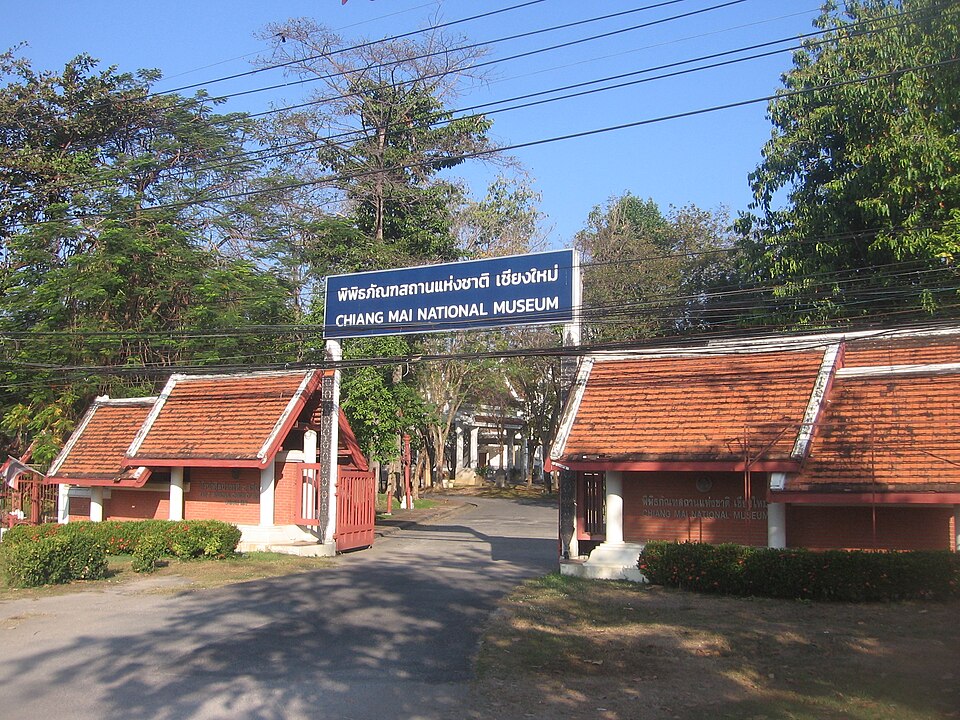
Chiang Mai National Museum stands as a significant cultural institution in northern Thailand's principal city. Established to preserve and present the region's heritage, the museum occupies a substantial site within the urban area. It serves as a primary repository for Lanna Kingdom artifacts and related historical materials. The facility represents an important visitor landmark for those seeking understanding of Chiang Mai's development from ancient times through successive political and social transformations. Its collections address the area's distinctive identity separate from broader Thai national narratives.
Checked 2026-08-26
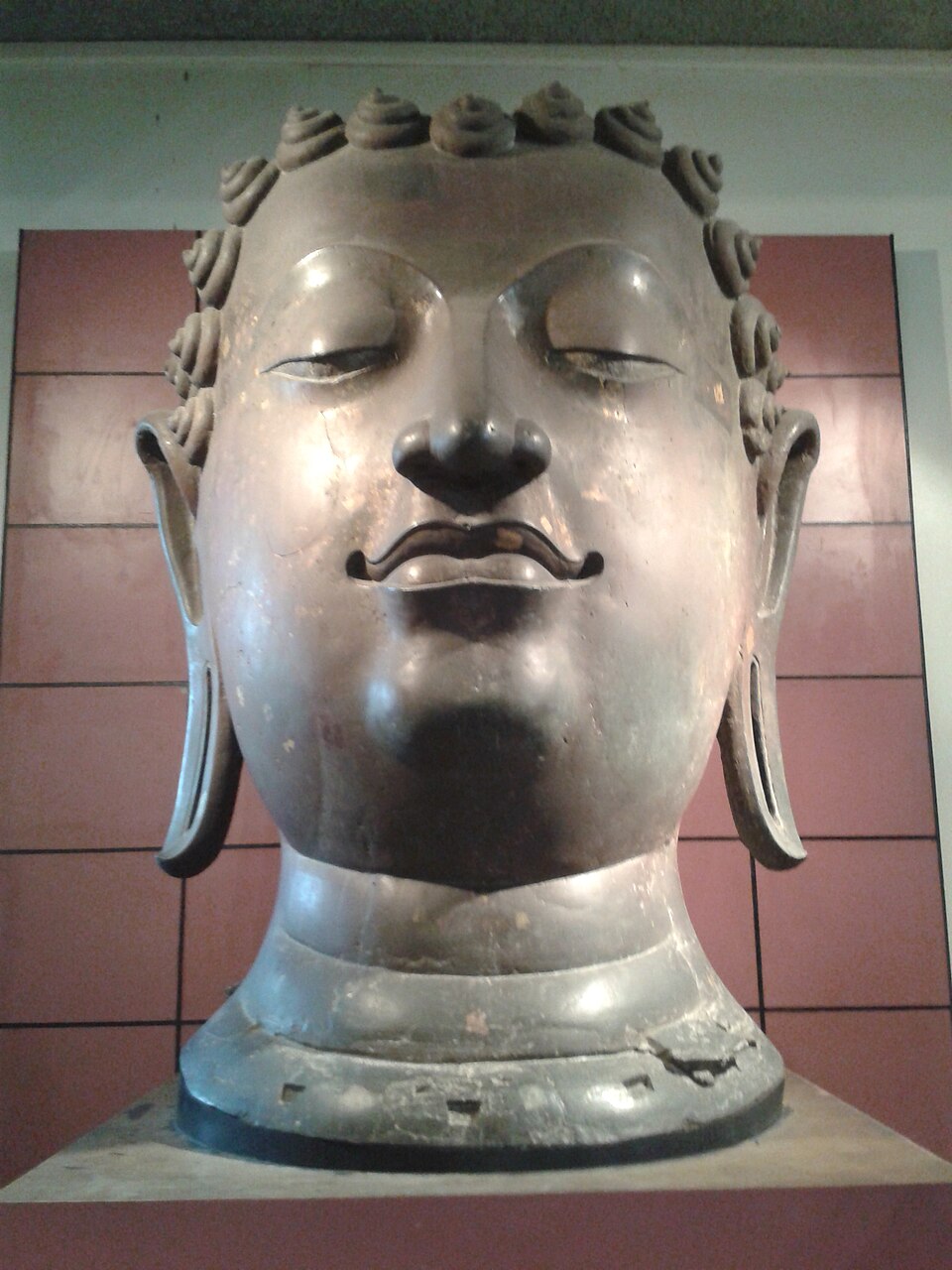
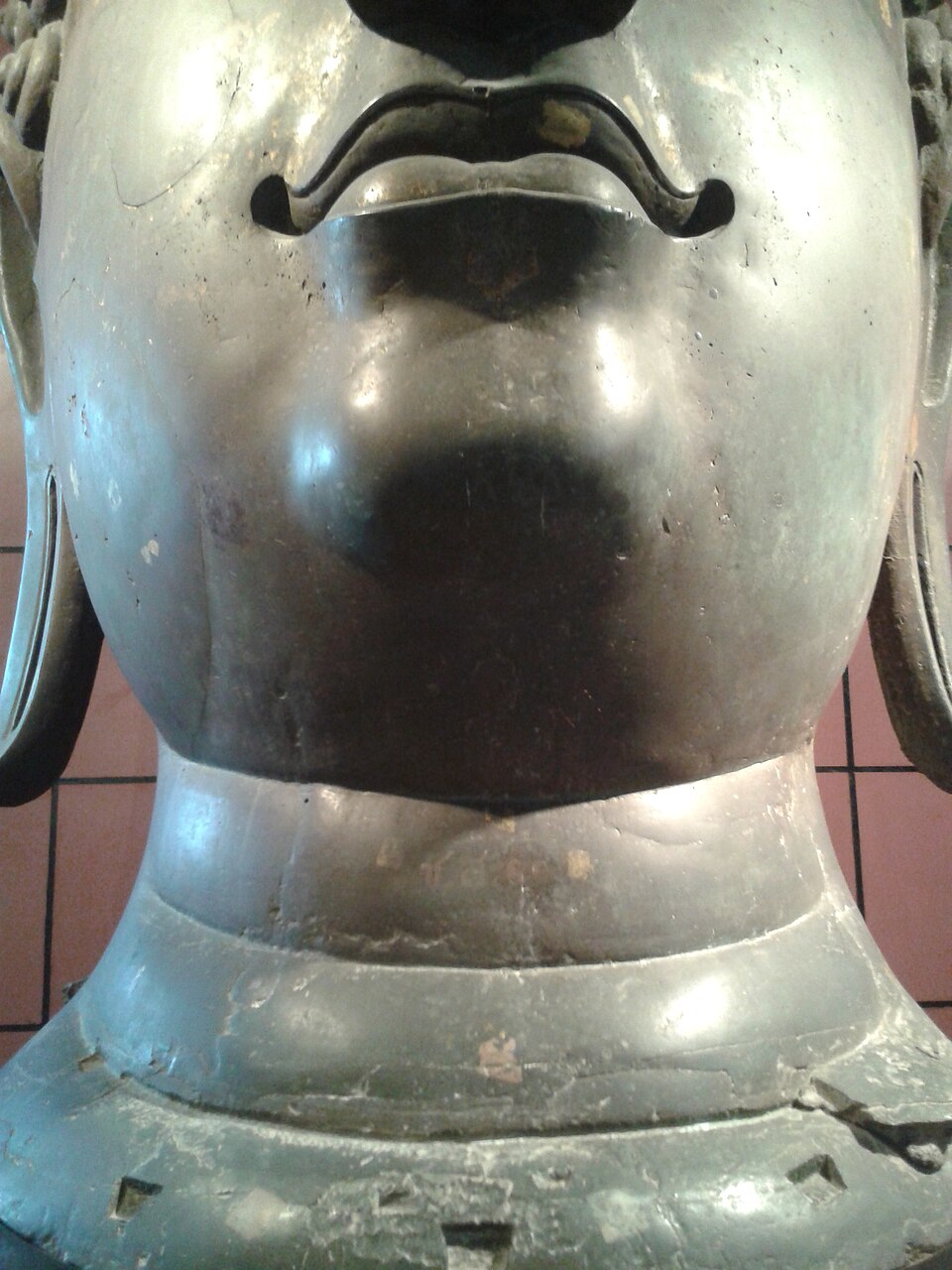
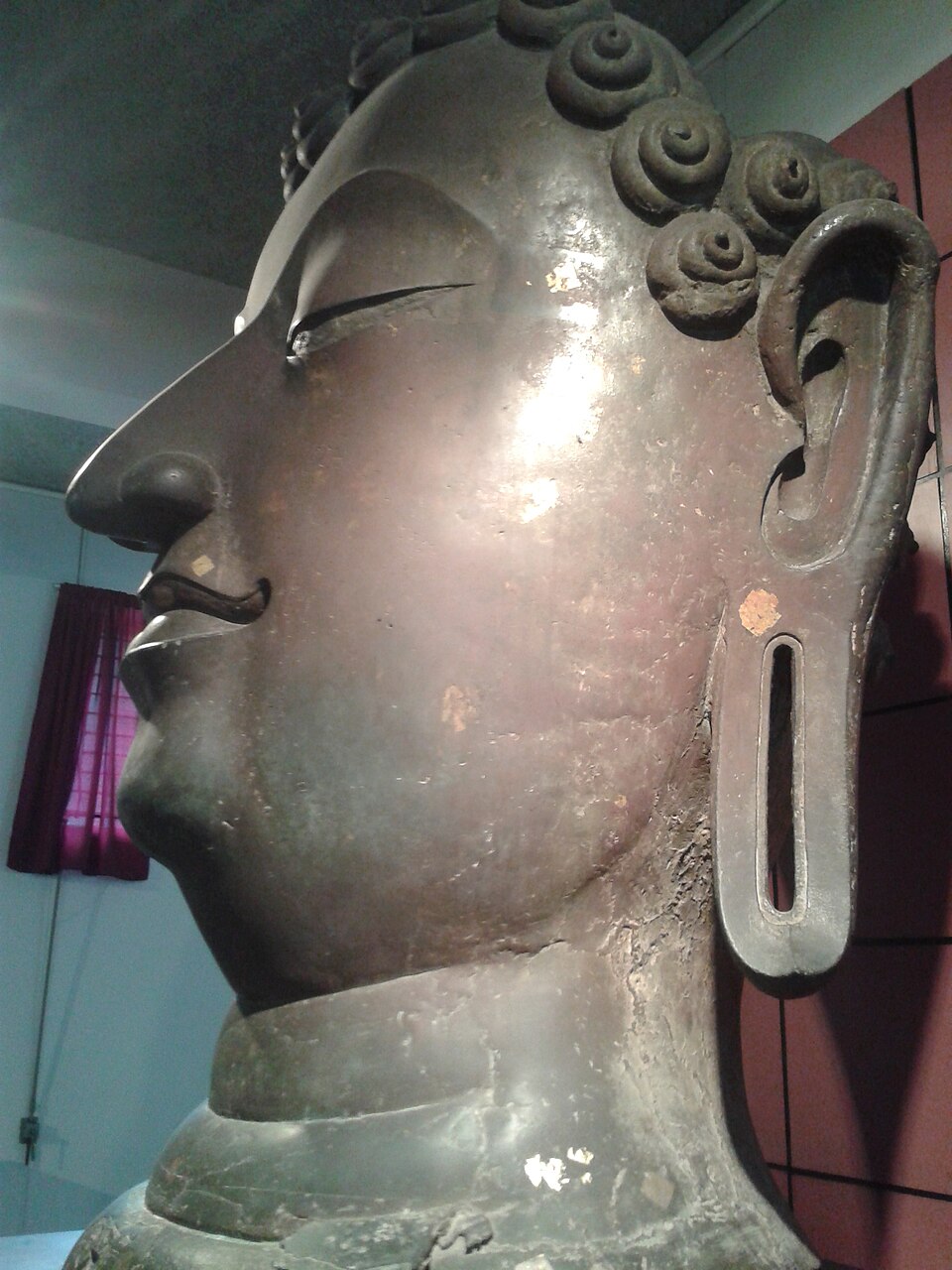
The museum houses exhibitions spanning regional archaeology, ethnology, and history. Displays typically incorporate Buddha images, ceramic works, and items reflecting hill tribe cultures of the surrounding mountainous territory. Textile collections demonstrate traditional weaving techniques and patterns specific to northern communities. Weaponry, agricultural implements, and domestic objects illustrate daily life across historical periods. Thematic arrangements generally proceed chronologically, permitting visitors to trace settlement patterns, religious development, and trade relationships that shaped the Lanna cultural sphere and its subsequent integration. Chiang Mai National Museum also earns time in a chiang mai itinerary because A meaningful chiang mai visitor landmark retained in the breadth-first top 100; production has no city POI pool for an exact match. Its value becomes clearer when the stop is compared with the surrounding streets and the other ranked places nearby.
Checked 2026-08-26
Visitors commonly allocate approximately ninety minutes to two hours for a meaningful examination of principal galleries. Those with specialized interest in Lanna art history or ethnographic materials may extend this duration substantially. The physical layout requires moderate walking between display areas. Audio or guided components, if available, would affect pacing. Self-directed exploration permits individual prioritization of exhibits. Comprehensive reading of interpretive materials extends visit length considerably. Casual observers might complete a circuit more quickly, though superficial engagement would diminish educational value.
Checked 2026-08-26
Operator-confirmed hours are Not recorded pending review. Visitors should independently verify current opening schedules before planning attendance. Seasonal considerations for Chiang Mai generally include the cooler dry period from November through February, when humidity diminishes and temperatures moderate. This interval attracts increased tourist presence. The hot season preceding monsoon rains may prove uncomfortable for extended indoor exploration without adequate climate control verification. Rainy season months present reduced crowding though transportation complications may arise. Morning visits potentially offer quieter conditions regardless of season.
Checked 2026-08-26
Operator-confirmed prices are Not recorded pending review. Admission policies for Thai national museums have historically distinguished between domestic and international visitors, though specific fee structures require direct confirmation. Potential supplementary charges may apply for photography permits, special exhibitions, or audio equipment rental. Group arrangements sometimes modify individual costs. Currency and payment methods accepted at entry should be verified in advance. Budget-conscious travelers might investigate whether combination tickets exist linking this institution with other regional cultural sites, though such programs are not confirmed here.
Checked 2026-08-26
The museum occupies a location accessible from Chiang Mai's central areas. Songthaew shared taxis represent common transportation mode, requiring negotiation or meter agreement. Tuk-tuk three-wheeled vehicles serve shorter journeys though costs vary by bargaining outcome. Motorcycle taxi services operate for individual passengers. Rented motorbikes or bicycles provide independent mobility for licensed operators comfortable with local traffic patterns. Ride-hailing applications function in urban Chiang Mai with variable availability. Walking from nearby accommodations remains feasible for centrally situated visitors. Specific route planning depends on origin point within the city.
Checked 2026-08-26
Exhibit preservation requirements may restrict certain behaviors; visitors should observe posted regulations regarding proximity to displayed objects. Climate control effectiveness varies across institutional spaces in tropical environments, suggesting preparation for temperature transitions between exterior and interior conditions. Footwear conventions may apply at specific locations within the complex. Crowding during peak tourist intervals potentially impedes movement and viewing. Language limitations in interpretive materials might necessitate patience or supplementary research. Personal belongings security warrants attention in any public facility. Respectful demeanor aligns with Thai cultural expectations at sites holding religious significance.
Checked 2026-08-26
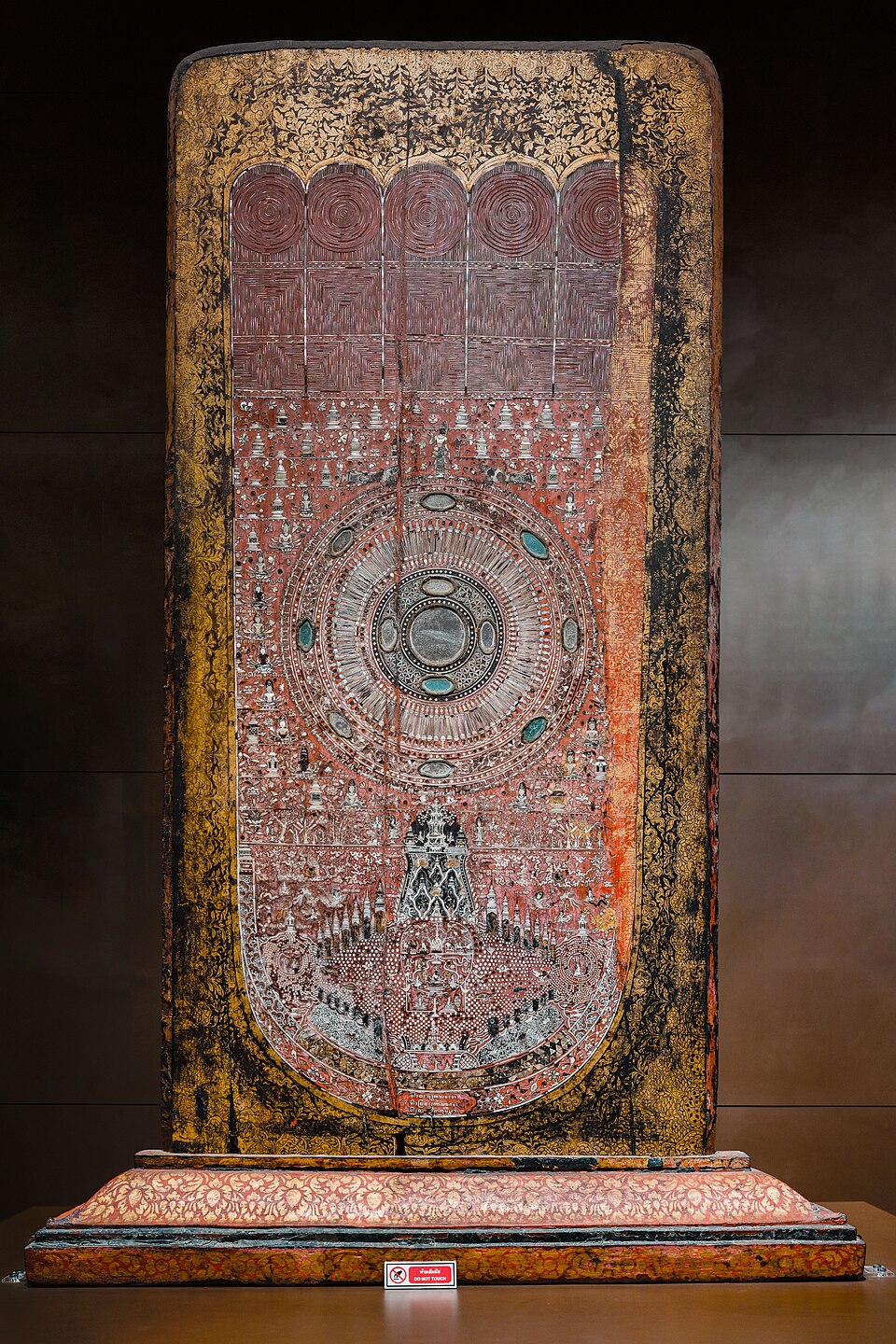
Photographic policies within museum environments typically balance documentation desire with conservation imperatives and intellectual property considerations. Flash photography commonly faces prohibition due to cumulative light damage to sensitive materials. Tripod usage usually requires advance authorization. Specific galleries may impose complete image capture restrictions. Visitors should seek clarification at entry rather than assume permissibility. Non-flash photography of general architecture and permitted exhibits generally encounters fewer objections. Commercial or publication-oriented image use demands formal permission processes. Mobile telephone capture may face different treatment than dedicated camera equipment. Compliance with posted instructions preserves institutional relationships.
Checked 2026-08-26
The museum addresses historical and cultural themes that may engage school-age children with preparatory context. Younger visitors might find traditional exhibition formats less stimulating than interactive alternatives. Family discretion advised based on individual child interests and attention capacity.
Major national museums in Thailand typically provide some English labeling and documentation, though completeness varies. Audio guides in multiple languages may be offered. Visitors with specific accessibility requirements should contact the institution directly before visiting.
On-site dining provisions are not confirmed. The surrounding Chiang Mai urban area contains numerous food establishments. Visitors might plan refreshment before or after their museum visit, or carry appropriate snacks if institutional policy permits.
Physical accessibility features including ramps, elevators, and adapted restrooms require direct verification. Older institutional buildings in the region sometimes present challenges. Prospective visitors with mobility considerations should inquire specifically about current accommodations.
This institution emphasizes comprehensive regional history through curated collections. Other sites such as temples or specialized museums address different aspects. Visitors seeking breadth of understanding benefit from multiple venue attendance rather than single-location expectation.
Formal guided tour schedules and languages offered are not recorded. Some institutions provide scheduled tours or permit advance arrangement for groups. Independent exploration remains standard default. Visitor inquiry upon arrival or through advance contact recommended.
Loading the interactive map…
The interactive map could not be loaded.
Last updated:
Source: OpenStreetMap contributors, Wikidata ·