
_%E0%B8%A7%E0%B8%B1%E0%B8%94%E0%B9%80%E0%B8%88%E0%B8%94%E0%B8%B5%E0%B8%A2%E0%B9%8C%E0%B8%AB%E0%B8%A5%E0%B8%A7%E0%B8%87%E0%B8%A7%E0%B8%A3%E0%B8%A7%E0%B8%B4%E0%B8%AB%E0%B8%B2%E0%B8%A3_%E0%B8%AD.%E0%B9%80%E0%B8%A1%E0%B8%B7%E0%B8%AD%E0%B8%87_%E0%B8%88.%E0%B9%80%E0%B8%8A%E0%B8%B5%E0%B8%A2%E0%B8%87%E0%B9%83%E0%B8%AB%E0%B8%A1%E0%B9%88_(1).jpg)
_%E0%B8%A7%E0%B8%B1%E0%B8%94%E0%B9%80%E0%B8%88%E0%B8%94%E0%B8%B5%E0%B8%A2%E0%B9%8C%E0%B8%AB%E0%B8%A5%E0%B8%A7%E0%B8%87%E0%B8%A7%E0%B8%A3%E0%B8%A7%E0%B8%B4%E0%B8%AB%E0%B8%B2%E0%B8%A3_%E0%B8%AD.%E0%B9%80%E0%B8%A1%E0%B8%B7%E0%B8%AD%E0%B8%87_%E0%B8%88.%E0%B9%80%E0%B8%8A%E0%B8%B5%E0%B8%A2%E0%B8%87%E0%B9%83%E0%B8%AB%E0%B8%A1%E0%B9%88_(2).jpg)
_%E0%B8%A7%E0%B8%B1%E0%B8%94%E0%B9%80%E0%B8%88%E0%B8%94%E0%B8%B5%E0%B8%A2%E0%B9%8C%E0%B8%AB%E0%B8%A5%E0%B8%A7%E0%B8%87%E0%B8%A7%E0%B8%A3%E0%B8%A7%E0%B8%B4%E0%B8%AB%E0%B8%B2%E0%B8%A3_%E0%B8%AD.%E0%B9%80%E0%B8%A1%E0%B8%B7%E0%B8%AD%E0%B8%87_%E0%B8%88.%E0%B9%80%E0%B8%8A%E0%B8%B5%E0%B8%A2%E0%B8%87%E0%B9%83%E0%B8%AB%E0%B8%A1%E0%B9%88_(3).jpg)
_%E0%B8%A7%E0%B8%B1%E0%B8%94%E0%B9%80%E0%B8%88%E0%B8%94%E0%B8%B5%E0%B8%A2%E0%B9%8C%E0%B8%AB%E0%B8%A5%E0%B8%A7%E0%B8%87%E0%B8%A7%E0%B8%A3%E0%B8%A7%E0%B8%B4%E0%B8%AB%E0%B8%B2%E0%B8%A3_%E0%B8%AD.%E0%B9%80%E0%B8%A1%E0%B8%B7%E0%B8%AD%E0%B8%87_%E0%B8%88.%E0%B9%80%E0%B8%8A%E0%B8%B5%E0%B8%A2%E0%B8%87%E0%B9%83%E0%B8%AB%E0%B8%A1%E0%B9%88_(4).jpg)
_%E0%B8%A7%E0%B8%B1%E0%B8%94%E0%B9%80%E0%B8%88%E0%B8%94%E0%B8%B5%E0%B8%A2%E0%B9%8C%E0%B8%AB%E0%B8%A5%E0%B8%A7%E0%B8%87%E0%B8%A7%E0%B8%A3%E0%B8%A7%E0%B8%B4%E0%B8%AB%E0%B8%B2%E0%B8%A3_%E0%B8%AD.%E0%B9%80%E0%B8%A1%E0%B8%B7%E0%B8%AD%E0%B8%87_%E0%B8%88.%E0%B9%80%E0%B8%8A%E0%B8%B5%E0%B8%A2%E0%B8%87%E0%B9%83%E0%B8%AB%E0%B8%A1%E0%B9%88_(5).jpg)
5 min walk
Wat Tung Yu
- Must see
- Place of worship
Language · 1 published
Place of worship · Chiang Mai
วัดเจดีย์หลวงวรวิหาร
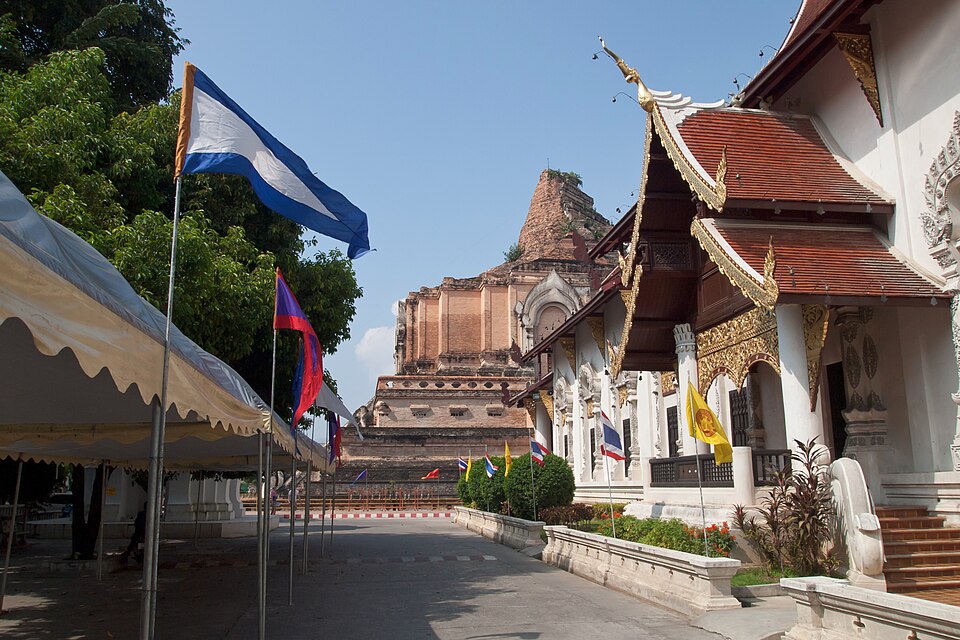
Wat Chedi Luang is a historic Buddhist temple compound in Chiang Mai's old city centre. Its name derives from the massive chedi, or stupa, that dominates the grounds. The temple dates to the Lanna period and served as a major religious centre. The chedi was damaged by an earthquake centuries ago and never fully restored to its original height. The temple remains an active place of worship with resident monks. Visitors should observe respectful conduct throughout the compound. The site holds significance for both religious practice and historical study of northern Thai architecture and culture.
Checked 2026-08-26
The compound contains the partially ruined central chedi, several viharns, and various subsidiary structures. The main chedi displays characteristic Lanna design with elephant sculptures at its base. A city pillar shrine is present within the grounds. Multiple Buddha images occupy the viharns, including notable seated and standing figures. The temple grounds include open spaces between structures. Some buildings have undergone restoration over time. Monk quarters and administrative buildings occupy peripheral areas. The mix of ruined and maintained elements creates a varied visual experience. Visitors can circumambulate the chedi on designated pathways.
Checked 2026-08-26
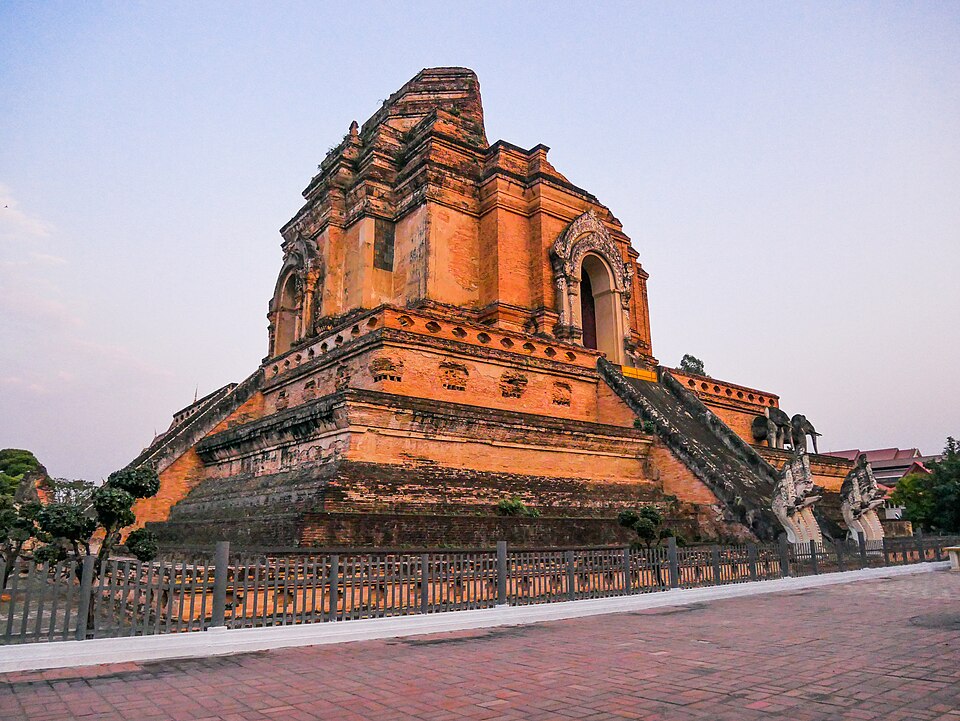
Most visitors spend approximately one hour exploring the temple compound. Those with particular interest in Buddhist art and architecture may require additional time. The chedi itself demands attention from multiple angles. Photography and quiet observation extend typical visits. The compound's size permits thorough coverage without excessive walking. Combining this temple with nearby old city attractions creates a fuller itinerary. Morning visits may coincide with monk activities. Afternoon light affects photography conditions. Individual pacing varies considerably based on prior temple experience and specific interests. Rushed visits sacrifice appreciation of architectural details.
Checked 2026-08-26
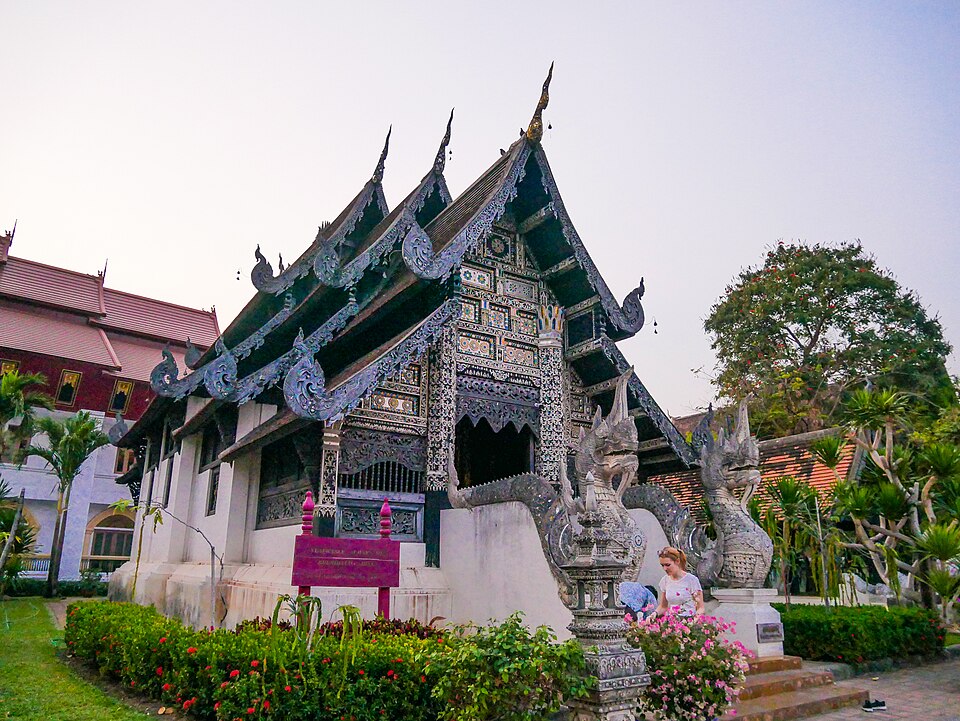
Operator-confirmed hours are Not recorded pending review. Visitors should verify current opening times before planning their visit. Early morning typically offers cooler temperatures and softer light for observation. Midday brings stronger sunlight and potentially greater heat. Late afternoon provides transitional lighting conditions. Religious observances may affect accessibility of certain areas. Seasonal weather patterns in Chiang Mai include a rainy period that influences outdoor comfort. Weekends and Buddhist holidays may see increased visitor numbers or altered activity patterns. Local consultation regarding current conditions is advisable. The temple functions throughout the year as an active religious site.
Checked 2026-08-26
Operator-confirmed prices are Not recorded pending review. Visitors should verify current admission arrangements before arrival. Some Thai temples request donations rather than fixed fees. Foreign visitors may encounter different expectations than Thai nationals. Small contributions support temple maintenance. Cash preparation in appropriate denominations is prudent. Group arrangements may differ from individual visits. Certain special areas or ceremonies might involve separate considerations. Budget flexibility accommodates varying practices. Official information sources or direct temple contact provides authoritative guidance. Financial expectations change over time and should not be assumed from outdated references.
Checked 2026-08-26
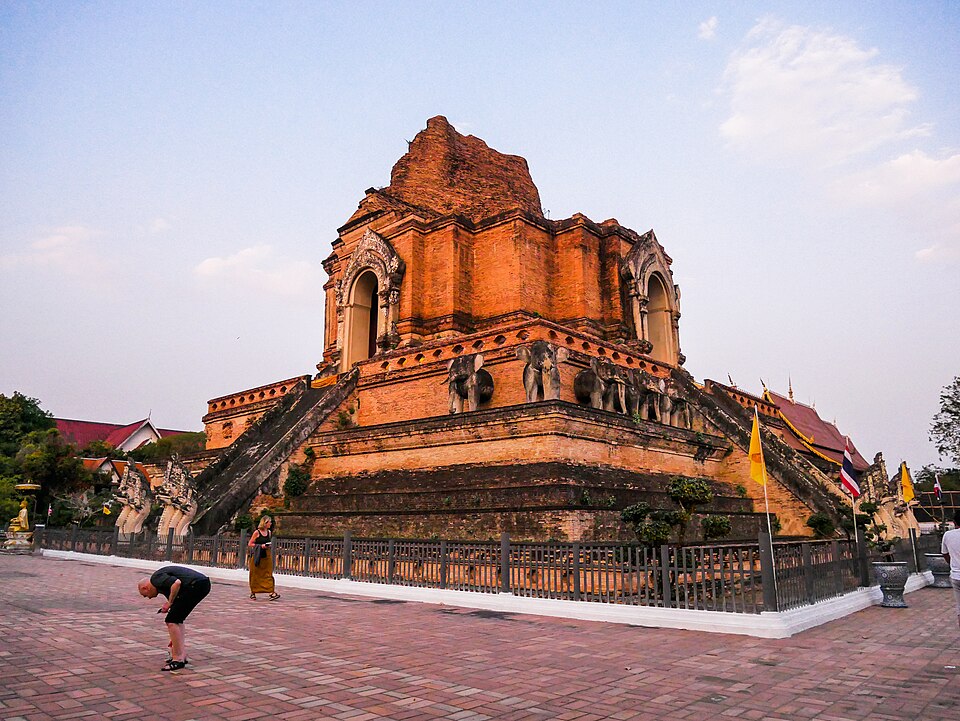
Wat Chedi Luang sits within Chiang Mai's moated old city area. Multiple access points exist from surrounding streets. Walking proves practical for those staying in the old city. Songthaews, the red shared taxis, serve this central district. Tuk-tuks negotiate individual fares. Bicycle rental offers independent mobility. Motorbike taxis provide quick point-to-point service. The location's centrality simplifies integration with broader Chiang Mai exploration. Signage in the old city assists pedestrian navigation. Digital mapping tools identify the precise position. Traffic patterns vary by time of day. Allowance for orientation time benefits first-time visitors to the area.
Checked 2026-08-26
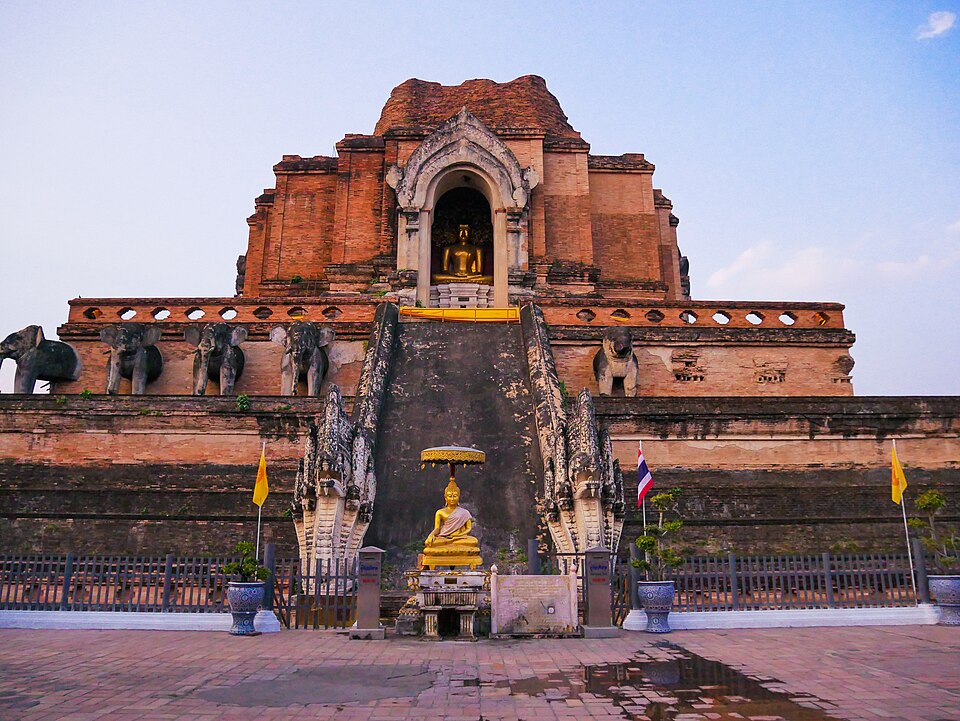
Active worship requires visitor restraint in behaviour and volume. Shoulders and knees should be covered as a standard temple courtesy. Footwear removal precedes entry to buildings. The chedi's stone surfaces may prove uneven underfoot. Sun exposure affects much of the compound with limited shade. Water availability for personal hydration warrants consideration. Some areas may be restricted during religious functions. Monk interactions demand appropriate respect. Photography of individuals, especially monks, requires sensitivity. Donation solicitations may occur. Personal belongings security applies as at any tourist destination. Weather protection preparation serves visitor comfort throughout the year.
Checked 2026-08-26
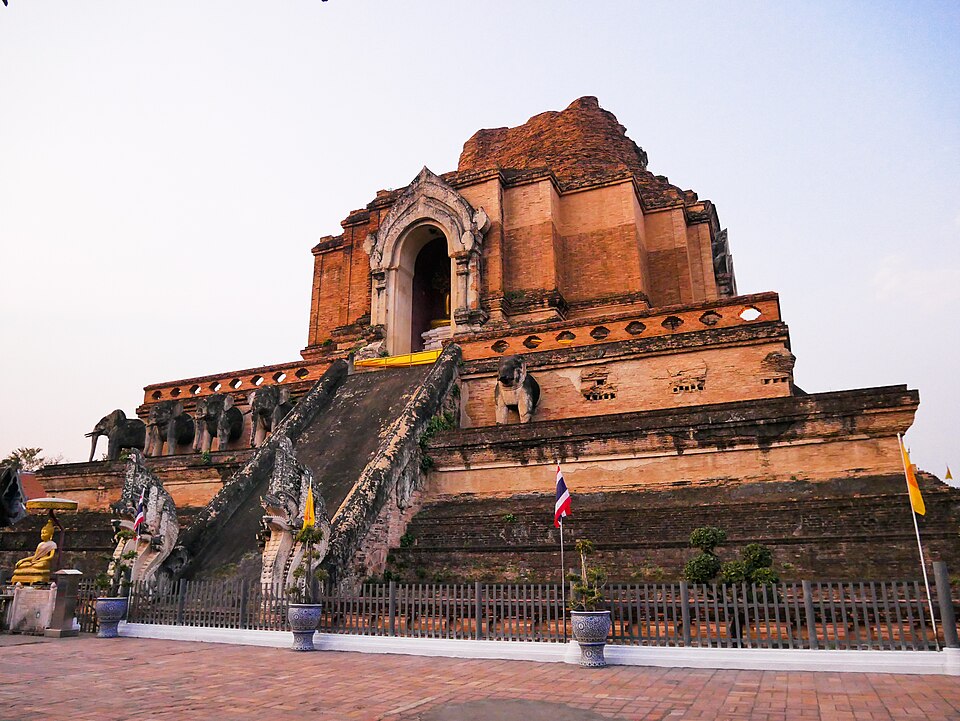
The ruined chedi presents distinctive photographic subjects from varied angles. Morning and late afternoon light enhances texture definition. Wide lenses accommodate the structure's scale. Interior viharn photography may face lighting limitations. Flash use potentially disturbs worshippers. Tripod deployment may attract attention or restriction. Respectful distance from active prayer maintains decorum. The elephant sculptures offer detailed close-up opportunities. Sky conditions dramatically affect overall composition. Human elements, including monks and visitors, require ethical consideration. Commercial or professional photography may need separate permission. Patience rewards those waiting for momentary clear views. Multiple visits capture different atmospheric conditions.
Checked 2026-08-26
Yes, Wat Chedi Luang functions as an active Buddhist temple with resident monks and ongoing religious practice.
The chedi is partially ruined and does not offer interior access; visitors walk around its exterior base.
Visitors should cover shoulders and knees, and remove footwear before entering temple buildings.
No, these are separate temples, both located within Chiang Mai's old city area.
Some interaction may be possible; visitors should approach with respect and awareness of monastic schedules.
Specific program details are Not recorded; visitors may inquire directly at the temple for current offerings.
Loading the interactive map…
The interactive map could not be loaded.
Last updated:
Source: OpenStreetMap contributors, Wikidata ·