
.jpg)
.jpg)
.jpg)
.jpg)
.jpg)
9 min walk
Wat Chiang Yuen
- Must see · Heritage site
- Place of worship
Language · 1 published
Place of worship · Chiang Mai
วัดกู่เต้า
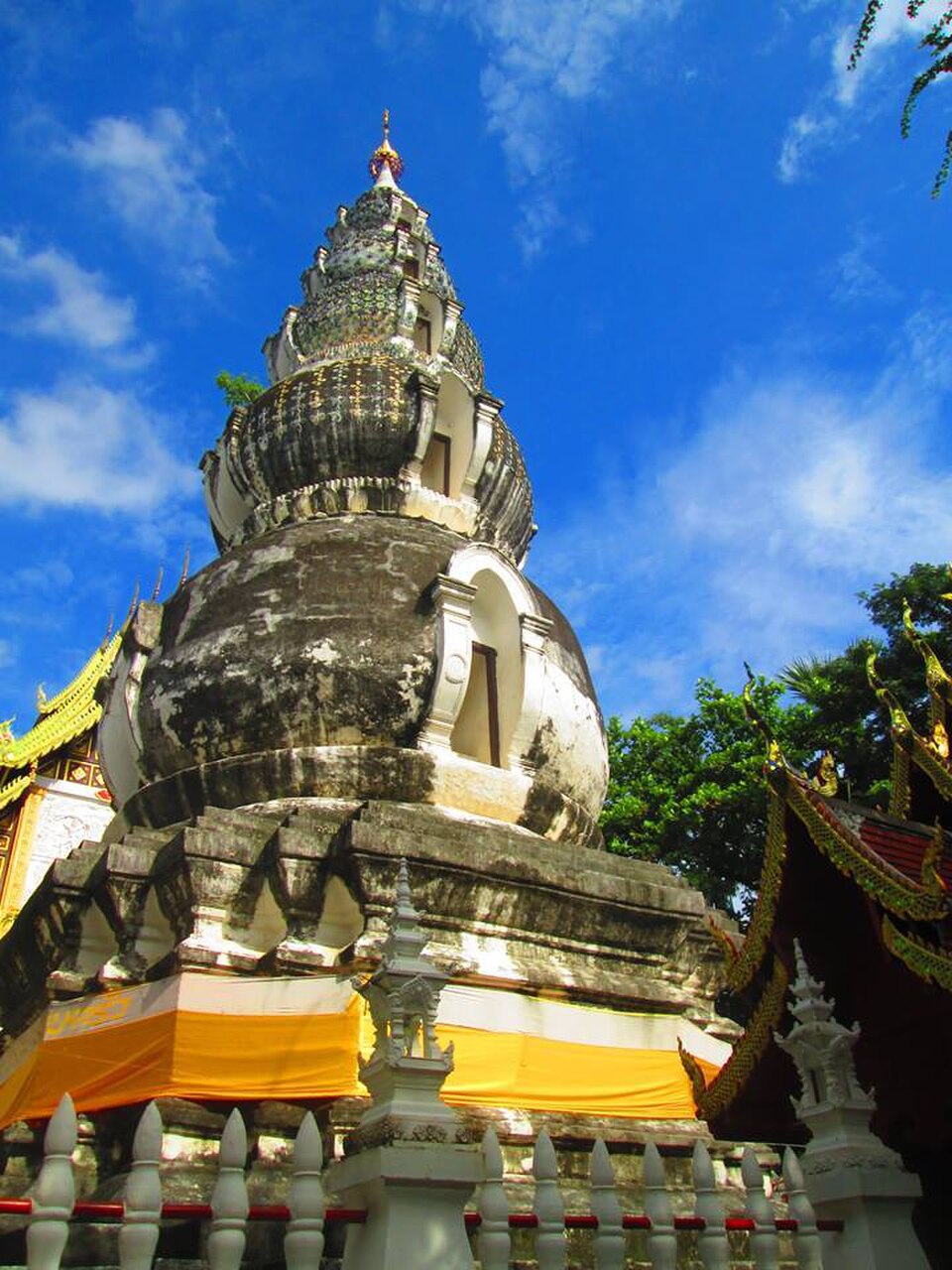
Wat Ku Tao is a Buddhist temple in Chiang Mai, northern Thailand. Its name translates to Watermelon Temple, referencing the distinctive hemispherical chedi resembling stacked watermelons. The temple stands within the historical fabric of Chiang Mai, a city renowned for its Lanna heritage and numerous religious sites. The structure reflects architectural influences that blend local traditions with broader Theravada Buddhist practices. Visitors encounter a site of ongoing religious significance rather than a purely historical monument. The temple contributes to Chiang Mai's reputation as a destination for cultural and spiritual exploration, offering insight into northern Thai Buddhist expression through its physical form and continued monastic use.
Checked 2026-08-26
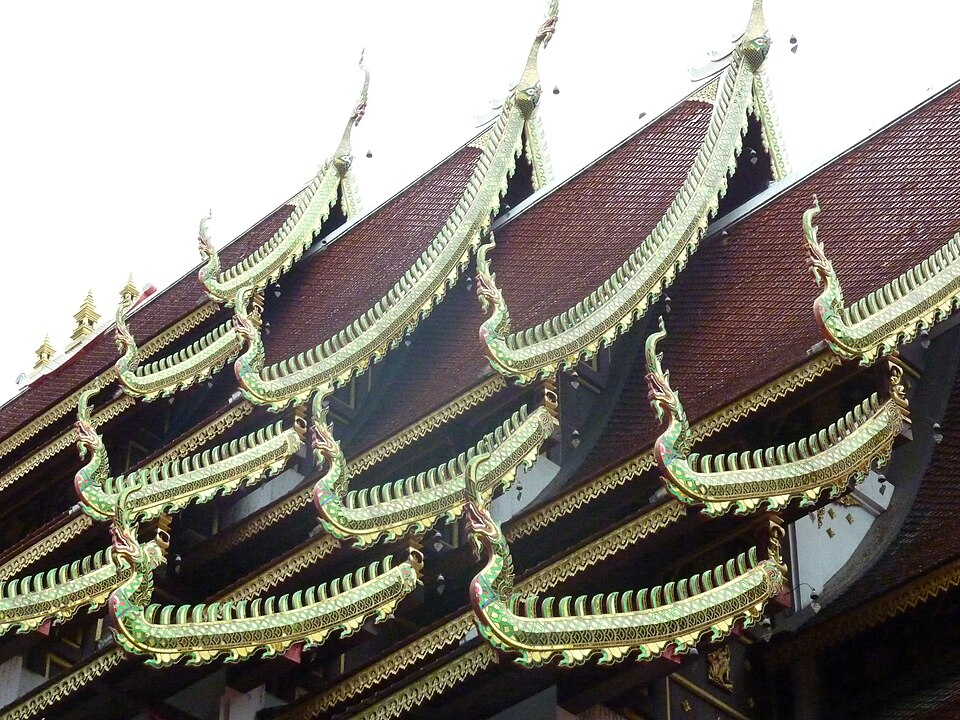
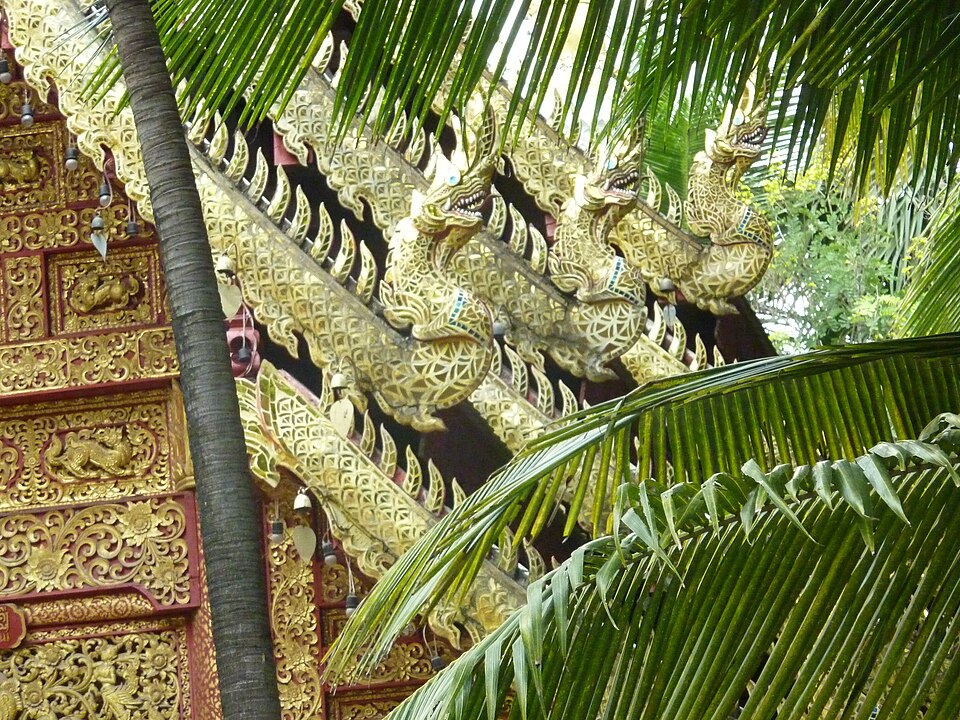
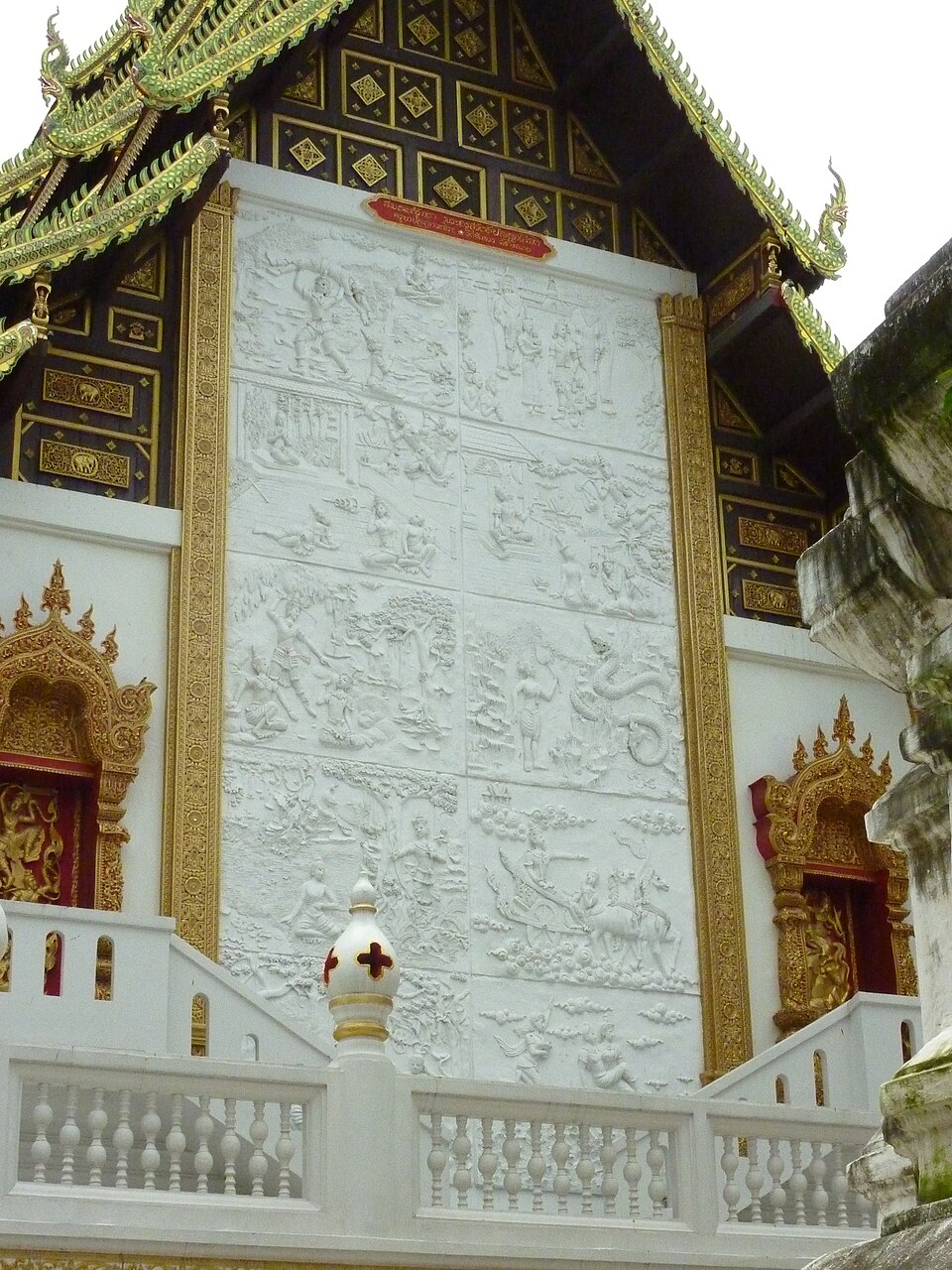
The temple's most notable feature is its unusual chedi with rounded, diminishing tiers that create the watermelon-like silhouette. The compound contains typical temple structures including the viharn and monastic buildings. Decorative elements and religious imagery follow established Buddhist conventions. The chedi's form distinguishes it from more common bell-shaped or prang-style stupas found elsewhere in Thailand. Interior spaces likely contain Buddha images and offerings appropriate to active worship. The architectural peculiarity makes this site memorable among Chiang Mai's numerous temples. Visitors should observe respectfully, noting that functioning religious spaces maintain areas restricted to practitioners. The overall atmosphere combines historical character with present-day devotional practice.
Checked 2026-08-26
A visit to Wat Ku Tao typically requires between thirty minutes and one hour for most travelers. This duration allows adequate time to appreciate the distinctive chedi, observe the temple compound, and absorb the atmosphere without rushing. Those with particular interest in Buddhist architecture or photography may extend their stay slightly. The compact nature of the site prevents lengthy exploration. Visitors often combine this temple with other nearby religious or historical attractions in Chiang Mai's central area. Efficient planning enables multiple site visits within a single morning or afternoon. The modest time investment rewards those seeking architectural variety beyond more famous destinations.
Checked 2026-08-26
Chiang Mai experiences distinct seasonal patterns affecting visitor comfort. The cool dry season from November to February generally offers pleasant conditions for temple exploration. Hot season months bring intense midday heat that may discourage extended outdoor activity. Rainy season precipitation occasionally interrupts travel plans though showers are typically brief. Early morning and late afternoon provide softer light for observation and marginally cooler temperatures. Religious observances and local festivals may enhance or complicate visits depending on visitor preferences. Operator-confirmed hours are Not recorded pending review. Travelers should verify current accessibility before making specific plans, as temple operations may vary without widespread notification.
Checked 2026-08-26
Many Buddhist temples in Thailand do not charge formal admission fees, though voluntary donations support maintenance and monastic activities. Some sites popular with international visitors implement modest entry charges. Wat Ku Tao's specific fee structure reflects its particular management approach. Visitors should carry small denomination currency for potential contributions or incidental offerings. Appropriate dress standards apply regardless of payment requirements, with shoulders and knees covered as customary respect. Operator-confirmed prices are Not recorded pending review. Travelers should not assume free access based on general patterns, as policies change. Current information from on-site signage or local tourism resources provides definitive guidance for budget planning.
Checked 2026-08-26
Wat Ku Tao occupies a location within Chiang Mai's central area accessible by various transportation modes. Songthaew shared trucks constitute common local transport, negotiable for direction or joining existing routes. Tuk-tuk and motorbike taxi services offer direct conveyance with fares requiring advance agreement. Bicycle and motorbike rental provides independent mobility for confident riders navigating Thai traffic conditions. Walking remains feasible from accommodation in the central moat area for those comfortable with tropical conditions and route-finding. Ride-hailing applications increasingly serve Chiang Mai though coverage varies by specific location. The temple's relative obscurity compared to major attractions may require clear destination communication with drivers unfamiliar with its name.
Checked 2026-08-26
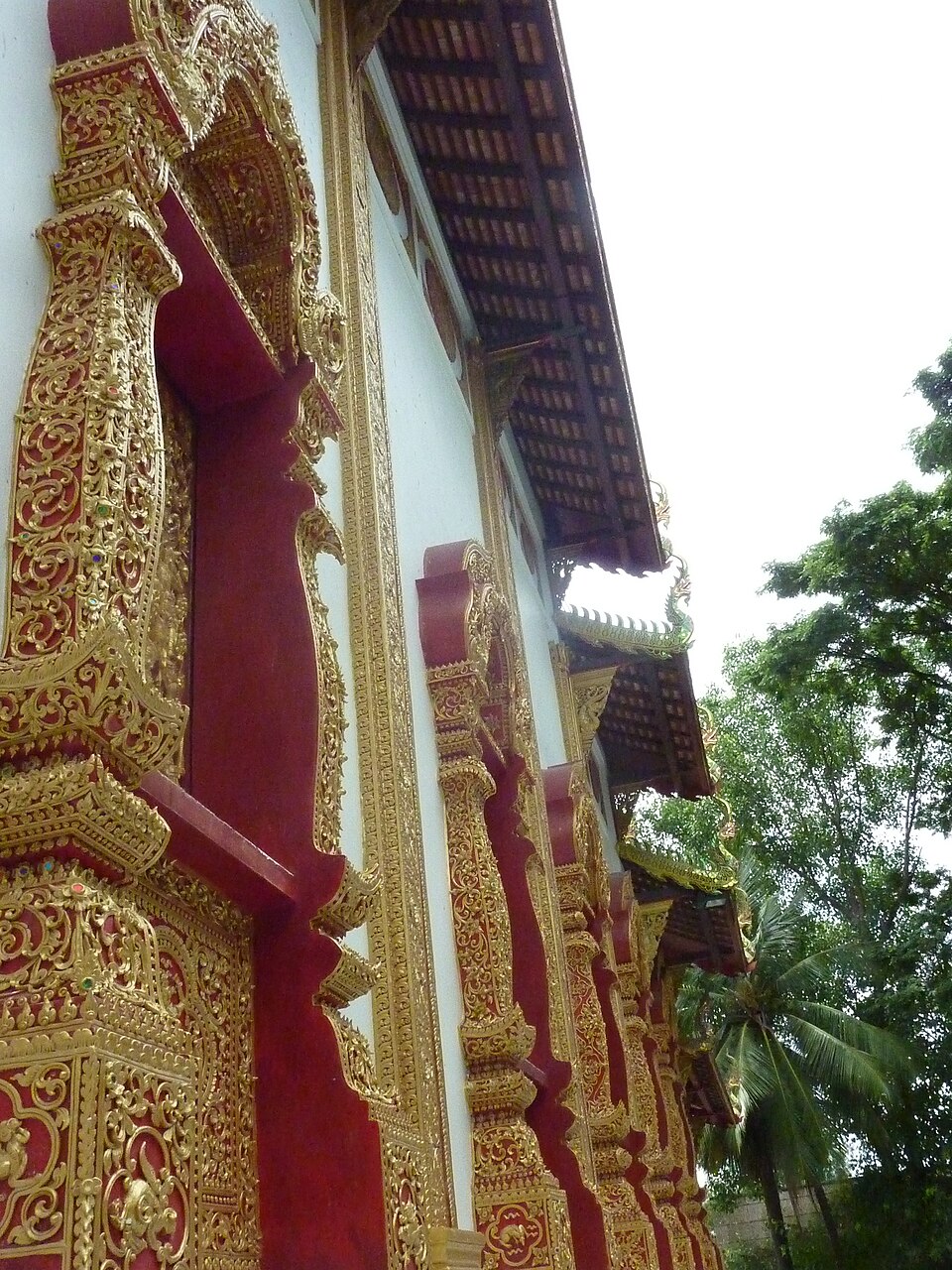
Active temples demand respectful behavior regardless of visitor religious affiliation. Photography restrictions may apply in specific areas; observe signage and local practice before capturing images. Footwear removal precedes entering buildings, with secure placement recommended given shared spaces. Free-roaming dogs occasionally inhabit temple grounds throughout Thailand; maintain calm awareness without direct engagement. Sun exposure and dehydration present genuine health considerations during extended outdoor exploration. Uneven surfaces and steps require attention, particularly in footwear adapted for temple removal. Solicitation by unofficial guides or vendors may occur at religious sites; polite declination suffices. Scams targeting tourists operate in Chiang Mai generally; standard vigilance protects against overcharging or misdirection.
Checked 2026-08-26
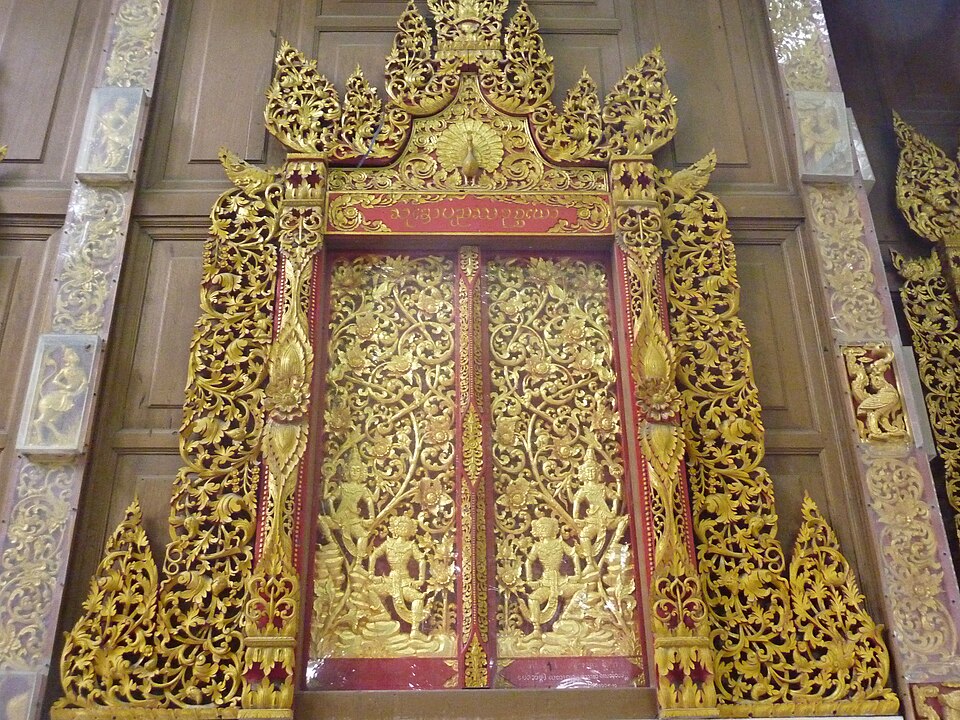
The distinctive watermelon chedi offers compelling photographic subject matter with its unusual silhouette against sky or surrounding vegetation. Natural lighting conditions vary dramatically by time of day and season, affecting image quality and mood. Early morning and golden hour provide warm directional illumination enhancing dimensional form. Overcast conditions reduce harsh shadows and reveal surface texture evenly. Wide-angle lenses accommodate the structure's scale in confined compound space. Respect for worshippers and monks takes precedence over optimal composition; never intrude upon prayer or ceremony for photographic opportunity. Interior photography requires explicit permission where not expressly prohibited. Tripod use may attract restriction or attention in active religious environments.
Checked 2026-08-26
The temple's chedi features unusual hemispherical tiers that diminish upward, creating a form resembling stacked watermelons. This distinguishes it from more common bell-shaped or prang-style stupas throughout Thailand.
Yes, the temple functions as an active Buddhist monastery with ongoing religious practice. Visitors should comport themselves respectfully, observing dress standards and behavioral norms appropriate to functioning religious spaces.
Wat Ku Tao offers architectural peculiarity rather than grandeur or historical prominence. It suits visitors seeking variety beyond major attractions, rewarding those with specific interest in distinctive chedi forms.
Songthaew trucks, tuk-tuks, motorbike taxis, rental vehicles, and walking serve possible access depending on origin point. The temple's relative obscurity may require clear destination communication with drivers.
Operator-confirmed hours are Not recorded pending review. Visitors should verify current accessibility before travel, as temple operations may vary without widespread notification and religious observances occasionally restrict access.
Appropriate temple attire covers shoulders and knees as customary respect in Thai Buddhist contexts. This standard applies regardless of whether formal admission fees are charged.
Loading the interactive map…
The interactive map could not be loaded.
Last updated:
Source: OpenStreetMap contributors, Wikidata ·