National Palace Museum
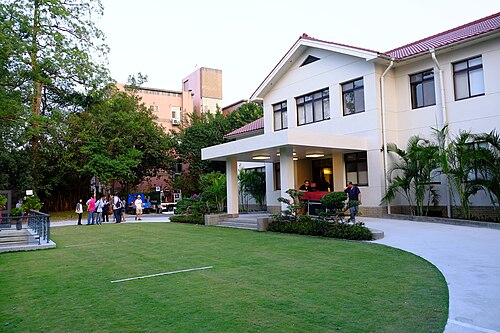
The National Palace Museum is the Taipei museum that presents the former imperial collection through Exhibition Hall I, its main public building in Shilin.
- Must see
- Museum
- Taipei
Language · 11 published
Country guide
Taiwan is 394 km long and 144 km wide, and mountains take the eastern two-thirds of it — more than two hundred peaks above 3,000 m, the highest of them Yushan at 3,952 m. The 23,299,132 people counted in December 2025 are pressed into the western third, which is where the railway runs and where every city a visitor is likely to open sits: Taipei with New Taipei and Keelung at the north end, then Taichung, Tainan and Kaohsiung down the plain. The east coast is the other trip entirely, reached by crossing the ranges rather than skirting them.
Every city catalogued in this country so far, ranked by how much there is to see.
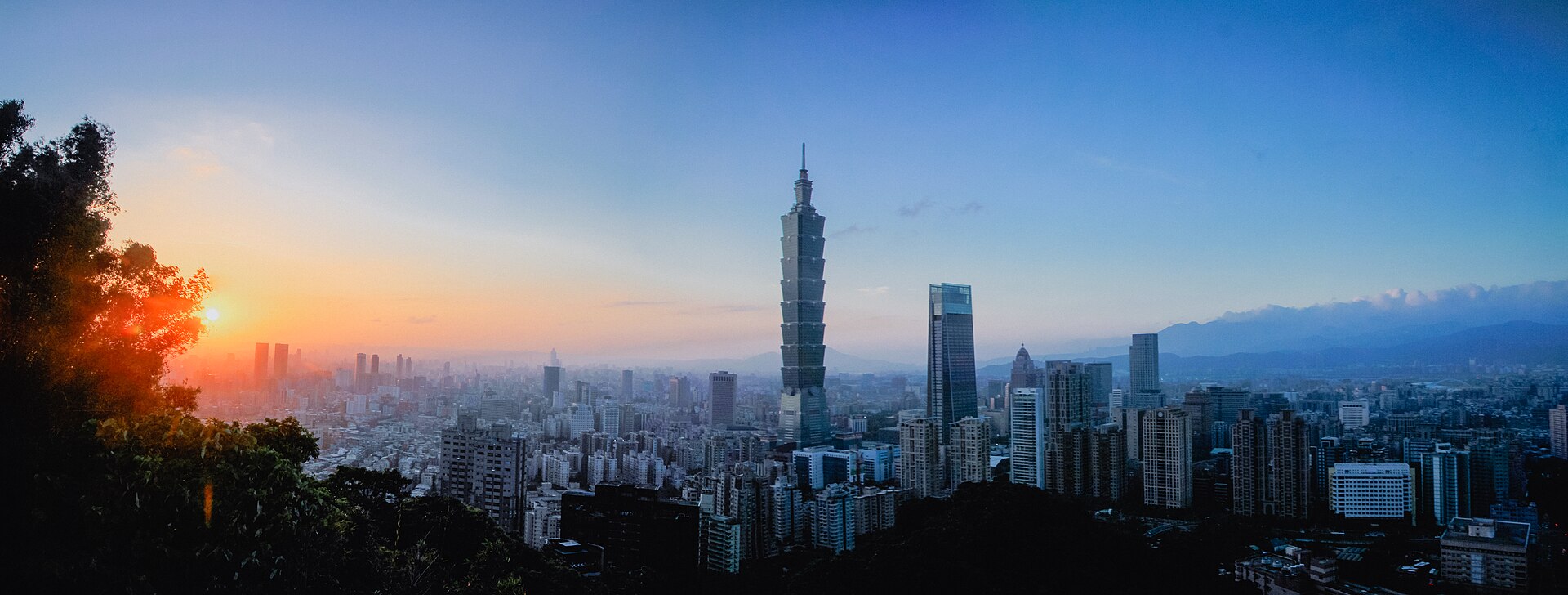
Photograph · Heeheemalu · CC BY-SA 4.0
Ranked by importance — sitelinks, pageviews and heritage status, not editor preference.
100 places match
Category
Typical visit duration
Interests
The National Palace Museum is the Taipei museum that presents the former imperial collection through Exhibition Hall I, its main public building in Shilin.
The National Chiang Kai-shek Memorial Hall is a prominent monument and public gathering space in central Taipei.
Xiangshan, known in English as Elephant Mountain, is a hiking trail and scenic viewpoint in Taipei's Xinyi District. The trail rises from the urban edge near Taipei 101, offering panoramic views of the city skyline and the iconic tower itself.
Ximending is a historic commercial district in Taipei's Wanhua District, centered on pedestrian zones northwest of the old city gate.
Taipei Zoo is the municipal zoo of Taipei City, Taiwan, known locally as 臺北市立動物園. It operates under city government administration as a public institution.
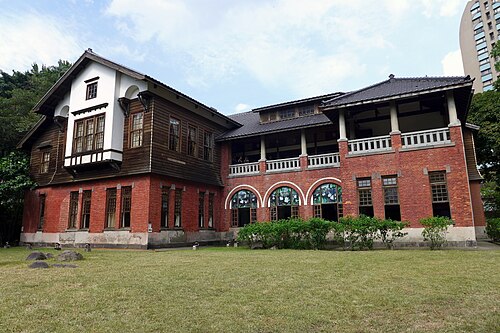
Beitou Hot Spring Museum occupies a historic bathhouse building in Taipei's renowned Beitou hot spring district. The structure represents Japanese colonial-era architecture adapted for public bathing culture.
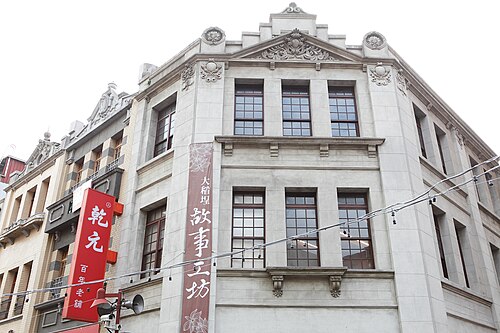
Dihua Street is a historic commercial street in Taipei, Taiwan, dating to the Qing dynasty era.
Taipei Fine Arts Museum is a major public art institution operated by the Taipei City Government. Located in the Zhongshan District, it serves as a principal venue for contemporary and modern art exhibitions in Taiwan.
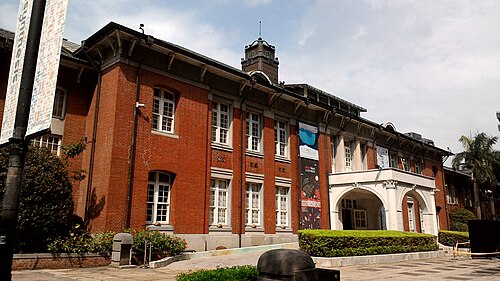
The National Taiwan Museum, known locally as 國立臺灣博物館, stands as Taiwan's oldest museum institution. Located in Taipei, it serves as a meaningful visitor destination documented in the official city attraction inventory.
The Museum of Contemporary Art Taipei is a cultural institution dedicated to modern and contemporary art exhibitions. Housed in a historic building that once served as a school, the museum occupies a distinctive architectural presence in Taipei's urban landscape.
The Maokong Gondola is an aerial lift system in Wenshan District, Taipei, connecting the Taipei Zoo area to Maokong, a hilltop district historically known for tea cultivation.
Taipei Children's Amusement Park is a municipal amusement facility operated by Taipei City Government. The local name is 臺北市立兒童新樂園. It appears in the official Taipei city attraction inventory as a documented visitor destination.
Ketagalan Culture Center, known locally as 凱達格蘭文化館, is a cultural facility in Taipei dedicated to preserving and presenting the heritage of the Ketagalan people, one of Taiwan's recognized indigenous groups.
The Shung Ye Museum of Formosan Aborigines is a museum in Taipei dedicated to the cultures of Taiwan's indigenous peoples. Its local name is 順益台灣原住民博物館.
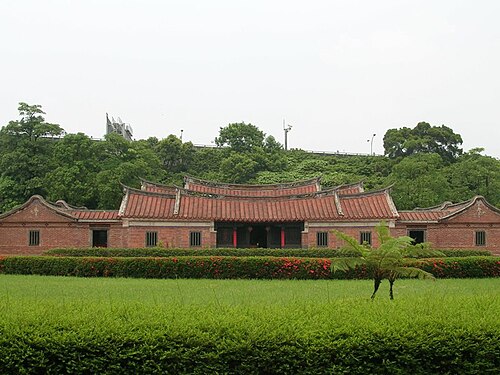
Lin An Tai Historical House and Museum is a preserved traditional Taiwanese residence relocated and reconstructed in Taipei. The building exemplifies classical Fujian-style architecture common among wealthy merchant families during the Qing dynasty period.
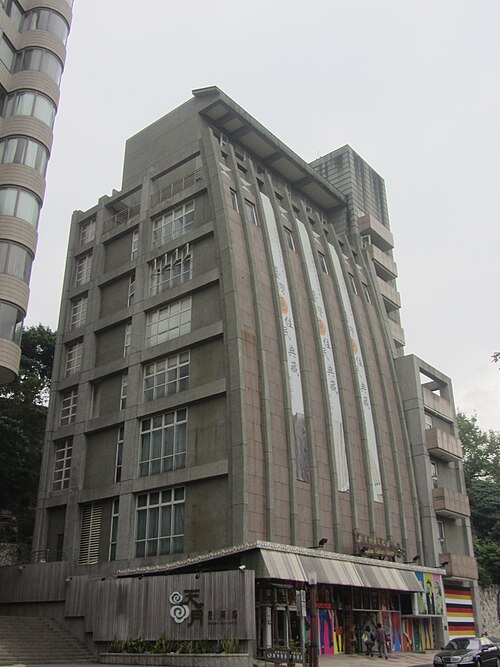
Taipei Astronomical Museum is a municipal science education facility operated by Taipei City Government. Its Chinese name is 臺北市立天文科學教育館. The museum occupies a dedicated building in the Shilin District area of Taipei.
National Taiwan Science Education Center is a science museum in Taipei, Taiwan, known locally as 國立臺灣科學教育館. The institution appears in Taipei's official city attraction inventory as a meaningful visitor destination.
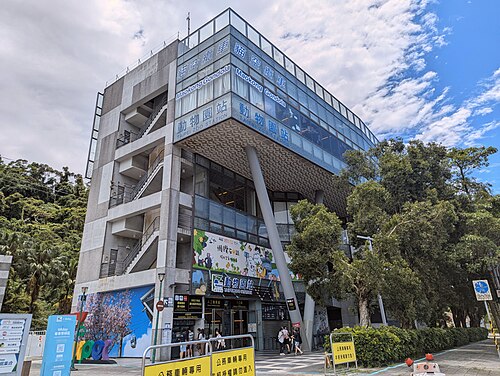
The Discovery Center of Taipei is a municipal exhibition facility presenting the history, development, and future vision of Taiwan's capital city.
The Miniatures Museum of Taiwan is a specialized museum in Taipei dedicated to miniature art and dollhouse collections. Its local name is 袖珍博物館.
Suho Paper Memorial Museum, locally named 樹火紀念紙博物館, stands as a Taipei cultural institution dedicated to paper arts and craft heritage. The museum commemorates the Suho legacy in papermaking, preserving traditional techniques and promoting paper culture through exhibitions and educational programs.
Evergreen Maritime Museum, known locally as 長榮海事博物館, is a maritime-themed museum in Taipei. It is associated with the Evergreen Group, a major Taiwanese shipping and transportation conglomerate.
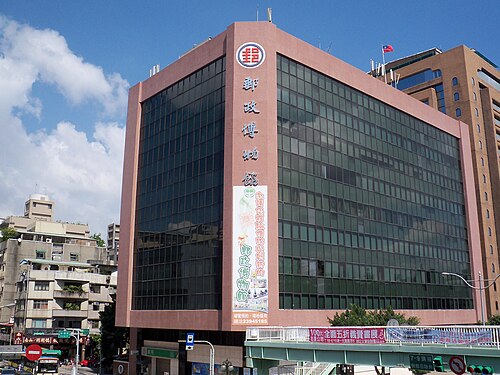
Chunghwa Postal Museum, known locally as 郵政博物館, stands as a Taipei institution dedicated to postal history and philately. The museum occupies a distinctive building that serves as a repository for Taiwan's communications heritage.
The Puppetry Art Center of Taipei, known locally as 台北偶戲館, is a cultural institution dedicated to the preservation and promotion of traditional puppet theatre arts in Taiwan.
The Sun Yun-suan Memorial Museum, known locally as 孫運璿科技・人文紀念館, is a Taipei memorial institution dedicated to commemorating Sun Yun-suan, a prominent figure in Taiwan's economic development and technological advancement.
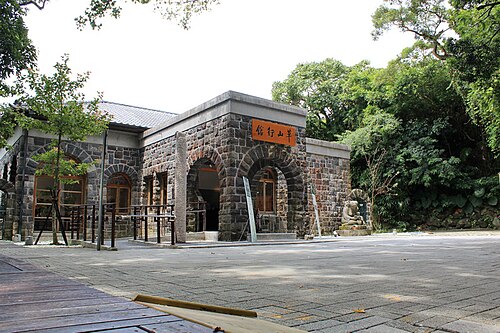
Grass Mountain Chateau, known locally as 草山行館, stands as a preserved historical residence in Taipei's Yangmingshan area. The building carries significance from its association with Chiang Kai-shek, who used it as a summer retreat.
Source: OpenStreetMap contributors, Wikidata ·
Seven to ten days can combine three or four days in Taipei with Tainan, Taichung or Kaohsiung on the western rail corridor. The east coast, central mountains and offshore islands require slower connections and should replace, rather than merely extend, that compact route.
Taiwan’s National Immigration Agency provides the current entry and online-arrival requirements. Check passport eligibility and permitted duration there, with consular guidance where relevant; do not assume a transit permission or previous visa exemption covers a different journey.
Taoyuan Airport connects to Taipei by airport metro, and high-speed rail makes western cities straightforward to combine. Conventional rail and buses reach the east and smaller places, but mountain roads take longer and are more vulnerable to weather disruption.
Spring and autumn often suit city and rail travel, while summer brings heat, heavy rain and typhoon risk. Mountain conditions can diverge sharply from Taipei or Kaohsiung, so check the Central Weather Administration outlook for the specific route.
New Taiwan dollar is the recorded currency. Transit stations and urban shops increasingly support electronic payment, yet night markets and small regional businesses may prefer cash; withdraw TWD through recognised banking channels and verify any foreign-card fee.
Use 110 for police and 119 for fire or ambulance; Taiwan uses Type A and B sockets at 110 V. Tap-water guidance is Not recorded here, and typhoon or earthquake instructions should be taken from official alerts rather than social-media summaries.