


3 min walk
National Taiwan Science Education Center
- Must see
- Museum
Language · 11 published
Museum · Taipei
臺北市立天文科學教育館
| Monday | Closed |
|---|---|
| Tuesday | 09:00 – 17:00 |
| Wednesday | 09:00 – 17:00 |
| Thursday | 09:00 – 17:00 |
| Friday | 09:00 – 17:00 |
| Saturday | 09:00 – 20:00 |
| Sunday | Closed |
Parsed from OpenStreetMap opening hours on 2026-08-26.
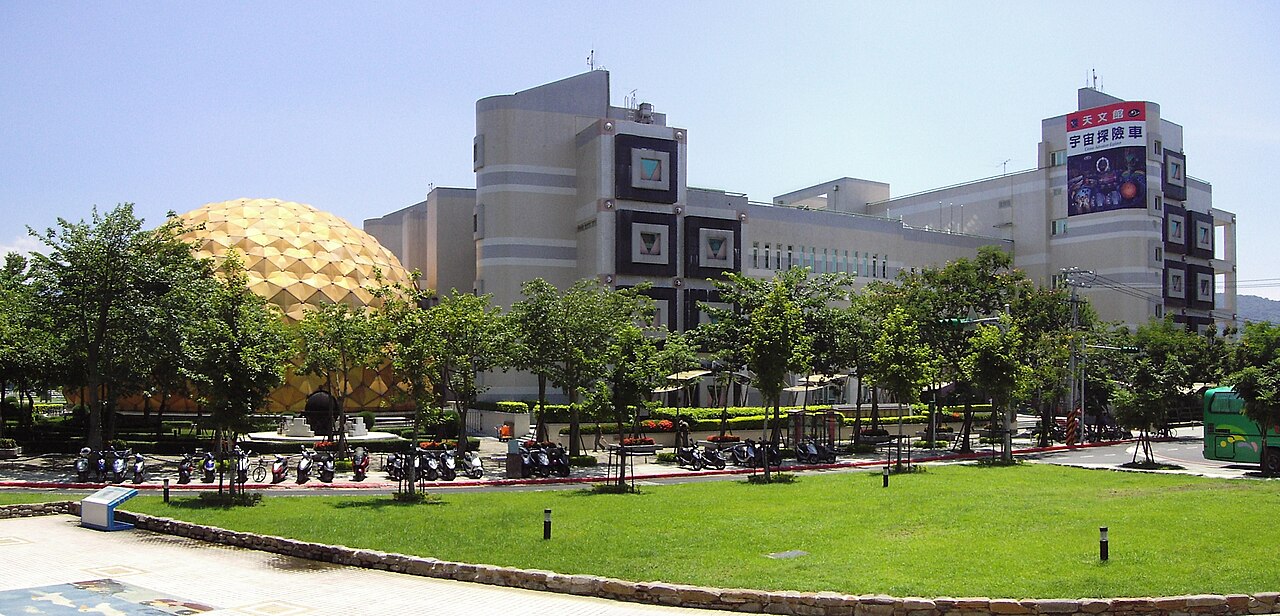
Taipei Astronomical Museum, or 臺北市立天文科學教育館, is a municipal science-education museum in Taipei’s Shilin District. It introduces astronomy and space science to a general audience through public learning rather than functioning primarily as a research observatory. The museum suits families, school-age visitors, and adults who enjoy science presented through exhibits and demonstrations. It is a useful choice when you want an indoor educational stop in northern Taipei, especially on a day built around museums and other Shilin attractions. The experience is more structured than a landmark photo stop: allow time to move through themed displays and absorb the ideas behind them.
Checked 2026-08-26 · Source
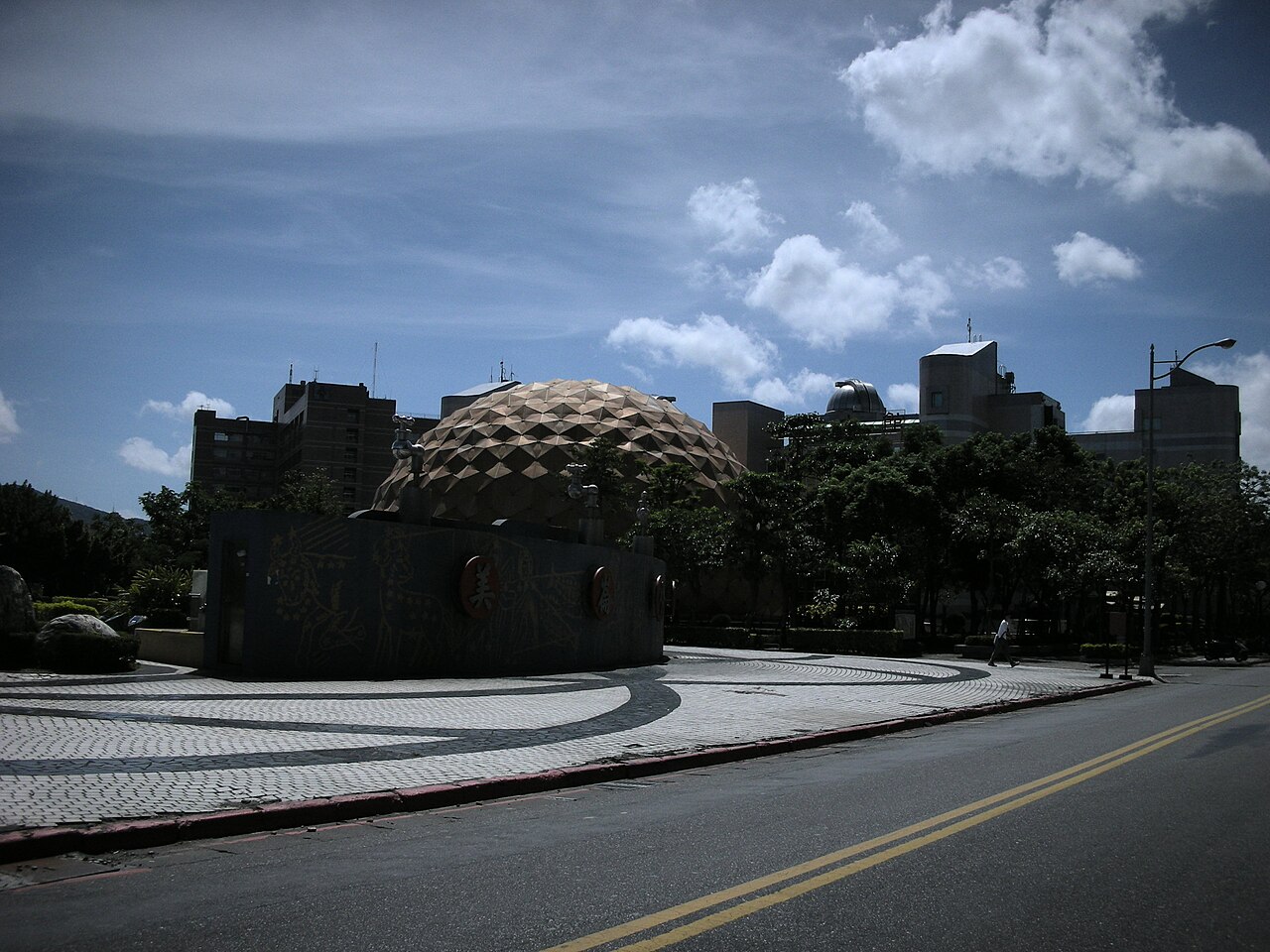
The museum’s focus is astronomical science and space education. Expect exhibition areas that explain subjects such as the solar system, stars, space phenomena, and the wider universe, with educational installations intended to make abstract ideas easier to understand. Interactive displays are suited to visitors who prefer learning by doing, while themed galleries give the visit a clear scientific progression. A planetarium forms part of the museum experience as a presentation-based way to explore the night sky. The combination of exhibits, demonstrations, and astronomy-focused interpretation gives families and curious adults several ways to engage with the subject.
Checked 2026-08-26 · Source
Set aside around two to three hours for a substantial visit. That gives you time to move through the astronomy exhibits without rushing and to include a planetarium presentation when one fits your day. A shorter visit of about ninety minutes can work if you concentrate on highlights, while families may need longer because children often pause at interactive stations. Build the museum as a main stop rather than squeezing it between tightly timed appointments. The indoor setting also makes the visit a useful anchor for a Shilin day when outdoor plans become less comfortable.
Checked 2026-08-26 · Source
Weekday mornings are a good fit for travelers who prefer a calmer educational visit, while weekends and school-holiday periods can bring more families and organized groups. Allow extra flexibility if you want to include a planetarium presentation, since its scheduled start shapes the rest of your time inside. Taipei’s heat, humidity, and rain make this an especially practical indoor stop during unsettled weather. Plan the museum as part of a Shilin itinerary and leave room around it rather than arriving with a minute-by-minute schedule that leaves no margin for galleries or presentations.
Checked 2026-08-26 · Source
The visit is organized around museum admission and, where applicable, a separate planetarium presentation. Treat those as two parts of the experience when planning both time and spending. The museum is a public educational institution serving general visitors, families, and school groups, and the planetarium can add a scheduled presentation to a gallery visit. Use the ticket arrangements available at the venue for the experience you choose. If you are visiting with children, decide in advance whether the exhibition areas alone are enough or whether a planetarium session should shape your schedule.
Checked 2026-08-26 · Source

The museum is in Taipei’s Shilin District, an area well served by the city’s metro and bus network. Enter “Taipei Astronomical Museum” or 臺北市立天文科學教育館 in your navigation app and use the final walking directions from your starting point. Taipei’s taxis and ride-hailing services offer a direct alternative for families carrying bags or traveling with tired children. Once in the district, bilingual wayfinding at major transit points can help with orientation. Pair the museum with another Shilin destination only after allowing enough time for its exhibits and any planetarium presentation.
Checked 2026-08-26 · Source
School groups and family crowds can make the museum’s most interactive areas busier, particularly during weekends and holiday periods. Planetarium seating is limited by the room, so a popular presentation can influence how you arrange the rest of the visit. Indoor galleries may feel cool compared with Taipei’s outdoor heat, making a light layer useful. Supervise young children around hands-on installations and follow staff directions near equipment. If you need particular accessibility arrangements, plan your route with the museum’s building layout in mind and allow extra time for moving between floors or exhibition zones.
Checked 2026-08-26 · Source

Treat photography as a way to record the museum’s astronomy displays, not as the main activity. Exhibition galleries may contain delicate equipment, projected images, or interactive stations where a camera can distract other visitors. Keep flash and large equipment under control, and follow the signs attached to individual displays and the planetarium entrance. During a planetarium presentation, put the camera away so the darkened room remains comfortable for everyone. Wide views can capture the educational atmosphere, while close compositions of models and scientific graphics convey the museum’s space-focused character.
Checked 2026-08-26 · Source
Yes. The museum serves general audiences and uses educational exhibits and interactive installations to introduce astronomy. Children can engage with the subject through hands-on displays, while planetarium presentations add a structured space-science experience.
The museum focuses on astronomy and space science, including subjects such as the solar system, stars, space phenomena, and the wider universe. Its exhibits present these topics for public learning.
Allow about two to three hours for a thorough visit. A shorter ninety-minute circuit can work for highlights, while families may spend longer at interactive stations or add a planetarium presentation.
Yes. The museum is in Shilin District, which contains other visitor destinations. Combine it with another stop only after reserving enough time for the galleries and any planetarium presentation you want to attend.
Yes. A planetarium presentation is part of the museum experience and can be included alongside the astronomy exhibition areas. Its scheduled start should be considered when arranging the visit.
No. It is presented as a public astronomy education museum. Its principal role is explaining astronomical science to visitors through exhibitions, educational installations, and planetarium presentations.
Loading the interactive map…
The interactive map could not be loaded.


Last updated:
Source: OpenStreetMap contributors, Wikidata ·