National Palace Museum
國立故宮博物院
The National Palace Museum is the Taipei museum that presents the former imperial collection through Exhibition Hall I, its main public building in Shilin.
- Must see
- Museum
Language · 11 published
City guide · Taiwan
Taipei is organised around a highly connected MRT grid rather than one single old centre. Ximending and the historic west side sit near Taipei Main Station, civic and commercial districts extend east toward Taipei 101, and the northern museum and hot-spring areas follow separate rail corridors. Riverside parks and mountain trailheads form another outer layer.
Reviewed by Elena Voss · SSMTour Travel Editor
Set your days, your pace and the hours you actually want to be out. The planner works around closing days and travel time, and leaves room to eat.
Ranked by importance — sitelinks, pageviews and heritage status, not editor preference.
國立故宮博物院
The National Palace Museum is the Taipei museum that presents the former imperial collection through Exhibition Hall I, its main public building in Shilin.
中正紀念堂
The National Chiang Kai-shek Memorial Hall is a prominent monument and public gathering space in central Taipei.
北投溫泉博物館
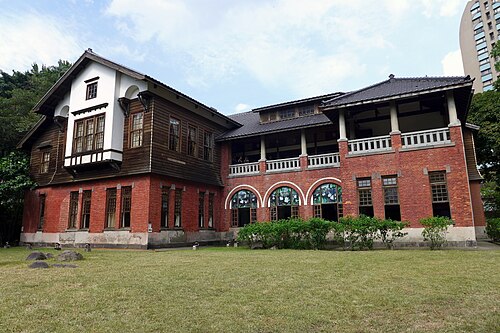
Beitou Hot Spring Museum occupies a historic bathhouse in Taipei’s Beitou district. The building reflects Japanese colonial-era construction and preserves the architectural setting of an earlier public bathing institution.
臺北市立美術館
Taipei Fine Arts Museum is a major public art museum operated by the Taipei City Government in Zhongshan District. It presents modern and contemporary art through exhibitions and gallery programmes, giving visitors a focused cultural destination within Taipei.
國立臺灣博物館
The National Taiwan Museum is Taiwan’s oldest museum institution and a major cultural destination in Taipei. Known locally as 國立臺灣博物館, it presents natural history and cultural heritage through collections and exhibitions.
台北當代藝術館
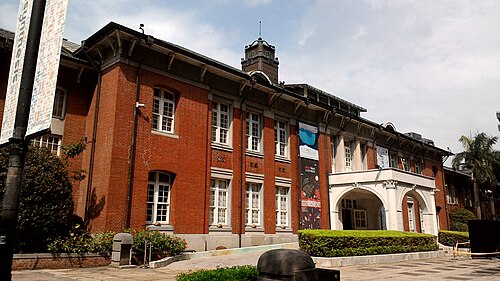
The Museum of Contemporary Art Taipei is a contemporary-art museum in a historic former school building. The setting gives the museum a distinctive character: current artistic practice is shown inside architecture with an established place in Taipei’s urban landscape.
凱達格蘭文化館
Ketagalan Culture Center, also known locally as 凱達格蘭文化館, is a Taipei cultural venue devoted to the heritage of the Ketagalan people, one of Taiwan's recognized Indigenous groups.
順益台灣原住民博物館
The Shung Ye Museum of Formosan Aborigines, 順益台灣原住民博物館, introduces visitors to the cultures and heritage of Taiwan's Indigenous peoples.
林安泰古厝
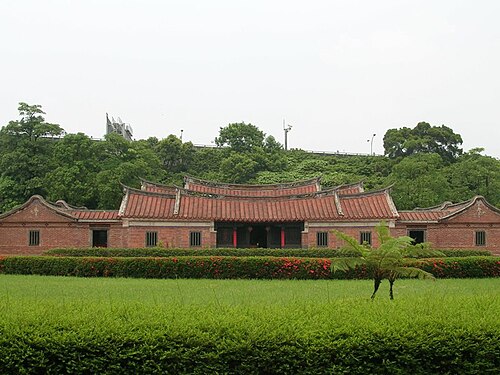
Lin An Tai Historical House and Museum is a relocated and reconstructed traditional Taiwanese residence in Taipei. Its classical Fujian-style design reflects the domestic architecture associated with wealthy merchant families during the Qing dynasty period.
臺北市立天文科學教育館
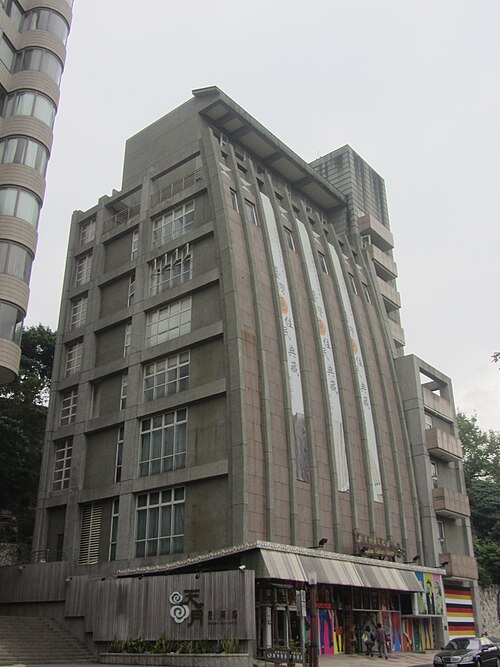
Taipei Astronomical Museum, or 臺北市立天文科學教育館, is a municipal science-education museum in Taipei’s Shilin District. It introduces astronomy and space science to a general audience through public learning rather than functioning primarily as a research observatory.
國立臺灣科學教育館
National Taiwan Science Education Center, locally known as 國立臺灣科學教育館, is a science museum in Taipei devoted to public learning and engagement with scientific ideas.
台北探索館
The Discovery Center of Taipei is a municipal exhibition facility presenting Taipei’s history, cultural development, urban transformation, and future vision.
袖珍博物館
Miniatures Museum of Taiwan, known locally as 袖珍博物館, is a Taipei museum devoted to miniature art and dollhouse scenes. The museum occupies a basement setting and presents carefully made small-scale reproductions of architectural interiors, historical settings, and everyday life.
樹火紀念紙博物館
Suho Paper Memorial Museum, also called 樹火紀念紙博物館, is a Taipei museum devoted to paper culture, papermaking heritage, and creative work made from paper. The visit suits travellers who enjoy material history, traditional crafts, design, and intimate cultural venues.
長榮海事博物館
Evergreen Maritime Museum, known locally as 長榮海事博物館, is a Taipei museum devoted to maritime history, shipbuilding and seafaring culture. Its connection with the Evergreen Group gives the museum a clear link to Taiwan’s shipping and transportation heritage.
郵政博物館
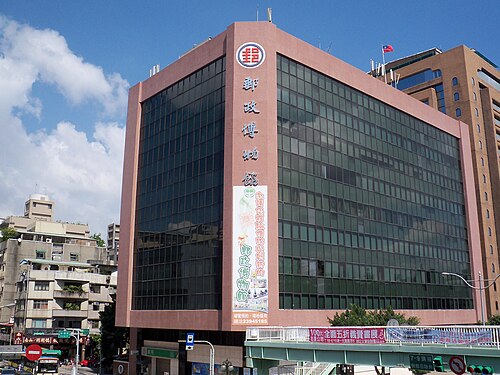
Chunghwa Postal Museum, known locally as 郵政博物館, is a Taipei institution devoted to postal history, philately, correspondence, and the development of communication services in Taiwan.
臺北偶戲館
The Puppetry Art Center of Taipei, known locally as 台北偶戲館, is a Taipei cultural institution dedicated to traditional puppet theatre in Taiwan. It preserves and presents puppetry as both a performing art and a cultural tradition.
孫運璿科技.人文紀念館
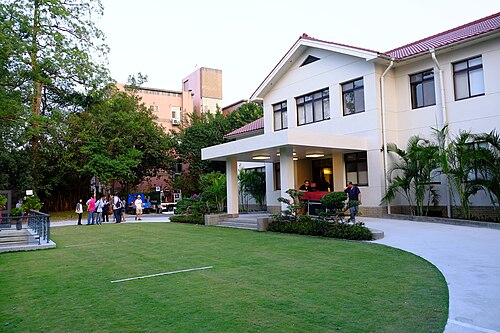
Sun Yun-suan Memorial Museum, also known locally as 孫運璿科技・人文紀念館, preserves the former residence and public memory of Sun Yun-suan, a major Taiwanese statesman associated with economic development and technological progress.
草山行館
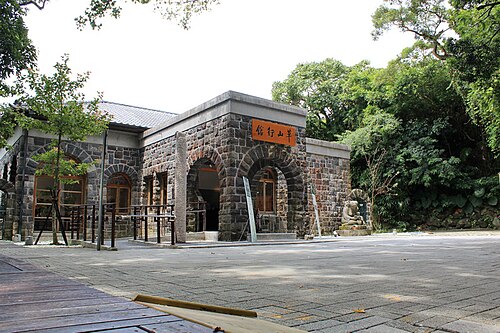
Grass Mountain Chateau, known locally as 草山行館, stands as a preserved historical residence in Taipei's Yangmingshan area. The building carries significance from its association with Chiang Kai-shek, who used it as a summer retreat.
Source: OpenStreetMap contributors, Wikidata ·
Group Longshan Temple, Bopiliao and Ximending on the west side, then use Taipei Main Station as the interchange for other zones. Plan Chiang Kai-shek Memorial Hall separately from the eastern Taipei 101 and Xinyi cluster. Beitou, National Palace Museum, Maokong and Yangmingshan each require a deliberate transit leg beyond the central grid.
Checked 2026-08-26
Taipei Travel identifies the MRT as the city’s most convenient public transport, with frequent services and connections to buses. Walk within each neighbourhood cluster and use rail between them. QR single-journey tickets and other accepted fare media are available, but check current operator guidance before travel. Buses or final walking sections are needed for several hillside attractions.
Checked 2026-08-26
A fixed stay length is not recorded. Build the visit around the west side, civic centre and Xinyi, then add Beitou, Maokong and Yangmingshan only when the available time supports a separate journey.
Group places by district instead of crossing the city repeatedly. Start with the west side, civic centre and Xinyi; treat Beitou, Maokong and Yangmingshan as separate routes with their own travel allowance.
Use Walking, MRT and city bus. Walk within compact clusters and consult the linked official transport information before making longer transfers or relying on a particular route.
Only within individual neighbourhood clusters. The main visitor areas are separated by distances, waterways, major roads or regional approaches, so longer links normally need public transport or a licensed vehicle.
Plan Beitou, Maokong and Yangmingshan separately from the west side, civic centre and Xinyi. Check the current route, return connection and any access requirements on the official source before departure.