
3 min walk
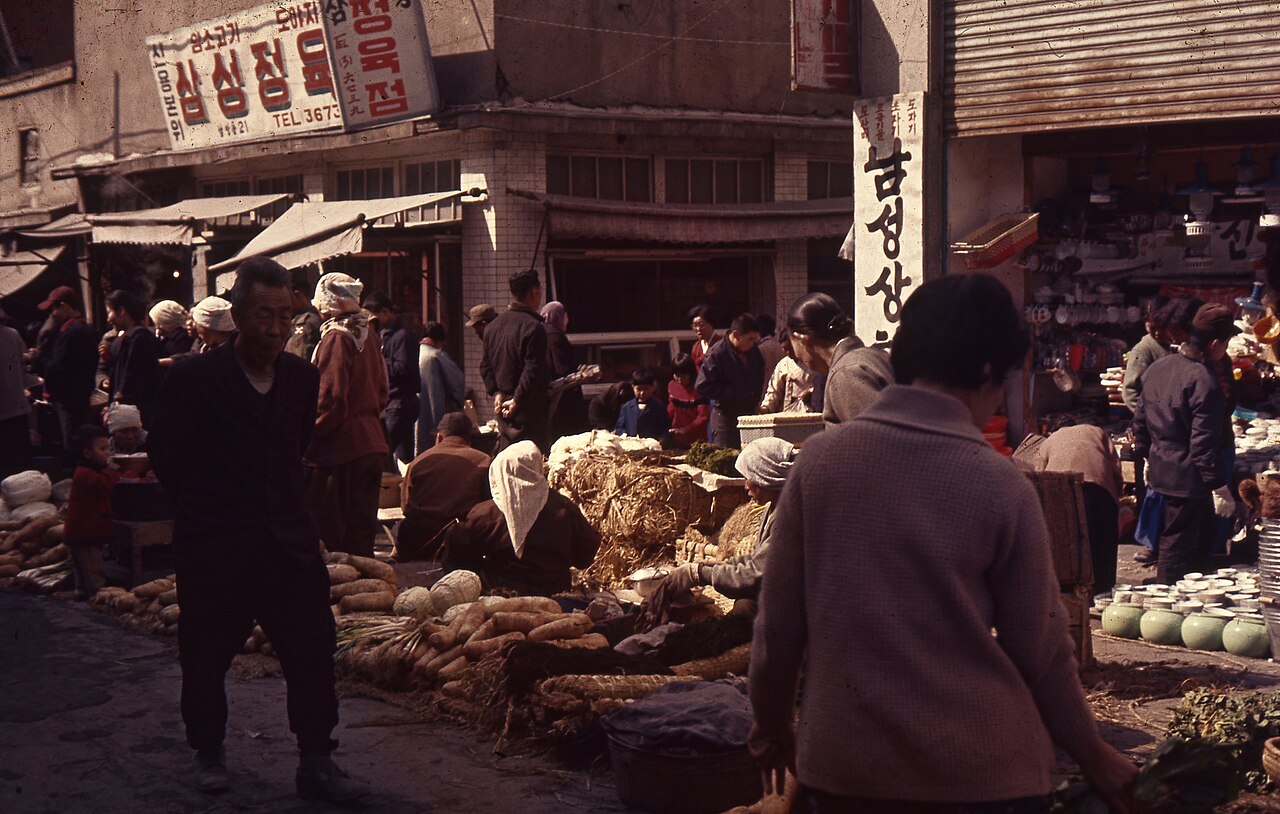
Namdaemun Market
- Must see
- Market
Language · 11 published
Historic monument · Seoul
숭례문
| Monday | Closed |
|---|---|
| Tuesday | 09:00 – 18:00 |
| Wednesday | 09:00 – 18:00 |
| Thursday | 09:00 – 18:00 |
| Friday | 09:00 – 18:00 |
| Saturday | 09:00 – 18:00 |
| Sunday | 09:00 – 18:00 |
Checked 2026-08-31 · Source
Read from the OpenStreetMap access tags; anything not listed has no tag recorded.
Set the group type to family in the planner and the day window contracts to about three quarters of a solo day.
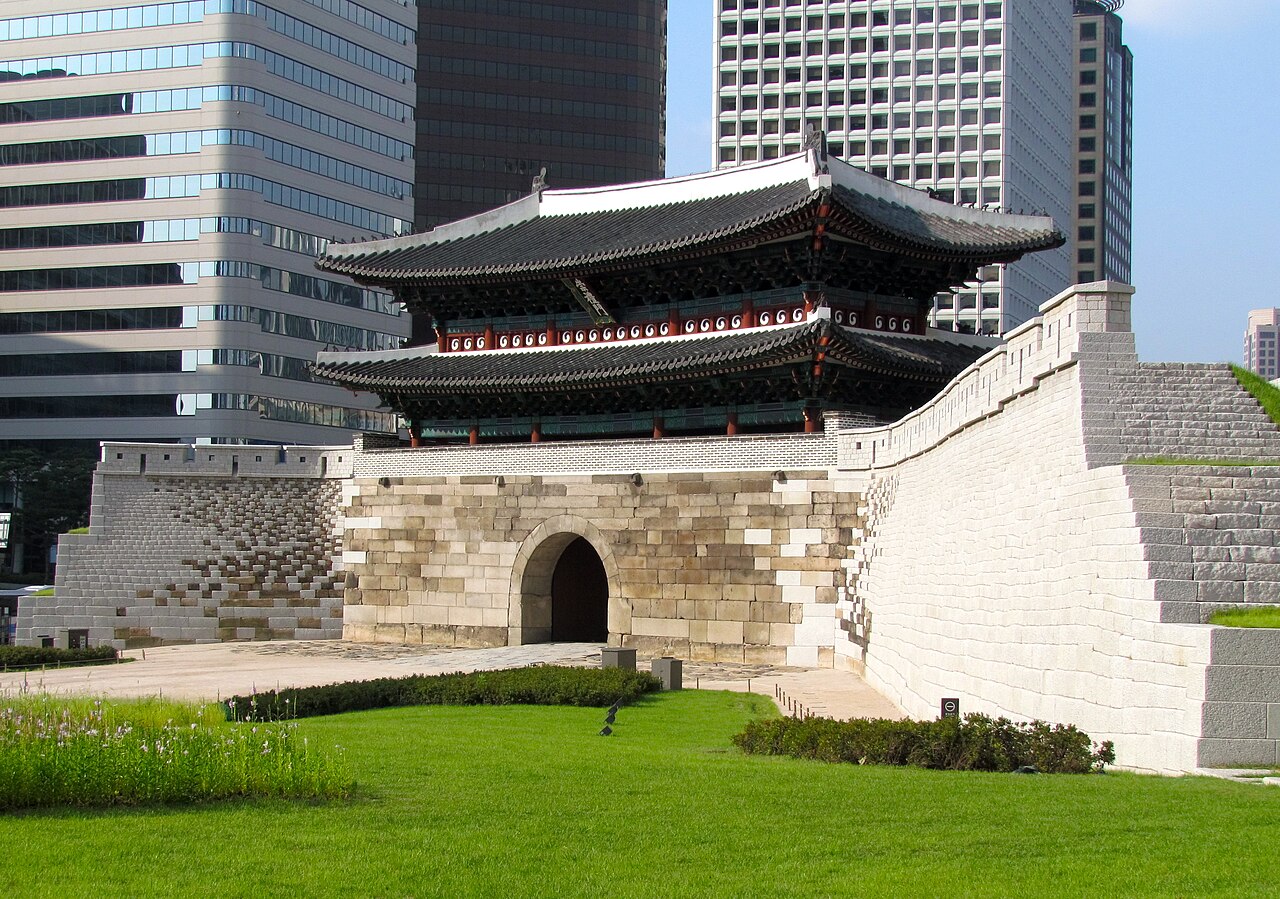
Namdaemun, officially named Sungnyemun, is a historic gate located in Seoul, South Korea. Its local name is 숭례문. The structure is designated as National Treasure No. 1 of South Korea, reflecting its significance in Korean cultural heritage. The gate was originally constructed during the Joseon Dynasty and served as the main southern gate of the fortress wall that surrounded Seoul, then known as Hanyang. The current structure incorporates restoration work following damage sustained in 2008. city_place_id; stored names and coordinates were copied without approximation.
Checked 2026-08-31 · Source
The gate structure itself consists of a two-story wooden pavilion built atop a stone base. Visitors can observe traditional Korean architectural techniques in the wooden framework, roof design, and decorative elements. The stone foundation features arched passageways for pedestrian and vehicle traffic. The surrounding plaza area provides space for observation and appreciation of the monument. The interior spaces of the upper pavilion are not typically accessible for general public entry. The gate stands as a freestanding monument without extensive ancillary buildings or exhibition facilities attached to the main structure.
Checked 2026-08-31 · Source
A visit to Namdaemun typically requires between fifteen and thirty minutes for exterior observation and photography. Visitors passing through the arched gateway as part of a walking route may spend considerably less time, approximately five to ten minutes. Those with strong interest in Korean architectural history or heritage preservation may extend their visit to forty-five minutes through careful examination of construction details and reading of informational plaques. The site functions primarily as a monument viewed from the exterior rather than an immersive indoor attraction requiring extended engagement.
Checked 2026-08-31 · Source
Tuesday–Sunday 09:00–18:00; last admission 17:55. Closed Mondays. When Monday is a public or substitute holiday, the gate opens and the next non-holiday becomes the closure day. The exterior remains visible from public streets at all times. Seasonal weather conditions in Seoul, including hot humid summers and cold winters, may influence visitor comfort. The monument's visibility is not dependent on seasonal foliage changes.
Checked 2026-08-31 · Source
General admission is free. The gate is situated in a public plaza and visible from surrounding streets without barrier control, suggesting no general admission fee for exterior viewing. Nearby commercial establishments and the Namdaemun Market district operate independently with their own pricing structures. Budget-conscious travelers may plan for incidental expenses in the surrounding area rather than gate admission.
Checked 2026-08-31 · Source
From Seoul Station, use Exit 4 for Lines 1 and 4, the Gyeongui–Jungang Line or AREX; the official Seoul listing gives a distance of 258 m. Hoehyeon Station on Line 4, Exit 5, is 403 m away. This is the named approach for an independent visit. Namdaemun is located in central Seoul with multiple public transportation options in proximity. Seoul Subway Line 4 serves Hoehyeon Station, which provides convenient walking access to the gate. City bus routes operate through the surrounding district. The gate's position at a major intersection makes it accessible as a waypoint during walking tours of central Seoul landmarks. Taxis and ride-hailing services can approach the immediate vicinity, though traffic congestion is common in this commercial district. Pedestrians should exercise caution navigating the busy intersection surrounding the monument.
Checked 2026-08-31 · Source
The approach to the entrance has no level change and is wheelchair accessible. The main entrance is step-free. An accessible toilet is beside the management office. A braille information board and braille leaflets are available. The access description applies to the documented visitor route. The surrounding intersection experiences heavy vehicular and pedestrian traffic, requiring vigilance when crossing streets or positioning for photographs. The plaza area offers limited protection from sun exposure and precipitation. Visitors should remain aware of their belongings in this high-traffic public space. Preservation activities or urban development projects may create temporary obstructions or noise. The stone surfaces around the gate may become slippery in wet conditions. Respectful conduct is appropriate given the site's status as National Treasure No. 1 and its cultural significance to Korean national identity and heritage preservation efforts.
Checked 2026-08-31 · Source
The gate presents strong photographic subjects from multiple angles, though the busy urban environment requires compositional consideration. The stone base and wooden upper structure offer textural contrast. Night illumination, when operational, provides alternative lighting conditions. Tripod use in the plaza may obstruct pedestrian flow and should be exercised with courtesy. The surrounding modern buildings create juxtaposition between historical and contemporary Seoul. Morning and evening light angles may affect shadow patterns on the structure. Visitors should be prepared to incorporate or exclude surrounding commercial signage and traffic elements based on desired photographic outcomes.
Checked 2026-08-31 · Source
Sungnyemun Gate opens Tuesday–Sunday from 09:00 to 18:00, with last admission at 17:55.
Monday. If Monday is a public or substitute holiday, it opens and closes on the next non-holiday instead.
Yes, general admission is free.
Yes. The approach and main entrance have no level change.
There is an accessible toilet beside the management office, plus a braille information board and braille leaflets.
Construction began in 1396 and was completed in 1398; the gate was restored in 2013 after the 2008 arson fire.
Loading the interactive map…
The interactive map could not be loaded.

Last updated:
Source: OpenStreetMap contributors, Wikidata ·