

32 min walk
Regina Mundi
- Must see
- Place of worship
Language · 11 published
Museum · Johannesburg
Reviewed by Elena Voss · SSMTour Travel Editor
| Monday | 08:00 – 18:00 |
|---|---|
| Tuesday | 08:00 – 18:00 |
| Wednesday | 08:00 – 18:00 |
| Thursday | 08:00 – 18:00 |
| Friday | 08:00 – 18:00 |
| Saturday | 08:00 – 18:00 |
| Sunday | 08:00 – 18:00 |
Checked 2026-08-31 · Source
Read from the OpenStreetMap access tags; anything not listed has no tag recorded.
Set the group type to family in the planner and the day window contracts to about three quarters of a solo day.
This place is a Museum.
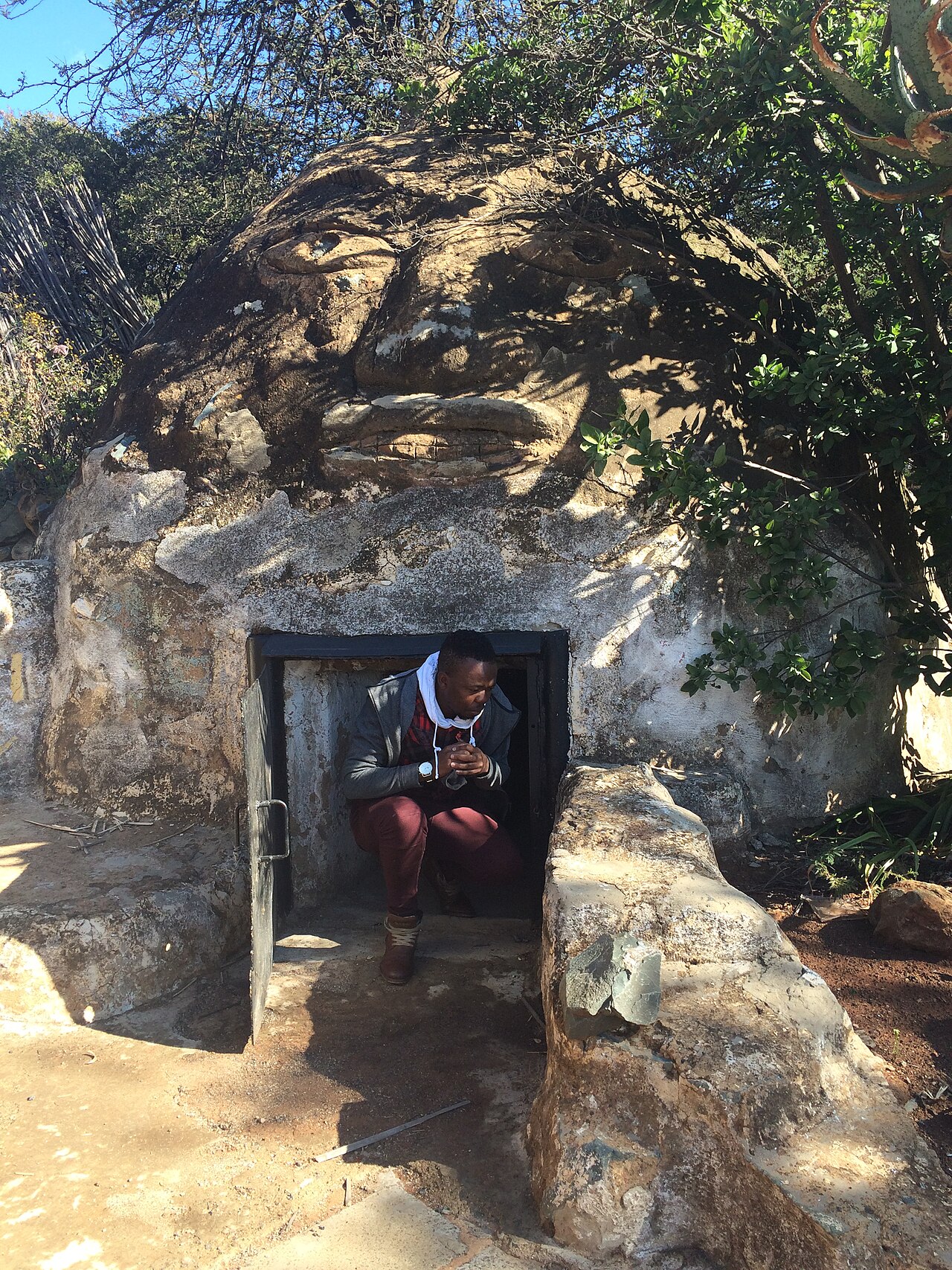
Credo Mutwa Cultural Village is an outdoor sculpture garden and cultural site in Soweto, Johannesburg. The works are associated with Credo Mutwa, a South African artist, traditional healer and author whose creative world draws on African mythology, spirituality and indigenous knowledge. The village offers a distinctive encounter with monumental sculpture in an open setting rather than a conventional gallery. It suits travellers interested in art, cultural interpretation and the symbolic ideas expressed through the site’s unusual forms. The Credo Mutwa Cultural Village is a sculpture garden and cultural site located in Soweto, Johannesburg. It was created by the artist Credo Mutwa, a renowned South African traditional healer, sculptor, and author. The site serves as an outdoor museum and spiritual space that reflects African mythology, cosmology, and indigenous knowledge systems. It stands as one of Soweto's distinctive cultural attractions, offering visitors insight into traditional African artistic expression and belief systems through monumental sculptural works. A flexible visit lets travellers connect Credo Mutwa Cultural Village with the rest of the day without treating one room, viewpoint or photograph as the whole experience.
Checked 2026-08-26 · Source
The cultural village contains outdoor sculptures and installations created around African spiritual and mythological themes. Visitors move among works that use shape, symbolism and narrative to communicate ideas about belief, identity and traditional knowledge. The experience depends on looking closely at individual pieces rather than following a formal museum sequence. The garden setting adds space between the sculptures, allowing the works to be viewed from different angles. It is best approached as an interpretive cultural landscape rather than a standard collection of labelled rooms.
Checked 2026-08-26 · Source
Set aside around one to two hours for a considered walk among the sculptures. Visitors with a strong interest in African art, mythology or spirituality may want longer pauses at individual works, while a quicker visit can focus on the principal outdoor forms and overall atmosphere. Comfortable walking shoes make the garden easier to enjoy. The site’s value comes from observation and reflection, so a rushed stop gives less time to engage with the sculptures’ visual stories.
Checked 2026-08-26 · Source
Morning and late afternoon are comfortable periods for walking through an outdoor sculpture garden, with softer light for viewing and photography. Johannesburg’s summer rainfall can make paths and open areas less comfortable, while dry winter weather generally favours longer outdoor visits. Include the village in a daylight Soweto itinerary so the sculptures, garden setting and surrounding cultural context can be experienced without compressing the walk. The site offers a quieter contrast to busier township attractions.
Checked 2026-08-26 · Source
The visit is centred on an outdoor cultural site and sculpture garden, with no permanent indoor exhibition route described here. Any spending connected with the stop concerns access arrangements or optional cultural activities rather than a sequence of gallery rooms. Travellers who want the village as part of a wider Soweto day should allow time for the walk itself and for the visual attention the sculptures demand. The attraction is most rewarding when treated as a focused cultural stop.
Checked 2026-08-26 · Source
The village is in Soweto, southwest of Johannesburg’s central area. Private vehicles and ride-hailing services provide the most direct approach from elsewhere in the metropolitan region. Public transport serves Soweto through minibus taxis, buses and rail connections to the wider township, but the final approach to this specific cultural site forms part of the journey. A guided Soweto outing can place the village alongside other cultural landmarks and reduce the need to combine unfamiliar local routes.
Checked 2026-08-26 · Source
The outdoor setting means direct sun, changing weather and uneven garden surfaces can shape the visit. Wear comfortable shoes, carry drinking water and leave room for pauses between sculptures. Treat the works as culturally meaningful objects, especially where imagery relates to spiritual or mythological ideas. Keep personal belongings secure while travelling through an unfamiliar urban area, and a daylight visit gives the most comfortable conditions for exploring the open site at an unhurried pace.
Checked 2026-08-26 · Source
The sculptures provide the principal photographic subjects, with changing viewpoints revealing their scale, texture and relationship to the garden. Morning or late-afternoon light can give stronger modelling to carved and monumental forms. Photograph the site respectfully, particularly when an artwork carries spiritual or ceremonial associations. Keep compositions clear of other visitors and avoid turning the garden into a backdrop detached from its cultural meaning. The outdoor setting also offers wider images that place the sculptures within Soweto’s landscape.
Checked 2026-08-26 · Source
It is an outdoor sculpture garden and cultural site in Soweto, associated with the South African artist, traditional healer and author Credo Mutwa.
You can walk among sculptures and installations shaped by African mythology, spirituality and indigenous knowledge themes.
Around one to two hours suits a thoughtful walk, with extra time useful for visitors who want to study the sculptures closely.
The cultural village is in Soweto, southwest of Johannesburg’s central area.
No. It is an outdoor sculpture garden where visitors explore monumental works in an open cultural landscape.
Its sculptures combine visual art with African mythological, spiritual and indigenous-knowledge themes linked to Credo Mutwa’s work.
Loading the interactive map…
The interactive map could not be loaded.

Last updated:
Source: OpenStreetMap contributors ·