
3 min walk
Iziko South African Museum
- Must see
- Museum
Language · 11 published
Museum · Cape Town
Reviewed by Elena Voss · SSMTour Travel Editor
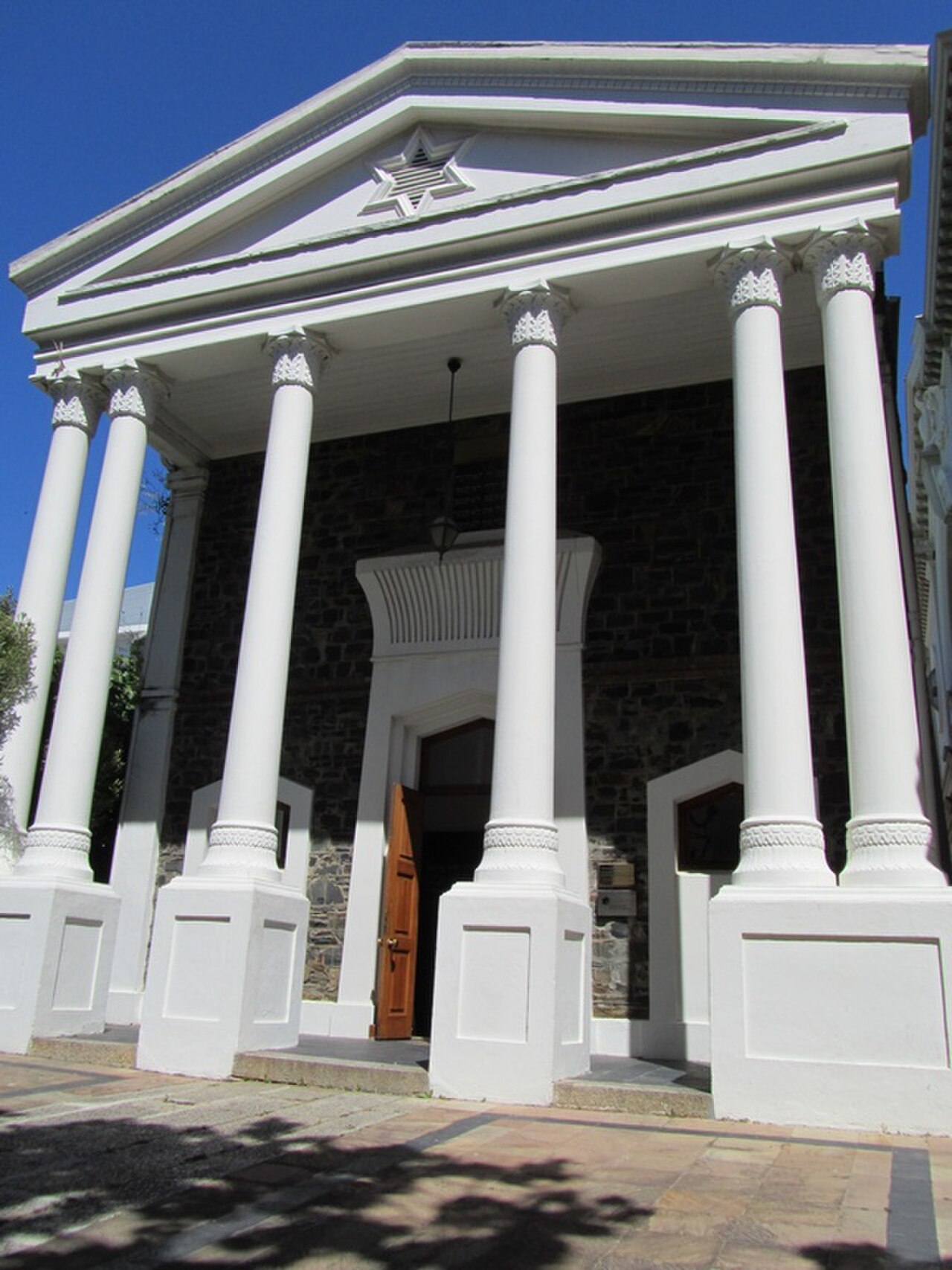
This place is a Museum.
The South African Jewish Museum in Cape Town presents the history and influence of Jewish communities in South Africa. Beside the historic Gardens Synagogue, it connects community memory, migration and religious life with the wider story of the country. The museum suits travellers interested in social history, identity, faith and the many communities that have shaped Cape Town and South African society. The South African Jewish Museum is a heritage institution in Cape Town dedicated to preserving and presenting the history of Jewish communities in South Africa. Located beside the historic Gardens Synagogue, the museum occupies a significant position in the city's cultural landscape. The institution serves as a repository for historical records, artefacts, and narratives that trace the arrival, settlement, and contributions of Jewish immigrants to South African society over multiple generations.
Checked 2026-08-26 · Source
Collections and displays examine immigration, settlement, religious practice, cultural adaptation and communal development. Historical photographs, documents, ritual objects and personal testimonies help connect broad events with individual lives. The neighbouring Gardens Synagogue adds important context because the museum is experienced beside a historic place of worship. Move through the displays with time for both the objects and the stories behind them. The museum documents the history and influence of South African Jewish communities through its collections and displays. Exhibits explore themes of immigration, cultural adaptation, religious practice, and communal development. The proximity to the historic Gardens Synagogue creates a meaningful connection between the museum's interpretive content and an active place of worship. Visitors can expect to encounter historical photographs, documents, ritual objects, and personal testimonies that collectively illustrate the community's evolution and impact on broader South African history.
Checked 2026-08-26 · Source
Set aside around one to two hours for a balanced visit. A shorter stop can introduce the main themes, while visitors interested in genealogy, migration or South African Jewish history may spend longer with photographs, documents and testimonies. The museum’s Gardens location also makes it easy to combine the visit with a walk through nearby Cape Town heritage and cultural attractions. Visitor duration at the South African Jewish Museum varies according to individual interest and engagement depth. Those with a general curiosity about South African Jewish history may find a shorter visit sufficient, while researchers, genealogists, or visitors with personal family connections may wish to spend considerably longer examining specific collections. The museum's compact urban location allows visitors to combine their visit with exploration of surrounding heritage sites in the Gardens area, making it feasible to allocate flexible time within a broader Cape Town itinerary.
Checked 2026-08-26 · Source
The museum provides an indoor cultural stop in every season. Cape Town’s summer, from December to February, brings longer days and warmer weather but also strong visitor demand. Winter, from June to August, is cooler and wetter, making an indoor museum especially useful within a flexible itinerary. Plan enough quiet time for reading, and remember that the site stands beside an active synagogue.
Checked 2026-08-26 · Source
Treat the museum as a focused cultural visit and allow time for the admission process before beginning the displays. Travellers visiting several Cape Town museums can consider how this stop fits within a wider heritage day. Students, families and groups may wish to plan their spending before setting out. The museum’s strongest reward is the depth of its community history, photographs, objects and personal accounts.
Checked 2026-08-26 · Source
The museum is in Cape Town’s Gardens area, beside the historic Gardens Synagogue. Visitors staying in the City Bowl may be able to walk, while buses, metered taxis and ride-hailing services connect the area with the rest of the city. Use the synagogue as a clear landmark when approaching, and take normal urban precautions with personal belongings when travelling to and from the museum.
Checked 2026-08-26 · Source
The museum stands beside an active place of worship, so visitors should dress and behave respectfully and keep noise low. Displays may address migration, discrimination and difficult political periods. Follow directions around religious objects and community material. Keep phones and bags secure in the urban setting, and leave enough time to enter and leave without disrupting worshippers or other museum visitors.
Checked 2026-08-26 · Source
Photographs of displays, historic objects and the Gardens setting can help record the visit, but request permission where people, religious activity or sensitive material are involved. Follow posted directions and avoid flash if it could disturb worship or damage delicate objects. Keep equipment compact, especially in interior spaces, and never let photography interrupt another visitor’s quiet engagement with the museum.
Checked 2026-08-26 · Source
It presents the history and influence of Jewish communities in South Africa through immigration, religious practice, cultural adaptation, communal development and personal stories.
The museum is in Cape Town’s Gardens area, beside the historic Gardens Synagogue and within reach of City Bowl transport and walking routes.
Plan around one to two hours, with extra time if you want to study the photographs, documents, ritual objects and testimonies closely.
The museum stands beside the historic Gardens Synagogue, connecting its community-history displays with a significant place of Jewish worship in Cape Town.
The collections include historical photographs, documents, ritual objects and personal testimonies relating to Jewish life and community development in South Africa.
Keep noise low, dress respectfully and follow directions around religious activity and objects, since the museum shares its setting with an active place of worship.
Loading the interactive map…
The interactive map could not be loaded.

Last updated:
Source: OpenStreetMap contributors, Wikidata ·