
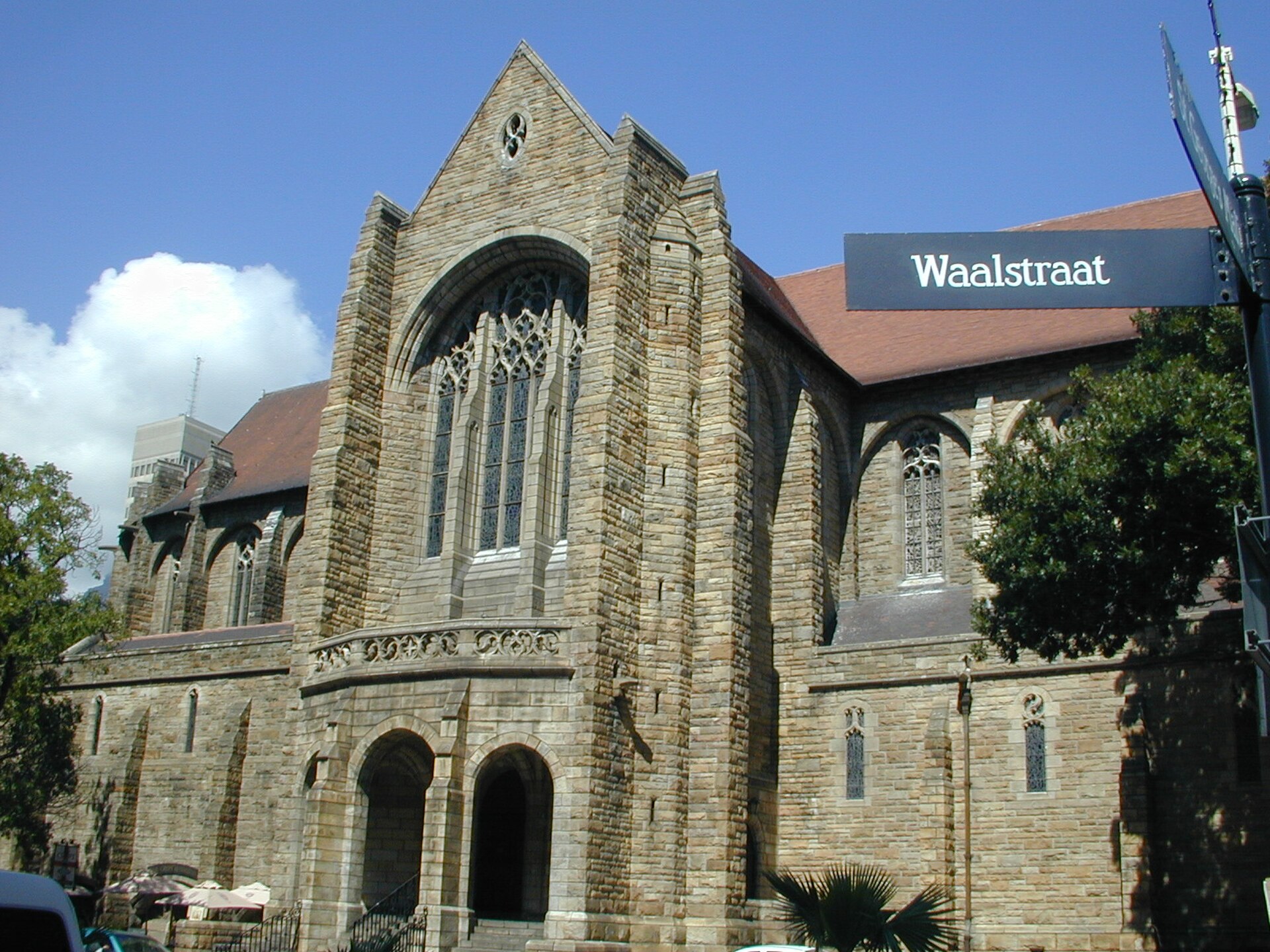
2 min walk
St. George's Cathedral
- Must see · Heritage site
- Historic monument
Language · 11 published
Museum · Cape Town
Iziko Slave Lodge
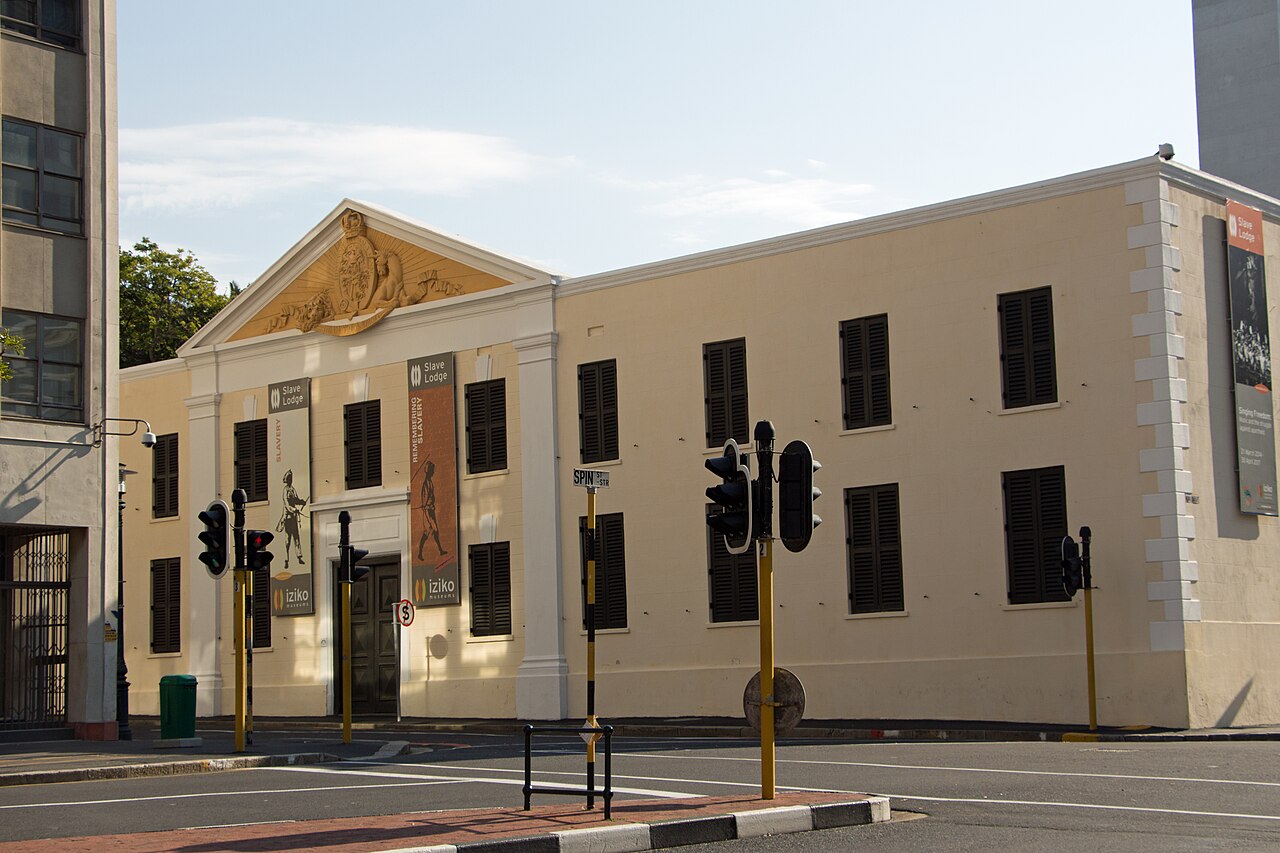
Iziko Slave Lodge is a heritage museum in central Cape Town, housed in one of South Africa’s oldest surviving buildings. The site began as a communal lodge for people enslaved by the Dutch East India Company and later served government purposes. Today, it is part of the Iziko Museums of South Africa and presents the history of slavery at the Cape alongside its continuing social consequences. The Iziko Slave Lodge is a heritage museum in central Cape Town, housed in one of the oldest surviving buildings in South Africa. Originally constructed as a communal lodge for enslaved people owned by the Dutch East India Company, the building later served various government functions before its conversion to a museum. It now forms part of the Iziko Museums of South Africa network, dedicated to preserving and interpreting the history of slavery at the Cape and its enduring social consequences. The museum addresses slavery and associated violence explicitly. Parental discretion is advised; caregivers should assess individual children's maturity and sensitivity before visiting.
Checked 2026-08-26 · Source
The museum combines the building’s historic fabric with exhibitions on slavery, colonialism and Cape social history. Displays use documents, artefacts and interpretation to explore forced migration, labour, cultural survival and resistance. The experience asks visitors to consider the lives of enslaved people and their descendants, rather than treating the building as a neutral monument. Read slowly: the context and personal stories are central to the visit. The museum contains exhibitions addressing slavery, colonialism, and social history in the Cape region. Displays include historical documents, artefacts, and interpretive materials examining the experiences of enslaved people and their descendants. The collection explores themes of forced migration, labour, cultural survival, and resistance. The building itself serves as a primary exhibit, with its architectural fabric bearing witness to its original purpose. Temporary exhibitions and educational programmes supplement the permanent displays on occasion.
Checked 2026-08-26 · Source
Allow one to two hours for a thoughtful visit. The museum can be covered in less time if you focus on the main displays, but detailed labels and historical context reward a slower pace. Visitors with a strong interest in Cape slavery, colonial history or social memory may want longer. The compact setting also makes it practical to pair the museum with nearby central Cape Town heritage sites. Visitors typically allocate between one and two hours for a meaningful engagement with the museum's content. The duration depends on individual interest in detailed historical interpretation and the extent to which temporary exhibitions are present during a visit.
Checked 2026-08-26 · Source
An indoor museum visit works in every season, including Cape Town’s wetter winter months. Morning can provide a quieter setting for reading and reflection, while the museum’s central position makes it easy to combine with other city attractions later in the day. Set aside enough time to engage with difficult material without rushing. Its specialised subject rewards visitors who arrive ready for sustained attention.
Checked 2026-08-26 · Source
Iziko Slave Lodge belongs to the Iziko Museums of South Africa network, so visitors interested in several institutions can consider the museum as part of a wider cultural day. Keep payment planning practical and allow time for entry arrangements before beginning the exhibitions. The value of the visit lies in the interpretation, the historic building and the opportunity to place Cape Town’s present within a longer history of forced migration and inequality.
Checked 2026-08-26 · Source
The museum is in central Cape Town’s City Bowl, close to other heritage and governmental buildings. Visitors staying in the central city can walk, while buses, taxis and ride-hailing services serve the surrounding urban area. Build the museum into a walking route through central Cape Town, but keep valuables secure and remain aware of traffic and city movement when travelling between stops.
Checked 2026-08-26 · Source
The exhibitions address enslavement, violence, forced labour and systemic oppression. Some visitors may find the material emotionally intense, so give yourself time to pause. The historic building may include stairs or uneven surfaces, which can affect movement for some guests. Children benefit from age-appropriate preparation and adult discussion. In central Cape Town, use normal urban care with phones, bags and personal documents.
Checked 2026-08-26 · Source
Treat the museum as a place of remembrance and learning when taking photographs. Follow signs and staff directions, keep flash and bulky equipment away from displays, and avoid photographing other visitors without permission. Images should not interrupt quiet reflection or block exhibition routes. The building’s architectural details can be photographed with care, but the historical meaning of the site should remain more important than a posed image.
Checked 2026-08-26 · Source
It explores slavery, colonialism and Cape social history, including forced migration, labour, cultural survival, resistance and the experiences of descendants.
Allow one to two hours for the exhibitions, building and interpretive material; a slower visit suits visitors interested in detailed historical context.
The museum is in central Cape Town’s City Bowl, within walking distance of nearby city attractions and reachable by buses, taxis and ride-hailing services.
The museum deals directly with enslavement, violence and oppression. Adults should consider each child’s maturity and prepare them for emotionally difficult historical material.
It began as a communal lodge for people enslaved by the Dutch East India Company and later served government purposes before becoming a museum.
Iziko Slave Lodge forms part of the Iziko Museums of South Africa network, alongside other museums and heritage institutions in Cape Town.
Loading the interactive map…
The interactive map could not be loaded.

Last updated:
Source: OpenStreetMap contributors, Wikidata ·