
67 min walk
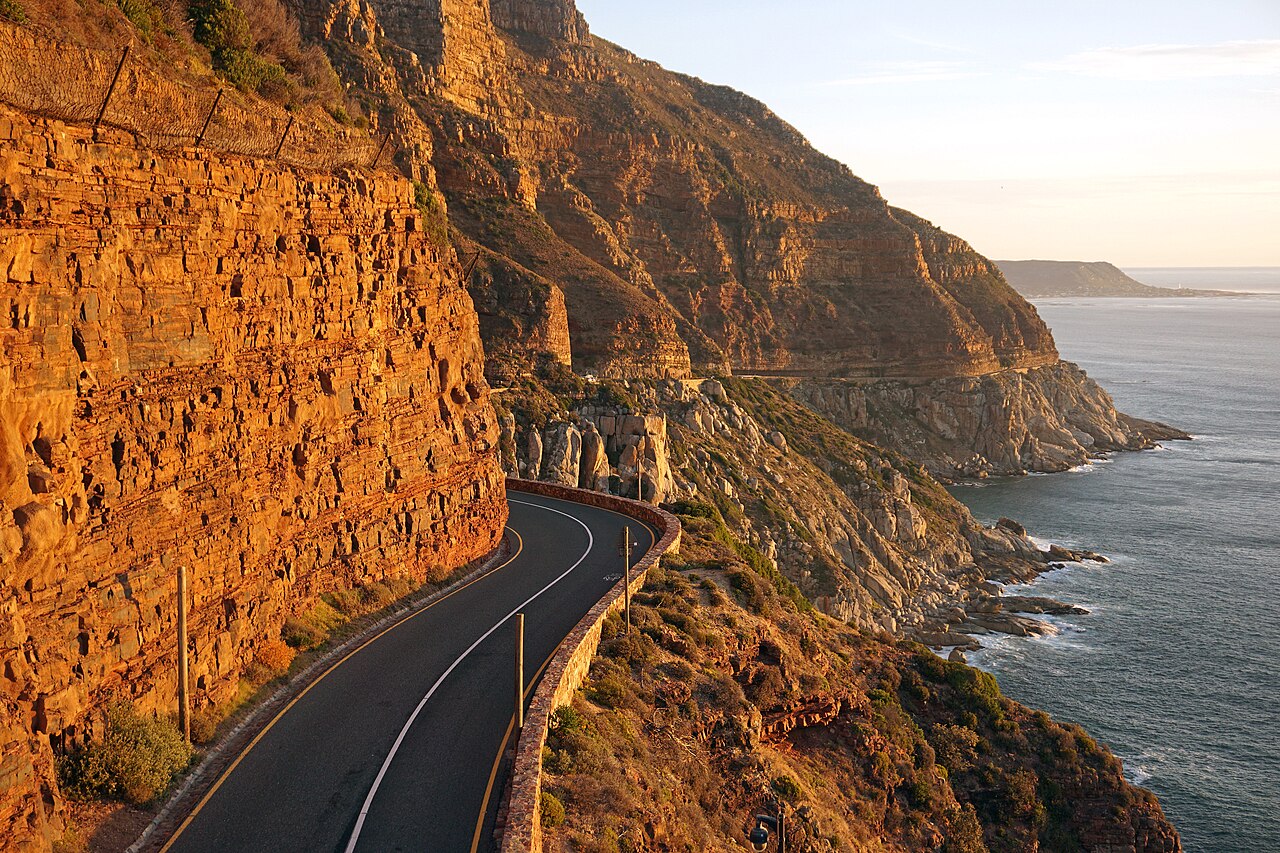
Chapman's Peak Drive
- Must see
- Activity
Language · 11 published
Nature site · Cape Town
Reviewed by Elena Voss · SSMTour Travel Editor
Noordhoek Beach is a long white-sand beach on the Atlantic coast of the Cape Peninsula, situated below the dramatic Chapman's Peak Drive. It stretches approximately eight kilometres along the shoreline, offering an exposed open-coast landscape. The beach faces westward toward the Atlantic Ocean and is backed by dunes and the slopes of Chapman's Peak. It forms part of the Table Mountain National Park marine protected area and remains one of the most visually striking natural features of the Cape Town region. Noordhoek Beach also earns time in a cape town itinerary because The long white-sand beach below Chapman's Peak is one of the Cape Peninsula's most dramatic open-coast landscapes. Its value becomes clearer when the stop is compared with the surrounding streets and the other ranked places nearby.
Checked 2026-08-26
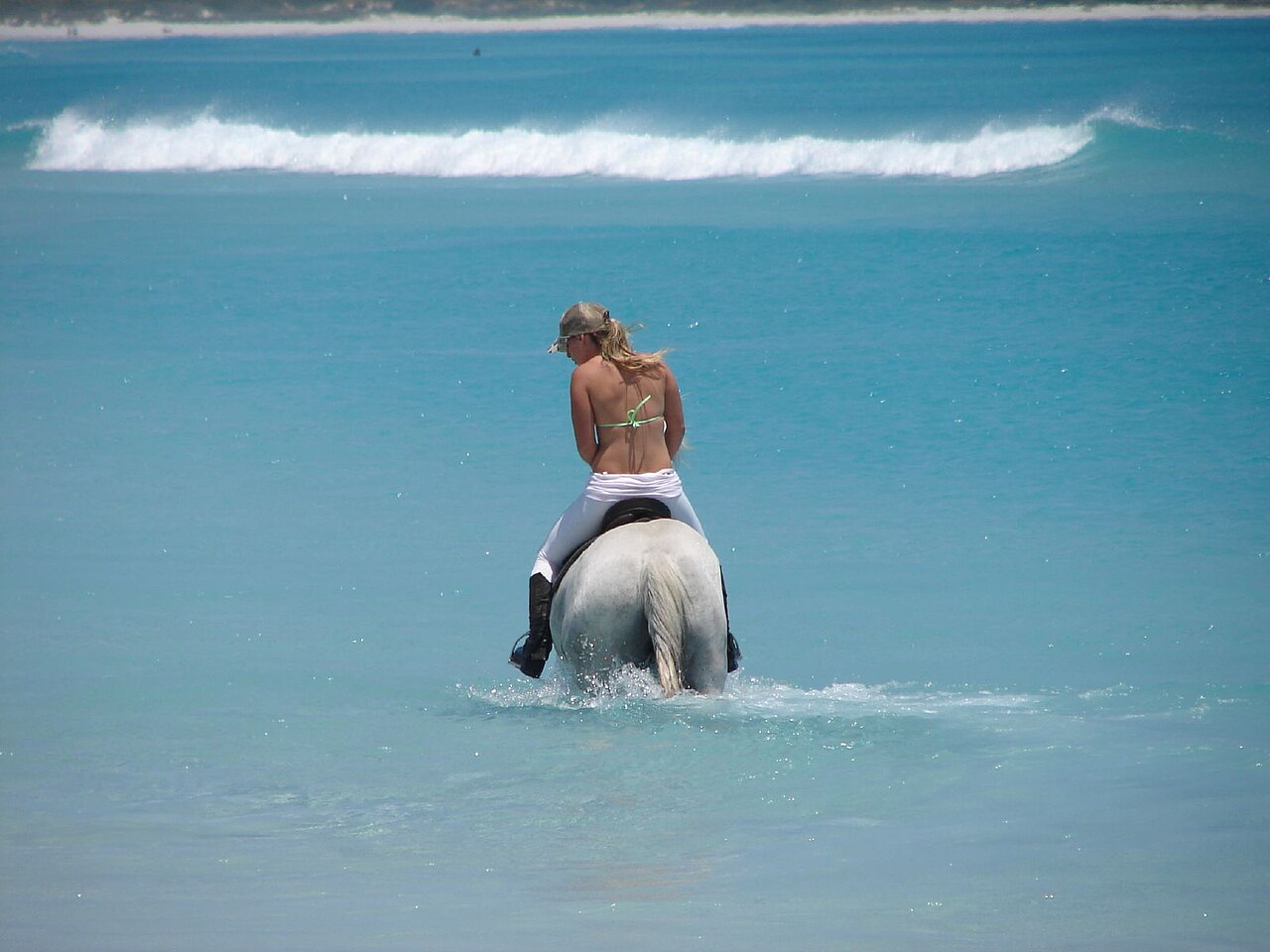
The beach consists predominantly of fine white sand with rolling surf conditions typical of the Atlantic seaboard. The surrounding landscape includes vegetated dunes, wetlands at the northern end, and the towering sandstone cliffs of Chapman's Peak to the east. Horse riding is a common activity along the shoreline. The area supports various bird species and marine life. There are no commercial developments directly on the beach itself, preserving its natural character. Nearby, the village of Noordhoek offers dining and accommodation options.
Checked 2026-08-26
Visitors typically spend between one and three hours at Noordhoek Beach, though this varies considerably based on activity. A walk along the full length of the beach would require substantially more time. Those engaging in horse riding, picnicking, or photography may extend their visit. The beach is suitable for brief stops along Chapman's Peak Drive or dedicated half-day excursions. Swimming conditions depend on weather and individual comfort with cold water and strong currents. Sunset viewing is popular and may extend evening visits.
Checked 2026-08-26
Noordhoek Beach can be visited throughout the year, though weather conditions vary significantly by season. Summer months generally offer warmer temperatures and more settled conditions, while winter brings stronger winds and storm swells. The beach is exposed to southeasterly winds in summer and northwesterly winds in winter. Visitors should consult current local weather forecasts and tide tables before planning activities. Early morning and late afternoon typically provide calmer conditions and optimal light for photography regardless of season. Check the operator's own site for the travel date before relying on a schedule or fare.
Checked 2026-08-26
Access to Noordhoek Beach appears to be free of charge as a public coastal area. There may be parking fees at designated areas. Horse riding activities, if arranged through local operators, would involve separate charges. Visitors should carry sufficient funds for any incidental expenses and verify current arrangements with local authorities or service providers. The nearby Chapman's Peak Drive toll road requires payment for motorised vehicles, which is a separate consideration for those approaching from Hout Bay. Check the operator's own site for the travel date before relying on a schedule or fare.
Checked 2026-08-26
Noordhoek Beach is accessible by private vehicle via Chapman's Peak Drive from Hout Bay or the M6 road from Fish Hoek and Kommetjie. Public transport options are limited; visitors without vehicles may find access challenging. The MyCiTi bus service operates in parts of the southern peninsula but does not serve the beach directly. Taxis and ride-hailing services may be available from Cape Town central, though return transport should be arranged in advance. Cycling from nearby suburbs is possible for experienced riders. Road conditions on Chapman's Peak Drive require careful driving.
Checked 2026-08-26
The Atlantic waters at Noordhoek Beach are cold year-round and subject to strong rip currents; swimming requires caution and appropriate experience. The beach is remote with limited immediate emergency services. Summer southeasterly winds can create uncomfortable sandblasting conditions. Sun protection is essential due to minimal shade. The beach is not patrolled by lifeguards on a permanent basis, or such patrol status is not confirmed. Visitors should inform others of their plans and carry mobile phones. Tidal conditions may affect available beach width and access points. Horse riders share the beach with pedestrians.
Checked 2026-08-26
Noordhoek Beach offers exceptional photographic opportunities, particularly with Chapman's Peak as a dramatic backdrop. The long beach perspective allows for minimalist compositions emphasising sand, sea, and sky. Sunset photography is highly regarded due to the westerly orientation. The wreck of the Kakapo, a steamship grounded in 1900, becomes visible at low tide and provides historical interest. Morning light illuminates the cliff face differently. Wide-angle lenses suit the expansive landscape, while telephoto lenses compress the mountain-beach relationship. Wind protection for equipment is advisable. The area's natural colours favour naturalistic processing over heavy saturation.
Checked 2026-08-26
Swimming at Noordhoek Beach requires caution due to cold Atlantic waters and strong rip currents. The beach is exposed to open ocean conditions without protective bays. Permanent lifeguard patrols are not confirmed. Visitors should assess their own abilities and current conditions carefully.
The beach extends approximately eight kilometres and can be walked in its entirety by those with adequate fitness and time. Tidal conditions and stream crossings may affect feasibility. Proper footwear, water, and sun protection are recommended for the full distance.
Parking areas exist near beach access points, though specific capacity and any associated fees are not recorded pending review. Visitors should observe local signage and avoid blocking access routes or emergency vehicle paths.
Noordhoek Beach itself has no commercial developments or facilities directly on the sand. The nearby village of Noordhoek offers dining and shopping options at a distance from the beach. Visitors should bring necessary supplies and plan accordingly.
The Kakapo was a steamship that ran aground near Noordhoek Beach in 1900. Its remains become visible at low tide and represent a notable historical feature. Visitors should not disturb the protected archaeological site.
Chapman's Peak Drive provides one scenic approach from Hout Bay but is not the only access route. The M6 from Fish Hoek and Kommetjie offers an alternative. The drive requires toll payment for motorised vehicles and may close during hazardous conditions.
Loading the interactive map…
The interactive map could not be loaded.

Last updated:
Source: OpenStreetMap contributors ·