

.jpg)
.jpg)
.jpg)

1 min walk · Stari Grad
Kafana ?
- Must see · Heritage site
- Restaurant or café
Language · 1 published
Museum · Градска општина Стари град, Belgrade
Конак кнегиње Љубице
| Monday | Closed |
|---|---|
| Tuesday | 10:00 – 17:00 |
| Wednesday | 10:00 – 17:00 |
| Thursday | 10:00 – 17:00 |
| Friday | 10:00 – 18:00 |
| Saturday | 10:00 – 17:00 |
| Sunday | 10:00 – 14:00 |
Parsed from OpenStreetMap opening hours on 2026-08-25.
Read from the OpenStreetMap access tags; anything not listed has no tag recorded.
Set the group type to family in the planner and the day window contracts to about three quarters of a solo day.
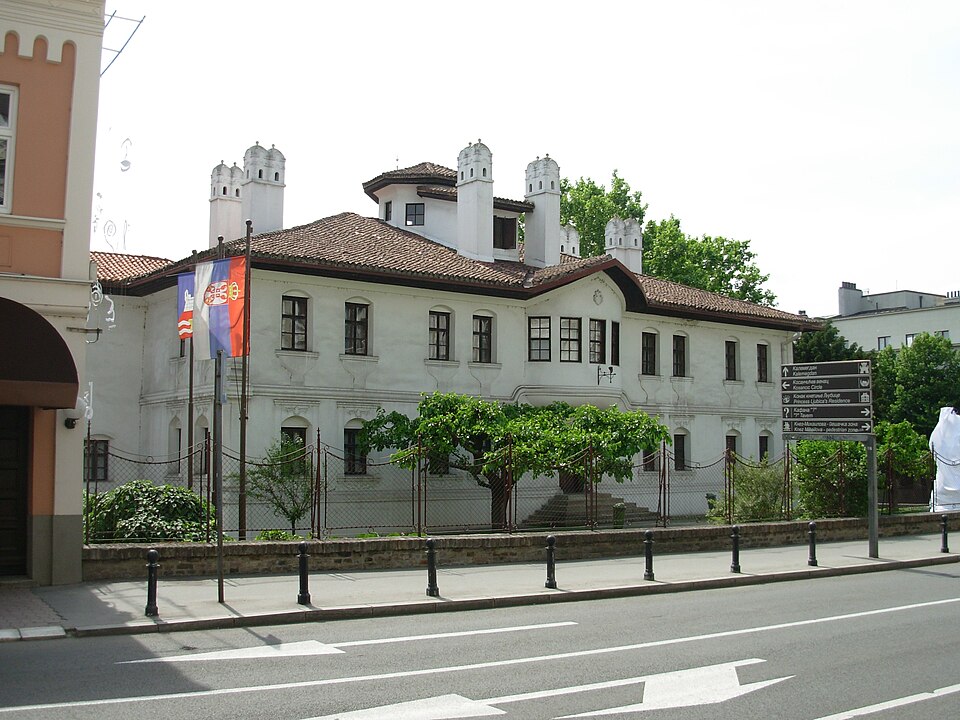
Princess Ljubica's Residence is an 1830 town house in Belgrade's Stari Grad district, built for Prince Miloš Obrenović as a home for his wife, Princess Ljubica, and their sons Milan and Mihailo. It stands at the corner of Kneza Sime Markovića and Kralja Petra streets, close to Republic Square and Knez Mihailova. The architect was Hadži-Neimar, Hadži Nikola Živković of Edessa; the foundation was laid in July 1829 and the building was finished in late autumn 1830.
It is now a house museum run by the Belgrade City Museum, with a permanent exhibition set inside the restored 19th-century rooms. It was designated a Monument of Culture of Exceptional Importance in 1979, Serbia's highest heritage protection category.
Checked 2026-08-23 · Source
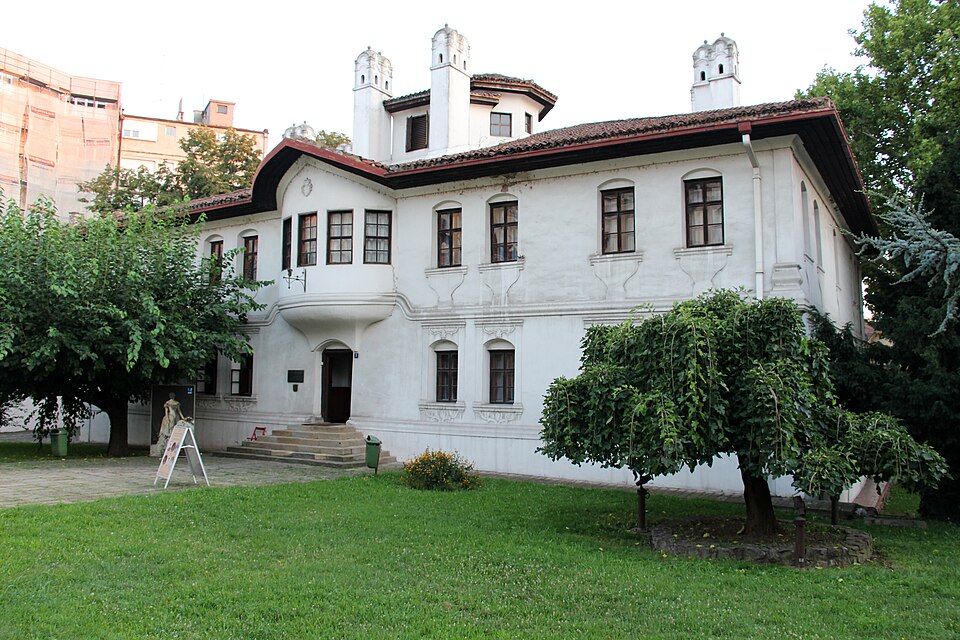
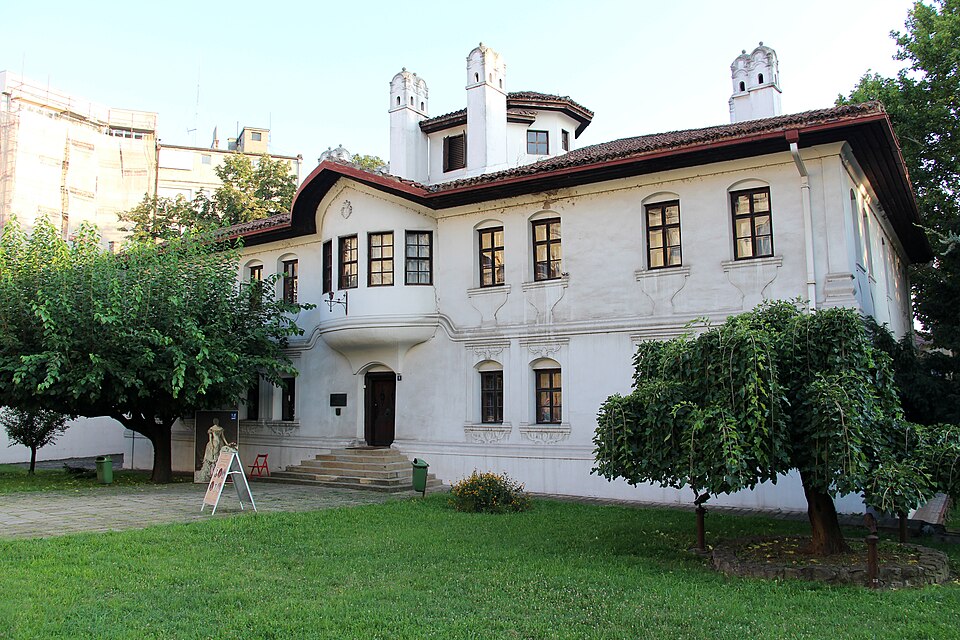
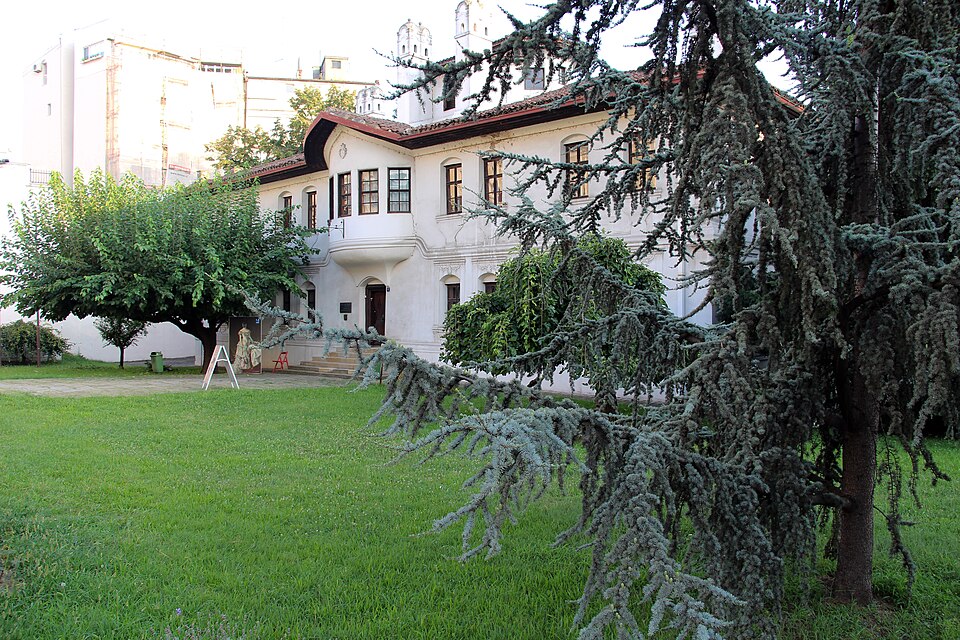
The residence is built in a Serbian-Balkan style with clear European influence, over three levels: a vaulted basement, a ground floor and an upper storey, in bondruk construction, a timber frame filled with unbaked brick. A four-slope tiled roof with an octagonal dome and eight chimneys covers the building, and each floor has a divanhana, the open reception and dining room typical of Balkan town houses of the period.
The Belgrade City Museum's permanent exhibition inside recreates the furnished interior of a wealthy 19th-century Belgrade household, combining Ottoman-influenced and European furnishings across the building's rooms and divanhanas, in keeping with the building's own period and layout. Between its use as a family home and its life as a museum, the building also served the Institution for Education of Deaf Children between 1912 and 1929, the Museum of Serbian Orthodox Church in 1941, offices of the Serbian Patriarchate between 1945 and 1947, and the Institute for Cultural Heritage Preservation between 1947 and 1971 — a run of institutional uses that the 1971 to 1979 restoration set aside to return the rooms to their original character.
Checked 2026-08-23 · Source

Allow around 45 minutes to an hour to walk through the museum's rooms at a normal pace; the building is compact, three floors of a single town house rather than a large museum complex, so the visit is short compared with a full-scale palace or gallery.
Checked 2026-08-23
Current opening days and hours are not published on the sources this page uses and are not reproduced here; check with the Belgrade City Museum before travelling. As a small indoor museum, weather does not affect a visit, and going earlier in the day tends to mean fewer other visitors moving through the same small rooms.
Checked 2026-08-23
Current ticket prices are not published on the sources this page uses and are not reproduced here; the residence operates as one of the Belgrade City Museum's sites, so its admission is typically set and sold the same way as the museum's other house-museum locations.
Checked 2026-08-23
The residence is in Stari Grad, at the corner of Kneza Sime Markovića and Kralja Petra streets, a few minutes' walk from Republic Square and Knez Mihailova. Belgrade has no metro, so the practical way in is on foot from the old town centre, which takes about five to ten minutes, or by tram or bus to a stop along Kralja Petra or nearby Vasina street.
Checked 2026-08-23
The building's rooms and staircases are those of a genuine 1830 town house rather than a purpose-built gallery, so ceilings are low, stairways are narrow, and step-free access through all three levels should not be assumed; visitors with mobility needs should confirm access with the Belgrade City Museum before visiting.
As with the museum's other historic-house sites, flash photography and tripods are commonly restricted to protect furnished period interiors, though the exact photography policy is not detailed on the sources this page uses. Treat any furnished room as fragile rather than assuming display cases are the only protected items.
The residence is one of several Belgrade City Museum branch sites spread across the city rather than a single central building, so it is worth confirming that a given day trip is aimed at this specific address in Stari Grad and not another museum branch elsewhere in Belgrade before setting out.
Checked 2026-08-23
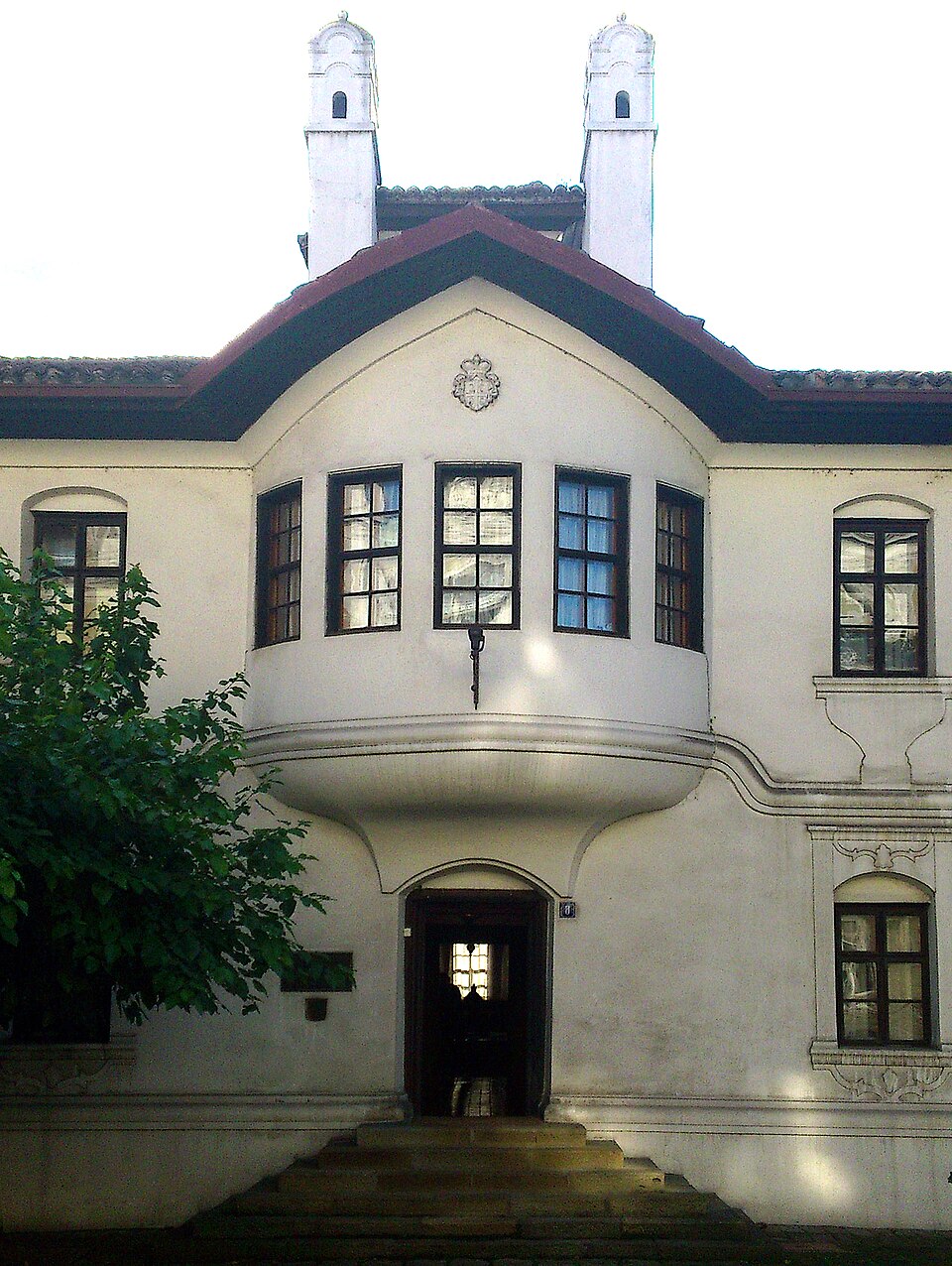
The exterior is most legible from across Kralja Petra street, where the roofline, dome and chimneys of the bondruk construction show clearly against the surrounding Stari Grad streetscape. Inside, the divanhanas on each floor, with their period furnishings, are the rooms most worth framing, subject to whatever photography rule the museum has posted on the day.
Checked 2026-08-23
Prince Miloš Obrenović had it built for his wife, Princess Ljubica, and their sons Milan and Mihailo; the foundation was laid in July 1829 and construction finished in late autumn 1830, to a design by Hadži-Neimar, Hadži Nikola Živković of Edessa.
Yes, as a house museum run by the Belgrade City Museum, with a permanent exhibition set inside the restored 19th-century interior.
A Serbian-Balkan style with European influence, built in bondruk construction, a timber frame filled with unbaked brick, over a vaulted basement, ground floor and upper storey, under a four-slope tiled roof with an octagonal dome.
Among other uses, it housed the Belgrade Lyceum from 1846 to 1863, the First Grammar School of Belgrade and the Supreme Court of Appeals from 1863 to 1905, and an institution for deaf children's education from 1912 to 1929, before its 1971 to 1979 restoration as a museum.
Around 45 minutes to an hour, since the museum occupies a single three-storey town house rather than a large complex.
In Belgrade's Stari Grad district, at the corner of Kneza Sime Markovića and Kralja Petra streets, close to Republic Square and Knez Mihailova.
Loading the interactive map…
The interactive map could not be loaded.
Last updated:
Source: OpenStreetMap contributors, Wikidata ·