


1 min walk · Stari Grad
Gallery "Zvono"
- High
- Art and culture venue
Language · 1 published
Museum · Градска општина Стари град, Belgrade
Музеј Вука и Доситеја
Read from the OpenStreetMap access tags; anything not listed has no tag recorded.
Set the group type to family in the planner and the day window contracts to about three quarters of a solo day.
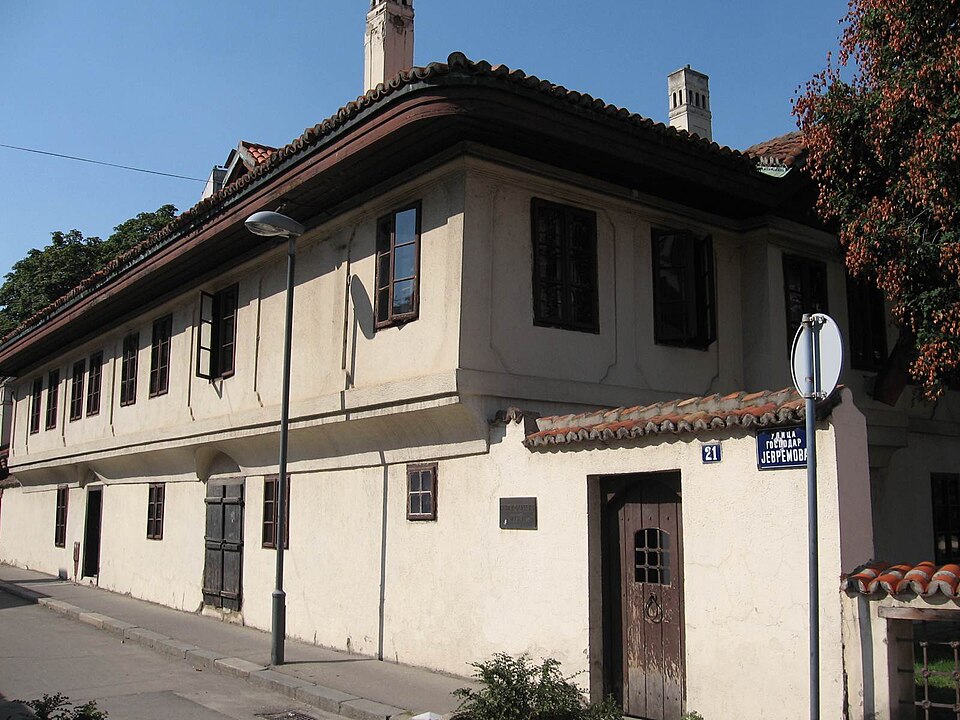
The Museum of Vuk and Dositej is a single-house museum in the Stari Grad district of Belgrade dedicated to two figures of the Serbian Enlightenment: Dositej Obradović (1742–1811), writer and Serbia's first Minister of Education, and Vuk Stefanović Karadžić (1787–1864), the reformer of the Serbian language. It was established in 1949, making it a much later institution than the building it occupies.
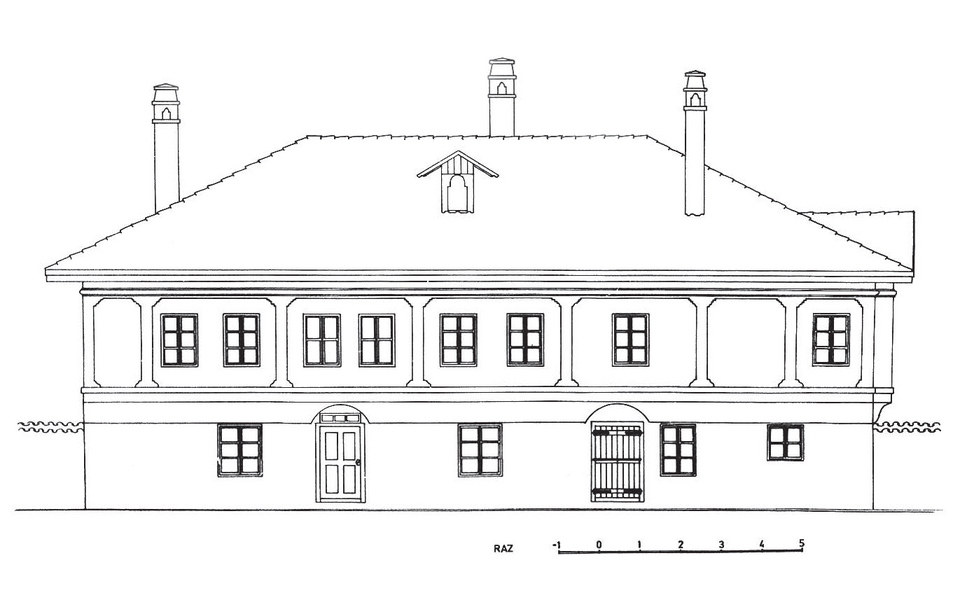
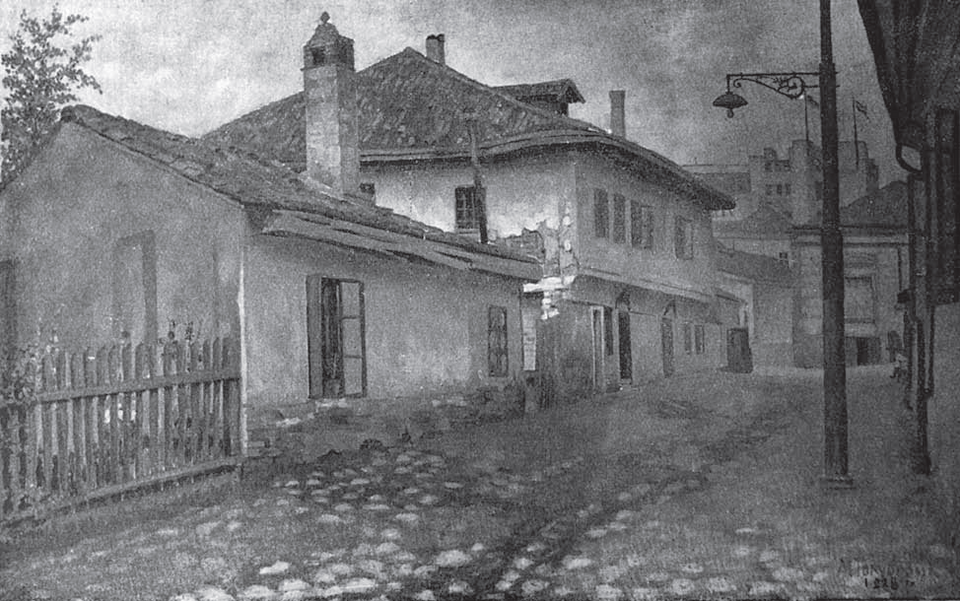
That building was constructed in 1739 and is counted among Belgrade's eight oldest preserved residential structures. Built in the Ottoman period, it may have served as the residence of a Belgrade defterdar — a treasury official — or as a harem quarter; its exact original use is not settled. In 1808 it became home to the Belgrade Higher School, the institution Dositej Obradović founded that year as Serbia's first higher-education establishment and the forerunner of the University of Belgrade. Vuk Karadžić was among the school's first students, which is why the same building now honours both men.
Checked 2026-08-23 · Source
The museum is arranged over two floors, one for each namesake. The upper floor covers Vuk Karadžić: personal belongings including a travel bag, spectacles and a holster, alongside documents, portraits and correspondence. Among the books on display is a copy of John Bowring's 1827 English translation of Karadžić's collected poetry, an early sign of how quickly his work on Serbian folk literature reached readers outside the region.
The ground floor is given to Dositej Obradović: his library, manuscripts, and a plaque commemorating the year he spent living in London in 1784. Since 1979 the museum has been run under the National Museum of Serbia, and it publishes an annual journal called Mala Riznica — Small Case — that has run since 1958, alongside thematic exhibitions, lectures and outreach programmes tied to the two men's legacy.
Checked 2026-08-23 · Source
Thirty to forty-five minutes is enough for both floors — this is a small house museum, not a collection to spend an afternoon in. Most of that time is spent reading the documents and correspondence rather than moving between large gallery spaces, since the rooms themselves are modest and the museum's two floors correspond directly to its two subjects.
Because the building itself, one of Belgrade's oldest surviving houses, is as much the point as the objects inside it, it is worth pausing on the ground floor before starting the visit proper to take in the 1739 structure rather than moving straight to the display cases.
Checked 2026-08-23
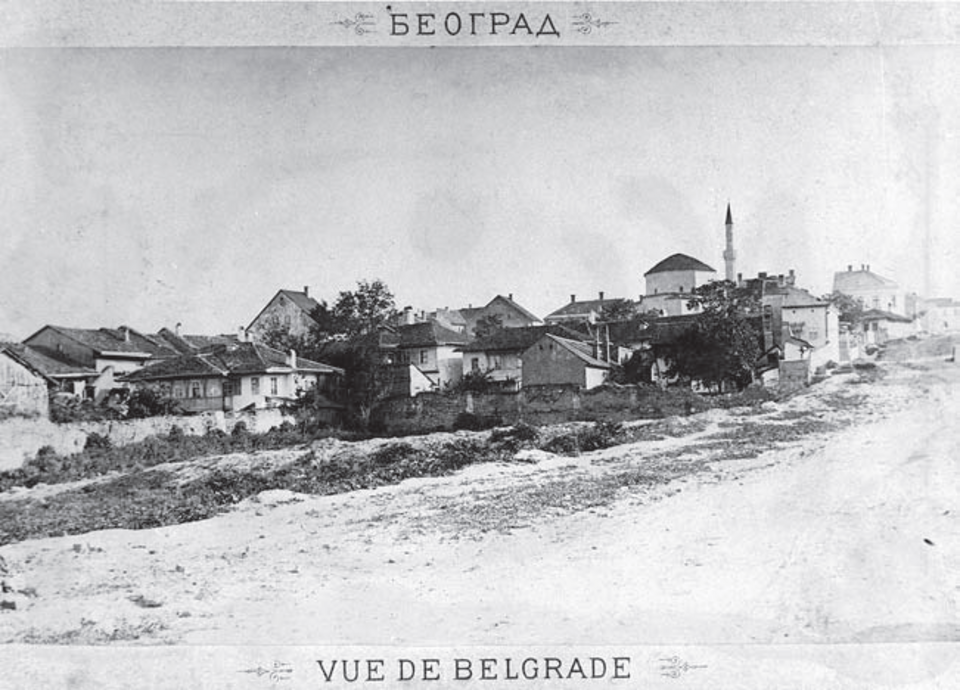
The museum sits in the Stari Grad old-town district, so it fits naturally into a morning or early-afternoon walk through the historic core rather than needing a dedicated trip. Given its small size, it rarely draws the queues that form at Belgrade's larger museums, so timing a visit around opening hours matters less here than choosing a day when the rest of the old-town walk is planned anyway.
As a specialist literary and historical museum rather than a major tourist draw, it suits a visitor with a specific interest in Vuk Karadžić's language reforms or Dositej Obradović's role in founding Serbian higher education more than a first-time visitor working through Belgrade's headline sights.
Checked 2026-08-23
Current ticket rates are not published on the sources this page uses and are not reproduced here. As a branch of the National Museum of Serbia, its admission structure is likely to follow that institution's general pattern, but the specific price should be confirmed with the museum rather than assumed.
Checked 2026-08-23
The museum is in Stari Grad, Belgrade's old town, within the same walkable district as Republic Square, Knez Mihailova and the Ethnographic Museum. Belgrade has no metro, so the old town is reached on foot from a central hotel or by tram to its edge, and the museum itself is a stop reached entirely on foot once inside the historic core.
Its position among Stari Grad's older residential streets, rather than on one of the district's main pedestrian avenues, means it is easy to walk past without noticing — worth locating in advance rather than expecting to stumble on it.
Checked 2026-08-23
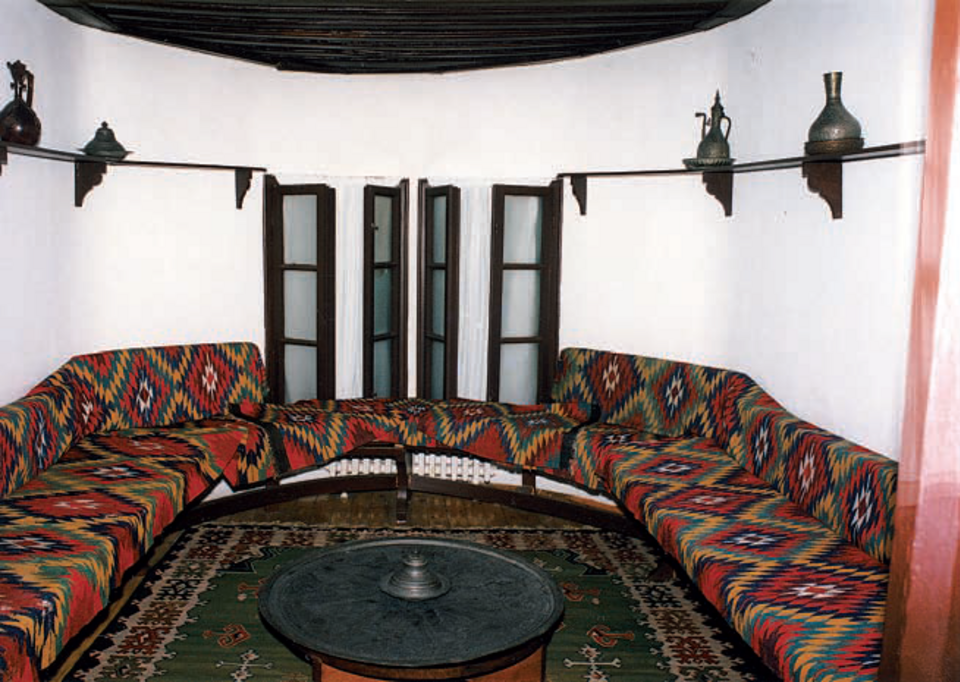
As a small historic house rather than a purpose-built museum, the staircases and room proportions follow the original 1739 residential layout, not modern accessibility standards — a visitor with mobility difficulty should expect narrow stairs between the ground and upper floors rather than a lift.
Because the displayed correspondence, portraits and Vuk Karadžić's 1827 English translation are original historical documents rather than facsimiles, handling restrictions and, in some rooms, photography limits are common in museums holding paper this old; checking with staff on arrival avoids an issue partway through the visit.
Checked 2026-08-23
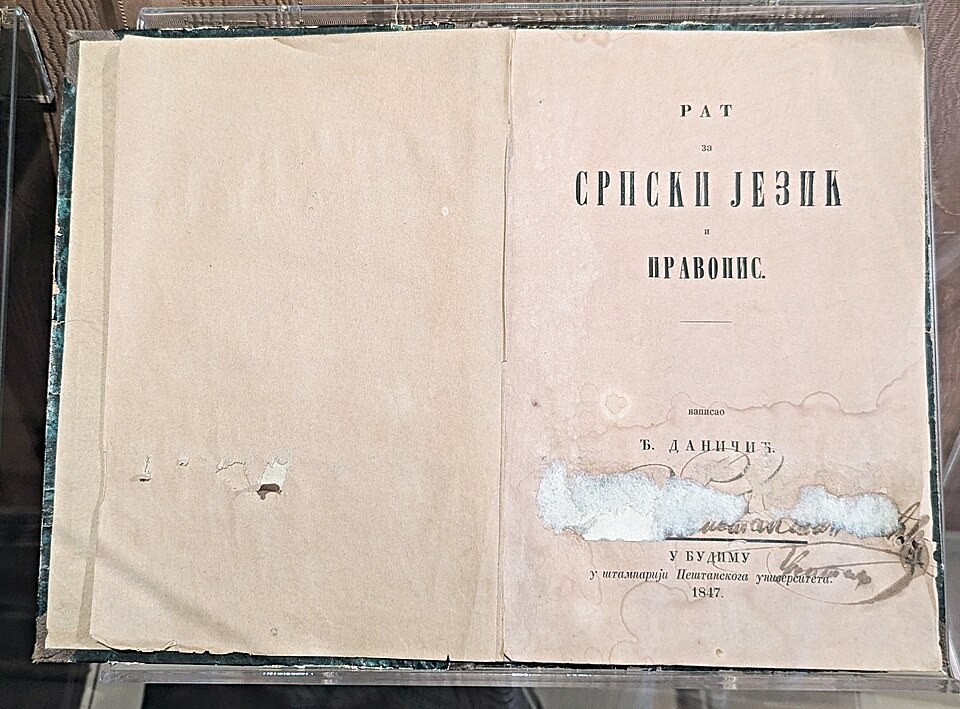
Given the age of the manuscripts, correspondence and the 1827 Bowring translation on display, photography of individual documents is the kind of thing house museums holding fragile paper commonly restrict, so it is worth confirming the policy at the entrance rather than assuming free photography throughout both floors.
The building's exterior and the older streets of Stari Grad around it carry no such restriction and are a natural subject in their own right, since the house is one of only eight residential structures surviving from Belgrade's Ottoman period.
Checked 2026-08-23
Dositej Obradović (1742–1811) was an Enlightenment writer and Serbia's first Minister of Education, who founded the Belgrade Higher School in 1808. Vuk Stefanović Karadžić (1787–1864), a reformer of the Serbian language, was one of that school's first students.
It was built in 1739, making it one of Belgrade's eight oldest preserved residential buildings. The museum itself was established later, in 1949.
It may have served as an Ottoman-era Belgrade defterdar's residence or as a harem quarter. In 1808 it became home to the Belgrade Higher School, the forerunner of the University of Belgrade.
Over two floors: the upper floor covers Vuk Karadžić's belongings, documents and correspondence, and the ground floor covers Dositej Obradović's library, manuscripts and a plaque marking his 1784 residency in London.
It has been governed by the National Museum of Serbia since 1979, and it publishes an annual journal, Mala Riznica (Small Case), that has run since 1958.
Yes, in the Stari Grad old-town district, within the same walkable area as Republic Square, Knez Mihailova and the Ethnographic Museum.
Loading the interactive map…
The interactive map could not be loaded.
Last updated:
Source: OpenStreetMap contributors, Wikidata ·