
.jpg)


2 min walk · Stari Grad
Bista Milutina Bojića
- High
- Historic monument
Language · 1 published
Museum · Градска општина Стари град, Belgrade
Дом Јеврема Грујића
Closed today, Wednesday. Next open Thursday at 15:00 — the planner will not place a stop here on a Wednesday.
Plan around it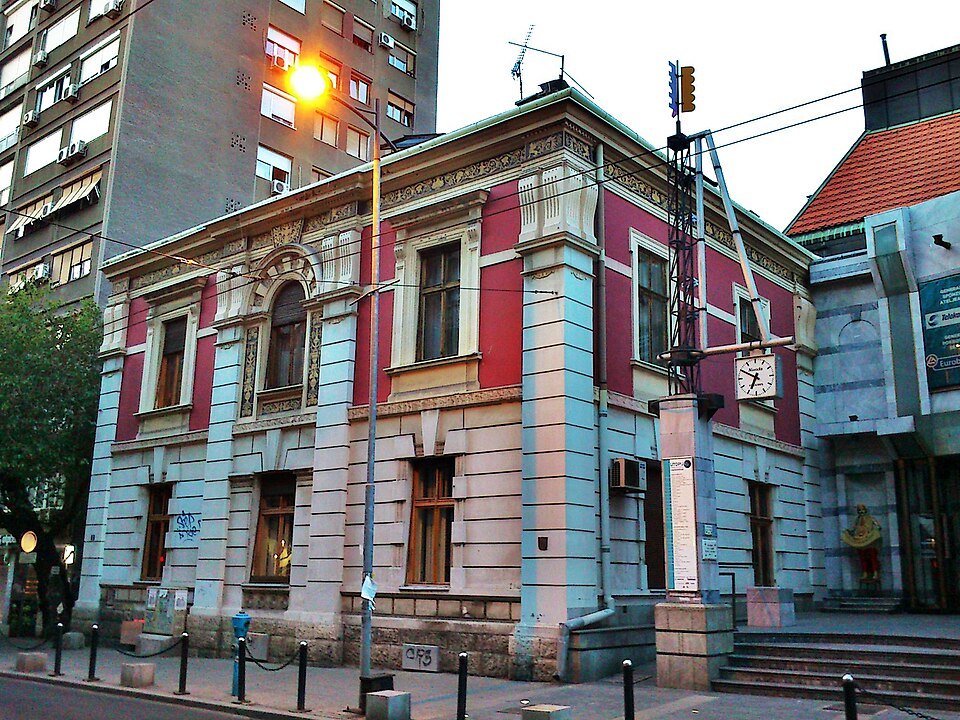
| Monday | Closed |
|---|---|
| Tuesday | Closed |
| Wednesday | Closed |
| Thursday | 15:00 – 20:00 |
| Friday | 15:00 – 20:00 |
| Saturday | 11:00 – 16:00 |
| Sunday | 11:00 – 16:00 |
Parsed from OpenStreetMap opening hours on 2026-08-25.
The house known today as Jevrem Grujic's House is one of the oldest preserved civic houses in Belgrade's old town, built in the early decades of the nineteenth century, in the years after the Serbian uprisings when the town's Ottoman-era wooden housing was being rebuilt in a more permanent, Balkan urban style. It takes its name from Jevrem Grujic (1826-1895), a Serbian statesman and one of the leading figures of nineteenth-century Serbian liberalism, who lived in the house.
Grujic was a delegate to the 1858 St. Andrew's Assembly that recalled Prince Milos Obrenovic to the throne, and he later served the Serbian state as a diplomat and briefly as prime minister. He belonged to the generation of young Serbian liberals educated abroad who pushed for constitutional limits on princely power, and the house associated with his name is remembered as much for the political circle that gathered there as for its own architecture. That generation of reformers shaped the constitution adopted in 1869, and Grujic's own career threading between royal court politics and the liberal opposition is part of what makes the house a marker of that period rather than a generic old building.
Checked 2026-08-24 · Source
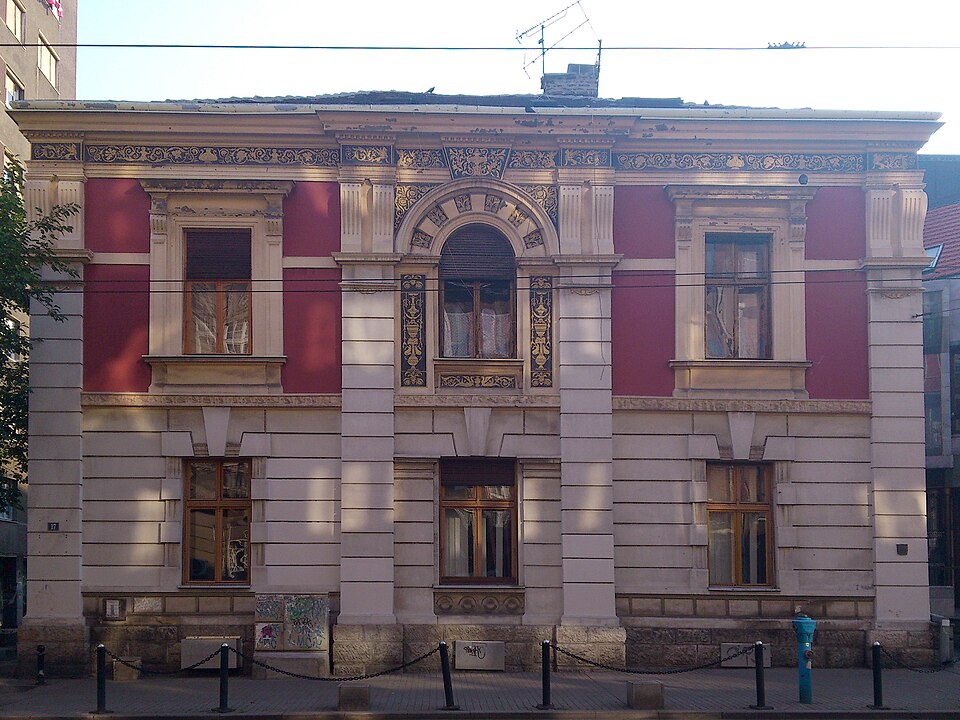
The building is valued today chiefly for its architecture rather than a museum display: a low, two-storey civic house in the transitional Balkan urban style that bridges the Ottoman-era wooden housing of old Belgrade and the more formal, Central European facades that replaced it later in the nineteenth century. It is protected as a cultural monument for that architectural value as much as for its association with Grujic himself. Its low eaves, small windows and modest street frontage are typical of the houses that once lined the whole of the old town before later, taller construction replaced most of them, which is why the survival of this one house is treated as significant rather than incidental. The style sits between the Ottoman carsija houses that once dominated the district and the neoclassical townhouses that Belgrade's elite built after independence, making it a physical record of a transition that most of the surrounding street no longer shows.
Checked 2026-08-24
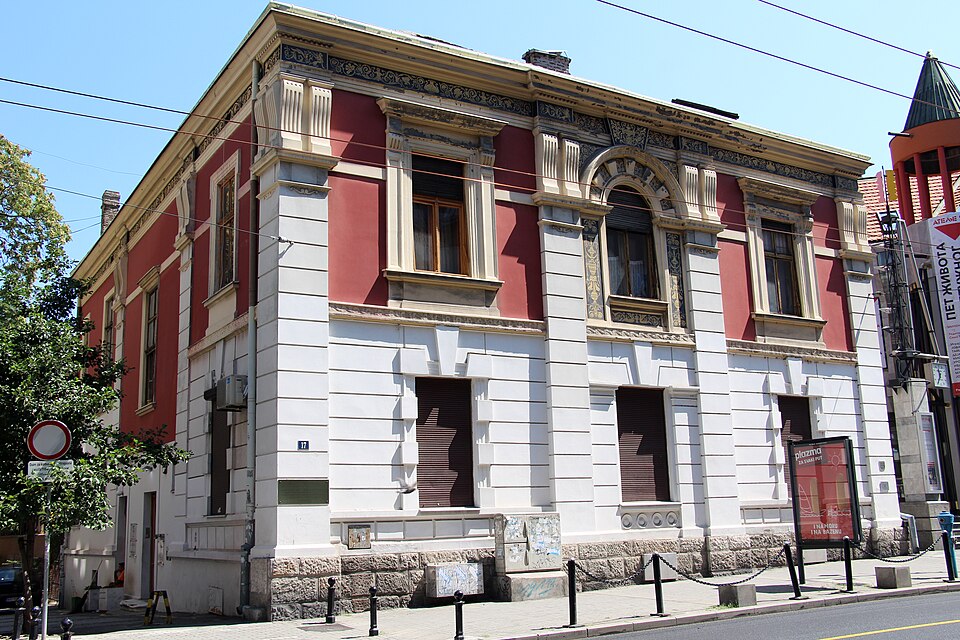
The house is normally seen from the street as part of a walk through the old town rather than entered on a timed visit; five to ten minutes is enough to take in the facade and read its plaque. A visitor combining it with the nearby Belgrade City Museum and the Residence of Princess Ljubica can cover all three on one old-town walk.
Checked 2026-08-24
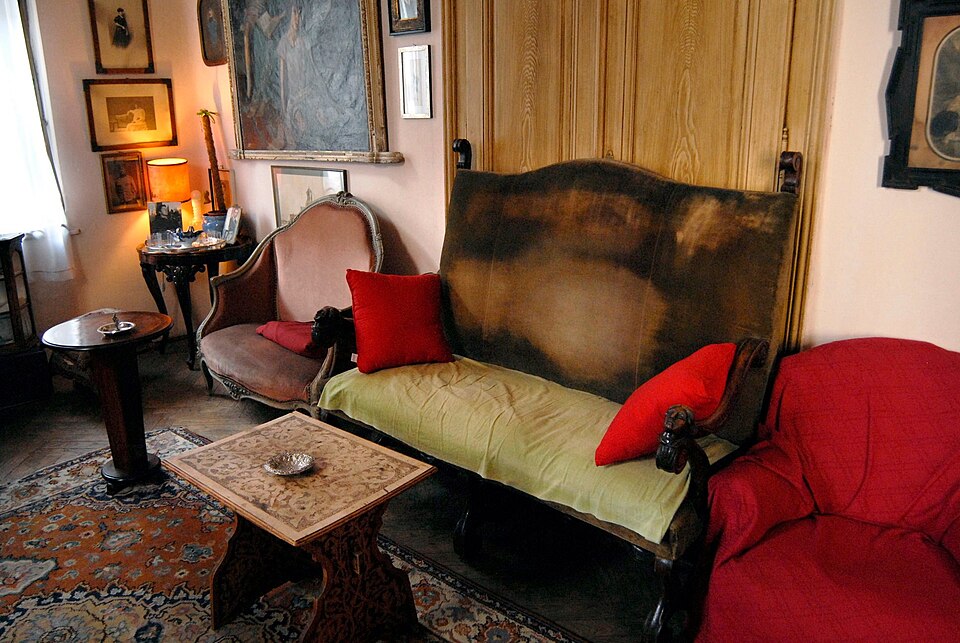
Whether the interior is open to the public, and on what schedule, is not recorded here — the house is most reliably seen as a street-level stop rather than a ticketed visit. As with any street-facing stop, daylight hours give the clearest view of the facade and its plaque, and there is no seasonal closure to plan around.
Checked 2026-08-24
Admission is not recorded here; the building's current public access, if any, should be confirmed locally before planning an interior visit. As a street-level stop, there is no admission question at all for a visitor who only wants to see the exterior and its protected-monument plaque.
Checked 2026-08-24
The house stands in Belgrade's old town core, within easy walking distance of Students' Square and the streets around Kralja Petra, an area served by the tram and trolleybus lines that cross the old town. It sits close enough to the Belgrade City Museum and other old-town stops to fold into the same short walk without a detour.
Checked 2026-08-24
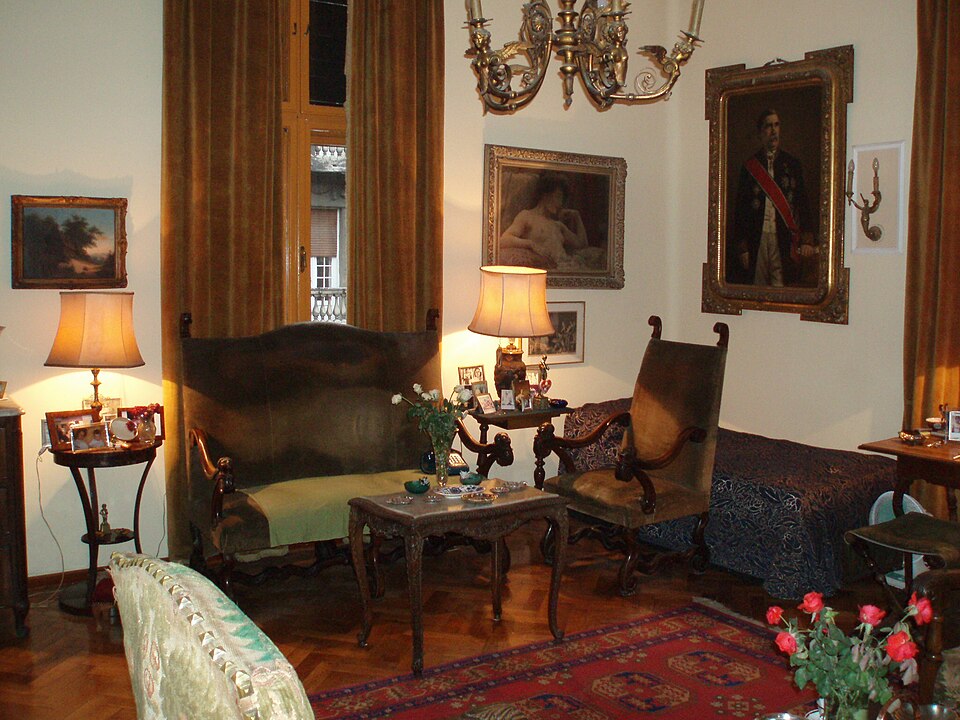
The house is easy to miss among later, taller neighbours on the same street, since it keeps its original low, two-storey scale; look for the protected-monument plaque rather than a grand facade. If the interior is not open on the day, the exterior and plaque are still the point of the stop. As a working or protected building rather than a museum, there is no set opening routine to plan around and no guarantee of access beyond the street view on any given day.
Checked 2026-08-24
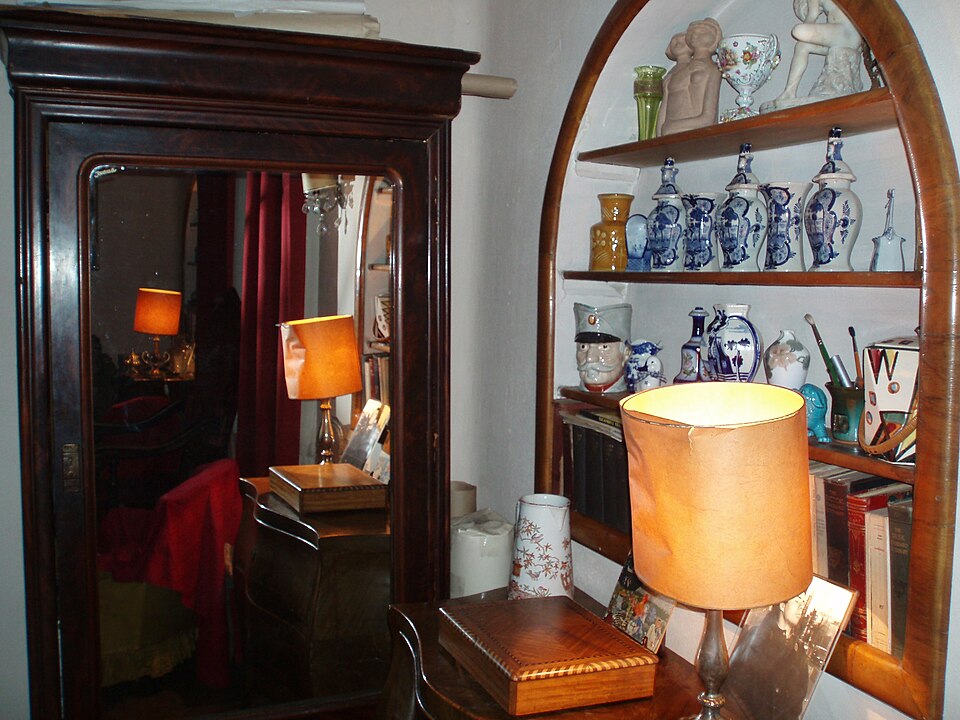
The narrow street it stands on suits a straight-on shot of the facade more than a wide angle; early morning avoids the parked cars that commonly line the kerb later in the day. The low roofline and modest scale are the point of the shot, not a grand entrance, so a wider view that includes the taller neighbours makes the contrast clear.
Checked 2026-08-24
A Serbian statesman (1826-1895) and leading figure of nineteenth-century Serbian liberalism, a delegate to the 1858 St. Andrew's Assembly and later a diplomat and briefly prime minister.
It dates from the early decades of the nineteenth century, among the oldest preserved civic houses in Belgrade's old town.
It is protected as a cultural monument chiefly for its architecture; current public access to the interior is not recorded here.
A transitional Balkan urban style bridging Ottoman-era wooden housing and the later, more formal Central European facades of Belgrade's old town.
Five to ten minutes to see the facade and its plaque, since it is usually taken in as a stop on a longer walk.
Loading the interactive map…
The interactive map could not be loaded.
Last updated:
Source: OpenStreetMap contributors, Wikidata ·