


1 min walk · Stari Grad
Monument to Nikola Pašić
- High
- Historic monument
Language · 1 published
Museum · Градска општина Стари град, Belgrade
Историјски музеј Србије
| Monday | Closed |
|---|---|
| Tuesday | 12:00 – 20:00 |
| Wednesday | 12:00 – 20:00 |
| Thursday | 12:00 – 20:00 |
| Friday | 12:00 – 20:00 |
| Saturday | 12:00 – 20:00 |
| Sunday | 12:00 – 20:00 |
Parsed from OpenStreetMap opening hours on 2026-08-25.
The Historical Museum of Serbia (Istorijski muzej Srbije) was established in 1963 as the national institution charged with collecting material on Serbian history from the medieval state through the twentieth century, distinct from the archaeology-focused National Museum next to Republic Square.
Unlike most national museums, it has never had a purpose-built permanent home: since its founding it has shown its collection through a rotating series of temporary exhibitions in borrowed and shared premises, a situation that has persisted for decades while a dedicated building remains unbuilt. Successive plans for a purpose-built national history museum in Belgrade have been proposed and shelved over the decades, leaving the institution's own staff to work from storage and borrowed exhibition halls rather than a single public-facing building of its own, an unusual position for a country's national history collection.
Checked 2026-08-24 · Source
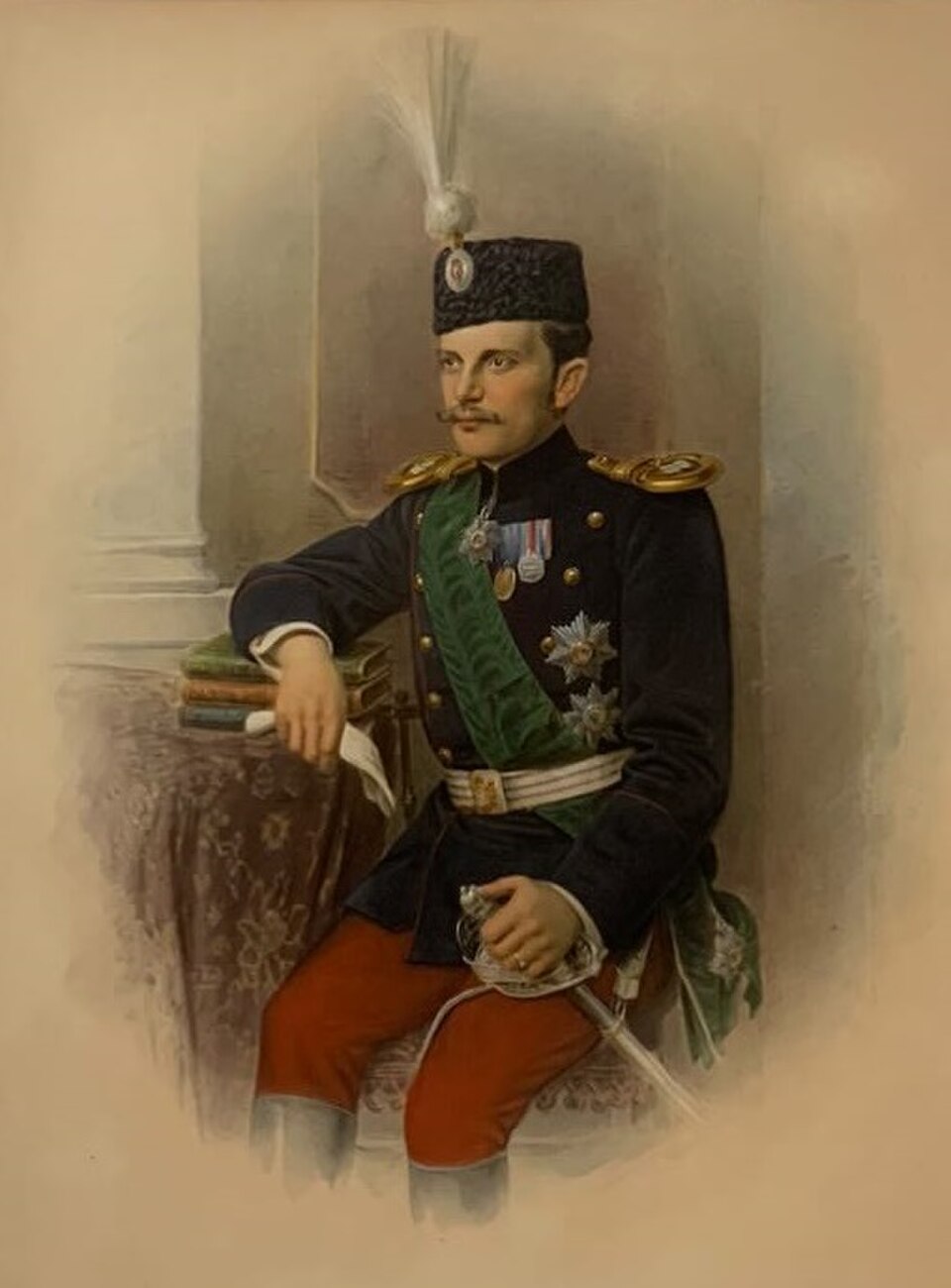
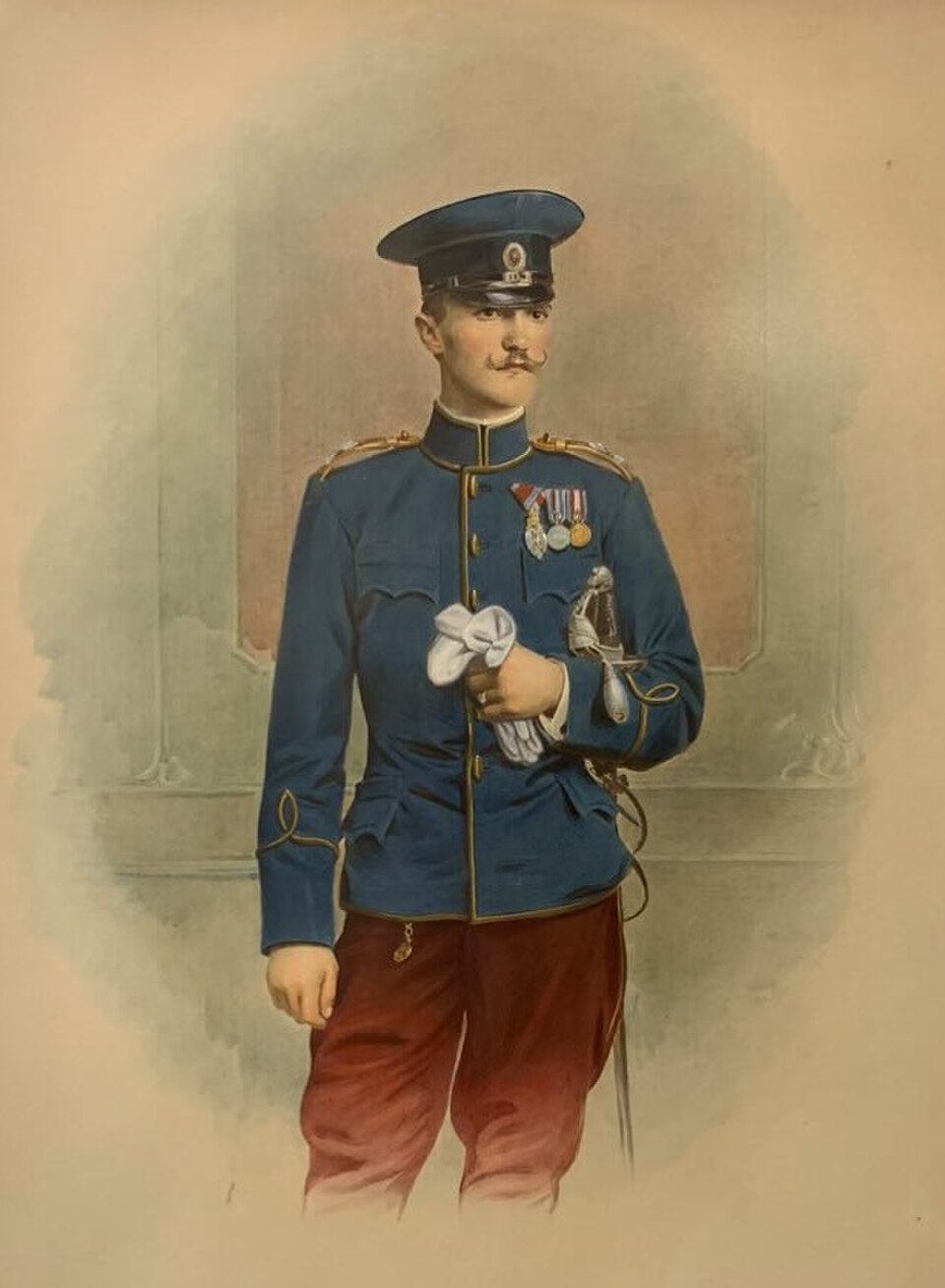
The collection runs from the medieval Nemanjic dynasty and the Serbian Despotate, through Ottoman rule and the First and Second Serbian Uprisings of the early nineteenth century that produced the modern Serbian state, to the Balkan Wars, the First and Second World Wars, and the socialist Yugoslav period. Because the museum has no single permanent gallery, what is on show at any given time is set by whichever temporary exhibition is running rather than by a fixed walk-through of the whole timeline. Past exhibitions have drawn on the museum's own archive of uniforms, weapons, medals, documents and photographs, often built around a single anniversary or theme rather than a general survey, so two visits months apart can show entirely different material. The museum's holdings also include material from Serbia's diplomatic history and from the lives of its nineteenth-century ruling dynasties, filling in periods the battlefield-focused exhibitions do not always cover. Its holdings also draw on material transferred from earlier historical collections assembled before the Second World War, so parts of the archive predate the museum's own 1963 founding by decades even though the institution itself is comparatively young.
Checked 2026-08-24 · Source
A single temporary exhibition typically takes 45 minutes to an hour to see. Because there is no permanent, multi-room chronology to work through, a visit here runs shorter than at a museum with a full permanent display, and it pairs easily with another old-town stop on the same afternoon.
Checked 2026-08-24
Opening days depend on whichever exhibition is currently installed; current hours are not recorded here and should be checked against the museum's own announcement before a visit is planned around a specific exhibition. Because the venue itself can move between exhibitions, confirming both the dates and the address in the same check avoids a wasted trip.
Checked 2026-08-24
Admission price is not recorded here, since it can change with each temporary exhibition; confirm the current price with the museum before visiting. Some past exhibitions have run free of charge as state-funded commemorations, others as ticketed shows, so no single price holds across the museum's history.
Checked 2026-08-24
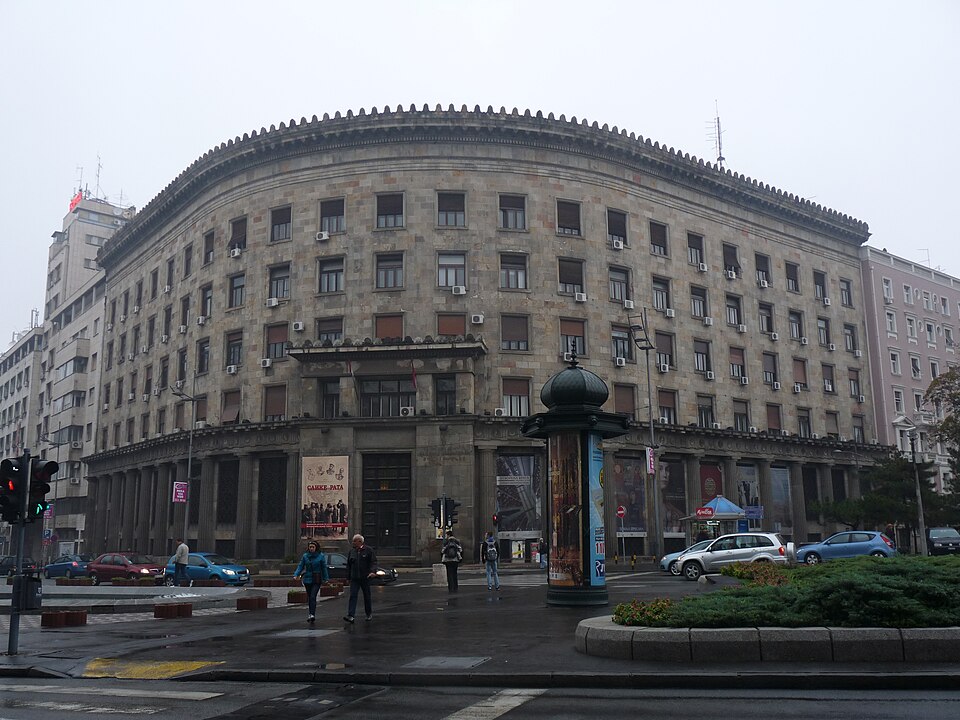
The museum's exhibitions are commonly held on or near Trg Nikole Pasica, in central Belgrade a short walk from the National Assembly and Republic Square, served by the tram and trolleybus lines that cross the square. The exact building for the current exhibition should still be checked, since the museum moves between venues more often than a fixed-address institution, and the square itself sits close enough to Republic Square and the National Museum to be folded into the same central walk.
Checked 2026-08-24
Because the museum has no fixed address for its permanent collection, confirm the venue for the current exhibition before travelling — a visitor expecting a single historic building, as at most of Belgrade's other museums, can otherwise arrive at the wrong address. Labelling has historically leaned Serbian-only for some temporary shows; check in advance if that matters for the visit. Because exhibitions are often built around a single anniversary, the busiest days tend to cluster around the date being marked rather than spreading evenly across the run, so a quieter weekday outside that anniversary is worth choosing when the schedule allows it.
Checked 2026-08-24
Photography policy is set per exhibition rather than by a single museum-wide rule, since the venue itself changes; ask at the entrance desk of whichever exhibition is currently running. Archival photographs and documents on loan from other institutions are the material most often restricted, more than the exhibition's own artefacts.
Checked 2026-08-24
In 1963, as the national institution for Serbian history distinct from the archaeology-focused National Museum.
No — it has never had a purpose-built permanent home and shows its collection through rotating temporary exhibitions in shared premises.
From the medieval Nemanjic dynasty and Serbian Despotate through the nineteenth-century uprisings, the Balkan Wars, both World Wars and the socialist Yugoslav period.
About 45 minutes to an hour for a single temporary exhibition.
Commonly on or near Trg Nikole Pasica in central Belgrade, though the venue changes with each exhibition, so it should be confirmed before a visit.
Loading the interactive map…
The interactive map could not be loaded.
Last updated:
Source: OpenStreetMap contributors, Wikidata ·