

15 min walk
Plain of Arafat
- Must see
- Place of worship
Language · 11 published
Place of worship · Mecca
مسجد نمرة

Read from the OpenStreetMap access tags; anything not listed has no tag recorded.
Set the group type to family in the planner and the day window contracts to about three quarters of a solo day.
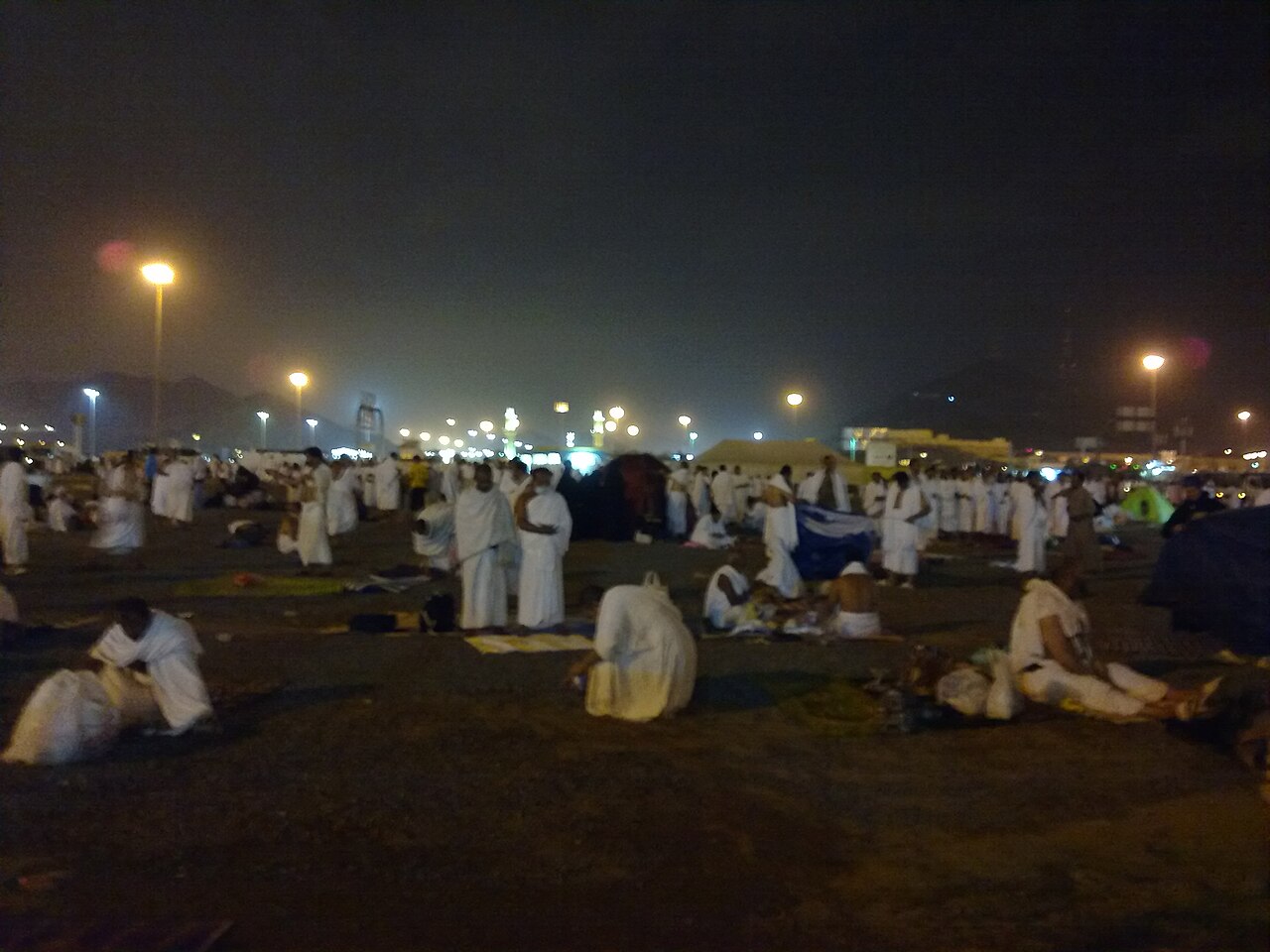
Namirah Mosque, also called Masjid Namirah, stands in the Plain of Arafat near Mecca. It is closely associated with the Day of Arafat and the Hajj pilgrimage, when worshippers gather for the Wuquf. The mosque’s meaning is therefore inseparable from Islamic pilgrimage, prayer, and the sacred landscape surrounding Arafat rather than from ordinary sightseeing alone. Masjid Namirah, locally known as مسجد نمرة, is a mosque located in the plain of Arafat near Mecca, Saudi Arabia. It holds profound significance in Islamic tradition as the site where the Prophet Muhammad delivered his Farewell Sermon during his final pilgrimage. The mosque occupies a position at the boundary where the standing at Arafat (Wuquf) takes place during the Hajj pilgrimage. It serves as a major congregational space for pilgrims on the 9th day of Dhu al-Hijjah. A flexible visit lets travellers connect مسجد نمرة with the rest of the day without treating one room, viewpoint or photograph as the whole experience. The useful pace depends on personal interest and conditions on arrival. No. Non-Muslims are prohibited from entering the city of Mecca and its sacred sites, including Masjid Namirah. This restriction is enforced at checkpoints.
Checked 2026-08-26 · Source
Namirah Mosque is built to serve very large congregations. Its prayer spaces combine modern infrastructure with Islamic architectural elements, including areas for worship, a mihrab indicating the direction of prayer, a minbar for sermons, and ablution facilities. During Hajj, the mosque functions within an immense pilgrimage setting where the surrounding plain, organized movement, and collective worship are as important as the building itself. The mosque features expansive prayer halls designed to accommodate vast numbers of worshippers during peak pilgrimage periods. Modern architectural elements blend with traditional Islamic design principles. Interior spaces include air-conditioned sections and open-air areas. The structure contains mihrab indicators for prayer direction, minbar for sermons, and ablution facilities. Given its role during Hajj, the mosque is equipped to handle extraordinary crowds, with infrastructure supporting hundreds of thousands of pilgrims simultaneously during the Wuquf ritual.
Checked 2026-08-26 · Source
Outside the pilgrimage period, a quiet visit for prayer or reflection may take roughly thirty minutes to an hour. During Hajj, the relevant commitment is the broader stay in Arafat on 9 Dhu al-Hijjah, from midday until sunset. Time at the mosque forms part of that religious observance, so it should be planned around worship, group movement, and the requirements of the pilgrimage day. A visit duration varies substantially depending on purpose. During regular non-pilgrimage periods, visitors may spend thirty minutes to one hour in prayer and reflection.
Checked 2026-08-26 · Source
Namirah Mosque has its greatest religious importance on the Day of Arafat during Hajj. Hajj follows the Islamic lunar calendar and moves earlier through the Gregorian calendar each year. The Arafat plain can be extremely hot, especially during summer conditions, making hydration, shade, and disciplined movement important. Outside Hajj, the atmosphere is quieter and the surrounding pilgrimage infrastructure is different.
Checked 2026-08-26 · Source
Worship at Namirah Mosque does not use ordinary tourist admission. Access during Hajj is tied to authorized pilgrimage arrangements, including the required visa and official permissions. Pilgrimage packages cover broader needs such as accommodation, transport, and logistics rather than functioning as a simple mosque entry ticket. Travelers should treat the mosque as part of the Hajj route and its regulated religious framework.
Checked 2026-08-26 · Source
The mosque is about twenty kilometers east of central Mecca in Arafat. During Hajj, buses, organized walking routes, and the pilgrimage transport system connect Mecca, Mina, Arafat, and Muzdalifah. Outside that period, private vehicles and taxis are the principal ways to reach the area. The distance and sacred-zone controls mean this is not a casual walk from central Mecca.
Checked 2026-08-26 · Source
Heat is the main physical hazard, with dehydration, heat exhaustion, and heatstroke posing serious risks on the Arafat plain. Large Hajj crowds also require careful attention to organized movement and emergency directions. Wear suitable clothing, drink regularly, and stay connected with your group. Mecca and its sacred sites are restricted to Muslims, and this rule applies to Namirah Mosque and the surrounding pilgrimage area.
Checked 2026-08-26 · Source
Namirah Mosque is a place of worship and a central setting during Hajj, so photography should remain secondary to prayer and pilgrimage duties. Avoid interrupting worshippers, blocking routes, or photographing people without consent. In dense crowds, large equipment creates practical risks. A discreet approach respects the sacred context and leaves attention available for the sermon, prayer, and collective observance associated with Arafat.
Checked 2026-08-26 · Source
Namirah Mosque is in Mecca’s sacred area, which is restricted to Muslims. Non-Muslims cannot enter Mecca or its sacred sites.
It is associated with the Day of Arafat and the Wuquf, the essential standing at Arafat during Hajj, as well as the Farewell Sermon.
During Hajj, pilgrims remain in Arafat from midday until sunset on 9 Dhu al-Hijjah, with mosque time forming part of that wider observance.
Namirah Mosque stands approximately twenty kilometers east of central Mecca, in the Plain of Arafat.
Hajj transport includes organized buses, walking routes, and pilgrimage transport connecting Mecca, Mina, Arafat, and Muzdalifah.
Prepare for intense heat and crowd movement with suitable clothing, regular hydration, group coordination, and attention to emergency directions.
Loading the interactive map…
The interactive map could not be loaded.

Last updated:
Source: OpenStreetMap contributors ·