
100 min walk
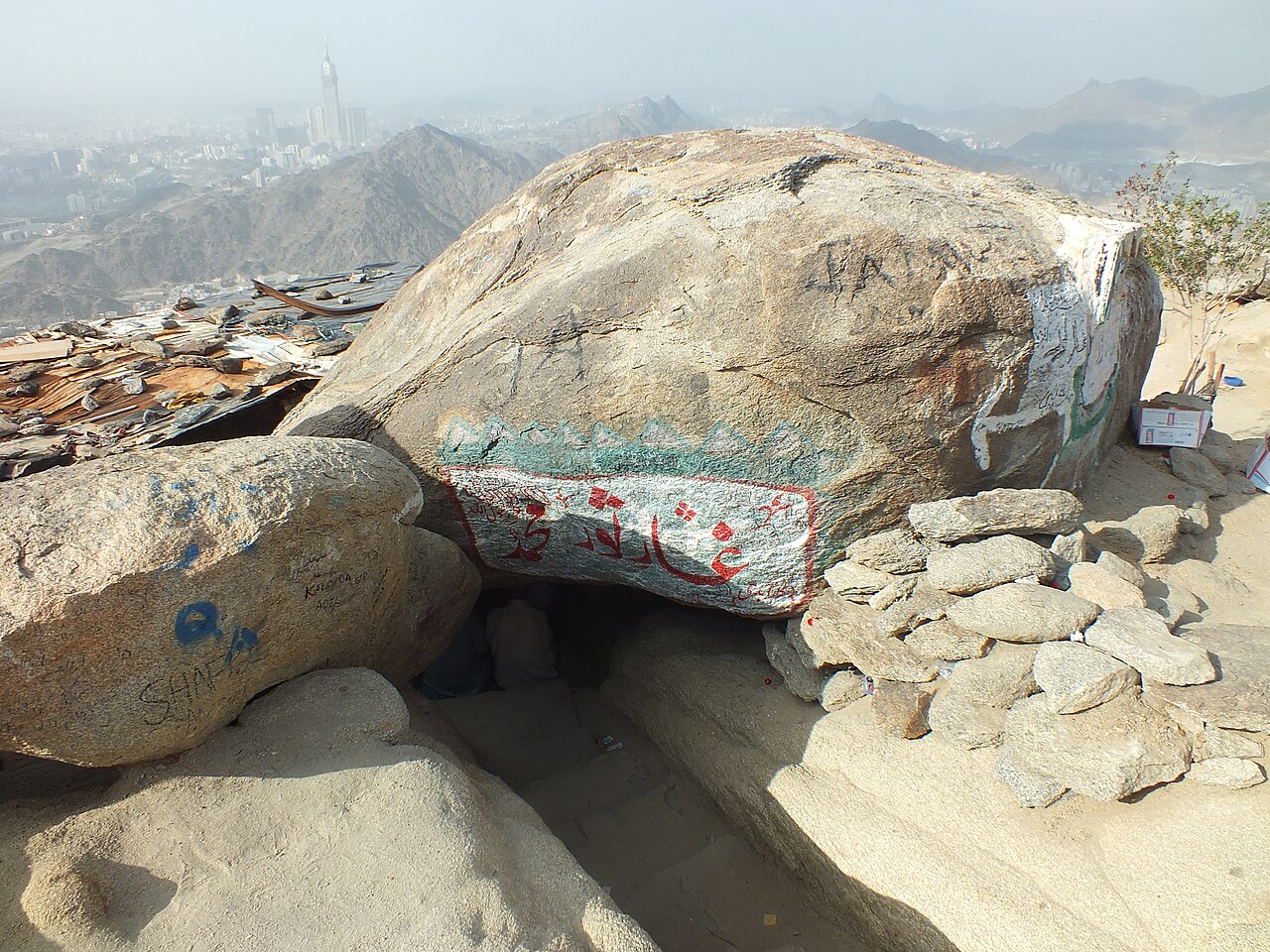
Jabal Thawr
- Must see
- Viewpoint
Language · 11 published
Place of worship · Mecca
مسجد عثمان بن عفان
Masjid Uthman ibn Affan is a mosque in Mecca named in honour of Uthman ibn Affan, the third Rashidun caliph and a close companion of the Prophet Muhammad. It serves as a place of Islamic worship within the city’s extensive religious infrastructure. The mosque is best understood through its present purpose: people come to pray, recite, reflect, and join communal worship. Its value is religious and local, rather than based on a tourist attraction format. Masjid Uthman ibn Affan is a mosque in Mecca named after Uthman ibn Affan, the third of the Rashidun caliphs and a close companion of the Prophet Muhammad. The mosque serves as a place of Islamic worship within the holy city. Its naming reflects historical reverence for early Islamic leadership. The structure functions as a standard prayer facility for residents and visitors to Mecca, contributing to the dense religious infrastructure that characterises the city. It represents part of the broader network of mosques supporting the spiritual needs of millions who travel to Mecca annually for pilgrimage and religious observance. No. Non-Muslims are prohibited from entering Mecca's central holy district under Saudi Arabian regulations, which applies to this mosque.
Checked 2026-08-26 · Source
The interior is arranged for prayer and congregational use, with the qibla guiding the organisation of the worship space. Visitors should expect a functional religious environment rather than galleries, display cases, or a formal interpretation route. The dedication to Uthman ibn Affan gives the mosque its name and spiritual association, while the experience comes from the quiet routine of worship. Move carefully, keep conversations low, and allow the congregation to set the pace. The interior of Masjid Uthman ibn Affan follows conventional mosque architecture with prayer hall facilities oriented toward the qibla.
Checked 2026-08-26 · Source
A short prayer stop may take only the time needed for preparation, prayer, and a calm departure. Visitors who wish to remain for extra recitation or reflection can extend the visit according to personal practice. There is no exhibition sequence or sightseeing programme to schedule. Add a little margin for entering respectfully and moving around worshippers. The mosque works best as a focused stop within a broader Mecca itinerary, not as a full-day attraction.
Checked 2026-08-26 · Source
Prayer times shape the life of the mosque, while Friday prayer and Ramadan can bring more worshippers into the city’s religious spaces. Hajj and Umrah seasons create heavier traffic and busier pedestrian routes. Summer heat can make outdoor transfers demanding, especially in the middle of the day. Plan a route with pauses and water, and leave extra time for congestion. An unhurried arrival is more suitable than trying to reach the mosque between tightly timed activities.
Checked 2026-08-26 · Source
Masjid Uthman ibn Affan is a worship facility, not a commercial attraction with a ticketing process. Plan the visit around prayer and respectful access rather than paid entry or a timed tour. Non-Muslims are prohibited from entering Mecca, so that citywide restriction is the relevant access rule. Visitors who may enter should bring ordinary travel supplies and avoid treating the mosque as a paid sightseeing venue.
Checked 2026-08-26 · Source
The mosque sits within Mecca’s road network. Depending on your starting point, use a taxi, ride-hailing service, bus, or private vehicle. The OSM way identifier can support digital navigation when several similarly named religious places are present. Major pilgrimage periods can slow transfers substantially, so keep the schedule flexible. Walking makes sense only when the distance and heat are manageable. Carry water and choose practical clothing for the journey.
Checked 2026-08-26 · Source
Wear modest clothing and follow the mosque’s prayer-area customs, including removing footwear where required. Keep your voice low, avoid passing directly in front of worshippers, and give attendants’ instructions immediate priority. Congestion increases around prayer and during Ramadan, Hajj, and Umrah periods. Protect yourself from Mecca’s heat during transfers and keep belongings secure in crowds. Non-Muslims cannot enter Mecca, and every eligible visitor should treat the setting as active worship rather than public entertainment.
Checked 2026-08-26 · Source
Use a camera only when it remains subordinate to prayer. Do not photograph worshippers without consent, use flash during prayer, or obstruct doorways and circulation. Keep devices silent and stop if an attendant asks. Exterior photographs should respect the privacy of residents and the dignity of the religious setting. Avoid conspicuous equipment and never let a composition take priority over someone’s worship. A discreet image, when appropriate, is enough to preserve the memory of the visit.
Checked 2026-08-26 · Source
Muslims who are permitted to enter Mecca may visit the mosque. Non-Muslims are prohibited from entering Mecca.
Uthman ibn Affan was the third Rashidun caliph and a close companion of the Prophet Muhammad.
It is used for Islamic prayer, congregational worship, recitation, and personal reflection within Mecca.
Travel through Mecca by taxi, ride-hailing service, bus, or private vehicle, allowing extra time during busy pilgrimage periods.
Wear modest clothing suitable for Islamic worship and follow local customs concerning footwear and prayer spaces.
Keep photography discreet, avoid people without consent, silence the phone, and stop immediately if photography interferes with worship.
Loading the interactive map…
The interactive map could not be loaded.
Last updated:
Source: OpenStreetMap contributors ·