
15 min walk
Hira
- Must see
- Historic monument
Language · 11 published
Place of worship · Mecca
مسجد جبل النور
Reviewed by Elena Voss · SSMTour Travel Editor
This place is a Place of worship.
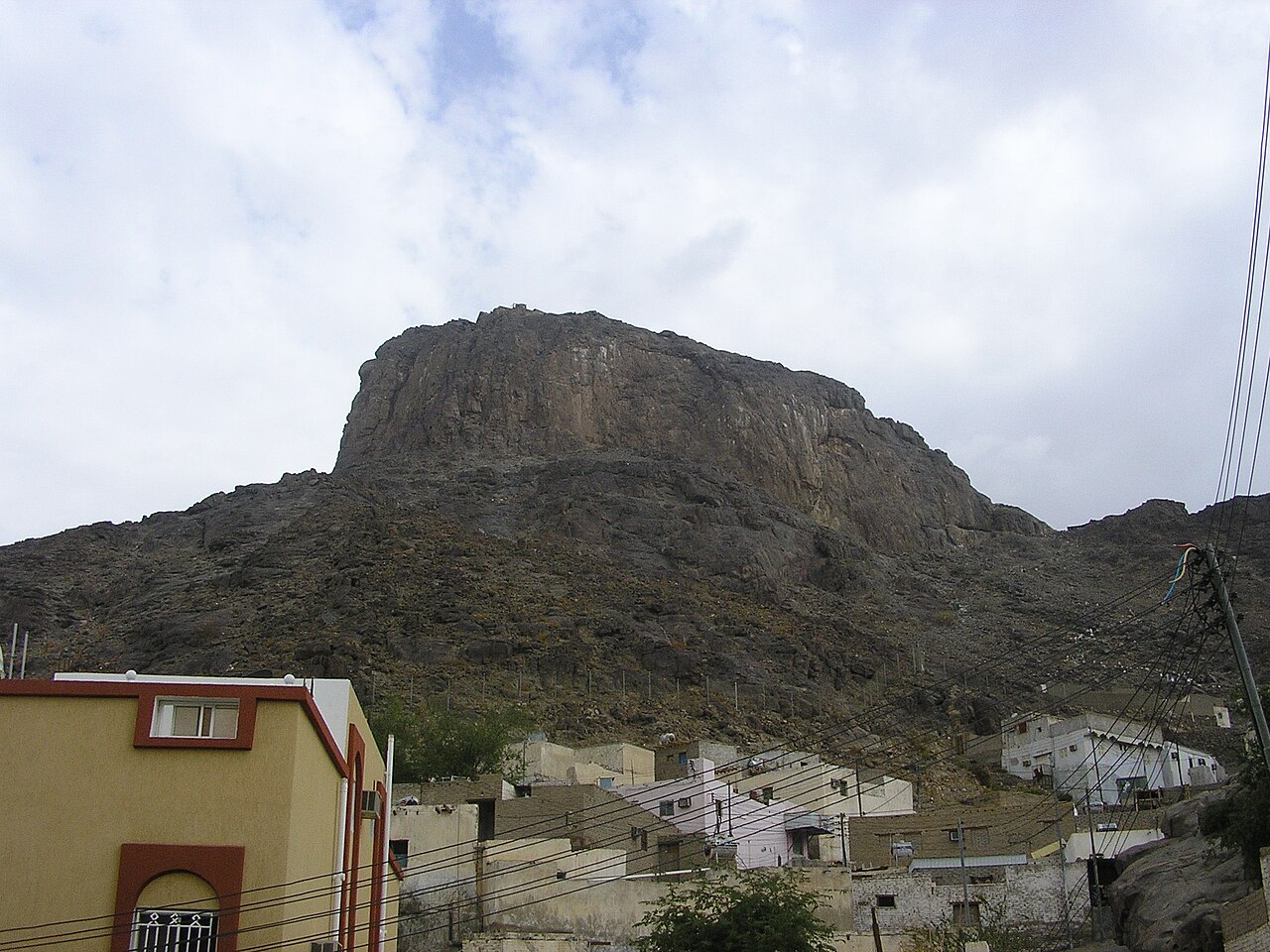
Jabal al-Nour Mosque is a mosque located at the base of Jabal al-Nour, the Mountain of Light, near Mecca in Saudi Arabia. The mountain holds profound significance in Islamic tradition as the site where the Prophet Muhammad received his first revelation from God through the Angel Gabriel in the Cave of Hira. The mosque serves as a place of worship and spiritual preparation for pilgrims and visitors who come to ascend the mountain. It stands as an important religious landmark within the broader sacred geography of the Mecca region, complementing the holiest sites of Islam located in the city proper. No. The mosque sits at the base of the mountain, while the Cave of Hira lies near the summit. They are distinct locations commonly visited together.
Checked 2026-08-26 · Source
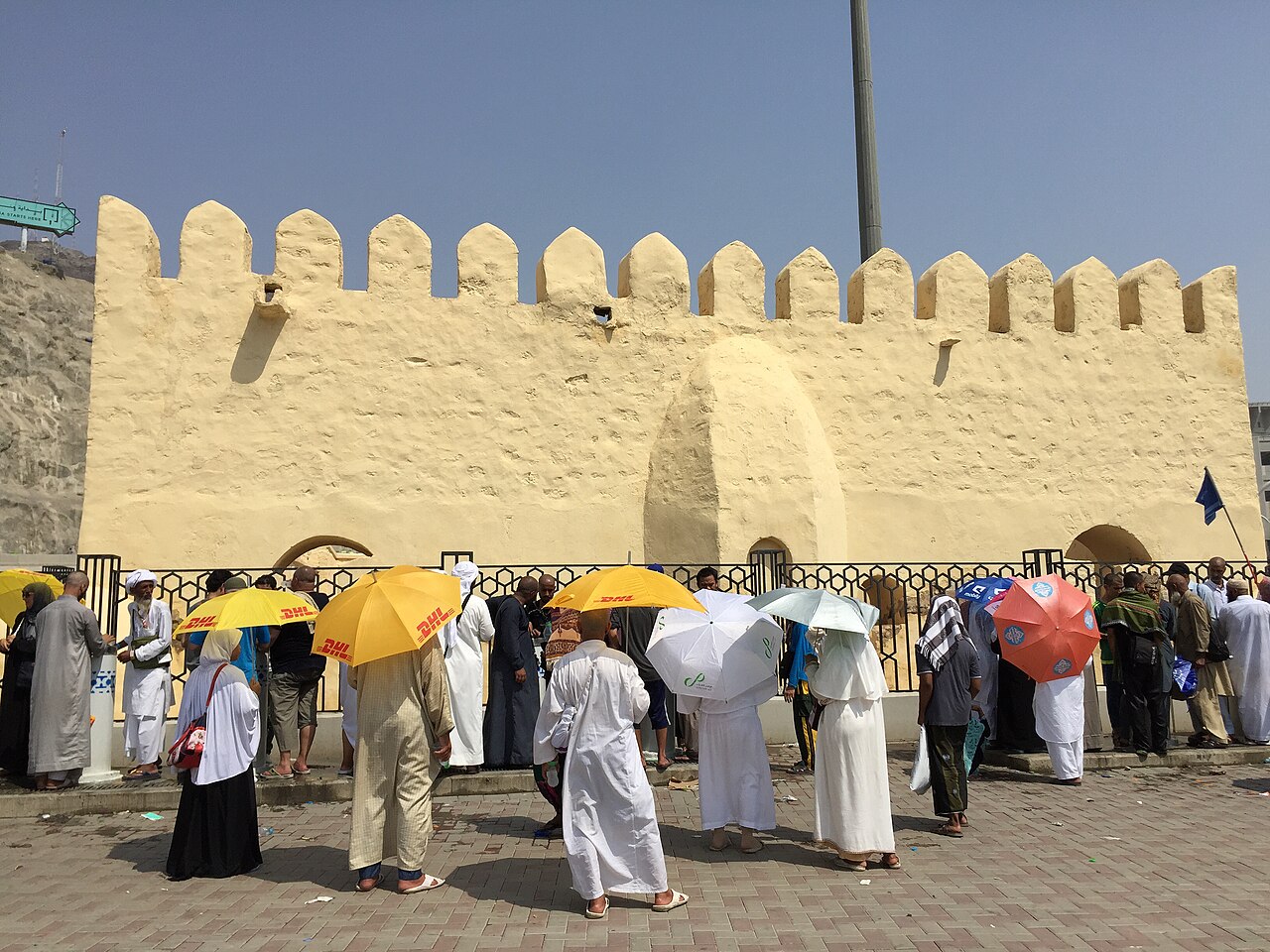
The mosque contains prayer halls and facilities to accommodate worshippers. As a functional mosque, it provides spaces for the five daily prayers and other religious observances. The structure supports visitors who intend to make the climb to the Cave of Hira above. Visitors should expect standard mosque furnishings oriented toward prayer and ablution functions. The primary spiritual focus remains the mountain and cave above rather than elaborate mosque interiors.
Checked 2026-08-26 · Source
A visit to the mosque itself may take approximately fifteen to thirty minutes for prayer and preparation. However, most visitors combine the mosque with the ascent to the Cave of Hira, which significantly extends the duration. The climb up Jabal al-Nour involves hundreds of steps and typically requires one to two hours upward and somewhat less downward, depending on physical fitness, crowd conditions, and rest stops. Total visit duration including mosque time, ascent, cave visit, and descent commonly ranges from two to four hours. Individual pacing varies considerably.
Checked 2026-08-26 · Source
The mosque operates as an active place of worship, accessible for the five daily prayers. The site receives visitors year-round, with substantially increased numbers during the Hajj and Umrah seasons when pilgrims often include the mountain in their spiritual itinerary. Summer temperatures in Mecca can exceed forty degrees Celsius, making physical exertion potentially hazardous. Cooler months from November through February generally offer more comfortable conditions for the climb. Early morning and evening hours provide reduced heat exposure. Visitors should verify current access conditions before traveling.
Checked 2026-08-26 · Source
Entry to Jabal al-Nour Mosque and the mountain is without charge as a religious site. No ticketing infrastructure operates for mosque access or the cave ascent. Visitors should be aware that commercial services surrounding the site, including transportation, guided assistance, refreshments, and equipment rental, involve private transactions with variable pricing. The Saudi government manages religious sites without admission fees. Voluntary charitable contributions may be accepted according to local practice. Visitors should carry minimal valuables and exercise standard precautions in busy pilgrimage environments.
Checked 2026-08-26 · Source
Jabal al-Nour lies approximately four kilometers northeast of the Masjid al-Haram in central Mecca. The mosque at the mountain base is reachable by road. Private vehicles, taxis, and ride-hailing services serve the area, though traffic congestion is common near significant religious sites. No specific public transit route details are recorded. Walking from the city center is possible but demanding given heat and distance. Many visitors arrive as part of organized tours or with guides familiar with pilgrimage logistics. Signage in Arabic assists navigation. Visitors should confirm transportation arrangements in advance, particularly during peak pilgrimage periods.
Checked 2026-08-26 · Source
The ascent to the Cave of Hira presents physical demands requiring adequate hydration, appropriate footwear, and sun protection. Steep stone steps become slippery and crowded. Heat exhaustion and dehydration pose serious risks; vulnerable individuals should assess their fitness candidately. The area experiences dense visitor concentrations during religious seasons, increasing pickpocketing and separation risks. Vigilance with personal belongings is essential. No emergency service details are recorded. Night climbing occurs but requires caution due to limited lighting and uneven terrain. Visitors should inform companions of their plans, carry charged mobile devices, and respect the sacred character of the site through modest dress and quiet conduct.
Checked 2026-08-26 · Source
Visitors should exercise conservative judgment given the religious nature of the site. Saudi Arabia maintains strict standards regarding imagery of people, particularly women, without consent. Photography during prayer times may cause offense regardless of technical permission. Within mosque interiors, visitors should observe whether others are photographing and follow implicit guidance. The Cave of Hira itself is a confined sacred space where photography may be restricted or inappropriate. Drone usage is prohibited throughout Saudi Arabia without specific authorization. Visitors prioritizing photography should seek local guidance upon arrival.
Checked 2026-08-26 · Source
No. The mosque sits at the base of the mountain, while the Cave of Hira lies near the summit. They are distinct locations commonly visited together.
Saudi regulations regarding accompaniment for women have evolved.
The ascent is strenuous with many steps. Elderly or mobility-limited individuals may find it challenging.
Visitors should carry adequate water and plan accordingly.
Mecca and its surrounding sacred areas, including Jabal al-Nour, are restricted to Muslims only. This prohibition is enforced under Saudi law.
Modest Islamic dress is required. Men should cover between navel and knee; women require full coverage including hair. Comfortable, sturdy footwear is essential for the climb.
Loading the interactive map…
The interactive map could not be loaded.
Last updated:
Source: OpenStreetMap contributors ·