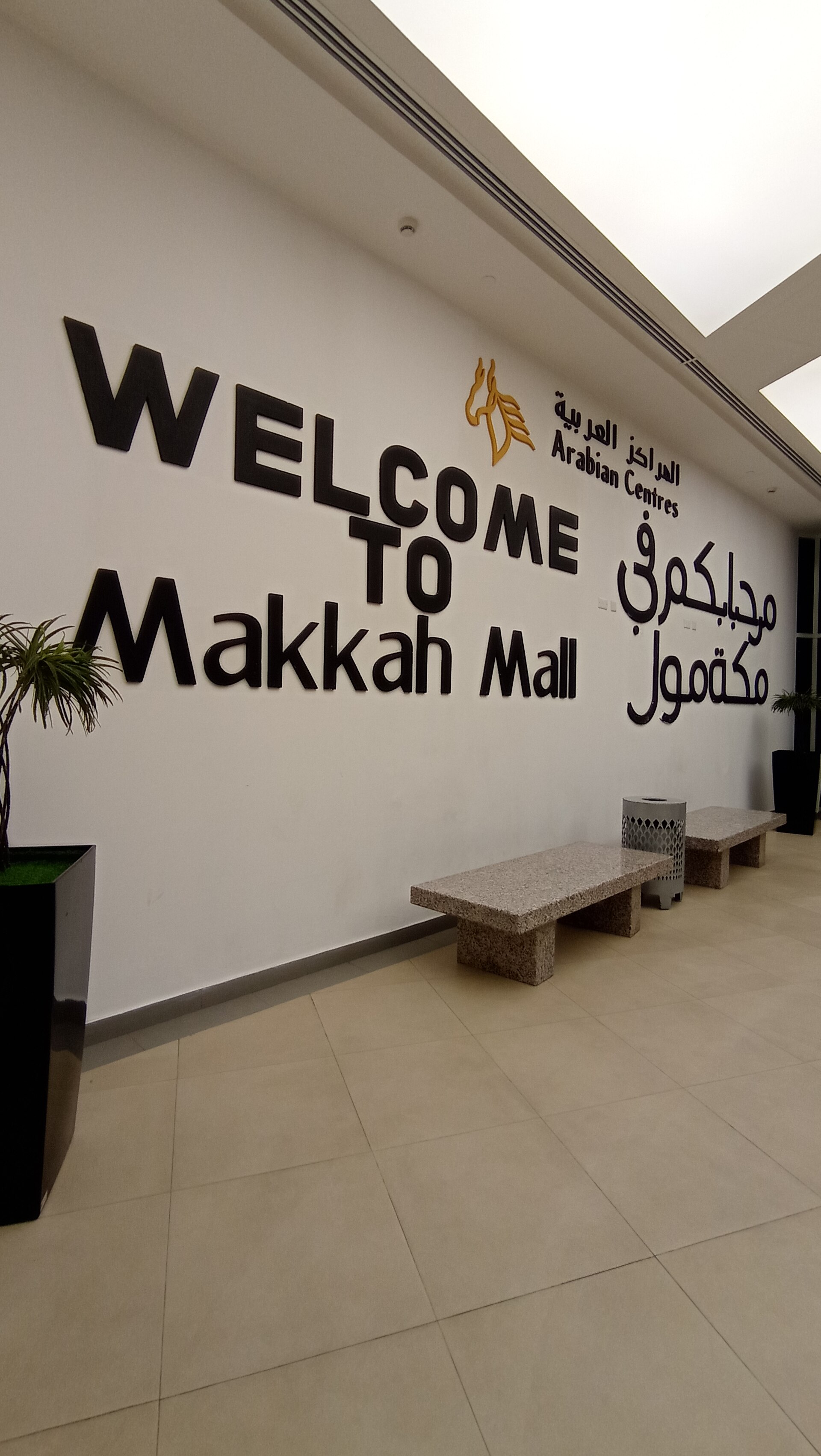
19 min walk
Makkah Mall
- High
- Market
Language · 11 published
Place of worship · Mecca
مسجد عائشة الراجحي
Masjid Aisha Al-Rajhi is a mosque in Mecca, serving worshippers within the city’s wider network of religious facilities. Its name connects the place with Aisha Al-Rajhi and the Al-Rajhi family name. This is a worship setting rather than a conventional sightseeing attraction. Visitors come for prayer, personal devotion, and quiet reflection, while the surrounding city provides the broader pilgrimage context. The mosque is best approached with the same respect given to any active place of worship in Mecca. Masjid Aisha Al-Rajhi is a mosque located in Mecca, Saudi Arabia. It bears the name of Aisha Al-Rajhi, suggesting association with the prominent Saudi Al-Rajhi family known for philanthropic and religious endowments. The structure serves as a place of Islamic worship for residents and visitors to the holy city. As with all mosques in Mecca, it operates within the religious and cultural framework of Islam's holiest city, where millions of pilgrims gather annually for Hajj and Umrah rituals. The mosque contributes to the extensive network of prayer facilities serving Mecca's permanent and temporary populations. Non-Muslims are prohibited from entering Mecca's sacred areas under Saudi Arabian regulations. This restriction applies citywide, making mosque entry impossible for non-Muslims regardless of individual site policies.
Checked 2026-08-26 · Source
The place is organised for Islamic worship, with the practical focus on congregational prayer rather than exhibitions or visitor interpretation. Expect a prayer environment where worshippers maintain concentration and quiet. The orientation of the prayer space follows the qibla, and normal mosque practices shape movement through the building. The name gives the mosque its principal point of identity; the experience comes from joining or observing the rhythm of prayer in a functioning Mecca neighbourhood setting. Typical mosque features may include a prayer hall with directional orientation toward the Kaaba, mihrab indicating prayer direction, and minbar for sermons.
Checked 2026-08-26 · Source
Plan the visit around the purpose of your stop. A short prayer visit can fit into a compact itinerary, while worshippers may remain for additional prayer, recitation, or reflection. Leave enough time to enter calmly, prepare for prayer, and depart without rushing people around you. There is no sightseeing sequence to complete and no exhibition circuit to follow. Treat the mosque as a flexible spiritual stop that can sit alongside the day’s pilgrimage activities.
Checked 2026-08-26 · Source
Prayer determines the natural rhythm of a mosque visit. Friday prayer and the busy periods associated with Hajj, Umrah, and Ramadan can make the wider city more crowded. Mecca’s heat also affects journeys between locations, particularly when moving outdoors. Cooler parts of the day are more comfortable for walking, while evening worship can bring a different atmosphere during Ramadan. Plan with patience, allowing extra time for crowded roads and pedestrian movement.
Checked 2026-08-26 · Source
This is a mosque used for worship, so the visit is not structured like entry to a ticketed museum or monument. Bring what you need for your journey, but do not plan the stop around a ticket counter or timed sightseeing admission. The important condition is religious access to Mecca itself: non-Muslims are not permitted to enter Mecca. For eligible visitors, the purpose of the stop is prayer and devotion rather than paid tourism.
Checked 2026-08-26 · Source
Masjid Aisha Al-Rajhi lies within Mecca’s urban area. Visitors can use the city’s road network, taxis, ride-hailing services, or local buses, depending on where they are staying. The OpenStreetMap way identifier can help distinguish the destination when using digital navigation. Traffic becomes slower during major pilgrimage periods, so allow a generous journey margin. If walking, carry water and account for heat, hills, and the distance from your accommodation.
Checked 2026-08-26 · Source
Dress modestly and follow mosque etiquette throughout the visit. Remove footwear where required, keep your voice low, and avoid crossing directly in front of people praying. Keep personal belongings close in crowded streets and follow directions from attendants or security staff. Mecca can be intensely hot, so protect yourself during outdoor travel with water, shade, and suitable clothing. Non-Muslims cannot enter Mecca, and all visitors should remember that worshippers—not tourists—are the priority inside the mosque.
Checked 2026-08-26 · Source
Keep photography secondary to worship. Do not photograph people at prayer, create noise, or position yourself where a camera would obstruct movement. Put the phone away during prayer and follow any directions given inside the building. Exterior images should still respect privacy and the character of the neighbourhood. Avoid flash and conspicuous equipment. A quiet, unobtrusive approach is the appropriate way to remember the setting without turning an active mosque into a photo set.
Checked 2026-08-26 · Source
Visitors who are permitted to enter Mecca can approach the mosque as a place of Islamic worship. Non-Muslims are prohibited from entering Mecca.
It is used for Islamic prayer, congregational worship, personal devotion, and quiet reflection within Mecca.
It is an active place of worship rather than a conventional tourist attraction with an exhibition route or sightseeing programme.
Dress modestly, speak quietly, follow prayer-area customs, remove footwear where required, and avoid disturbing people during worship.
The mosque is named after Aisha Al-Rajhi and carries the Al-Rajhi family name.
Use local roads, taxis, ride-hailing services, or buses, and allow additional time for Mecca traffic during major pilgrimage periods.
Loading the interactive map…
The interactive map could not be loaded.

Last updated:
Source: OpenStreetMap contributors ·