
97 min walk
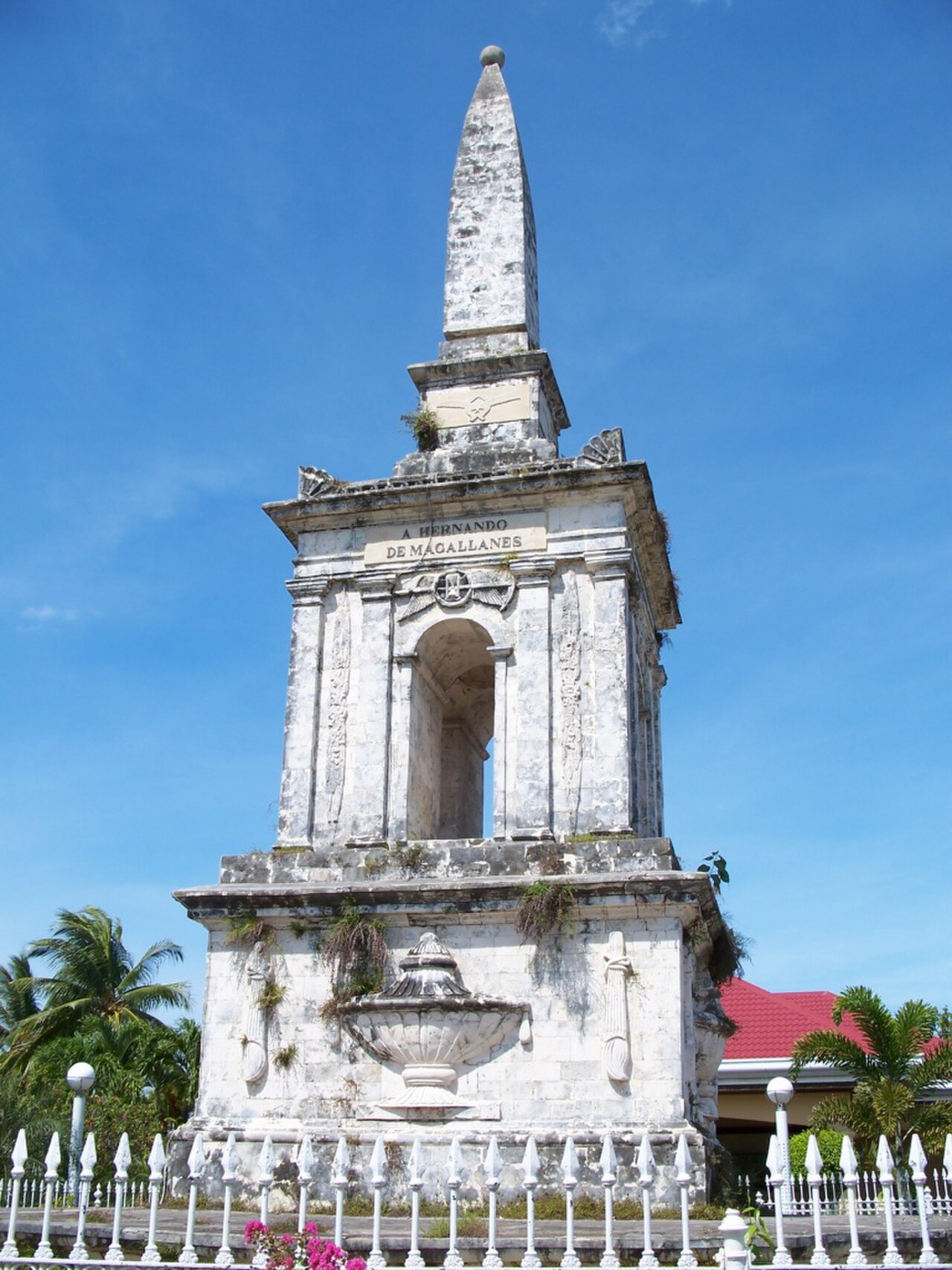
Mactan Shrine
- Must see
- Historic monument
Language · 11 published
Nature site · Cebu City

| Monday | 09:00 – 17:00 |
|---|---|
| Tuesday | 09:00 – 17:00 |
| Wednesday | 09:00 – 17:00 |
| Thursday | 09:00 – 17:00 |
| Friday | 09:00 – 17:00 |
| Saturday | 09:00 – 17:00 |
| Sunday | 09:00 – 17:00 |
Checked 2026-08-31 · Source
Read from the OpenStreetMap access tags; anything not listed has no tag recorded.
Set the group type to family in the planner and the day window contracts to about three quarters of a solo day.
Olango Island Wildlife Sanctuary is a protected wetland area located on Olango Island, part of the Olango Island Group near Mactan, Cebu. It is designated as a Ramsar Site, recognized internationally for its significance as a wetland of global importance. The sanctuary serves as a critical stopover for migratory birds traveling the East Asian-Australasian Flyway. It represents the most substantial protected wetland environment within the Cebu metropolitan area and functions as the region's premier destination for birdwatching excursions. Daily 09:00–17:00. No regular weekly closure day is published. Access can close when the Philippine Coast Guard suspends Olango sea crossings because of gale warnings or unsafe weather.
Checked 2026-08-31 · Source
The sanctuary encompasses coastal mudflats, mangrove forests, seagrass beds, and shallow marine waters that collectively support diverse avian populations. The habitat attracts numerous migratory shorebird species during seasonal movements. Resident and visiting birds utilize the wetland for feeding and resting. The area's ecological composition includes intertidal zones that expose extensive feeding grounds during low tide. Vegetation consists primarily of mangrove species adapted to saline conditions. No regular weekly closure day is published. Access can close when the Philippine Coast Guard suspends Olango sea crossings because of gale warnings or unsafe weather.
Checked 2026-08-31 · Source
Visitors typically allocate a half-day to full-day excursion for Olango Island Wildlife Sanctuary, depending on birding interest and tide schedules. The ferry crossing from Mactan Island requires additional transit time. Birdwatchers often spend several hours observing species during optimal tidal conditions when mudflats become exposed and feeding activity increases. Casual visitors may complete a shorter circuit of accessible viewpoints. The total experience including transportation from Cebu City commonly extends to four to six hours minimum. General admission: PHP 20 per person.
Checked 2026-08-31 · Source
Migratory bird season generally runs from approximately September through May, with peak numbers typically occurring during northern hemisphere winter months. Early morning hours generally offer optimal bird activity and more comfortable temperatures. Tide levels significantly influence wildlife visibility, with low tide periods exposing maximum mudflat feeding areas. Daily 09:00–17:00. From Mactan Island, take a motorized pump boat from Angasil Port in Barangay Punta Engaño to Santa Rosa on Olango Island. The DENR’s sanctuary tour route also identifies departures from Maribago or the Shangri-La Mactan dock, crossing the Hilutungan Channel and landing at Sabang beside the northeastern sanctuary.
Checked 2026-08-31 · Source
Visitors should anticipate potential costs for ferry transportation from Mactan Island to Olango Island, which operate as separate commercial services. Local guides may offer birdwatching assistance for negotiated fees. The Ramsar Site designation suggests management under conservation authority oversight, though specific fee structures require direct confirmation. Visitors should carry sufficient cash as electronic payment options may be unavailable. General admission: PHP 20 per person. DENR opened a purpose-built boardwalk and viewing deck at the sanctuary in 2022. The complete journey is not step-free because the official public arrival route requires boarding a motorized pump boat.
Checked 2026-08-31 · Source
Olango Island lies approximately five kilometers east of Mactan Island. Public ferries and boats depart from various points on Mactan, including near Lapu-Lapu City, for the crossing to Olango Island. From Cebu City, travelers first reach Mactan via bridge connection. Tricycles or motorcycles-for-hire typically provide onward transport. From Mactan Island, take a motorized pump boat from Angasil Port in Barangay Punta Engaño to Santa Rosa on Olango Island. The DENR’s sanctuary tour route also identifies departures from Maribago or the Shangri-La Mactan dock, crossing the Hilutungan Channel and landing at Sabang beside the northeastern sanctuary.
Checked 2026-08-31 · Source
Tidal conditions affect both wildlife viewing and physical access to certain areas. Visitors should prepare for exposed conditions with minimal shade and carry adequate water and sun protection. Footwear suitable for muddy or wet terrain is advisable. Remote location means limited immediate medical or communication facilities. Ferry services operate on local schedules that may be irregular or weather-dependent. DENR opened a purpose-built boardwalk and viewing deck at the sanctuary in 2022. Beyond the built visitor structures, the protected landscape includes intertidal mudflats, mangroves and rocky shoreline. It protects intertidal mudflats and sandflats, mangrove forest, seagrass beds, coral reefs and rocky shoreline.
Checked 2026-08-31 · Source
The sanctuary offers substantial opportunities for wildlife and landscape photography, particularly bird documentation. Telephoto lenses are strongly recommended given shy bird behavior and viewing distance requirements. Early morning and late afternoon provide favorable natural lighting. Low tide exposes expansive mudflats creating reflective surfaces and concentrated bird activity. Tripod use may assist with stability for distant subjects. Visitors should maintain respectful distances to avoid disturbing wildlife. Weather protection for equipment is essential given coastal exposure and potential precipitation. It protects intertidal mudflats and sandflats, mangrove forest, seagrass beds, coral reefs and rocky shoreline.
Checked 2026-08-31 · Source
It protects intertidal mudflats and sandflats, mangrove forest, seagrass beds, coral reefs and rocky shoreline.
The wetland provides staging, feeding, wintering and roosting habitat along the East Asian–Australasian Flyway.
Southbound migration peaks from September through November; northbound migration peaks from February through April.
Low tide exposes feeding flats, while birds gather in larger concentrations shortly before the tide reaches approximately 1.2–1.4 metres.
DENR’s visitor guide recommends allowing at least three hours to observe different bird species.
The area was declared a wildlife sanctuary on 14 May 1992 and later became the Philippines’ first Ramsar Wetland of International Importance.
Loading the interactive map…
The interactive map could not be loaded.

Last updated:
Source: OpenStreetMap contributors ·