
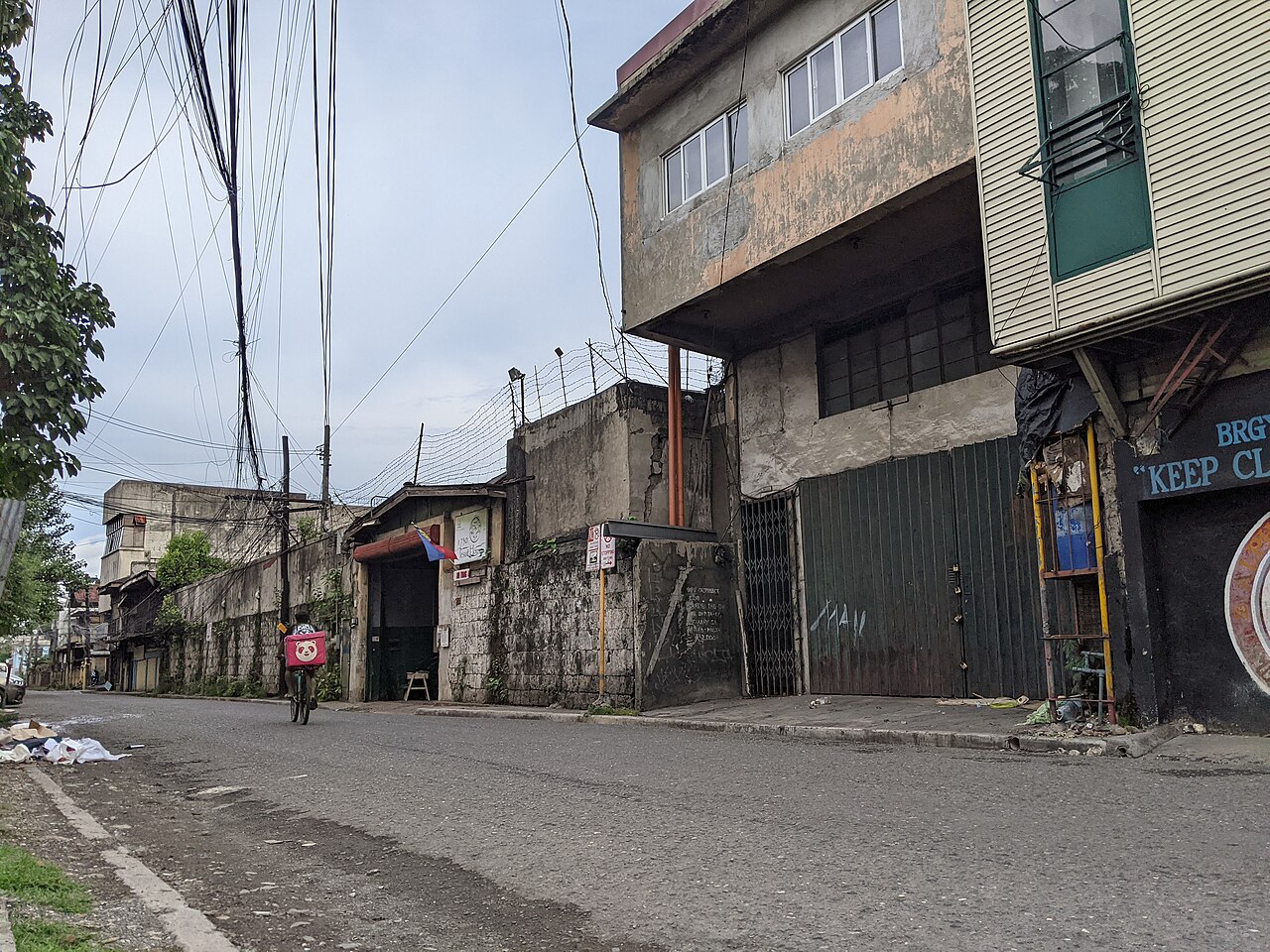
1 min walk
Heritage of Cebu Monument
- Must see
- Historic monument
Language · 11 published
Historic monument · Cebu City
Reviewed by Elena Voss · SSMTour Travel Editor

| Monday | 08:00 – 17:00 |
|---|---|
| Tuesday | 08:00 – 17:00 |
| Wednesday | 08:00 – 17:00 |
| Thursday | 08:00 – 17:00 |
| Friday | 08:00 – 17:00 |
| Saturday | 08:00 – 17:00 |
| Sunday | Closed |
Closed to visitors between 12:00 – 13:00
Checked 2026-08-31 · Source
Read from the OpenStreetMap access tags; anything not listed has no tag recorded.
Set the group type to family in the planner and the day window contracts to about three quarters of a solo day.
The Jesuit House of 1730 is a heritage structure in Cebu City, Philippines, associated with the Society of Jesus. The building represents colonial-era architecture and serves as a tangible link to Cebu's religious and cultural past. Its historical significance stems from its connection to Jesuit missionary activity in the Philippines during the Spanish colonial period. The house stands as one of the notable heritage sites within Cebu City's historic core, contributing to the area's character as a visitor destination. Monday–Saturday 08:00–17:00, with a closure from 12:00–13:00; Sunday closed. The regular visitor schedule spans the full day, with the midday closure shown separately.
Checked 2026-08-31 · Source
Heritage structures of this period typically contain architectural features reflecting Spanish colonial construction methods, possibly including wooden elements, stone foundations, and period-appropriate design details. Religious artifacts or historical displays may be present given the Jesuit association. Visitors should anticipate a heritage house experience rather than a fully developed museum installation. The actual contents require direct verification on site. The regular visitor schedule spans the full day, with the midday closure shown separately. PHP 100 base adult/general admission; the guided tour is included.
Checked 2026-08-31 · Source
A visit to the Jesuit House of 1730 would typically require between thirty minutes and one hour for most visitors, depending on individual interest in heritage architecture and available access to interior spaces. Those with strong interest in colonial history or religious heritage may wish to allocate additional time. The duration may be extended if guided interpretation is available or if the site contains more extensive displays than publicly documented. PHP 100 base adult/general admission; the guided tour is included.
Checked 2026-08-31 · Source
Visitors should verify current accessibility before planning a visit, as heritage houses in the Philippines may operate with limited or irregular schedules. Cebu City experiences a tropical climate with distinct dry and wet seasons. The dry season from December to May generally offers more favorable conditions for walking between heritage sites. Monday–Saturday 08:00–17:00, with a closure from 12:00–13:00; Sunday closed. Ground-floor museum content includes the Sugbo Gallery. Upper-floor rooms are reached by wooden stairs, so the complete visitor route is not step-free. Visitors enter through the Ho Tong Hardware compound on Zulueta Street.
Checked 2026-08-31 · Source
Admission policies for heritage structures in Cebu City vary considerably, with some sites operated by private owners, religious institutions, or government bodies. Some heritage houses charge modest entry fees while others request donations or restrict access to guided tours. Visitors should prepare for multiple possibilities and carry small denominations of Philippine pesos. PHP 100 base adult/general admission; the guided tour is included. Ground-floor museum content includes the Sugbo Gallery. Upper-floor rooms are reached by wooden stairs, so the complete visitor route is not step-free. Visitors enter through the Ho Tong Hardware compound on Zulueta Street.
Checked 2026-08-31 · Source
The Jesuit House of 1730 is located within Cebu City's historic core, an area generally accessible by multiple transportation modes. Jeepneys, the Philippines' distinctive public utility vehicles, serve routes through downtown Cebu City. Taxis and ride-hailing services operate throughout the metropolitan area. Jeepney route 01K serves Colon Street and M.J. Cuenco Avenue. Alight near the Colon Obelisk or Parian Fire Station, then walk the short distance to Zulueta Street; the museum entrance is inside the Ho Tong Hardware compound, across the Parian area from the Heritage of Cebu Monument. Upper-floor rooms are reached by wooden stairs, so the complete visitor route is not step-free.
Checked 2026-08-31 · Source
Heritage structures of this age may present accessibility challenges including uneven flooring, narrow doorways, or staircases without modern handrails. Visitors with mobility limitations should inquire about access conditions in advance. The tropical climate necessitates hydration and sun protection when walking between sites. Security of personal belongings warrants attention in busy downtown areas. Ground-floor museum content includes the Sugbo Gallery. Visitors enter through the Ho Tong Hardware compound on Zulueta Street. A relief above an interior doorway bears the inscription “Año 1730,” and Jesuit historian Fr. William Repetti identified the building as the Jesuit House of 1730.
Checked 2026-08-31 · Source
Heritage sites in the Philippines range from unrestricted photography to complete prohibition, particularly when religious artifacts or private spaces are involved. Visitors should observe posted signage and request guidance from any on-site staff before photographing interiors. Exterior photography of heritage architecture is generally permissible from public spaces, though surrounding structures may limit optimal viewpoints. Flash photography may be restricted to protect sensitive materials. A relief above an interior doorway bears the inscription “Año 1730,” and Jesuit historian Fr. William Repetti identified the building as the Jesuit House of 1730.
Checked 2026-08-31 · Source
A relief above an interior doorway bears the inscription “Año 1730,” and Jesuit historian Fr. William Repetti identified the building as the Jesuit House of 1730.
The date remains debated: some historians read the inscription as 1750, while others accept 1730; the surviving structure is therefore best described as a house bearing a 1730 inscription.
It served as the Cebu residence of a senior Jesuit official and received priests and deacons travelling to or from missions in other provinces.
The Jesuits held the property until their 1768 expulsion from the Philippines; it subsequently passed through several private owners before the Sy family acquired it.
It consists of two connected structures: a two-storey main house built with coral-stone walls and a smaller building with a coral-stone ground floor and wooden upper floor, linked by an elevated passage.
The ground-floor Sugbo Gallery presents the history of Cebu’s Chinese Parian, while other rooms contain antique furniture, historical displays and objects preserved or collected by the owning family.
Loading the interactive map…
The interactive map could not be loaded.


Last updated:
Source: OpenStreetMap contributors ·