

6 min walk
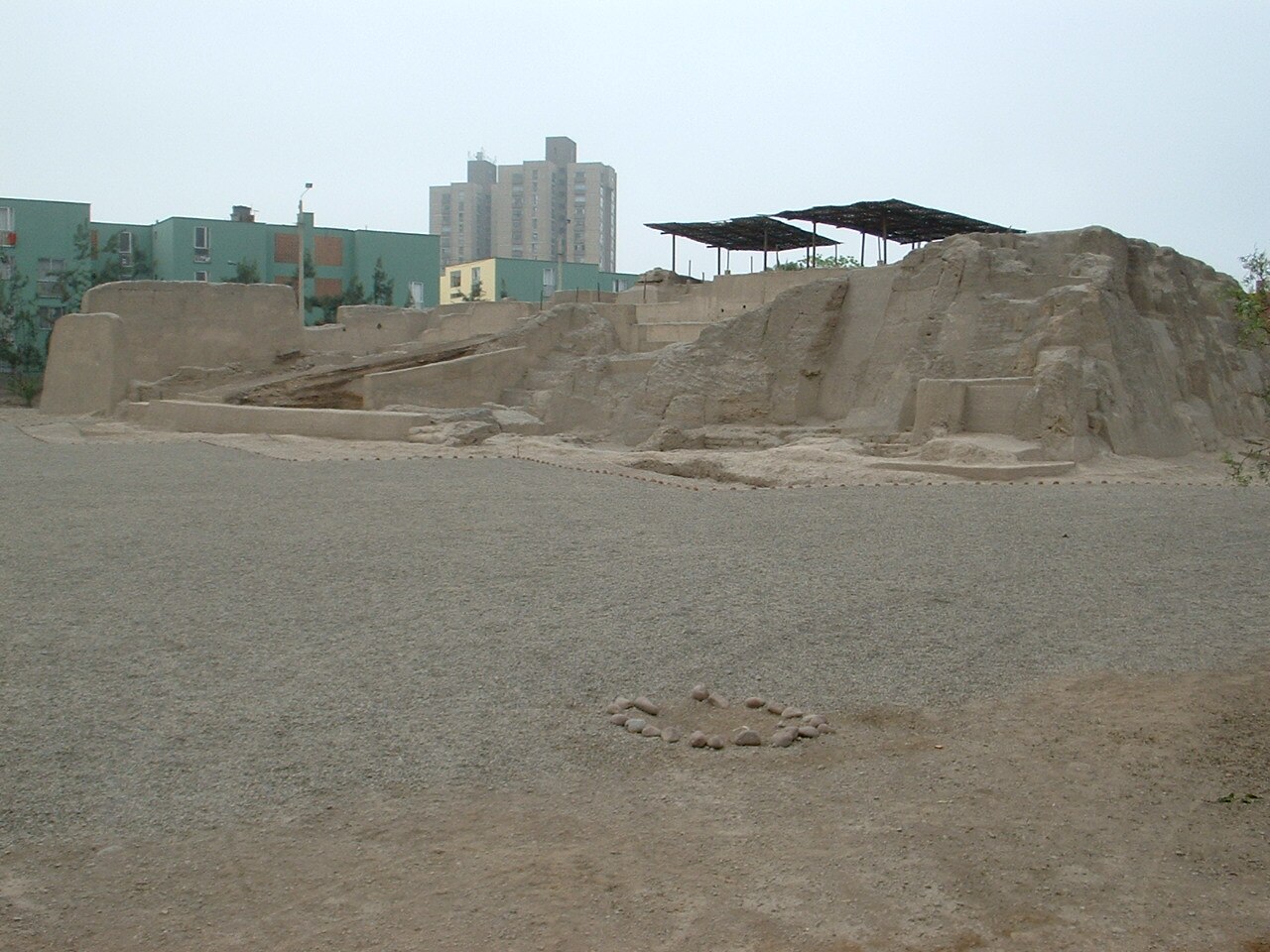
Huaca San Borja
- High · Heritage site
- Historic monument
Language · 11 published
Art and culture venue · Lima
Teatro Nacional del Perú

The Gran Teatro Nacional del Perú stands as Peru's principal modern performing-arts venue, located in the San Borja district of Lima. Opened in 2011, this flagship cultural institution was designed to host opera, ballet, symphony concerts, and theatrical productions at national and international standards. The building represents a significant public investment in Peru's cultural infrastructure, intended to elevate Lima's standing in South America's performing-arts landscape. Its architectural presence anchors the broader cultural district that has developed in this part of the capital.
Checked 2026-08-26
The theatre complex contains multiple performance spaces scaled for different productions. The main auditorium accommodates large-scale opera and orchestral performances with sophisticated acoustic engineering. Additional halls support chamber music, rehearsals, and smaller events. Backstage facilities include dressing rooms, set construction workshops, and storage areas necessary for professional touring productions. Public areas feature lobbies, circulation spaces, and amenities for audiences. The building incorporates modern stage machinery, lighting systems, and technical infrastructure required for contemporary performing-arts presentations. Grand National Theatre of Peru also earns time in a lima itinerary because WIKIDATA_PRODUCTION reconciliation for the ranked entry; identity and coordinates were verified without a nearby fallback. Its value becomes clearer when the stop is compared with the surrounding streets and the other ranked places nearby.
Checked 2026-08-26
Visitors attending performances should plan for the full duration of the scheduled event plus time for arrival, security procedures, and departure. Theatre performances typically range from two to four hours including intermissions, though specific running times vary by production. Those interested in architectural appreciation of the building exterior may allocate approximately thirty minutes for observation from the surrounding plaza and streets. The cultural district permits extended exploration for visitors combining the theatre with nearby institutions and public spaces in San Borja.
Checked 2026-08-26
The theatre hosts performances throughout the year according to its programming schedule, with seasons typically aligned with international performing-arts calendars. Peak attendance occurs during premieres of major productions and festival periods. Visitors should consult the official website or contact the box office directly for current performance schedules, as programming varies significantly month to month. Advance planning is essential for popular productions, which may sell out well before performance dates. A flexible visit lets travellers connect Grand National Theatre of Peru with the rest of the day without treating one room, viewpoint or photograph as the whole experience. The useful pace depends on personal interest and conditions on arrival. Check the operator's own site for the travel date before relying on a schedule or fare.
Checked 2026-08-26
Admission is by ticket for scheduled performances, with pricing structures that vary according to seating location, production type, and performer prominence. Subscription series and membership programs may be available for regular attendees. Group rates and educational discounts are common practices at national theatres, though specific eligibility requirements apply. Purchases may be made through the official website, by telephone, or at the box office. International visitors should verify accepted payment methods before attempting transactions. Check the operator's own site for the travel date before relying on a schedule or fare.
Checked 2026-08-26

The theatre occupies a prominent position in San Borja, accessible by multiple transport modes from across metropolitan Lima. The district connects to Lima's Metropolitano bus rapid transit system, with stops within reasonable walking distance. Conventional bus routes serve surrounding avenues. Taxi and ride-hailing services operate throughout the area, though traffic conditions in Lima vary dramatically by time of day. Private vehicle access is possible with parking availability subject to surrounding development. Visitors should allow substantial buffer time for Lima's unpredictable traffic congestion, particularly for evening performance arrivals.
Checked 2026-08-26
The surrounding urban environment requires standard precautions appropriate to Lima. Visitors should secure valuables and remain attentive in transitional spaces between transport and the venue. Evening departures warrant awareness of immediate street conditions and pre-arranged transport where possible. The modern building presents few internal accessibility concerns, though visitors with specific mobility requirements should confirm accommodation when booking. Performance etiquette expectations apply, including punctuality, appropriate attire for premieres, and electronic device protocols. Food and beverage policies inside auditoriums are typically restrictive.
Checked 2026-08-26
Photography policies inside the Gran Teatro Nacional are likely restrictive, consistent with standard practice at major performing-arts venues worldwide. Performance photography and recording are almost universally prohibited during events due to copyright and distraction concerns. Exterior architectural photography from public spaces is generally permissible. Visitors wishing to photograph the building interior should seek explicit permission from staff or consult published policies. Social media documentation of visits is common in public lobbies when performances are not in progress, though flash equipment and professional apparatus may trigger additional scrutiny from venue security personnel.
Checked 2026-08-26
Not recorded. The official website should be consulted for current visitor policies regarding building access.
The venue hosts opera, ballet, symphony concerts, and theatrical productions according to its programming schedule.
Opera and classical music performances typically use original languages with surtitles; spoken theatre language varies by production.
Modern construction standards suggest accessibility features, but specific accommodations should be confirmed directly with the theatre when booking.
Not recorded. Major performing-arts venues typically offer some refreshments, but specifics require verification.
Popular productions may sell out well in advance; early purchase through official channels is advisable for specific performances.
Loading the interactive map…
The interactive map could not be loaded.


Last updated:
Source: OpenStreetMap contributors, Wikidata ·