Smart Self-Managed Tours

City guide · Peru

Lima

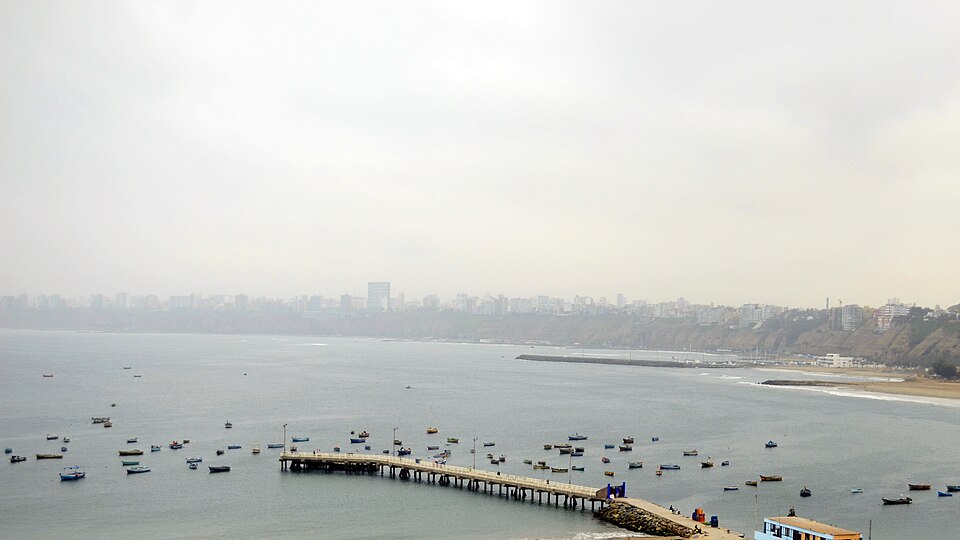
A photograph of Lima
Photograph · Corminos · CC BY-SA 3.0

Lima spreads along the Pacific coast and is best understood as several distant visitor clusters. The historic centre lies inland around Plaza Mayor; Miraflores and Barranco form the principal coastal corridor; San Isidro sits between the centre and the coast; and archaeological sites appear across the metropolitan area. Keep the historic centre, coastal districts and outlying ruins in separate blocks because traffic can make cross-city travel slow.

Practical information

Language spoken
Spanish; Quechua, Aymara and other Indigenous languages have official status where predominant
National practical orientation; regional and minority languages may also be used
Dialling code
+51
International calling code; local area and mobile prefixes still apply
Currency
Peruvian sol (PEN)
Use the official local currency; card acceptance varies by place
Emergency number
105 police · 116 fire
Use only for an emergency; tourist assistance may use a separate number
Plug type
Type A and C · 220 V
Check that chargers support the recorded voltage before using an adapter
Tap water
Not recorded
No verified nationwide visitor drinking-water statement was recorded
Planning a visit

Suggested stay
Not recorded
Getting around
Metropolitano, Metro, bus and authorised taxi
  1. January: no seasonality data recorded
  2. February: no seasonality data recorded
  3. March: no seasonality data recorded
  4. April: no seasonality data recorded
  5. May: no seasonality data recorded
  6. June: no seasonality data recorded
  7. July: no seasonality data recorded
  8. August: no seasonality data recorded — this month
  9. September: no seasonality data recorded
  10. October: no seasonality data recorded
  11. November: no seasonality data recorded
  12. December: no seasonality data recorded

Top things to see

Ranked by importance — sitelinks, pageviews and heritage status, not editor preference.

  1. Teatro Municipal Teatro Municipal
    02 1 hour

    Teatro Municipal

    The Municipal Theatre of Lima, known locally as Teatro Municipal de Lima, stands as the principal performance venue in Lima's historic centre. This restored early-twentieth-century theatre represents a significant cultural landmark within Peru's capital city.

    • Must see
    • Art and culture venue
  2. El Beso
    05 1 hour

    El Beso

    • High
    • Art and culture venue
  3. Cre Ágora
    10 1 hour

    Cre Ágora

    • Notable
    • Art and culture venue
  4. A
    19 1 hour

    A

    • Notable
    • Art and culture venue
  5. Águila
    21 1 hour

    Águila

    • Notable
    • Art and culture venue
  6. Águila
    22 1 hour

    Águila

    • Notable
    • Art and culture venue
  7. Amarre
    29 1 hour

    Amarre

    • Notable
    • Art and culture venue
  8. Amor
    31 1 hour

    Amor

    • Notable
    • Art and culture venue
  9. Anfiteatro
    33 1 hour

    Anfiteatro

    • Notable
    • Art and culture venue
  10. Anfiteatro
    34 1 hour

    Anfiteatro

    • Notable
    • Art and culture venue
  11. Anfiteatro
    35 1 hour

    Anfiteatro

    • Notable
    • Art and culture venue
  12. Anfitteatro
    46 1 hour

    Anfitteatro

    • Notable
    • Art and culture venue
  13. Arte Cubano
    51 1 hour

    Arte Cubano

    • Notable
    • Art and culture venue
  14. Atahualpa
    53 1 hour

    Atahualpa

    • Notable
    • Art and culture venue
  15. Camarón
    75 1 hour

    Camarón

    • Notable
    • Art and culture venue
  16. Caracol
    79 1 hour

    Caracol

    • Notable
    • Art and culture venue
  17. CIAM Aurora
    93 1 hour

    CIAM Aurora

    • Notable
    • Art and culture venue
  18. Condorito
    95 1 hour

    Condorito

    • Notable
    • Art and culture venue
  19. CREA
    97 1 hour

    CREA

    • Notable
    • Art and culture venue
  20. Cuchimilco
    98 1 hour

    Cuchimilco

    • Notable
    • Art and culture venue
  21. Delfín
    100 1 hour

    Delfín

    • Notable
    • Art and culture venue

Source: OpenStreetMap contributors, Wikidata ·

How the city is laid out

The historic centre groups Plaza Mayor, churches, convents and civic buildings. Miraflores combines clifftop parks, commercial streets and Huaca Pucllana, while Barranco continues south with galleries, historic houses and the Bridge of Sighs. San Isidro has another archaeological and business cluster. Callao and distant huacas require additional travel. The official Lima guide presents these areas as distinct routes rather than one continuous old town.

Checked 2026-08-26

Getting around

Metropolitan buses, the Metropolitano corridor, Metro services and taxis connect Lima's districts, but journey times vary with traffic. Walk within the historic centre, Miraflores or Barranco, then use planned transport between clusters. Airport and Callao journeys need additional time and a confirmed route. Use authorised services and verify current transport information locally; a place that looks nearby on a metropolitan map may still involve a long road journey.

Checked 2026-08-26

Common questions

How is Lima organised for sightseeing?

the historic centre, Miraflores, Barranco and San Isidro are separate visitor clusters

How many days should I spend in Lima?

No fixed stay length is recorded; add blocks for central, coastal and outlying visits.

What is the easiest way to get around Lima?

Use public transport or an authorised taxi between the centre and coast, allowing for traffic.

Which places need a separate trip from central Lima?

Miraflores and Barranco form the most natural coastal pairing for one day.

What is the most practical way to plan a day in Lima?

No official best-month range is recorded; check current local conditions before travel.

Turn this list into a plan

Set your days, your pace and the hours you actually want to be out. The planner works around closing days and travel time, and leaves room to eat.

Plan Lima