


25 min walk
Huaca San Borja
- High · Heritage site
- Historic monument
Language · 1 published
Historic monument · Lima

Huaca Santa Catalina is a restored archaeological site attributed to the Ychsma culture, serving as an administrative and ceremonial centre. Located in the La Victoria district of Lima, it represents a compact urban archaeological destination within the modern city. The site offers visitors exposure to pre-Hispanic Andean civilisation without requiring travel to peripheral desert locations. Its restoration status indicates deliberate conservation efforts, though specific phases and dates of reconstruction are Not recorded. The monument stands as evidence of layered occupation in the Lima valley, with Ychsma period remains being the principal identifiable component.
Checked 2026-08-26
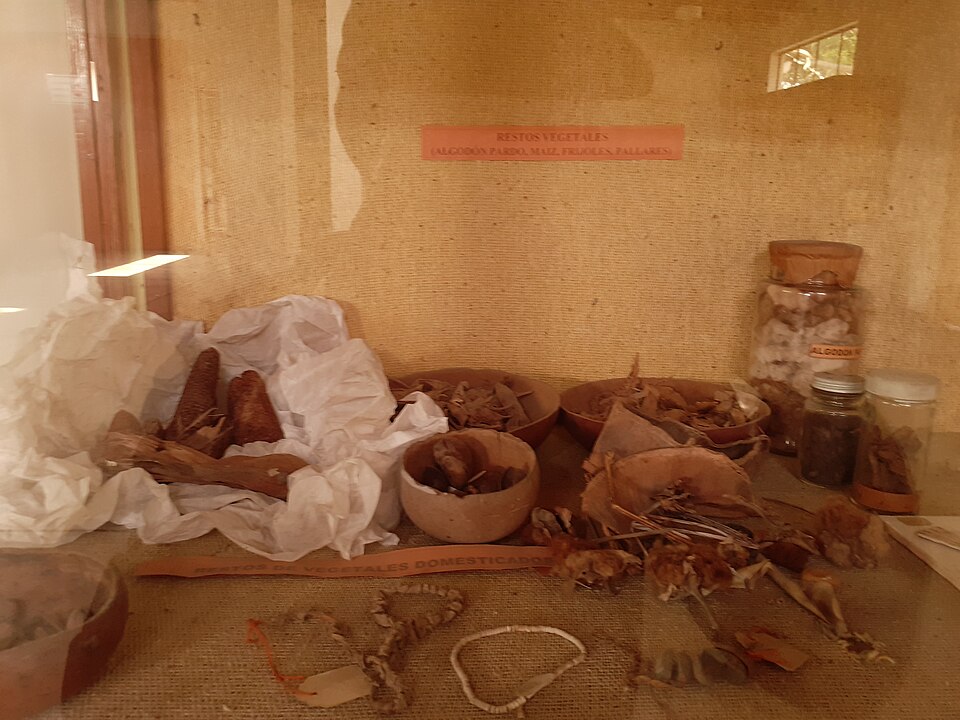
The site contains restored architectural elements characteristic of Ychsma administrative and ceremonial functions. Visitors can observe compact adobe constructions and platform arrangements typical of central coast archaeological complexes. The specific interior features, room configurations, and artefact displays are Not recorded in available sources. The restoration has presumably stabilised original walls and surfaces for public access. Any museum elements, interpretive signage, or exhibited materials from excavations are not documented in the provided context. Visitors should expect an open-air archaeological environment rather than an enclosed museum experience, with structural remains as the primary content.
Checked 2026-08-26
A visit to Huaca Santa Catalina is likely to be brief given its described compact nature. Most visitors would probably allocate between thirty minutes and one hour for circumambulation and observation of the restored structures. The limited spatial extent of the site, situated within an urban district rather than sprawling across extensive terrain, supports shorter visitation durations. Those with specialised archaeological interest may linger longer for detailed examination of construction techniques. Families with children or casual tourists might complete a satisfactory visit at the shorter end of this range. No guided tour duration information is available.
Checked 2026-08-26

Operator-confirmed hours are Not recorded pending review. Visitors should verify current opening schedules through official channels before planning attendance. The outdoor nature of the archaeological site suggests daytime visits would be preferable for visibility and safety. Lima's coastal climate features mild temperatures with notable humidity and overcast skies particularly during winter months from June through September. Summer months from December through March bring clearer conditions though occasional heat. Rain is minimal year-round. Morning visits may offer more comfortable conditions and better lighting for observation of architectural details regardless of season.
Checked 2026-08-26
Operator-confirmed prices are Not recorded pending review. The site's administrative affiliation with Peruvian cultural institutions, suggested by museum network source pointers, may indicate standardised public heritage site pricing or possible free admission policies. Visitors should confirm current fee structures directly with site management or through the Ministry of Culture channels. Any applicable concessions for students, seniors, children, or Peruvian residents are Not recorded. Payment methods accepted, advance booking requirements, and combined ticket options with other Lima archaeological sites remain undocumented. Budget-conscious travellers should prepare for variable possibilities.
Checked 2026-08-26
Huaca Santa Catalina is situated in La Victoria, an urban district of metropolitan Lima accessible through the city's public transportation network. The exact street address and nearest transit stops are Not recorded. Visitors familiar with Lima's combi and metropolitan bus systems can likely reach La Victoria from central districts including Miraflores, San Isidro, or the historic centre. Taxi and ride-hailing services provide alternative options, though traffic congestion in this commercial district can be significant. The site's urban location distinguishes it from more remotely situated archaeological attractions. Walking from nearby accommodations may be feasible for those staying in the district.
Checked 2026-08-26
Urban archaeological sites present specific visitor considerations. The surrounding La Victoria district is a densely populated commercial area where standard urban precautions regarding personal belongings and awareness of surroundings apply. The restored structures themselves may have uneven surfaces, unprotected edges, or areas without modern safety installations typical of less developed heritage management. No specific hazard documentation is available. Visitors should wear sturdy footwear appropriate for uneven archaeological terrain. The compact nature of the site may result in crowded conditions during peak visitation periods. Sun protection remains advisable even under Lima's frequently overcast skies due to ultraviolet exposure.
Checked 2026-08-26
Photography policies at Huaca Santa Catalina are Not recorded. Visitors should observe any posted signage regarding camera use, flash restrictions, or drone prohibitions typical of Peruvian archaeological sites. The compact restored structures offer opportunities for architectural detail photography and contextual urban landscape shots showing ancient and modern Lima juxtaposition. Morning or late afternoon light may enhance texture visibility on adobe surfaces. Tripod use likely requires advance permission if permitted at all. Commercial or publication photography probably necessitates formal authorisation from cultural authorities. Respectful photography avoiding intrusion upon other visitors' experiences represents appropriate conduct at this shared heritage space.
Checked 2026-08-26
The compact nature and urban accessibility may suit families, though specific child-friendly facilities and safety provisions are Not recorded.
Guided tour availability, languages offered, and scheduling are Not recorded pending verification with site operators.
The urban location potentially enables combined itineraries, though specific logistics and recommended combinations are Not recorded.
Accessibility features, pathways, and accommodations for visitors with disabilities are Not recorded in available sources.
Sturdy footwear, sun protection, and water are cautiously recommended based on typical archaeological site conditions; specific visitor amenities are Not recorded.
The La Victoria district's commercial character suggests nearby services likely exist, though specific recommendations are Not recorded.
Loading the interactive map…
The interactive map could not be loaded.
Last updated:
Source: OpenStreetMap contributors ·