

20 min walk
Iglesia de San Sebastián
- Must see · Heritage site
- Place of worship
Language · 11 published
Activity · Cusco
Huayna Tauqaray
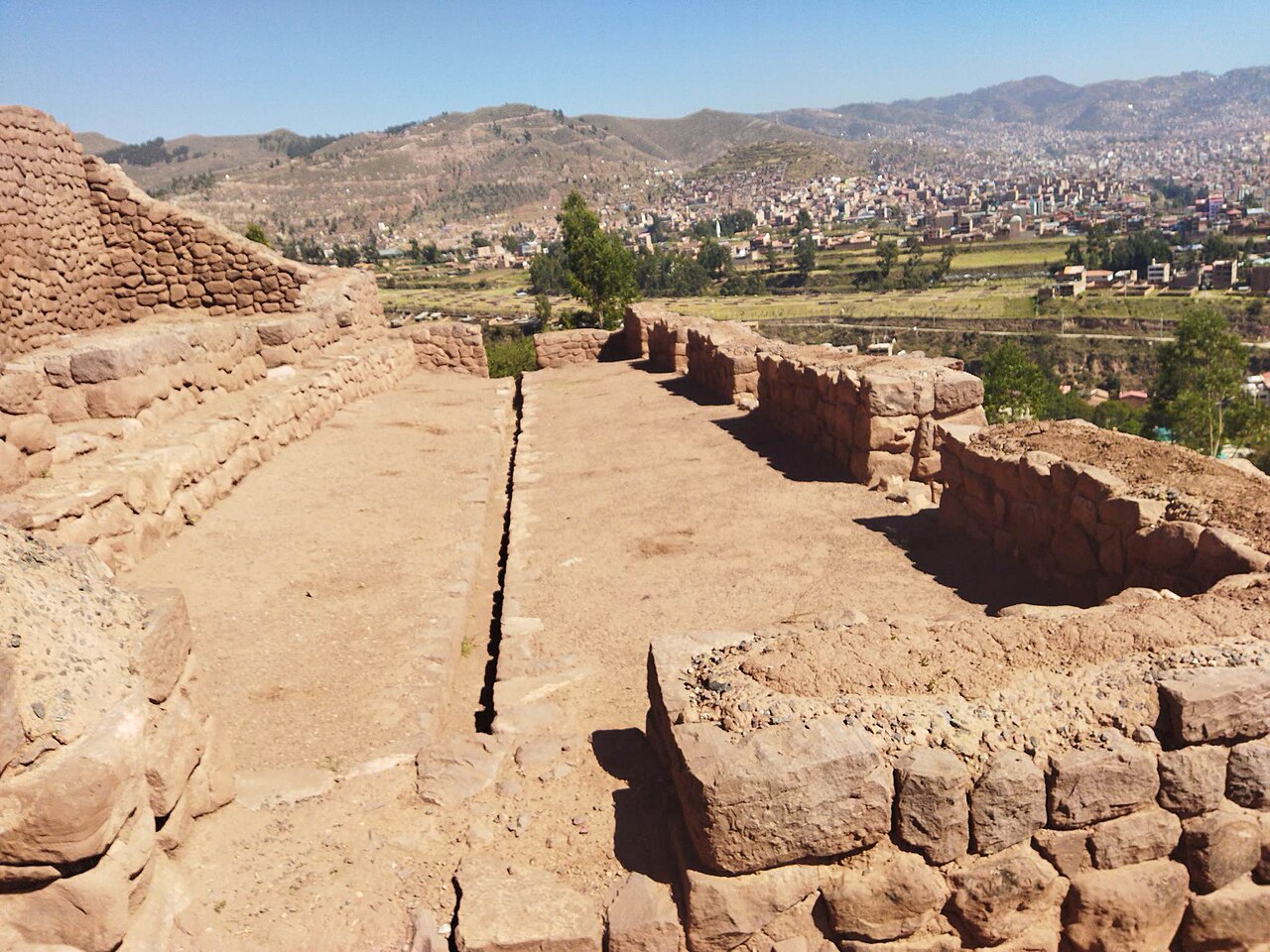
Wayna Tawqaray, also known locally as Huayna Tauqaray, is a lesser-known Inca archaeological site situated near the south-eastern edge of Cusco's urban area. It represents one of several Inca ruins that extend beyond the city's most famous quartet of Sacsayhuamán, Q'enqo, Puka Pukara, and Tambomachay. The site offers visitors an opportunity to explore Inca heritage away from heavily trafficked tourist circuits. Its relative obscurity means it attracts fewer visitors, providing a more contemplative experience of pre-Columbian architecture and landscape integration typical of Inca engineering traditions.
Checked 2026-08-26
Specific architectural features and interior elements of Wayna Tawqaray remain Not recorded pending detailed archaeological documentation. Visitors should expect Inca-era stonework and terracing consistent with regional patterns, though precise configurations of walls, platforms, or ceremonial structures are not confirmed in available sources. The site occupies a hillside position suggesting agricultural or defensive functions common to peripheral Cusco ruins. Exploration reveals the scale of Inca settlement beyond monument zones. Visitors are advised to observe carefully and report significant findings to regional cultural authorities to assist ongoing documentation efforts.
Checked 2026-08-26
A visit to Wayna Tawqaray typically requires between forty-five minutes and two hours, depending on individual pacing, photographic interests, and physical condition. The site's compact nature relative to major archaeological parks allows for efficient exploration. Visitors combining this destination with other south-eastern urban edge attractions should allocate additional time for transit between locations. The terrain involves moderate inclines appropriate for reasonably fit travellers. Those seeking extended engagement with Inca stonework details or quiet contemplation may prefer longer stays. No guided tour infrastructure is documented, so self-directed pacing prevails.
Checked 2026-08-26
Cusco's dry season from May to September generally offers more favourable conditions for outdoor archaeological exploration, with reduced rainfall and clearer skies. Morning visits typically provide better light for observation and photography. Afternoon conditions can bring variable cloud cover and occasional precipitation even during drier months. The wet season from November to March presents more challenging conditions with heavier rainfall and muddy terrain. Operator-confirmed hours are Not recorded pending review. Visitors should verify current accessibility with municipal authorities before planning specific timing, as unannounced restrictions may apply.
Checked 2026-08-26
No standardized admission system or pricing structure for Wayna Tawqaray is documented in available sources. Unlike the major Cusco ruins requiring the boleto turístico tourist ticket, this lesser-known site may lack formal entry controls. Visitors should not assume payment requirements or exemption without local verification. Operator-confirmed prices are Not recorded pending review. The Cusco municipal website may provide updated guidance, though specific fee information for this individual site appears unavailable. Carry small denomination currency as precaution. Receipts should be requested for any payments made to unofficial attendants claiming collection authority.
Checked 2026-08-26
Wayna Tawqaray occupies the south-eastern urban periphery of Cusco, accessible from city centre locations by various transport modes. Exact trailheads and route markers are Not recorded pending review. Visitors may reach the general area by taxi, colectivo shared transport, or extended walking from central districts. Return arrangements require planning as the site lacks established tourist infrastructure. Consult current local knowledge regarding safest approaches, particularly for solitary travellers. Municipal tourism offices may offer updated guidance. GPS coordinates from reliable mapping services should be verified against ground conditions before departure.
Checked 2026-08-26
Altitude effects at Cusco's approximately 3,400 metres elevation demand acclimatisation; symptoms including breathlessness and fatigue are common. The site's undocumented status means no emergency services, signage, or maintained pathways are guaranteed. Unstable stonework and steep terrain present physical hazards. Weather changes rapidly; adequate clothing and water are essential. Limited mobile telephone coverage may affect emergency communication. Inform accommodation of intended visit and estimated return. Nocturnal presence is inadvisable without confirmed safe access. Respect archaeological integrity by not moving stones or creating new paths. Report suspicious activity to municipal authorities.
Checked 2026-08-26
Wayna Tawqaray offers photographic opportunities in a setting largely free of tourist congestion. Morning and late afternoon light typically provides optimal conditions for capturing stonework texture and landscape context. No restrictions on personal photography are documented, though drone operation requires separate regulatory compliance beyond local site authority. Tripod use may attract attention in isolated settings; discretion advised. No dedicated viewpoints or maintained platforms exist. Weather protection for equipment is essential given unpredictable conditions. Commercial or publication photography may require permits from regional cultural authorities; verify requirements before professional deployment.
Checked 2026-08-26
Not recorded pending review. The boleto turístico covers the four major ruins, but this site's inclusion status is unconfirmed.
Not recorded. No tour operators or official guides are documented for Wayna Tawqaray; independent exploration appears necessary.
Sturdy footwear for uneven terrain, layered clothing for temperature variation, sun protection, and rain gear regardless of season.
Cautious judgement advised. Isolated location, limited infrastructure, and uncertain access routes warrant extra precautions and itinerary sharing.
It offers lower visitor numbers and less restored conditions, rewarding those seeking less standardised archaeological experiences.
Not recorded. No services are documented; visitors must carry sufficient supplies for the duration of their visit.
Loading the interactive map…
The interactive map could not be loaded.
Last updated:
Source: OpenStreetMap contributors, Wikidata ·