.jpg)
.jpg)


.jpg)


1 min walk
Museo de Santa Catalina
- Must see
- Museum
Language · 11 published
Activity · Cusco
Calle Loreto

Calle Loreto is a narrow pedestrian passage in central Cusco, Peru, notable for preserving a substantial section of original Inca stone wall along its eastern flank. The street functions as a direct walking route from the Plaza de Armas, the city's main square, toward the Qorikancha temple complex. Its significance lies in the visible integration of pre-Columbian masonry within a functioning colonial-era street plan. The Inca wall demonstrates the precision stonework characteristic of imperial construction, with large, fitted blocks that have withstood centuries. The passage offers visitors an unmediated encounter with Inca architectural heritage without requiring site-specific admission.
Checked 2026-08-26
The principal feature of Calle Loreto is the exposed Inca wall running along one side of the narrow thoroughfare. The wall consists of meticulously fitted polygonal stones, typical of high-status Inca construction. Above and around the ancient masonry, colonial and republican-era structures have been built, creating a layered urban fabric. Small commercial establishments occupy ground-level spaces along the passage. The street itself is paved and pedestrian-only. No interpretive signage, visitor center, or dedicated exhibition space is present within the passage proper. The experience is essentially that of walking through a historic urban corridor where archaeological remains form part of the everyday streetscape rather than a segregated monument zone.
Checked 2026-08-26

A complete walk through Calle Loreto requires only a few minutes, as the passage is relatively short. Most visitors will spend ten to fifteen minutes observing the wall and taking photographs. Those with particular interest in Inca masonry techniques may linger longer to examine stone fitting and construction details. The street serves equally well as a brief detour or as part of a longer walking itinerary connecting the Plaza de Armas with Qorikancha. No guided tour or structured visit is necessary. The time allocated depends on individual interest in architectural heritage and whether the passage is visited as a destination in itself or as a transit corridor between major sites.
Checked 2026-08-26
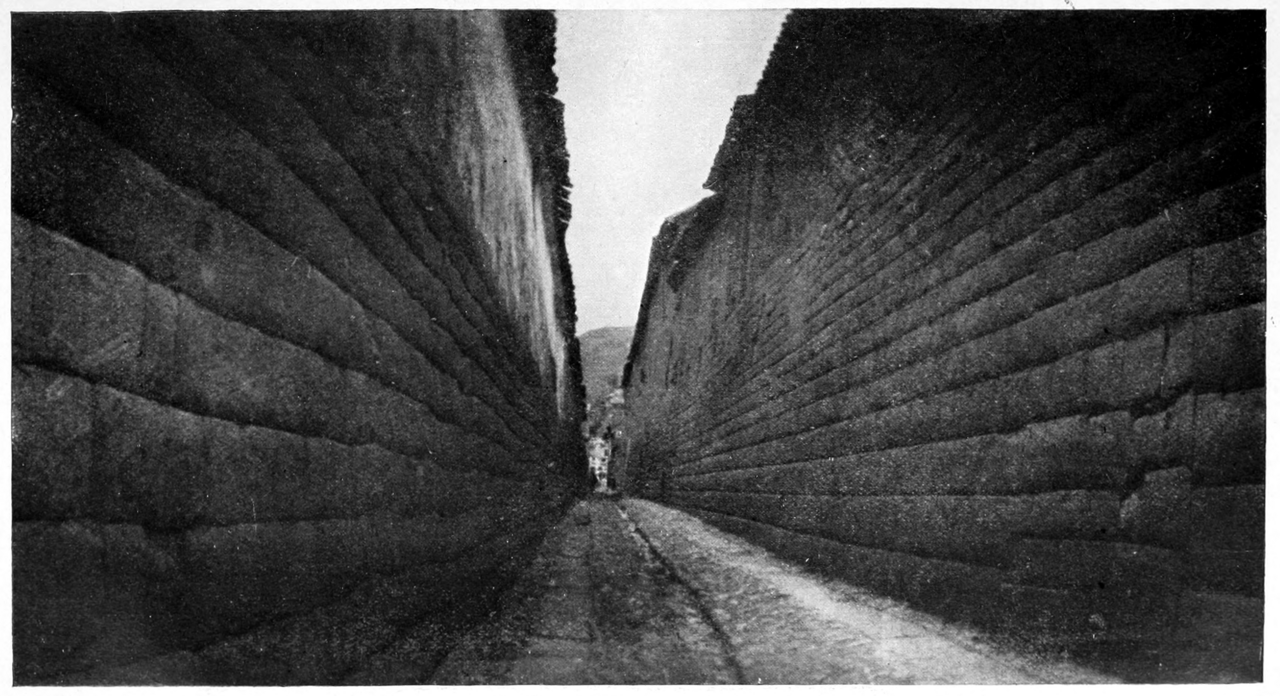
Calle Loreto functions as a public thoroughfare and is accessible at all hours as a street right-of-way. However, operator-confirmed hours or prices are Not recorded pending review. The passage lacks any controlled access point, gate, or ticketing mechanism. Natural lighting conditions affect visibility of the wall's details; midday sun generally provides optimal illumination for observing stone textures and construction precision. Early morning and evening hours offer reduced pedestrian traffic but diminished light on the east-facing wall. Weather considerations follow general Cusco patterns, with dry season conditions from May through September typically providing more reliable walking conditions than the wet season months.
Checked 2026-08-26
No admission fee is collected for walking through Calle Loreto, as it remains a public street. No ticket office, turnstile, or payment mechanism exists at either end of the passage. Operator-confirmed hours or prices are Not recorded pending review. Visitors should be aware that adjacent attractions, particularly Qorikancha at the passage's southern terminus, do require paid admission. The street itself imposes no time limit on passage. No guided tour services are officially associated with the thoroughfare, though independent guides may include it within broader Cusco walking tours. Visitors are advised to carry small denomination currency for purchases from any commercial establishments along the route.
Checked 2026-08-26
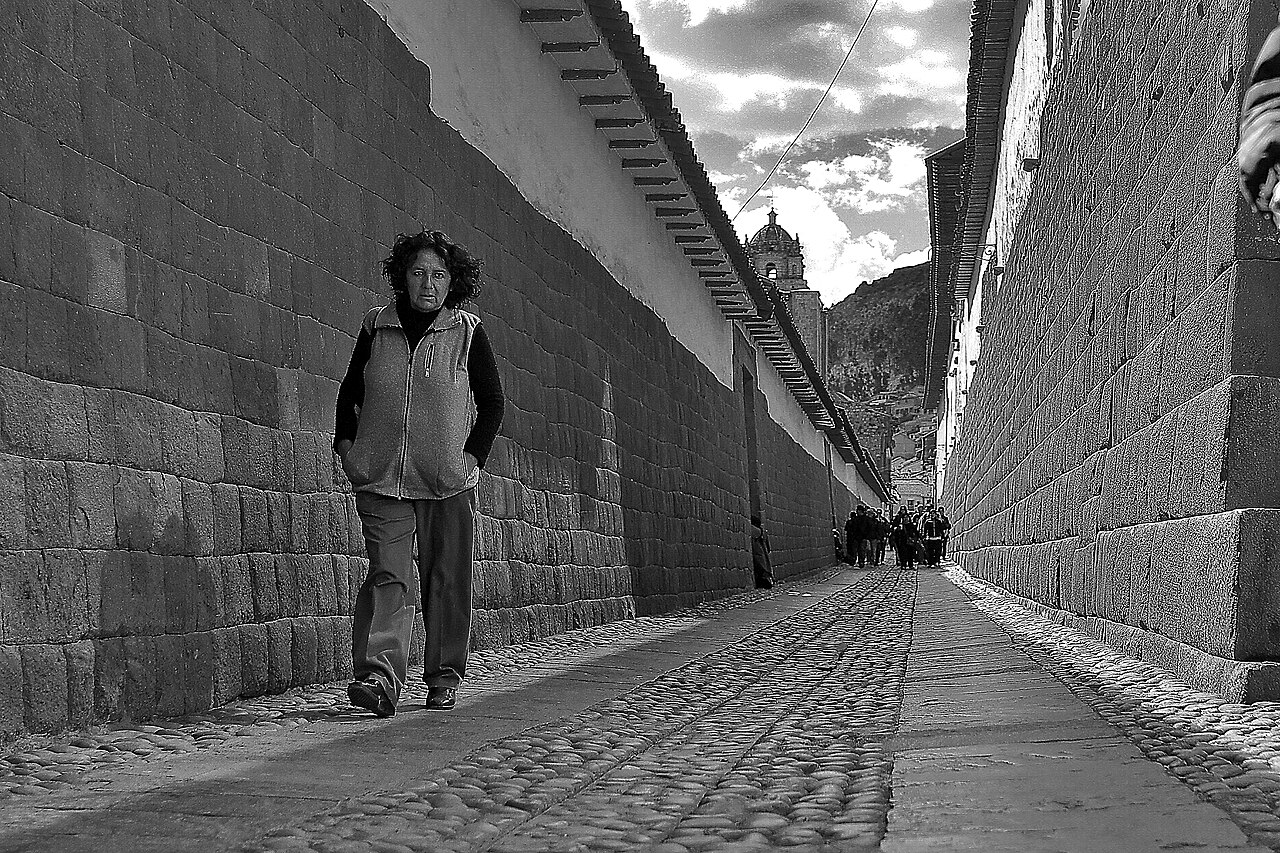
Calle Loreto connects directly from the Plaza de Armas, Cusco's central square, running southeast toward the Qorikancha complex. From the plaza, the northern entrance is readily identifiable by the narrowing of the street and the visible Inca wall. The passage is entirely pedestrian; no vehicular access is possible. Visitors already in central Cusco can reach the Plaza de Armas on foot from most accommodations in the historic core. Those arriving from farther afield may use standard city taxi services to the plaza periphery, followed by walking. The street's location within the dense historic center makes it accessible from multiple directions, though precise navigation through Cusco's irregular street pattern may require attention.
Checked 2026-08-26
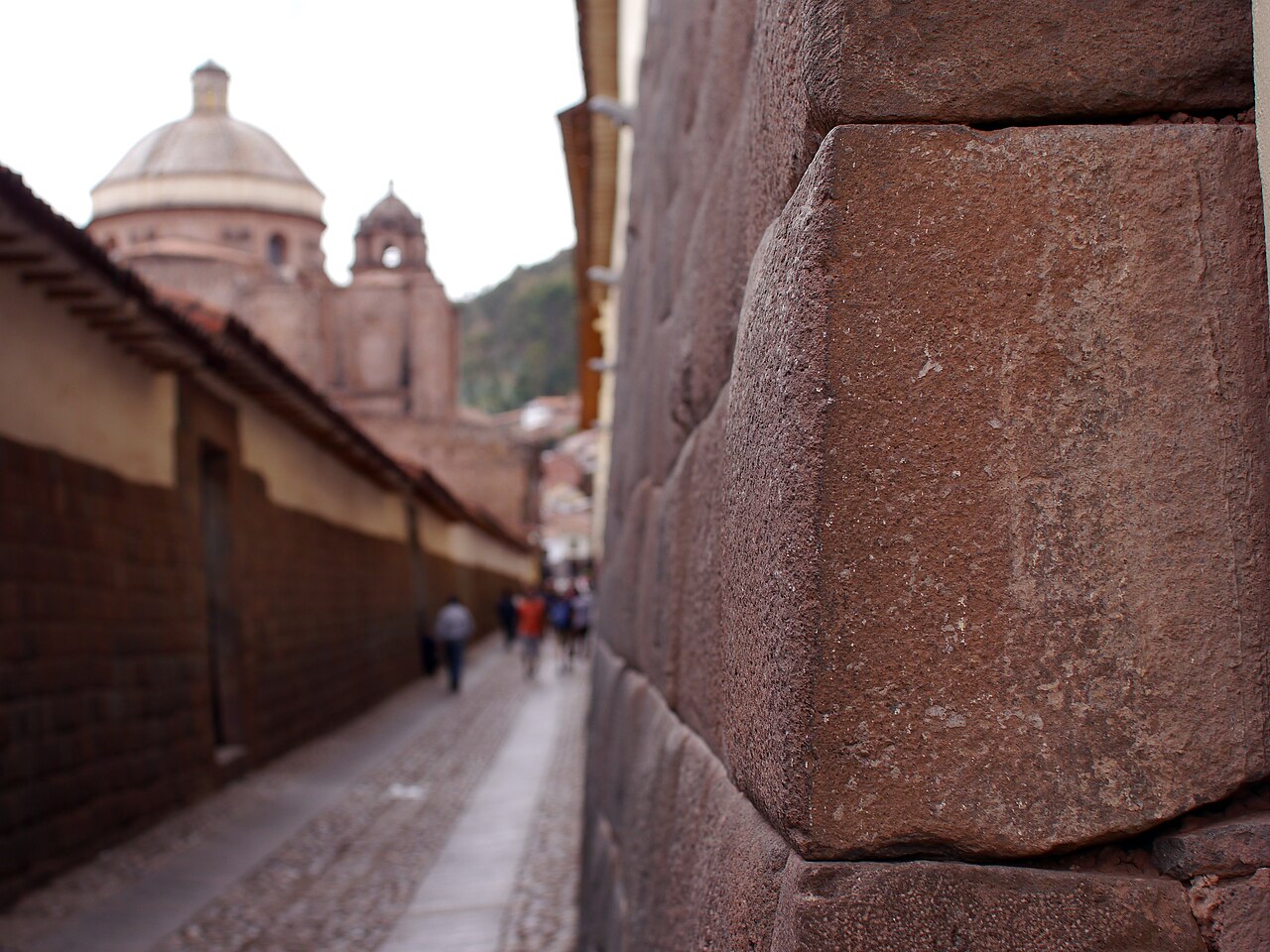
The narrow width of Calle Loreto creates potential congestion during peak visitor hours; pedestrians should remain aware of others in the confined space. The street surface, while paved, may be uneven in sections. The absence of protective barriers between pedestrians and the historic wall means visitors must exercise care to avoid contact that could cause deterioration; climbing or sitting on the stonework is inappropriate. No formal security presence is evident. Commercial activity along the passage includes vendors who may approach visitors. Altitude effects in Cusco, approximately 3,400 meters above sea level, may cause fatigue or breathlessness; pace accordingly. Weather protection is minimal along the open corridor.
Checked 2026-08-26
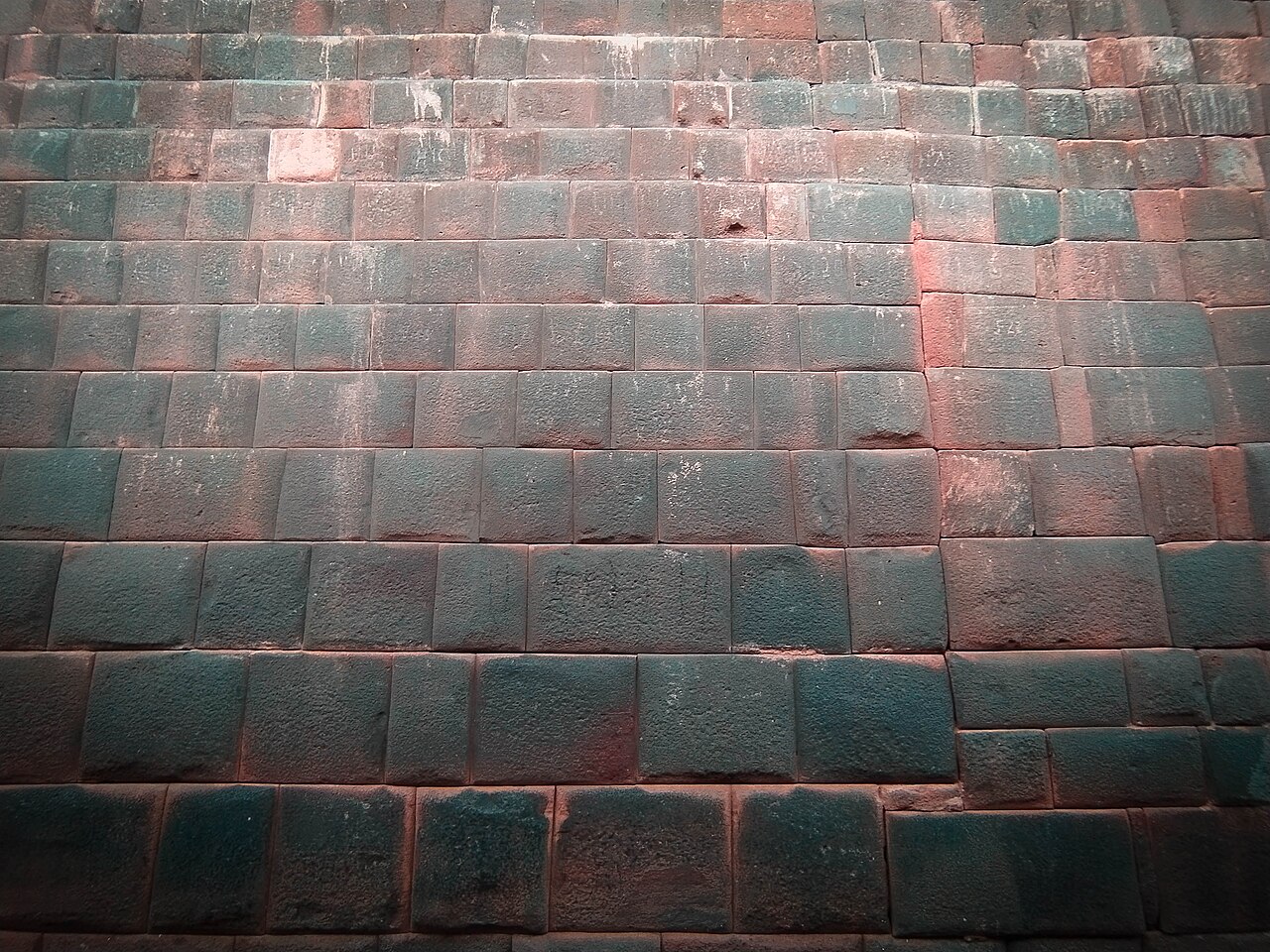
The Inca wall along Calle Loreto presents significant photographic interest due to the textural complexity of fitted stonework and the contrast between ancient masonry and later construction. The narrow passage creates compositional constraints; wide-angle lenses may prove useful. Lighting conditions vary substantially throughout the day as the east-facing wall receives direct morning sun and falls into shadow later. Tripod use may impede pedestrian flow and should be exercised with consideration for others. No photography restrictions are posted. Night photography would require artificial lighting and awareness of personal security in a dimly lit urban passage. The wall's surface details reward close examination and macro photography approaches.
Checked 2026-08-26
Yes. Calle Loreto is the local Spanish name; Loreto Street is the English equivalent.
No. The passage is a public street with no admission control or fee.
It provides a direct pedestrian link from Plaza de Armas toward Qorikancha.
The preserved Inca stone wall running along one side of the narrow passage.
Not recorded. The street may be included in broader Cusco walking itineraries.
No barriers separate pedestrians from the wall; visitors must exercise self-restraint.
Loading the interactive map…
The interactive map could not be loaded.


Last updated:
Source: OpenStreetMap contributors, Wikidata ·