
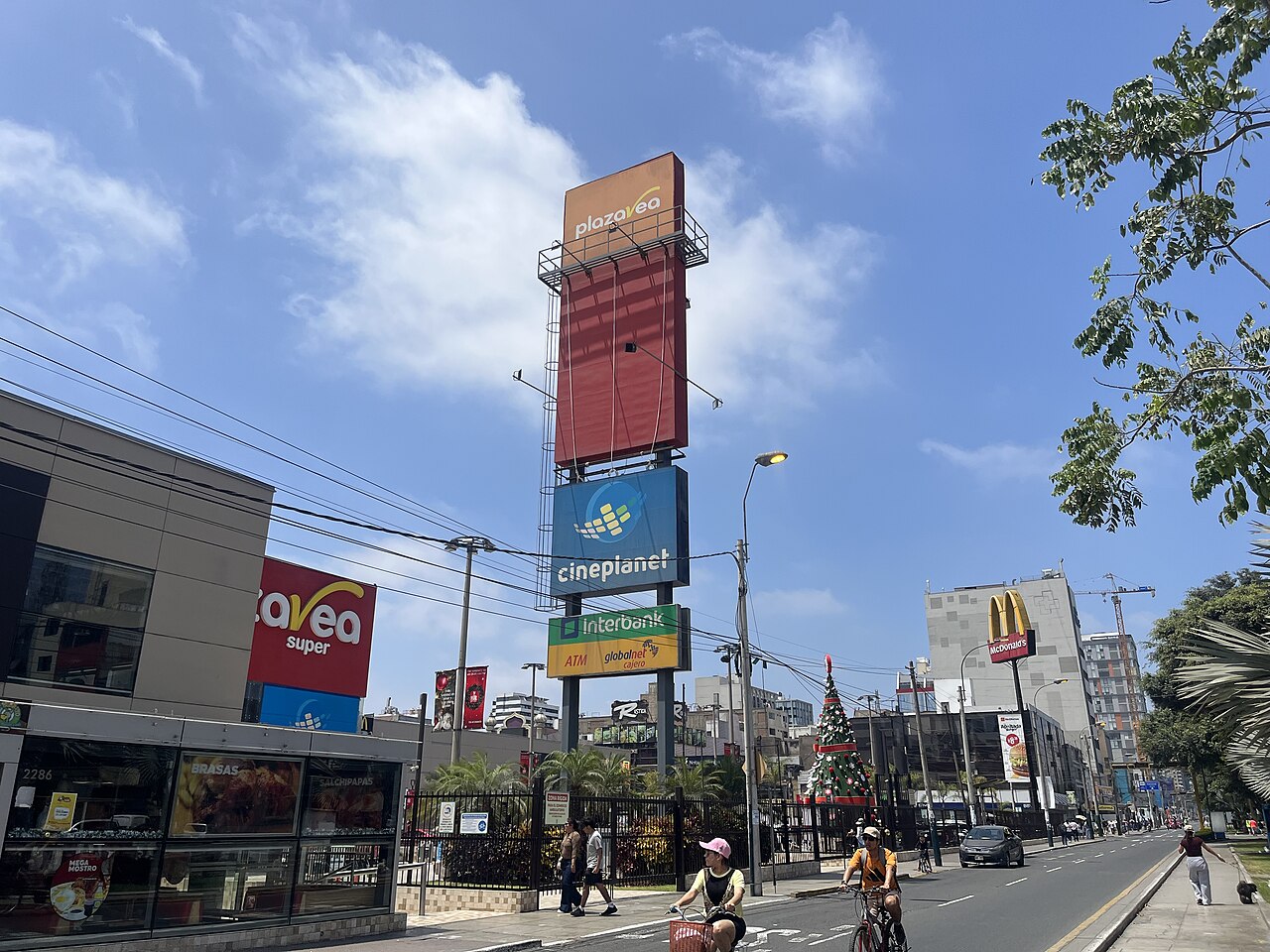
13 min walk
Cineplanet
- Notable
- Entertainment venue
Language · 11 published
Activity · Cusco
Wanchaq
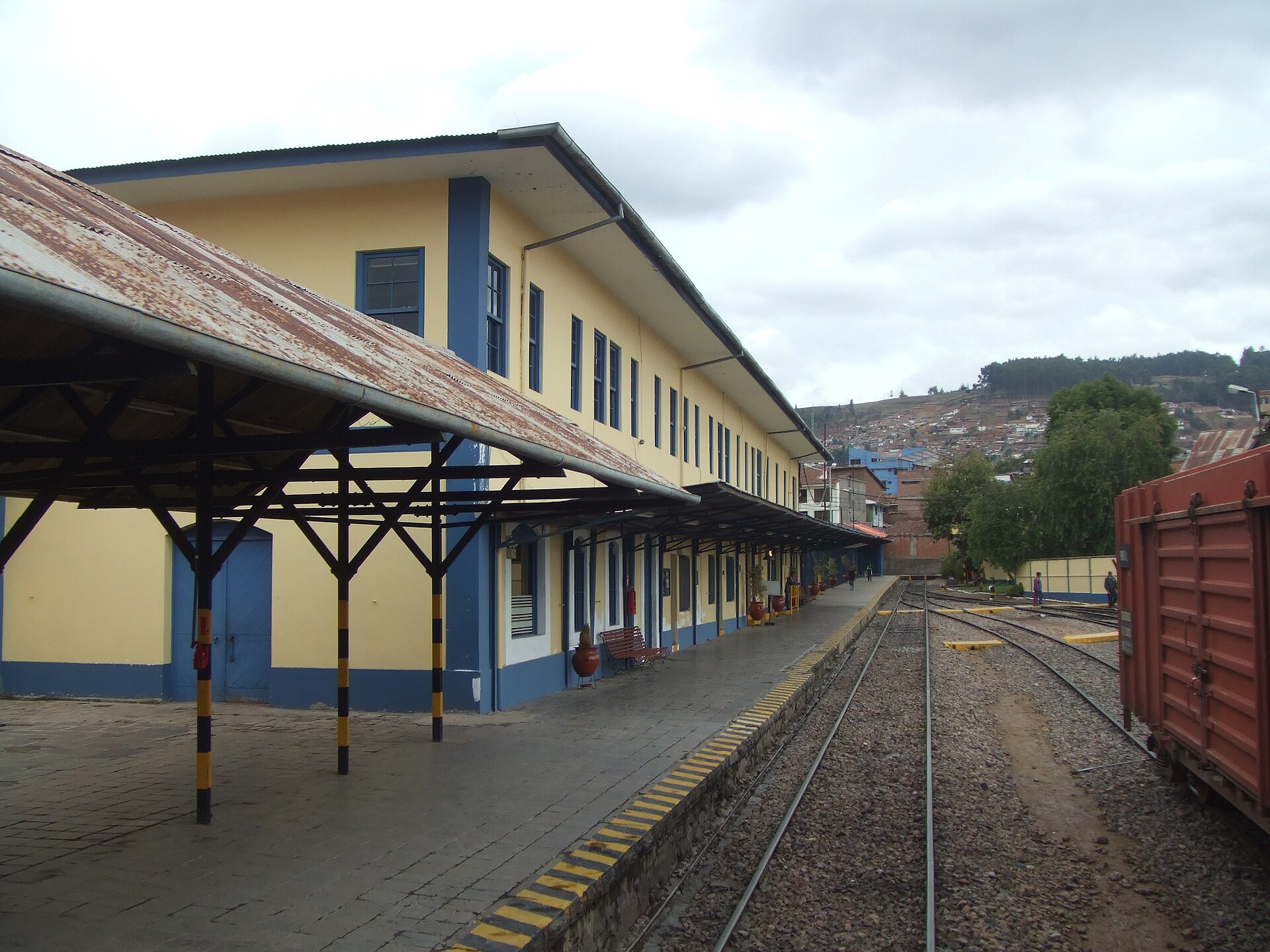
Wanchaq District is one of the eight districts composing the city of Cusco, Peru. It lies south of the historic colonial core, serving as a modern commercial and transportation zone rather than a tourist monument. The district provides context for understanding Cusco beyond its famous center, functioning as a working area where residents conduct daily business. Its identity is tied to practical urban functions rather than preserved heritage architecture. Visitors passing through encounter contemporary Peruvian city life, local markets, and infrastructure that supports the broader metropolitan area.
Checked 2026-08-26
Wanchaq contains commercial establishments serving local residents rather than international tourism. The district includes the Wanchaq railway station, which provides rail connections to other parts of Peru. Local markets and everyday shops characterize the area. The district lacks the concentrated monumental heritage found in Cusco's historic center. Streetscapes reflect mid-20th-century urban development patterns. There are no major museums, churches, or archaeological sites of recorded prominence within this district. The primary interest for visitors lies in observing ordinary urban activity and understanding how modern Cusco functions beyond its preserved colonial nucleus.
Checked 2026-08-26
A visit to Wanchaq District requires minimal dedicated time for typical travelers. Most visitors pass through incidentally while using transportation connections. Those specifically seeking to observe non-tourist urban life might spend one to two hours walking commercial streets. The district does not contain concentrated attractions demanding extended exploration. Combining transit through Wanchaq with purposeful observation of local commerce could occupy half a day at most. There is no recorded itinerary requiring full-day commitment. Visitors prioritizing Cusco's colonial and archaeological heritage would likely allocate their time elsewhere.
Checked 2026-08-26
Wanchaq District operates as a functioning urban area without visitor-specific seasonal restrictions. Local commerce follows normal business patterns. Weather follows Cusco's broader highland patterns with wet and dry seasons. Operator-confirmed hours or prices are Not recorded pending review. The district does not have recorded special events or festivals distinct from citywide observances. Morning and midday hours typically show greatest commercial activity. Visitors should expect standard urban conditions regardless of specific timing. No optimal visitor window has been established through verified sources.
Checked 2026-08-26
Wanchaq District requires no admission tickets as it is a public urban zone. Individual businesses set their own pricing. The railway station sells tickets for departures according to carrier policies. Operator-confirmed hours or prices are Not recorded pending review. No tourist pass or combined ticket includes this district. Visitors should carry Peruvian soles for any purchases. Bargaining may be customary in informal markets but specific practices are not recorded. Budget-conscious travelers will find this area generally less expensive than the colonial center.
Checked 2026-08-26
Wanchaq District is accessible from Cusco's historic center by walking south approximately twenty to thirty minutes, though individual walking pace varies. Local buses and colectivos serve the district. Taxis are widely available throughout Cusco. The Wanchaq railway station provides arrival point for those using rail connections from elsewhere in Peru. No special transportation arrangements are required. The district's proximity to the center makes it straightforward to reach. Visitors should exercise standard urban navigation awareness. Wanchaq District also earns time in a cusco itinerary because WIKIDATA_EDITORIAL reconciliation for the ranked entry; identity and coordinates were verified without a nearby fallback. Its value becomes clearer when the stop is compared with the surrounding streets and the other ranked places nearby.
Checked 2026-08-26
Visitors should apply standard precautions appropriate to busy urban areas in Peruvian cities. Traffic includes buses, taxis, and private vehicles moving through commercial streets. Sidewalk conditions may vary. Petty theft awareness is advisable in any crowded market setting. Altitude affects all of Cusco; Wanchaq's elevation requires the same acclimatization as the historic center. No specific hazards are recorded for this district beyond normal urban considerations. Water and food safety follow general Peruvian travel guidance. Medical facilities are present but specific locations are not recorded.
Checked 2026-08-26
Photography in Wanchaq District presents everyday urban scenes rather than iconic monuments. Street photography may capture local commerce, transportation activity, and modern Peruvian city life. Permission should be sought before photographing individuals, particularly in market settings. The railway station may have restrictions on platform photography; carrier policies are not recorded. Early morning and late afternoon light conditions follow high-altitude patterns. No designated viewpoints are established. Images from Wanchaq document context rather than celebrated heritage. Respect for residents going about daily activities should guide photographic choices.
Checked 2026-08-26
Standard urban precautions apply. No specific safety warnings are recorded for this district beyond general guidance for Peruvian cities.
The district offers context for understanding modern Cusco beyond the colonial center, with local commerce and transportation connections.
The district is characterized by modern development rather than preserved colonial heritage, which concentrates in Cusco's historic center.
The Wanchaq railway station serves as a point for rail connections, though specific current services and schedules are not recorded.
Wanchaq functions as a working commercial district for residents, lacking the concentrated monuments and tourism infrastructure of the colonial core.
Local eating establishments serve residents primarily. Specific venues or cuisines are not recorded in available sources.
Loading the interactive map…
The interactive map could not be loaded.

Last updated:
Source: OpenStreetMap contributors, Wikidata ·