
10 min walk
Q'inqu
- Must see
- Historic monument
Language · 11 published
Historic monument · Cusco
Templo de la Luna
Read from the OpenStreetMap access tags; anything not listed has no tag recorded.
Set the group type to family in the planner and the day window contracts to about three quarters of a solo day.
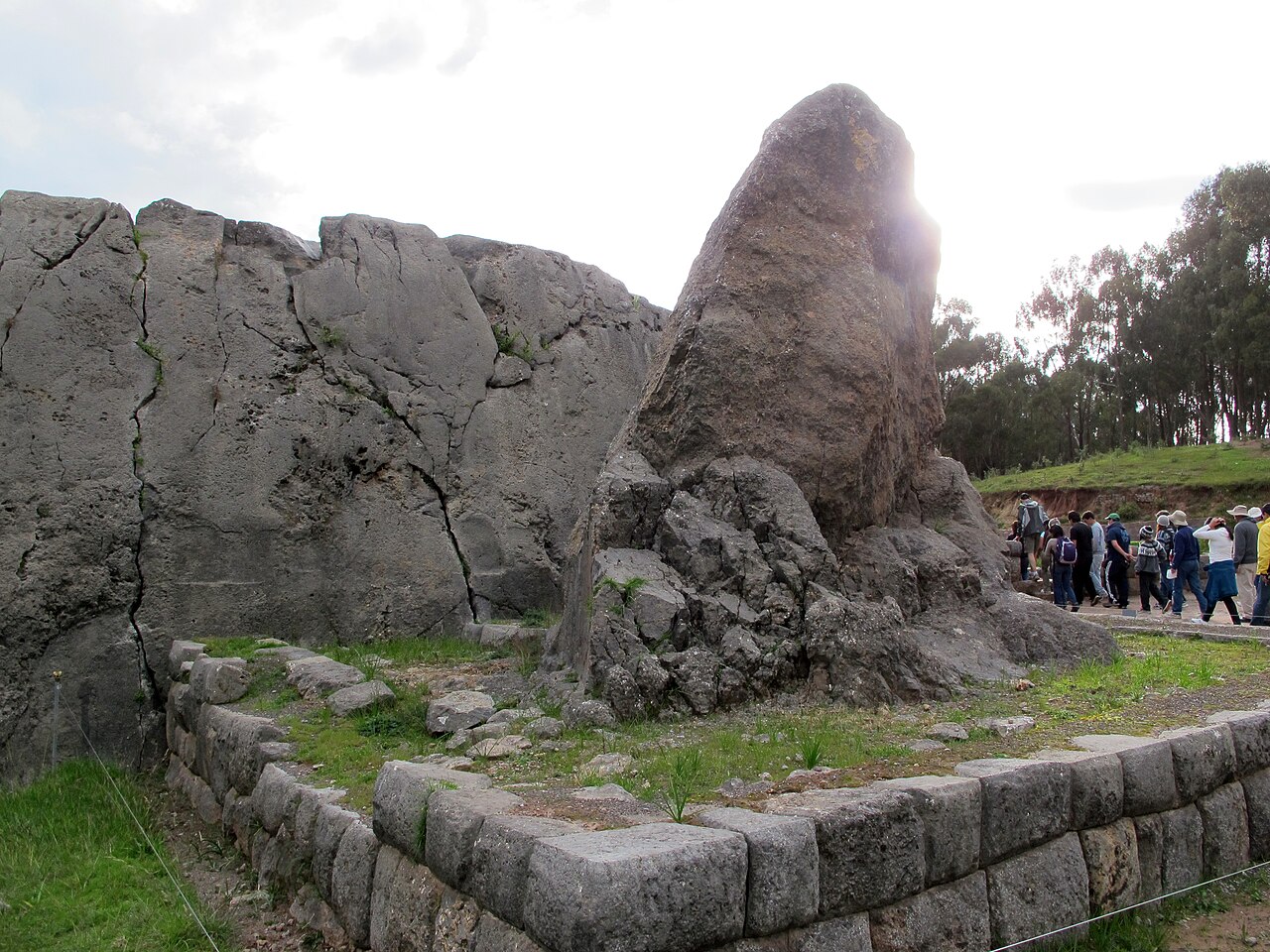
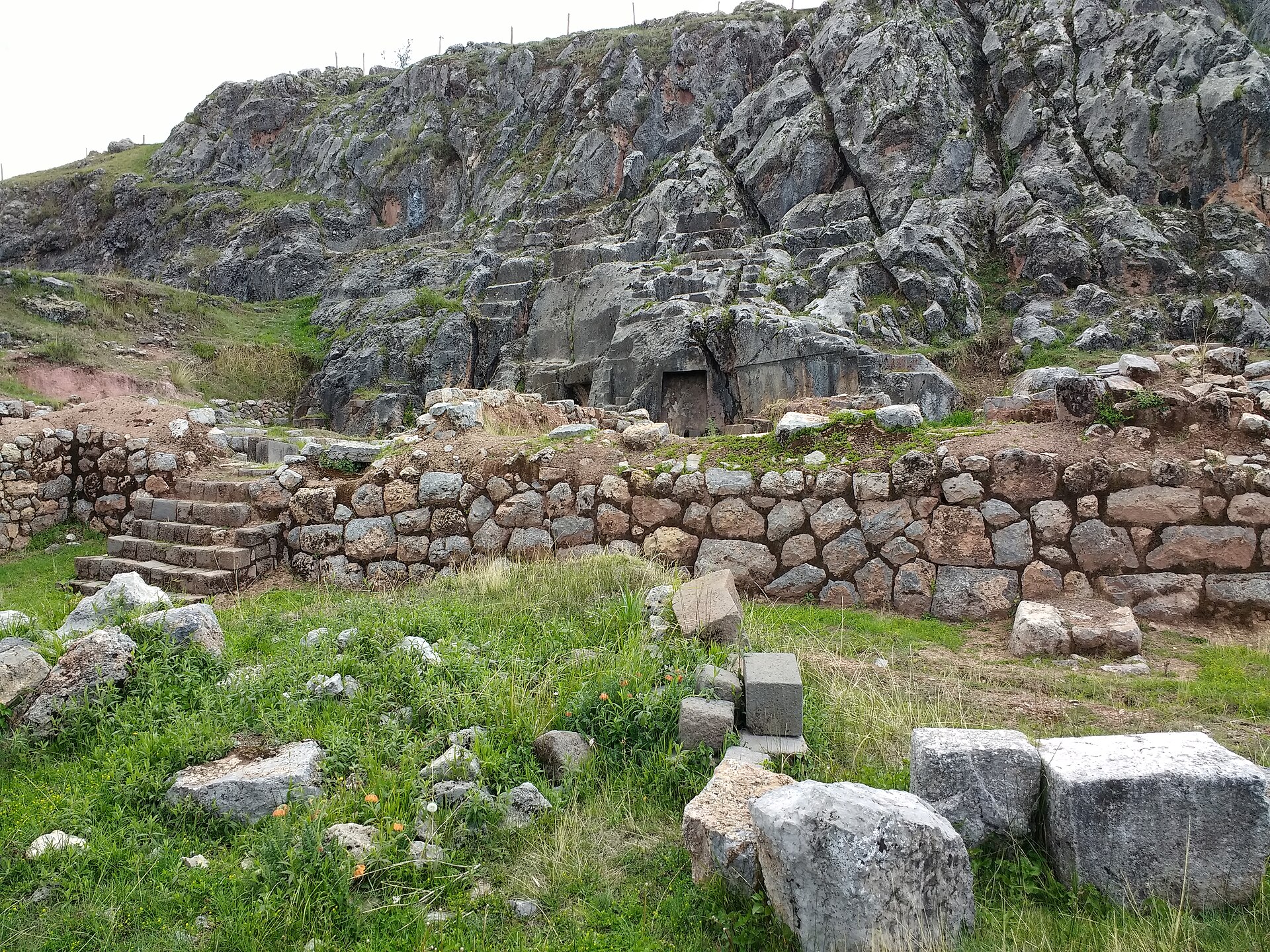
The Temple of the Moon, or Templo de la Luna, is a rock-cut ceremonial site located on the hills near Sacsayhuaman above Cusco. Unlike the grand fortress of Sacsayhuaman, this location offers a more intimate archaeological experience. The name reflects modern interpretation rather than confirmed historical designation, as specific functions of such sites remain subjects of scholarly study. No fixed public opening timetable; access is regulated as part of a strict-protection archaeological zone. The Ministry of Culture’s 2024–2030 master plan classifies Amaru Marcahuasi–Templo de la Luna as Strict-Protection Archaeological Monumental Zone III. It publishes no weekly closure days or timed visitor schedule.
Checked 2026-08-31 · Source
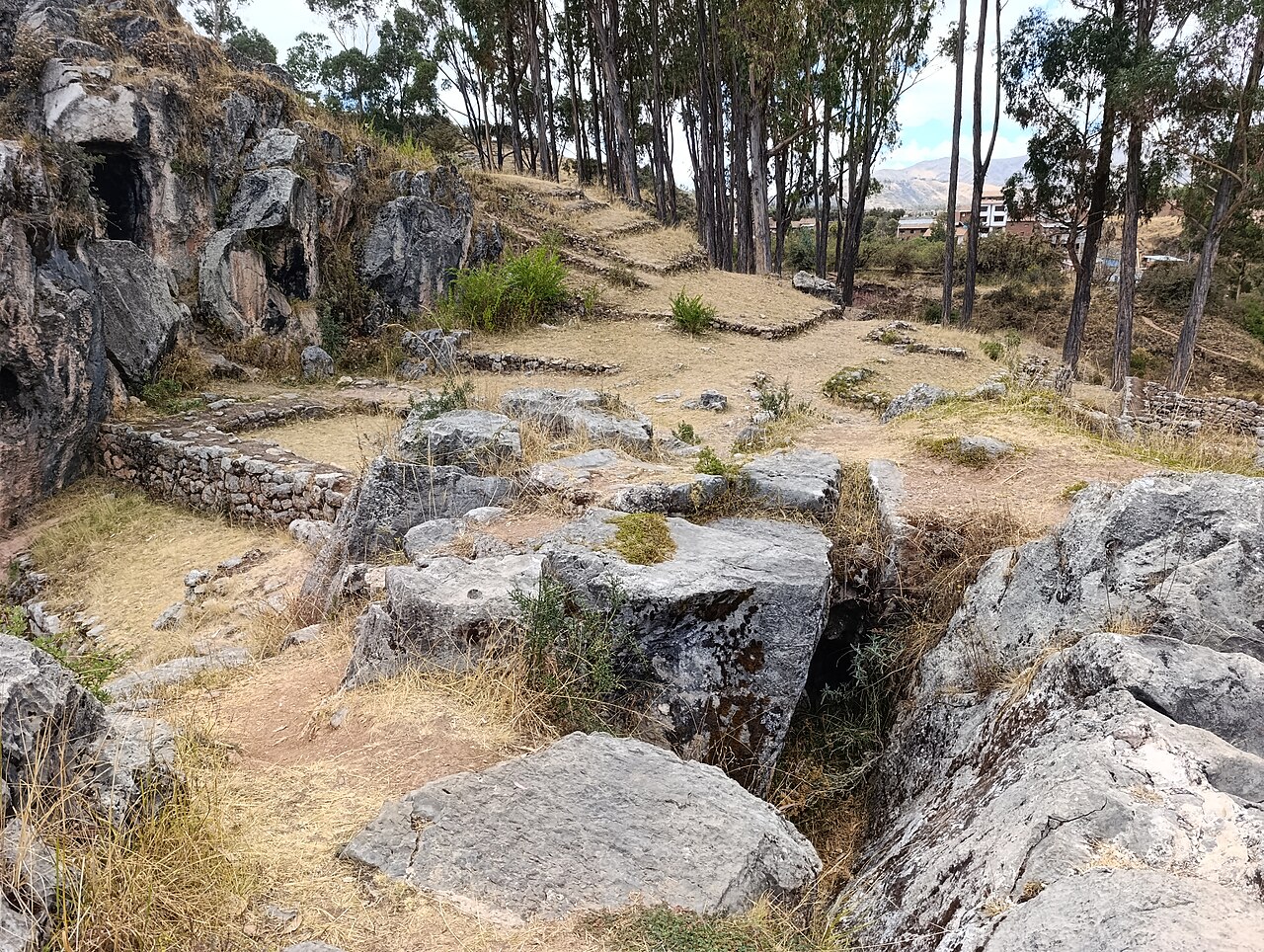
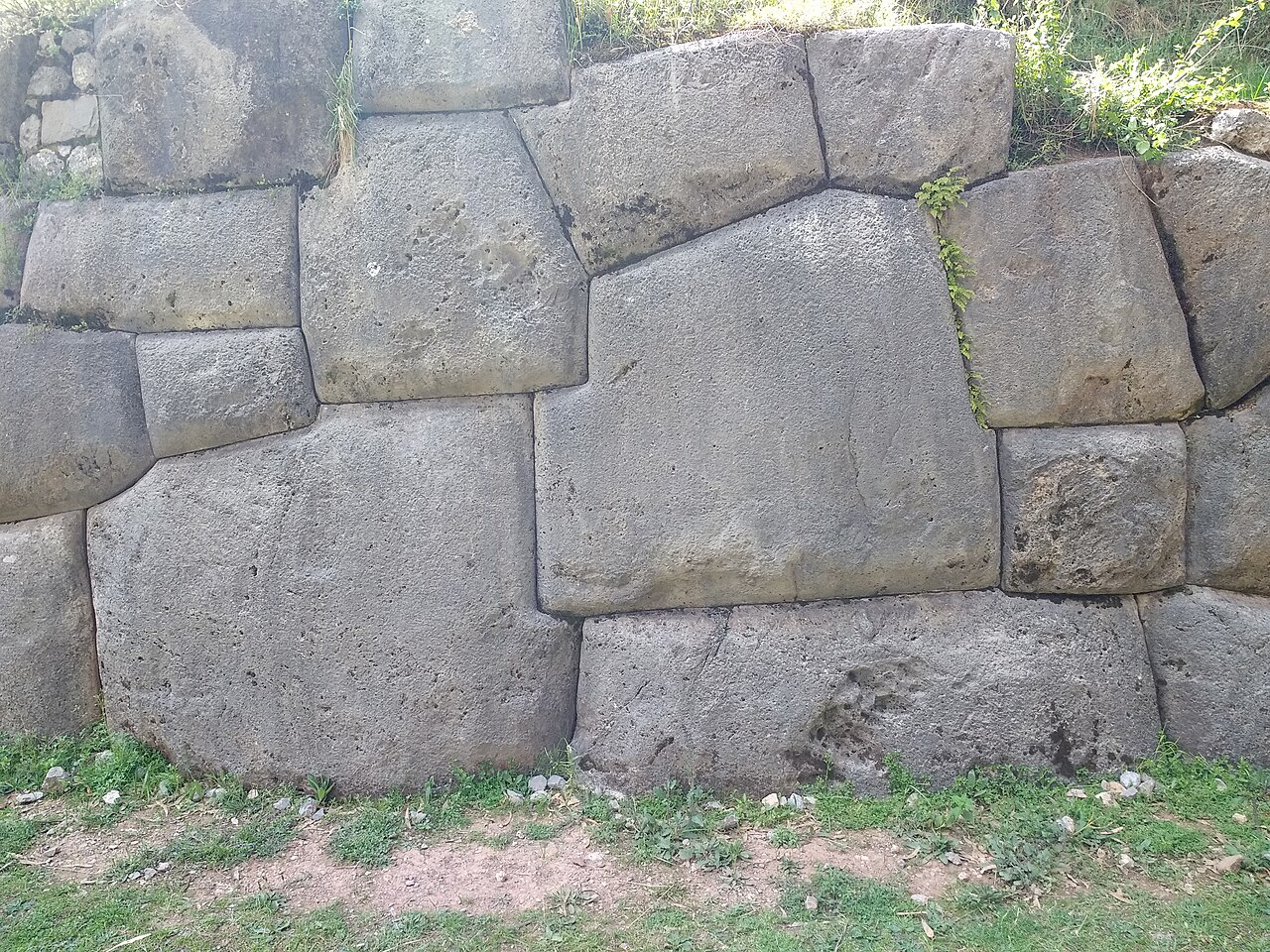
The temple features carved stone chambers and niches integrated into existing rock outcrops. Visitors will observe carefully worked stone surfaces that suggest ceremonial or astronomical purposes. The site lacks the massive fitted blocks found at major Inca monuments, instead demonstrating how ancient builders incorporated natural formations into sacred spaces. Interpretation remains limited without on-site signage or staffed explanation. The surrounding terrain provides views toward the Cusco valley below, adding context to its hillside positioning. The Ministry of Culture’s 2024–2030 master plan classifies Amaru Marcahuasi–Templo de la Luna as Strict-Protection Archaeological Monumental Zone III. It publishes no weekly closure days or timed visitor schedule.
Checked 2026-08-31 · Source
A visit to the Temple of the Moon typically requires between thirty minutes and one hour, depending on walking pace and interest in examining stone details. The site is compact and unenclosed, allowing visitors to determine their own duration. Those combining this destination with Sacsayhuaman or other nearby archaeological zones should allocate additional time for the connecting trails. The walk from central Cusco to this area adds substantially to overall excursion length, making half-day planning advisable for most visitors.
Checked 2026-08-31 · Source
Dry season months from May through September generally offer more reliable walking conditions on hillside trails, with reduced mud and clearer visibility. Morning visits may provide better lighting for examining stone surfaces and photography. Afternoon cloud buildup is common during wet season afternoons, potentially affecting visibility and trail conditions. No fixed public opening timetable; access is regulated as part of a strict-protection archaeological zone. The Ministry identifies access through pre-Hispanic path segments and the Cusco–Saphy–Puqro local road; it does not identify a step-free visitor route. The archaeological area includes uneven historic paths and rock features rather than a surfaced wheelchair route.
Checked 2026-08-31 · Source
The Temple of the Moon may fall within the broader Sacsayhuaman archaeological park ticketing system, though specific inclusions are not confirmed. Visitors should inquire at official tourist information points in Cusco regarding whether standard boleto turistico coverage extends to this particular location. Cash preparation in Peruvian soles remains prudent for any incidental fees. Free access: COSITUC does not include Amaru Marka Wasi among the attractions requiring the Cusco Tourist Ticket; the Ministry’s master plan places it in Zone III, outside the ticket circuit assigned to Zones I and II.
Checked 2026-08-31 · Source
The temple sits on hills above Cusco's historic center, accessible via walking paths extending from the Sacsayhuaman vicinity. The route involves uphill walking at significant altitude, approximately 3,400 meters above sea level, requiring moderate fitness and acclimatization. No regular public transport serves the immediate site. From central Cusco, the documented public-body route is via the Cusco–Saphy–Puqro local road. For public transport, the regional government identifies the Señor del Huerto urban bus corridor serving Saqsayhuamán, Qenqo and Tambomachay; alight for the Qenqo/Villa San Blas area and continue to Amaru Marka Wasi. An official DDC Cusco walking route starts at Plazoleta de San Blas and proceeds through Pachatosa, Ch’eqtaqaqa and K’usilluchayuq before reaching Amaru Marka Wasi.
Checked 2026-08-31 · Source
Altitude effects including breathlessness and fatigue demand pacing and hydration. Weather changes rapidly; rain can render trails slippery on exposed rock surfaces. The site lacks guardrails, barriers, or emergency services, requiring cautious movement near edges. Limited mobile phone coverage may complicate communication. Solo visiting carries additional risk given remote character. Informing accommodation of intended route and expected return provides basic safety protocol. The Ministry identifies access through pre-Hispanic path segments and the Cusco–Saphy–Puqro local road; it does not identify a step-free visitor route. A dedicated entrance-control point for Amaru Marcahuasi is listed as a 2026–2028 project, indicating that permanent visitor-access infrastructure is still being developed.
Checked 2026-08-31 · Source
The rock-cut chambers and natural stone backdrops offer distinctive photographic subjects with appropriate lighting. Morning and late afternoon typically provide more dimensional illumination than midday overhead sun. Wide-angle lenses accommodate the enclosed spaces of carved niches. The elevated position allows landscape compositions incorporating Cusco below when atmospheric conditions permit. Tripod use may prove awkward on uneven terrain. No. This record is the Amaru Marcahuasi–Templo de la Luna archaeological zone inside Cusco’s Saqsaywaman National Archaeological Park, near Qenqo. The Ministry of Culture classifies it as Strict-Protection Archaeological Monumental Zone III because of its exceptional archaeological value and vulnerable remains.
Checked 2026-08-31 · Source
No. This record is the Amaru Marcahuasi–Templo de la Luna archaeological zone inside Cusco’s Saqsaywaman National Archaeological Park, near Qenqo.
The Ministry of Culture classifies it as Strict-Protection Archaeological Monumental Zone III because of its exceptional archaeological value and vulnerable remains.
No. COSITUC’s ticket covers Saqsayhuamán, Qenqo, Puka Pukara and Tambomachay, but not Amaru Marka Wasi.
DDC Cusco documented a route from Plazoleta de San Blas through Pachatosa, Ch’eqtaqaqa and K’usilluchayuq to Amaru Marka Wasi, continuing afterward toward Ch’uspiyuq and Tambomachay.
The Ministry’s master plan names the national Cusco–Pisac road and the local Cusco–Saphy–Puqro road as the principal connections serving this part of the park.
Yes. The Ministry’s master plan assigns the Templo de la Luna–Amaru Marcahuasi sector a medium geodynamic-hazard level.
Loading the interactive map…
The interactive map could not be loaded.
Last updated:
Source: OpenStreetMap contributors ·