

3 min walk
Q'inqu
- Must see
- Historic monument
Language · 11 published
Historic monument · Cusco
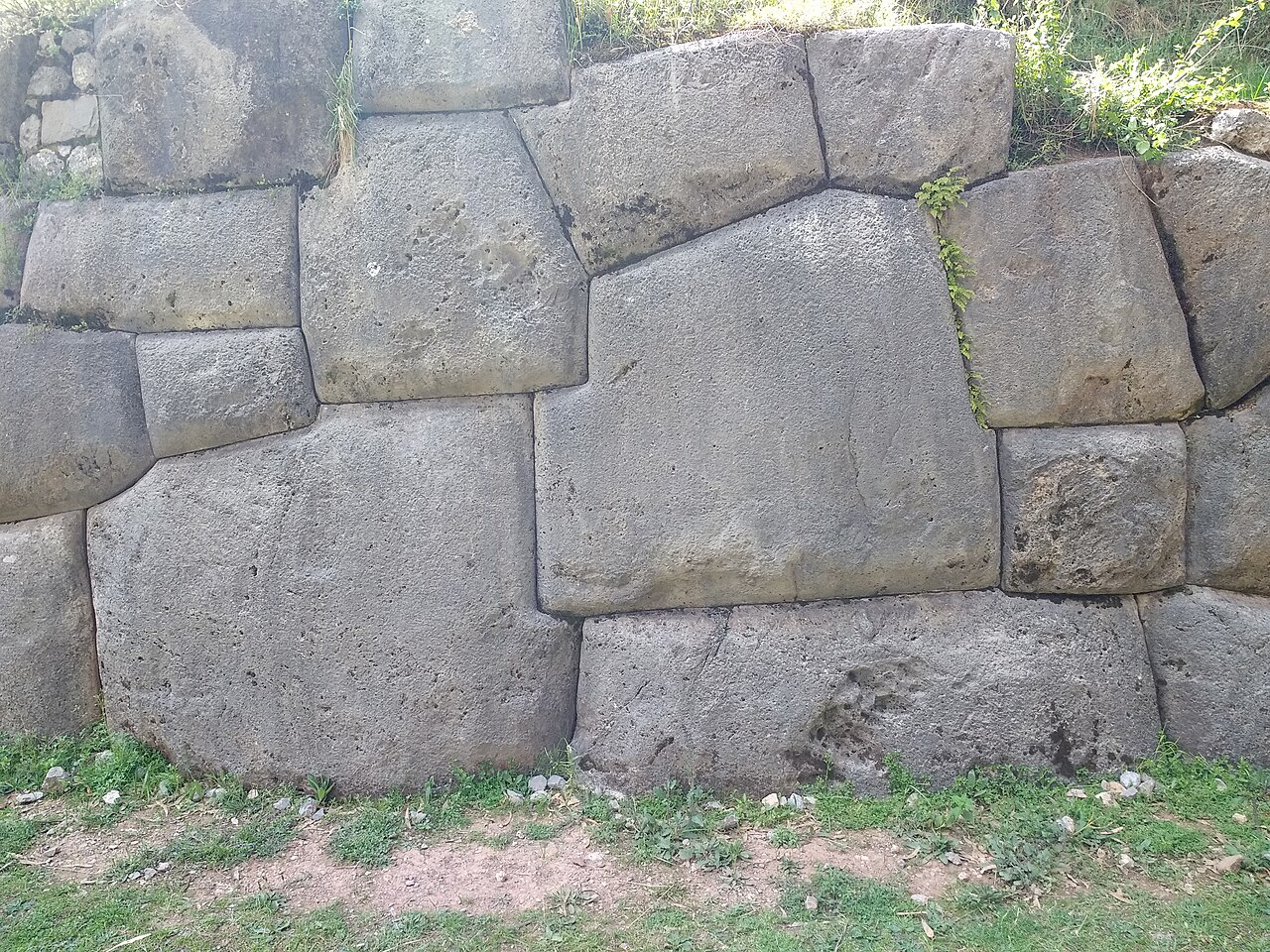
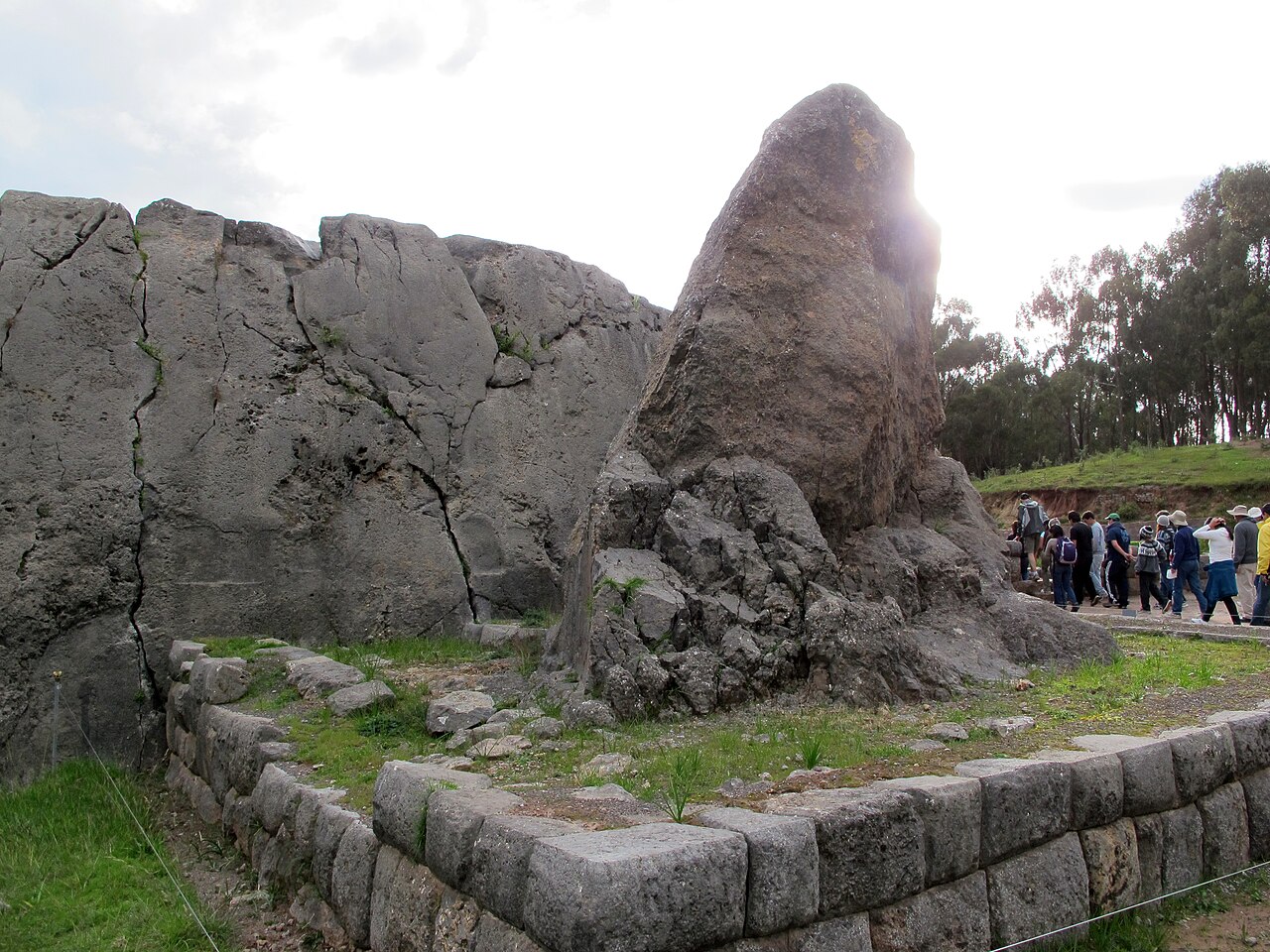
Q'enqo Chico is the smaller companion archaeological site to the better-known Q'enqo Grande, forming part of the broader Q'enqo archaeological complex situated on the hills above Cusco. This Inca ceremonial landscape features carved stone surfaces, channels, and ritual spaces that complement the larger site's astronomical and religious functions. Together, these sites illustrate the sophisticated engineering and spiritual practices of the Inca civilization. The location offers panoramic views over the city of Cusco and the surrounding Sacred Valley, positioning it within the network of significant archaeological attractions accessible from the historic capital.
Checked 2026-08-26
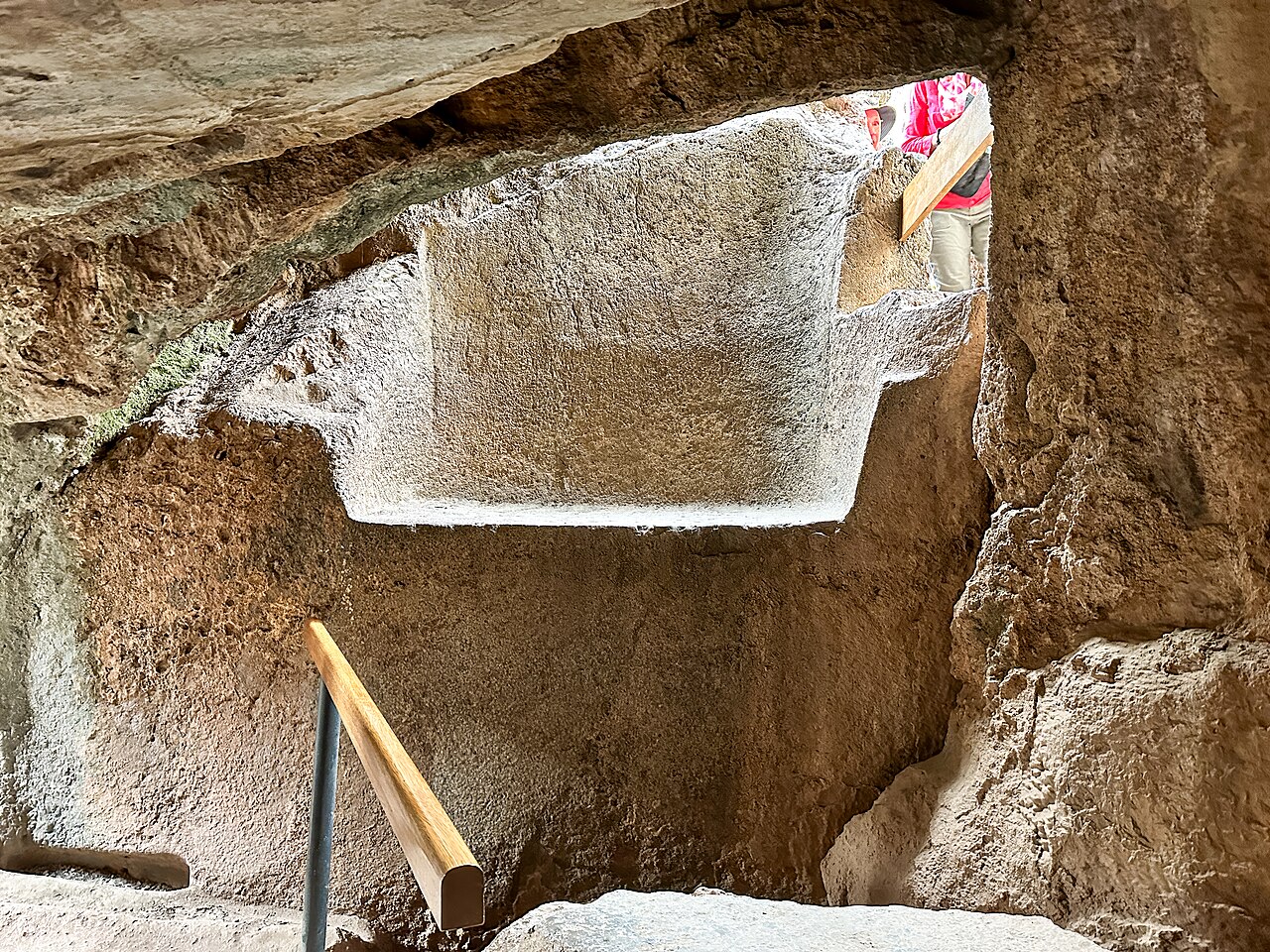
The site contains carved stone outcrops, ceremonial platforms, and channels that likely served ritual purposes. These features represent typical elements of Inca huaca veneration, where natural rock formations were modified for religious ceremonies. The spatial relationship between Q'enqo Chico and Q'enqo Grande suggests complementary ceremonial functions within a unified sacred landscape. Visitors will observe weathered but discernible stonework integrated into the hillside terrain. The specific attribution of individual carved elements to particular ceremonies remains a subject of archaeological interpretation rather than established fact. Preservation conditions reflect both natural erosion and visitor impact over decades of unregulated access.
Checked 2026-08-26
A visit to Q'enqo Chico typically requires between thirty minutes and one hour, depending on individual interest in archaeological detail and photographic documentation. Many visitors combine this site with Q'enqo Grande and nearby attractions such as Sacsayhuamán, Puka Pukara, and Tambomachay in a half-day or full-day itinerary. The compact nature of the site means extensive time is unnecessary for a general appreciation of its features. Those with specialized interest in Inca ceremonial architecture may wish to allocate additional time for careful observation of stonework details and consideration of the site's topographical relationship to the broader archaeological zone.
Checked 2026-08-26
Cusco experiences distinct dry and wet seasons that affect visitor conditions at exposed archaeological sites. The dry season from May to October generally offers more favorable conditions with reduced rainfall, though morning temperatures can be cold at this elevation. The wet season from November to April presents increased precipitation that may make stone surfaces slippery and reduce visibility. Midday visits typically provide the strongest illumination for observing carved details. Operator-confirmed hours are Not recorded pending review. Visitors should verify current access arrangements with local tourism authorities or established tour operators before planning a specific visit to this site.
Checked 2026-08-26
Access to Q'enqo Chico is understood to fall within the broader ticketing arrangements for archaeological sites in the Cusco region, though specific requirements for this particular location are not separately documented in available sources. The Boleto Turístico del Cusco provides access to multiple regional attractions, but whether this specific site requires separate admission or is accessible independently remains unclear. Operator-confirmed prices are Not recorded pending review. Visitors should consult the Cosituc website or local tourism offices for current fee structures. Budget-conscious travelers should prepare for potential costs associated with guided services if independent access proves impractical.
Checked 2026-08-26
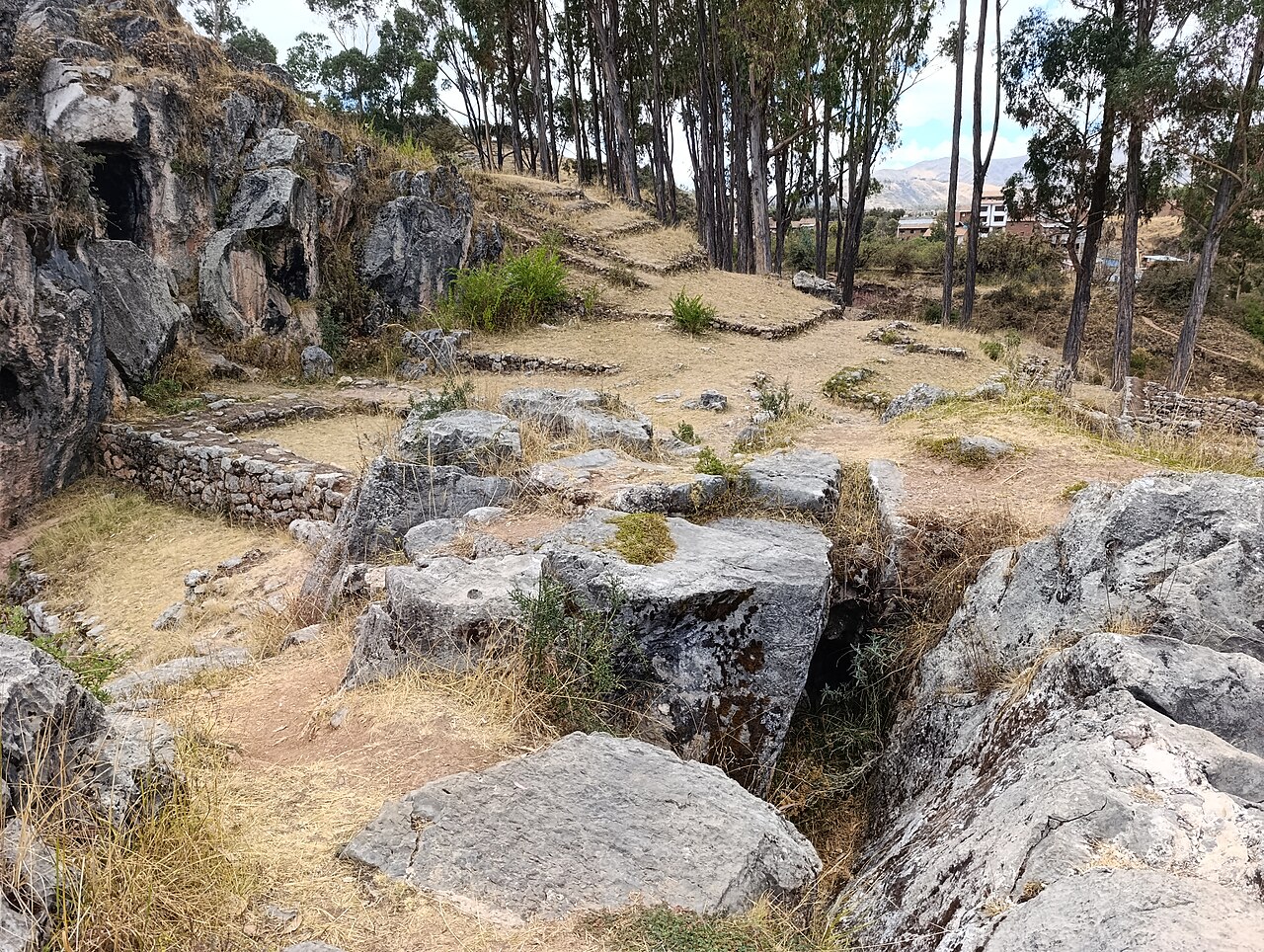
Q'enqo Chico occupies hillside terrain above Cusco, accessible via roads leading toward the Q'enqo archaeological zone. The route from central Cusco involves ascending from the city toward the higher elevation archaeological complex. Taxis and colectivos serve the general Q'enqo area, though precise drop-off points for Q'enqo Chico specifically are not documented. Walking from nearby parking areas for Q'enqo Grande may be necessary. Tour operators in Cusco routinely include Q'enqo sites in half-day and full-day excursions. Self-directed visitors should obtain detailed local directions, as signage distinguishing Q'enqo Chico from the main Q'enqo site may be limited or absent.
Checked 2026-08-26
The high elevation of Cusco, approximately 3,400 meters above sea level, presents genuine acclimatization challenges that visitors must respect before undertaking any physical activity. Stone surfaces at archaeological sites become treacherously slippery when wet and remain uneven when dry. The exposed hillside location offers minimal shelter from intense high-altitude solar radiation during clear conditions. No documented emergency services or facilities exist at this specific site. Visitors should carry adequate water, sun protection, and basic first aid supplies. The absence of guardrails or marked boundaries near carved outcrops requires cautious movement. Solo visitors should inform others of their intended itinerary given limited mobile coverage in hillside terrain.
Checked 2026-08-26
The elevated position of Q'enqo Chico affords photographic opportunities incorporating both archaeological detail and panoramic contextual views over Cusco and surrounding mountains. Morning and late afternoon light angles typically produce more dimensional illumination of carved stone surfaces than harsh midday conditions. The site's smaller scale and relative quiet compared to major attractions may facilitate unhurried photographic study. Wide-angle lenses accommodate the expansive landscape context, while moderate telephoto options isolate stonework textures. No specific photography restrictions are documented, though respectful conduct at ceremonial sites remains appropriate. Drone operation would require verification of current Peruvian regulations and any site-specific prohibitions. Tripod use for low-light conditions may prove impractical on uneven terrain.
Checked 2026-08-26
No. Q'enqo Chico is the smaller companion site to Q'enqo Grande. Together they form the broader Q'enqo archaeological complex above Cusco, with complementary ceremonial features rather than identical functions.
Independent access may be possible but is not confirmed. The site lacks documented visitor infrastructure, and distinguishing it from the main Q'enqo site presents navigation challenges. Many visitors use established tour services for this archaeological zone.
Essential items include water, sun protection, sturdy footwear for uneven stone surfaces, and layers for temperature variation at high elevation. Basic first aid supplies are prudent given the absence of documented on-site facilities.
Q'enqo Chico is substantially smaller and less monumental than Sacsayhuamán. It represents a specialized ceremonial component of the broader archaeological landscape rather than a major fortress or administrative center.
No documented facilities exist at Q'enqo Chico specifically. Visitors should complete personal needs in Cusco before ascending to this hillside location, or confirm arrangements with tour operators if visiting as part of an organized excursion.
The hillside terrain, uneven stone surfaces, and absence of documented accessibility adaptations suggest significant challenges for visitors with limited mobility. Individual assessment of capability relative to steep and irregular ground conditions is necessary.
Loading the interactive map…
The interactive map could not be loaded.
Last updated:
Source: OpenStreetMap contributors ·