


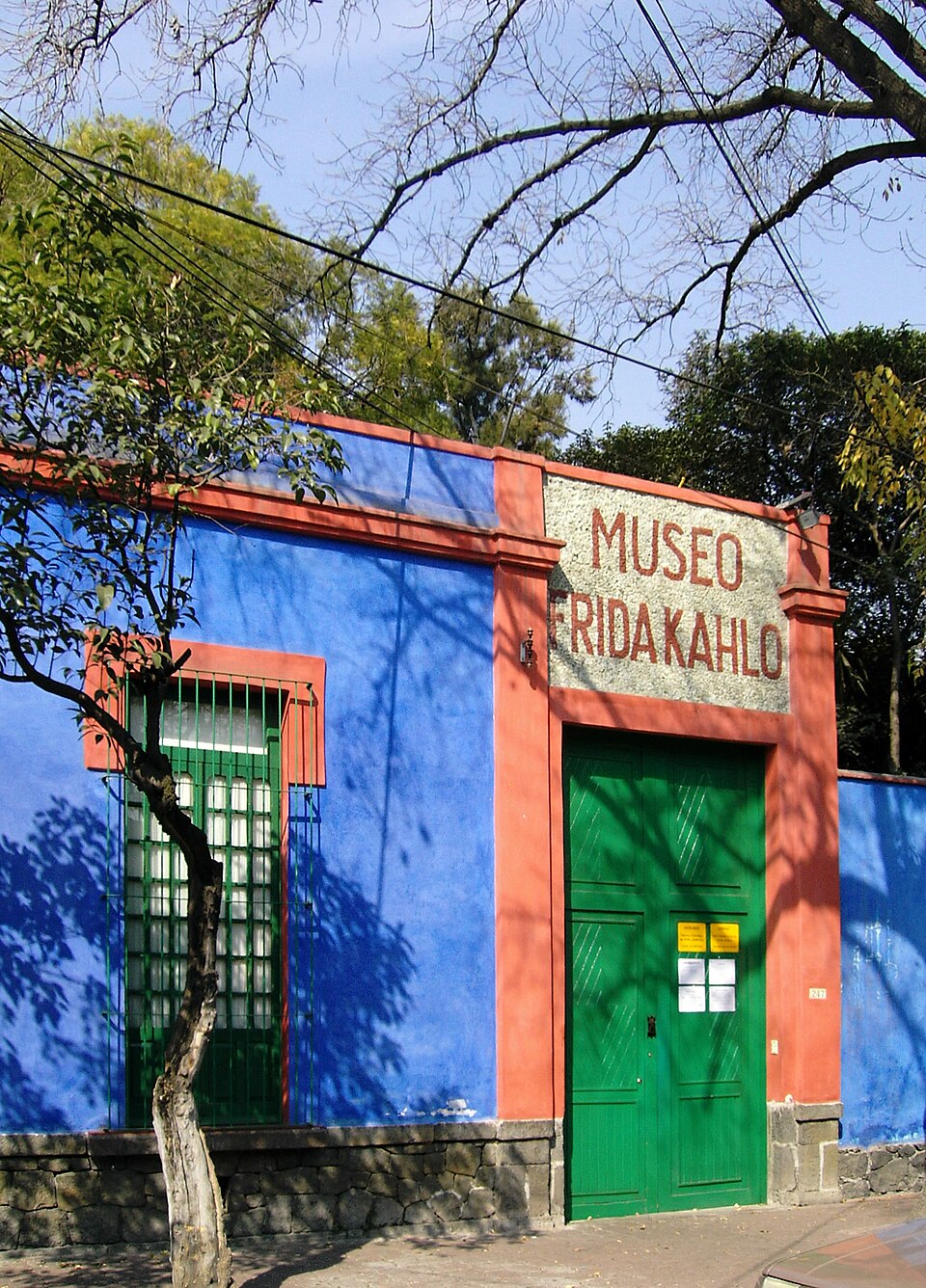
6 min walk
Frida Kahlo Museum
- Must see · Heritage site
- Museum
Language · 11 published
Museum · Mexico City
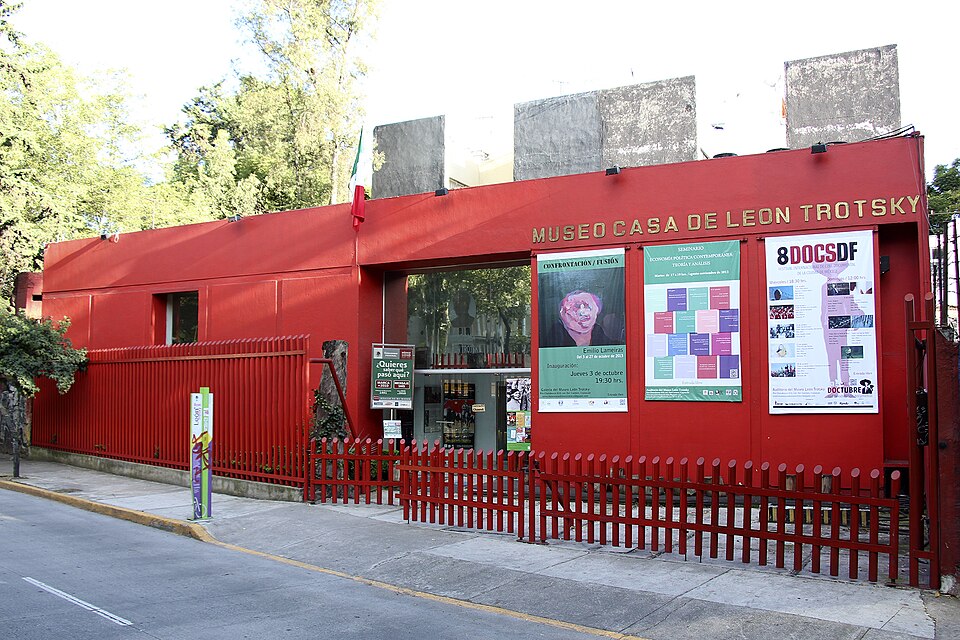
Museo Casa de León Trotsky
| Monday | Closed |
|---|---|
| Tuesday | 10:00 – 17:00 |
| Wednesday | 10:00 – 17:00 |
| Thursday | 10:00 – 17:00 |
| Friday | 10:00 – 17:00 |
| Saturday | 10:00 – 17:00 |
| Sunday | 10:00 – 17:00 |
Parsed from OpenStreetMap opening hours on 2026-08-26.
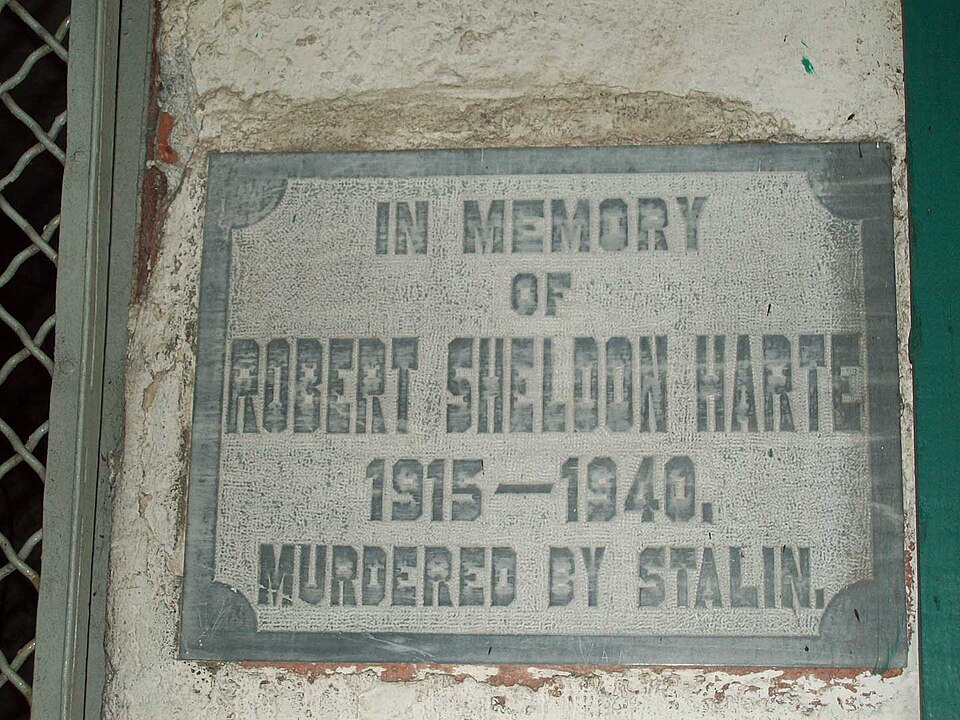
The Leon Trotsky House Museum is a historic house museum in Coyoacán, Mexico City. It preserves the final residence of Russian revolutionary Leon Trotsky, who lived here from 1939 until his assassination in 1940. The property contains the house, garden, and defensive structures built during Trotsky's exile. It stands as a significant site of twentieth-century political history, marking where Trotsky spent his last years after fleeing Stalinist persecution. The museum commemorates his life, work, and violent death through preserved interiors and exhibits.
Checked 2026-08-26
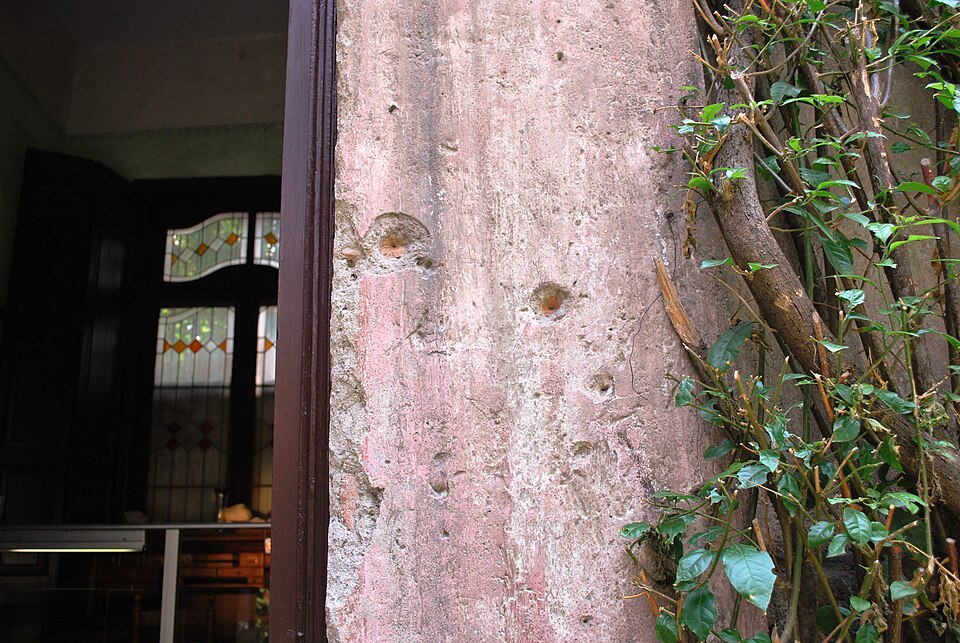
The museum displays Trotsky's preserved study, bedroom, and personal belongings including books, papers, and eyeglasses. Visitors can see the desk where he worked, his bed, and other original furnishings. The garden contains his tomb, where he and his wife Natalia Sedova are buried. Defensive features remain visible, including watchtowers and thickened walls added for security. The collection includes photographs, documents, and explanatory materials about Trotsky's revolutionary career, his exile, and the circumstances of his assassination by Ramón Mercader in August 1940.
Checked 2026-08-26
Most visitors spend approximately one to two hours exploring the museum and grounds. The house interior is compact, allowing relatively quick passage through the preserved rooms. The garden and tomb area invite additional contemplation. Those with strong interest in revolutionary history, Cold War politics, or Trotsky's biography may linger longer examining documents and photographs. The site pairs naturally with nearby Frida Kahlo's Blue House, also in Coyoacán, allowing visitors to combine both destinations in a half-day itinerary focused on political and artistic exile narratives.
Checked 2026-08-26

Operator-confirmed hours are Not recorded pending review. Visitors should verify current opening times before planning their trip, as schedules may change without notice. Coyoacán itself offers pleasant walking streets and a relaxed atmosphere throughout the year. Morning visits may provide quieter conditions for reflection at this somber historical site. The neighborhood attracts substantial weekend and holiday crowds, particularly around its central plaza and market. Weekday visits potentially offer more solitary engagement with the museum's serious historical content and preserved spaces. Leon Trotsky House Museum also earns time in a mexico city itinerary because Trotsky's final home and assassination site provides a specific twentieth-century political-history visit in Coyoacán; no in-scope production POI exists. Its value becomes clearer when the stop is compared with the surrounding streets and the other ranked places nearby.
Checked 2026-08-26
Operator-confirmed prices are Not recorded pending review. Visitors should expect to pay an admission fee and verify current costs before arrival. The museum may offer reduced rates for students, seniors, or residents, though specific categories and discounts remain unconfirmed. Some Mexican museums provide free admission on certain days, but whether this applies here is not established. Cash payment in Mexican pesos is typically advisable at smaller museums. International visitors should prepare appropriate currency and confirm whether card payments are accepted.
Checked 2026-08-26
The museum sits in Coyoacán, a southern district of Mexico City. From the city center, visitors can take the Metro to Viveros station on Line 3, then walk or take local transport toward the museum. Alternative Metro stations include Miguel Ángel de Quevedo. Taxis and ride-sharing services provide direct access. The museum lies on Avenida Río Churubusco, identifiable by its walls and modest exterior signage. Coyoacán's historic center with its plaza, church, and market lies nearby, permitting combined exploration on foot within this walkable colonial neighborhood.
Checked 2026-08-26
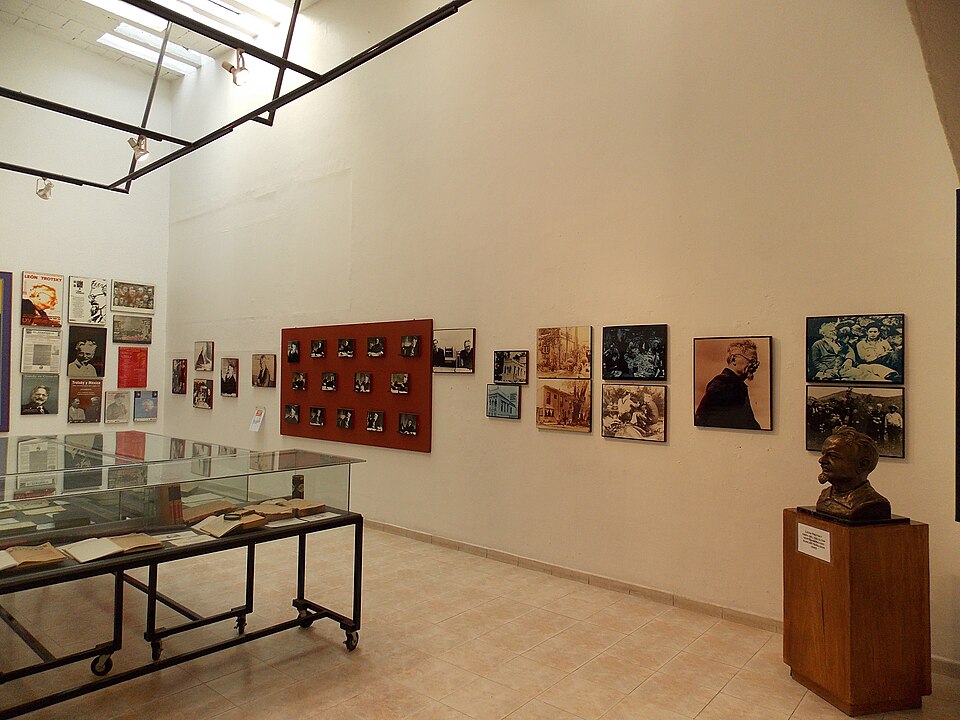
The museum presents authentic assassination history; visitors sensitive to violent historical content should prepare accordingly. The preserved bloodstains and defensive modifications convey genuine tension. English signage may be limited; Spanish comprehension enhances the visit. The surrounding street has vehicle traffic despite the walled property. Coyoacán's popularity means persistent tourist-oriented commerce nearby. Visitors should exercise standard urban precautions regarding belongings. The site's modest scale and serious tone differ substantially from more elaborately produced museums. Expect respectful quiet rather than interactive or multimedia engagement.
Checked 2026-08-26
Photography policies are not explicitly documented in available sources. Visitors should observe posted restrictions or inquire with staff upon entry. Many Mexican house museums permit photography without flash, while others restrict images of specific rooms or objects. The tomb and garden areas may have different rules than interior spaces. Respectful conduct is particularly important given the site's nature as an assassination location and grave. If permitted, photographs should avoid disruptive flash use that could damage preserved materials or disturb other visitors contemplating this politically significant memorial space.
Checked 2026-08-26
Exhibits appear primarily in Spanish. English comprehension may be limited; visitors with Spanish skills will benefit.
Yes, both museums are in Coyoacán and can be combined in one trip, though distances require walking or transport between them.
The assassination history and preserved bloodstains may disturb young visitors; parental discretion is advised based on sensitivity.
Whether formal guided tours operate is not recorded; visitors should inquire on arrival or check ahead.
The garden tomb of Trotsky and his wife is visible to museum visitors as part of the grounds.
Trotsky resided here from 1939 until his assassination in 1940, approximately fourteen months.
Loading the interactive map…
The interactive map could not be loaded.

Last updated:
Source: OpenStreetMap contributors, Wikidata ·