.jpg)
_03.JPG)
_04.JPG)


3 min walk
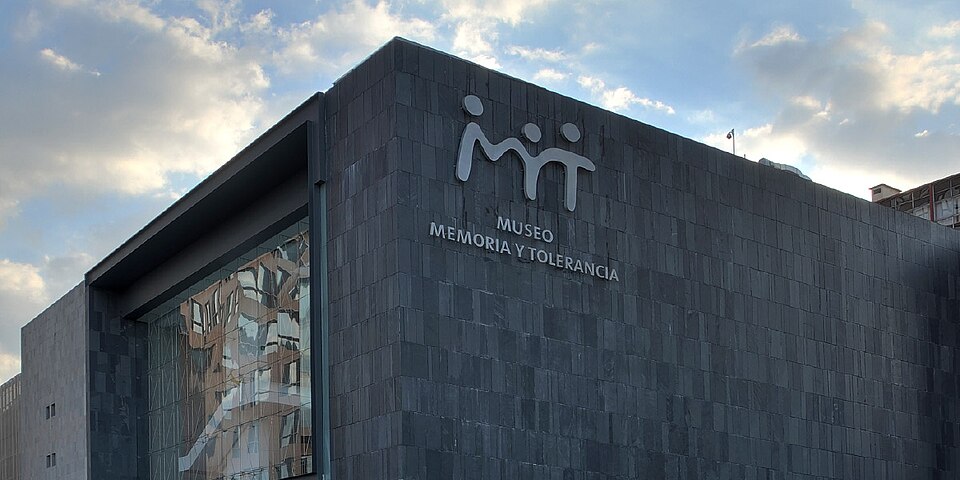
Memory and Tolerance Museum
- Must see
- Museum
Language · 11 published
Nature site · Mexico City
Alameda Central

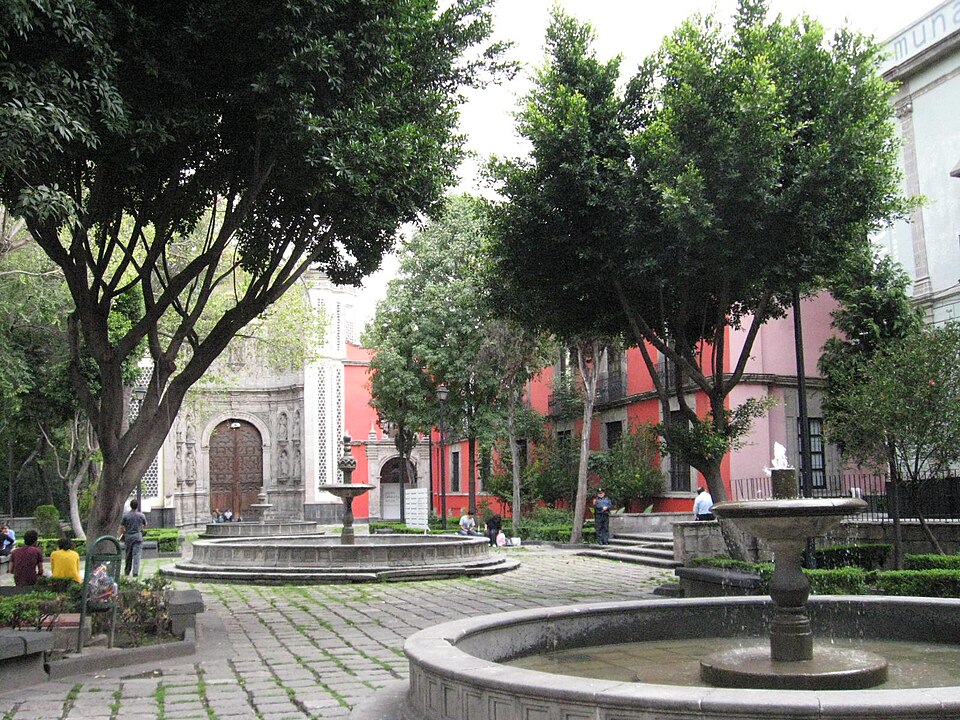
Alameda Central is a historic public park in the historic centre of Mexico City. Established in the sixteenth century, it is one of the oldest public parks in the Americas. The park occupies a rectangular site adjacent to the Palacio de Bellas Artes and serves as a cultural hinge between this major performing arts venue, nearby museums, and the broader historic centre of the capital. Its formal layout features tree-lined paths, fountains, and sculptural installations that reflect centuries of urban development and civic design in one of North America's most populous metropolitan areas.
Checked 2026-08-26
The park contains landscaped gardens with mature trees arranged in formal patterns, multiple fountains including the central Benito Juárez Hemicycle, and various sculptures and monuments distributed throughout the grounds. Benches line the principal walkways for visitor rest. The perimeter is defined by significant cultural institutions: the Palacio de Bellas Artes to the west, the Museo Mural Diego Rivera to the north, and the Museo del Estanquillo to the south. The surrounding streets contain additional historic buildings, commercial establishments, and transit infrastructure that integrate the park into daily urban circulation patterns for residents and visitors alike.
Checked 2026-08-26
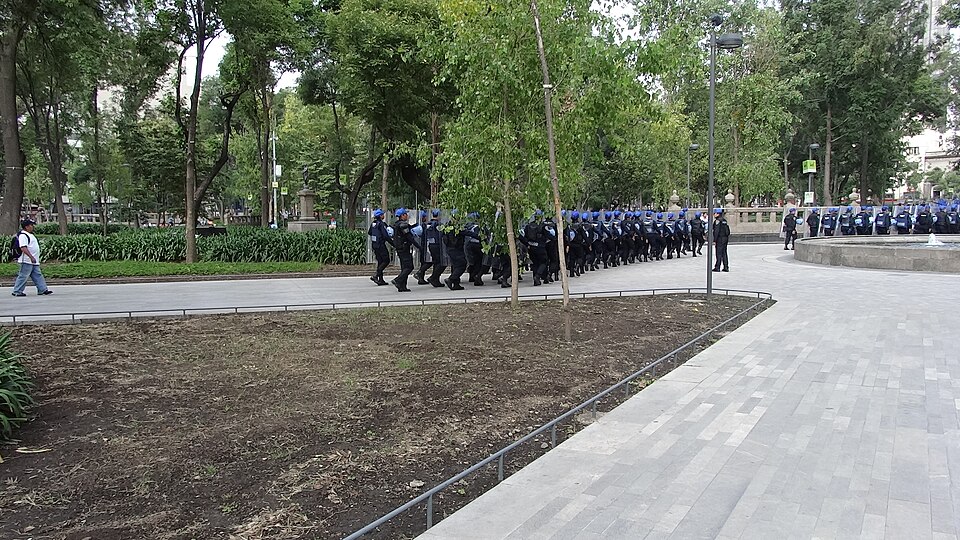
A complete circuit of the park's pathways requires approximately twenty to thirty minutes at a leisurely pace. Visitors typically allocate between forty-five minutes and two hours depending on interest in resting, observing the fountains and sculptures, or using the park as a transit point between surrounding cultural attractions. The compact rectangular footprint permits efficient traversal, though many visitors extend their stay through seated contemplation or informal people-watching. Integration with adjacent museum visits or historic centre exploration commonly extends the total time commitment to a half-day or full-day itinerary in this dense cultural district.
Checked 2026-08-26
Operator-confirmed hours are Not recorded pending review. The park functions as an outdoor public space without controlled entry points, suggesting accessibility during daylight and evening hours typical of urban parks in Mexico City. Weather considerations include the rainy season from approximately June through October, when afternoon precipitation may affect comfort. Dry season months from November through May generally offer more predictable conditions. Weekend afternoons typically experience higher visitor density due to proximity to cultural attractions and metropolitan population patterns. Early mornings may provide reduced crowding for visitors seeking quieter circulation through the formal garden spaces.
Checked 2026-08-26
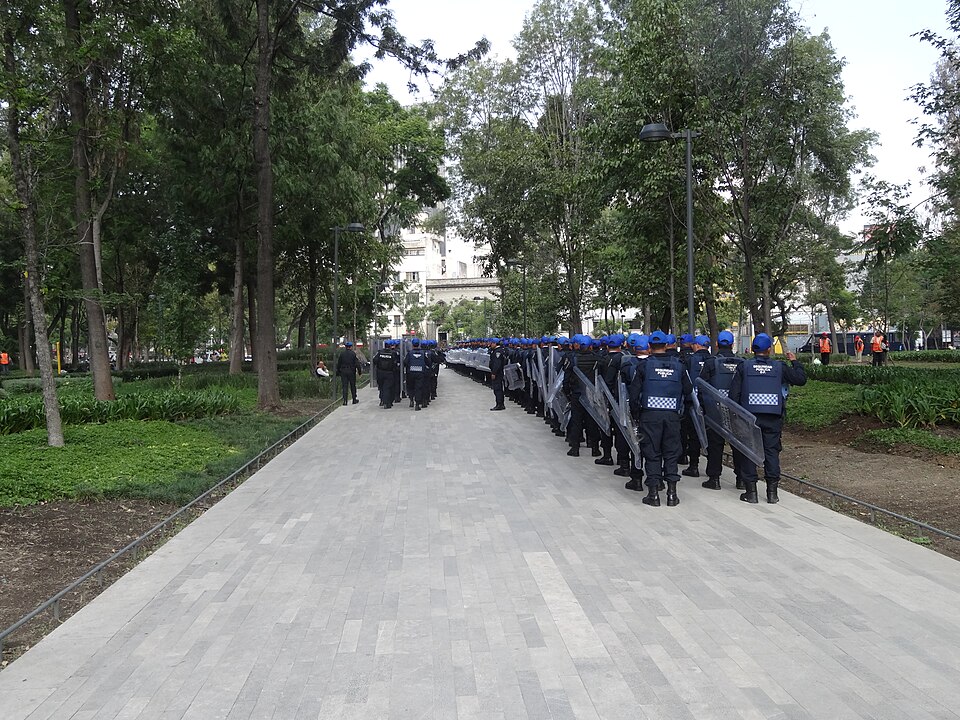
Operator-confirmed prices are Not recorded pending review. As a public municipal park, Alameda Central does not typically charge admission fees for entry or circulation within its grounds. The surrounding museums and cultural institutions maintain independent ticketing policies not governed by park administration. Visitors should verify current arrangements through official Mexico City government channels or on-site signage. Any special events, temporary exhibitions, or seasonal programming that might affect access policies would be announced through municipal communication systems. Standard visitor budgeting should account for transportation, food, and adjacent attraction admissions rather than park entry costs.
Checked 2026-08-26

The park occupies a central location in Mexico City's historic centre with multiple transit options. The Bellas Artes metro station on Lines 2 and 8 provides direct underground access. Multiple bus routes serve surrounding avenues including Juárez and Hidalgo. The park's defined perimeter by Avenida Hidalgo, Avenida Juárez, Dr. Mora, and the Eje Central Lázaro Cárdenas creates identifiable access points from each cardinal direction. Pedestrian approaches from the Zócalo and historic centre core proceed westward along Juárez. Visitors arriving from the Paseo de la Reforma corridor encounter the park's western edge near the Palacio de Bellas Artes intersection.
Checked 2026-08-26
Urban park conditions require standard metropolitan vigilance regarding personal belongings and surroundings, particularly during crowded periods and evening hours. The central location experiences significant pedestrian and vehicular traffic at perimeter streets. Fountain areas may present slip hazards when water features are active. Tree root systems occasionally disrupt pavement surfaces on older pathways. Visitors should observe local patterns regarding informal commerce and solicitation that characterize many central Mexico City public spaces. Weather preparedness includes rain protection during wet season months and sun exposure mitigation given limited shade coverage in certain open lawn areas between mature tree specimens.
Checked 2026-08-26

The formal garden layout, fountain installations, and monument backdrops provide structured photographic compositions. The Benito Juárez Hemicycle offers a prominent axial subject. Tree-lined alleés create natural leading lines toward the Palacio de Bellas Artes dome. Morning and late afternoon light conditions produce varied shadow patterns across the geometric pathways. Sculpture details and fountain water effects reward close examination. The surrounding architectural context including the Bellas Artes exterior and museum facades extends photographic possibilities beyond park boundaries. Visitor photography of general scenes appears unrestricted; specific monument or institutional policies should be observed for interior or restricted zones in adjacent buildings.
Checked 2026-08-26
The park occupies a heavily trafficked central area with substantial pedestrian presence during daylight and evening hours. Standard urban awareness regarding personal belongings and surroundings is advisable, as in any major metropolitan public space.
Informal consumption of purchased or carried food appears common based on typical public park usage patterns, though specific regulations are Not recorded pending review. Surrounding streets contain numerous food vendors and established restaurants.
Dedicated public restroom facilities within the park boundaries are Not recorded pending review. Visitors may need to utilise facilities in adjacent museums, restaurants, or commercial establishments surrounding the park perimeter.
The formal pathway network appears to provide primary circulation routes of paved construction suitable for wheeled mobility devices, though specific accessibility compliance verification and surface condition details are Not recorded pending review.
The park's central civic function and proximity to major cultural institutions suggest potential for programmed events, though specific schedules, frequencies, and permitting arrangements are Not recorded pending review. Municipal communication channels would announce confirmed programming.
The park's position between the Palacio de Bellas Artes, Museo Mural Diego Rivera, and historic centre core permits efficient sequential visitation. Many visitors circulate through the park when transiting between these destinations, using it as a restorative pause in denser cultural itineraries.
Loading the interactive map…
The interactive map could not be loaded.

Last updated:
Source: OpenStreetMap contributors, Wikidata ·