
2 min walk
Kasai Rinkai Park
- Notable
- Nature site
Language · 11 published
Family attraction · Tokyo
葛西臨海水族園
| Monday | 09:30 – 17:00 |
|---|---|
| Tuesday | 09:30 – 17:00 |
| Wednesday | Closed |
| Thursday | 09:30 – 17:00 |
| Friday | 09:30 – 17:00 |
| Saturday | 09:30 – 17:00 |
| Sunday | 09:30 – 17:00 |
Parsed from OpenStreetMap opening hours on 2026-08-26.
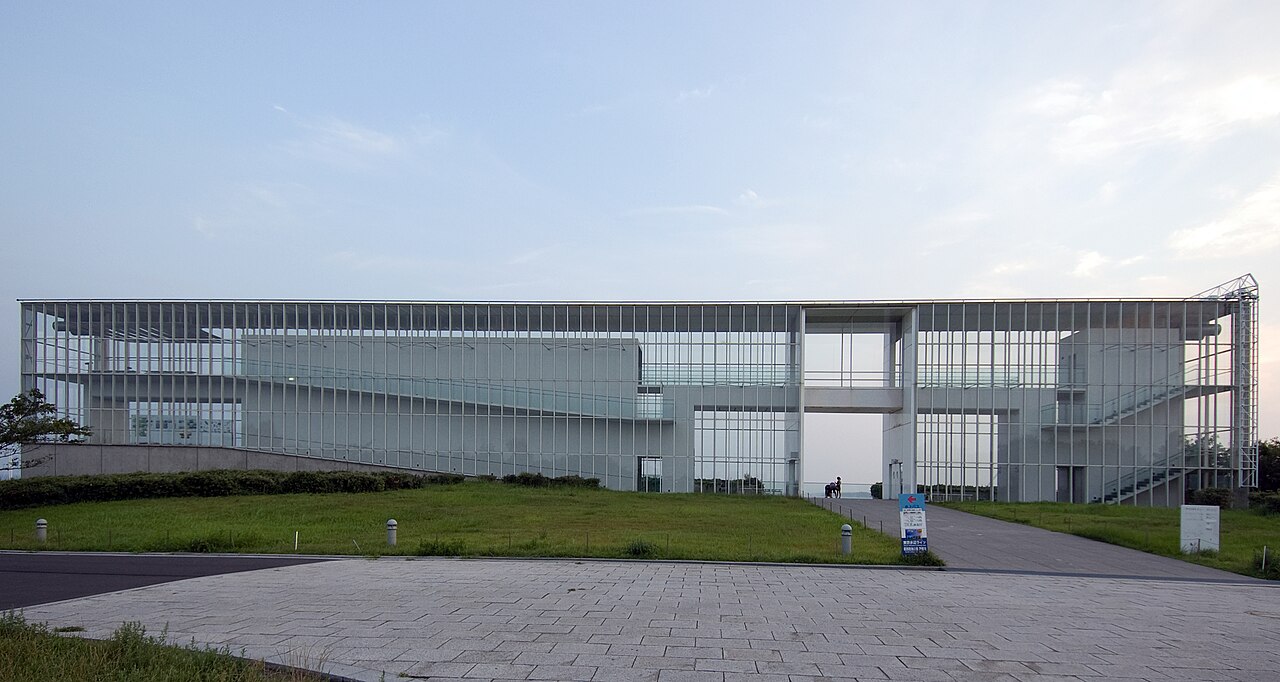
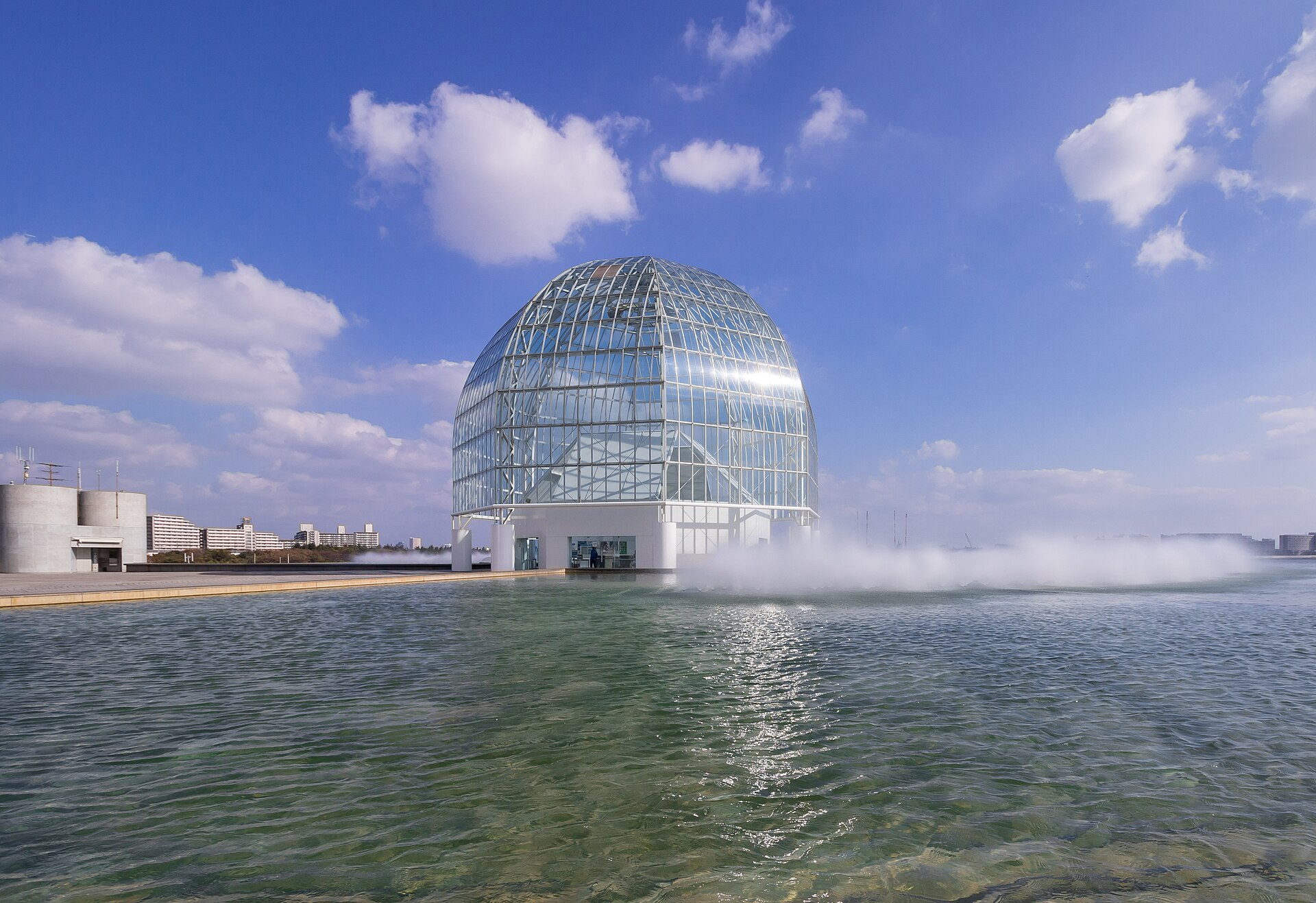
Tokyo Sea Life Park, known locally as Kasai Rinkai Suizokuen, is a public aquarium located in the Kasai Rinkai Park area of Edogawa Ward. The facility focuses on aquatic environments from around the globe, with particular attention to marine ecosystems. It is operated as a municipal facility and serves as an educational and recreational destination for visitors to Tokyo. The aquarium is situated near Tokyo Bay, offering a waterfront setting that complements its marine themes. A flexible visit lets travellers connect Tokyo Sea Life Park with the rest of the day without treating one room, viewpoint or photograph as the whole experience. The useful pace depends on personal interest and conditions on arrival.
Checked 2026-08-26
The aquarium features diverse marine exhibits including a prominent tuna migration display, which is frequently highlighted in visitor accounts. Multiple tanks recreate various aquatic habitats from different regions. The facility houses numerous fish species and marine organisms. Exhibition spaces are designed to educate visitors about aquatic life and conservation. The architectural design incorporates large viewing panels for observing marine animals. Specific exhibit counts, tank volumes, and species inventories are Not recorded pending review. Tokyo Sea Life Park also earns time in a tokyo itinerary because WIKIDATA_PRODUCTION reconciliation for the ranked entry; identity and coordinates were verified without a nearby fallback. Its value becomes clearer when the stop is compared with the surrounding streets and the other ranked places nearby.
Checked 2026-08-26
Visitor duration varies considerably based on individual interest levels and crowd conditions. Casual visitors typically spend several hours exploring the main exhibition areas. Enthusiasts of marine life or families with children may extend their visit longer. The facility's layout and exhibit density suggest planning for a half-day excursion when combined with the surrounding Kasai Rinkai Park grounds. Peak periods, including weekends and Japanese school holidays, may require additional time for queueing and viewing popular displays. The strongest visit keeps attention on what is distinctive here while leaving room for the next stop. That approach makes Tokyo Sea Life Park useful in both a focused first visit and a slower return to the city.
Checked 2026-08-26
Visitors should consult official sources before planning their trip. Seasonal considerations include summer crowds and potential indoor comfort during hot weather. The waterfront location may experience stronger winds in winter months. Weekday visits generally offer reduced congestion compared to weekends. Japanese national holidays and school vacation periods typically see elevated domestic visitor numbers. Advance verification of operational status is advisable, as public facilities may undergo periodic maintenance closures. Check the operator's own site for the travel date before relying on a schedule or fare.
Checked 2026-08-26
Admission structures for municipal aquariums in Tokyo typically distinguish between adults, school-age children, and senior citizens. Some facilities offer annual passes or combined tickets with nearby attractions. Group rates may be available for educational institutions. Visitors should verify current pricing through official channels before arrival. Payment methods and any reservation requirements remain unconfirmed. Budget-conscious travelers may wish to compare this facility with other Tokyo aquarium options when planning their itinerary. Check the operator's own site for the travel date before relying on a schedule or fare.
Checked 2026-08-26
The aquarium is located within Kasai Rinkai Park in eastern Tokyo. The nearest rail access is via Kasai Rinkai Koen Station on the JR Keiyo Line, which provides direct connection from central Tokyo stations. The park and aquarium are within walking distance from this station. Bus services may serve the broader park area. The location is relatively distant from major hotel concentrations in Shinjuku, Shibuya, and central wards, requiring transit time of approximately thirty to sixty minutes depending on origin.
Checked 2026-08-26
The facility's popularity can result in significant congestion during peak visitation periods. Indoor spaces may become crowded around popular exhibits, particularly the tuna tank. Visitors with mobility considerations should verify accessibility provisions through official sources. The waterfront location exposes outdoor walkways to weather conditions. Photography policies regarding flash use and specific exhibit restrictions should be confirmed on-site. Food and beverage options within the facility are unverified; visitors may wish to consider provisions or nearby alternatives in Kasai Rinkai Park.
Checked 2026-08-26
General photography for personal use appears tolerated based on typical Japanese public aquarium conventions, though specific institutional policies are Not recorded pending review. Flash photography restrictions likely apply to protect sensitive marine species. Tripod and professional equipment use may require advance permission. The large viewing panels present both opportunities and challenges for photography due to reflections, lighting conditions, and crowd density. Visitors seeking quality images should consider timing visits during lower-traffic periods and should always comply with on-site staff instructions.
Checked 2026-08-26
The facility caters to general audiences including families. Interactive and visually engaging exhibits typically appeal to children. Stroller accessibility and child-specific facilities should be verified through official sources.
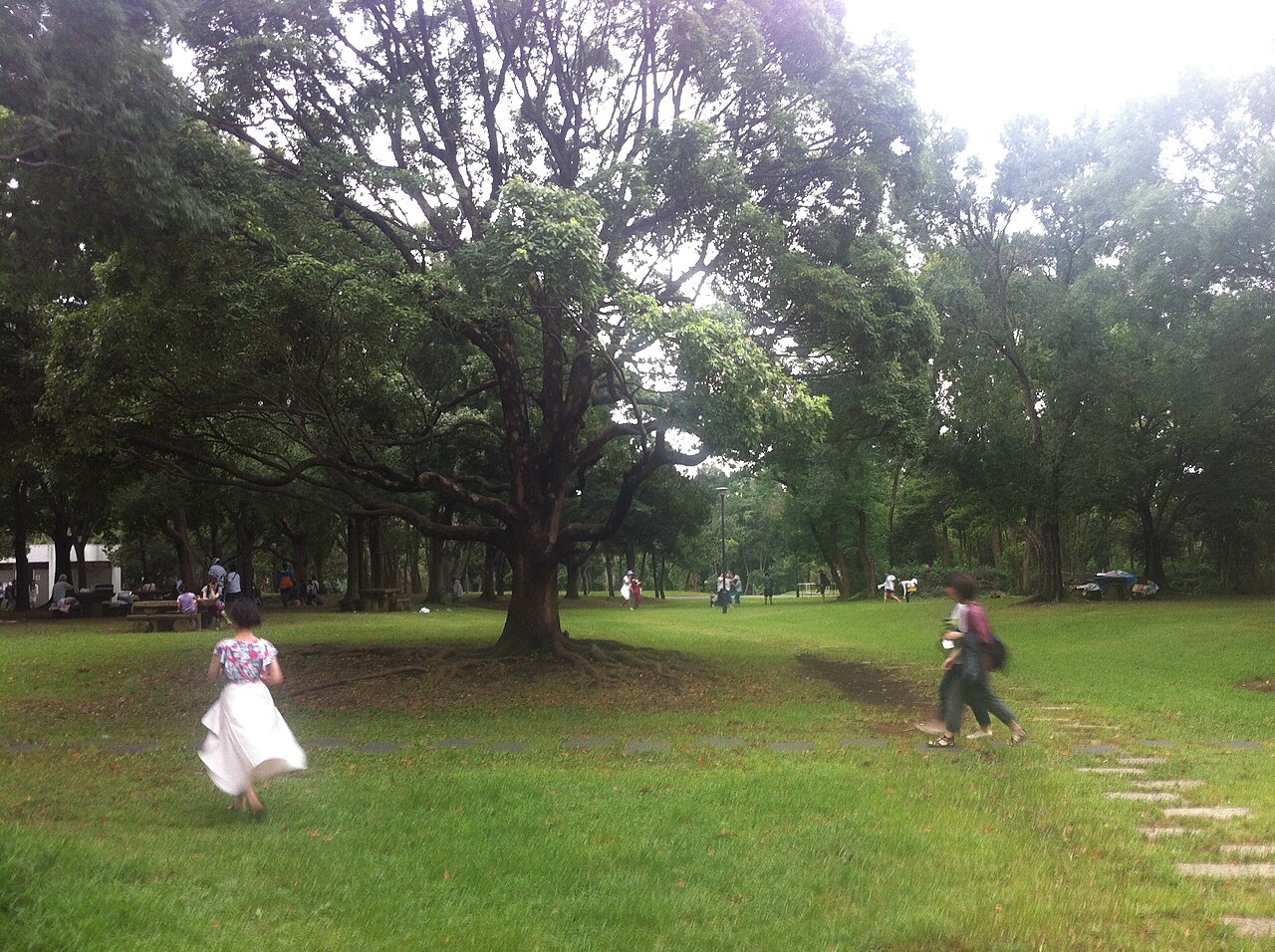
The aquarium sits within Kasai Rinkai Park, which offers additional recreational space and Tokyo Bay views. The park itself constitutes a destination. Further nearby attractions are Not recorded pending review.
English support levels at municipal Tokyo facilities vary. Basic signage in English is common. Audio guides or detailed English explanatory materials availability is Not recorded pending review.
Reservation requirements for municipal aquariums in Tokyo have varied in recent years. Current policies regarding timed entry or advance booking are Not recorded pending review. Visitors should consult official sources.
On-site food service availability is Not recorded pending review. Visitors should consider dining before arrival, bringing provisions where permitted, or exploring options in the surrounding park area.
Tokyo Sea Life Park emphasizes marine ecosystems and features the notable tuna display. Other facilities such as Sunshine Aquarium and Sumida Aquarium offer different thematic focuses and central locations. Visitor preferences regarding scale, species variety, and accessibility will determine optimal choice.
Loading the interactive map…
The interactive map could not be loaded.

Last updated:
Source: OpenStreetMap contributors, Wikidata ·