

.jpg)


18 min walk
Yasukuni Shrine
- Must see
- Place of worship
Language · 1 published
Art and culture venue · Tokyo
国立劇場

The National Theatre of Japan is a major performing arts venue in Tokyo dedicated to traditional Japanese theatre forms. Located in the Hayabusachō district near the Imperial Palace, it serves as a principal stage for kabuki, bunraku puppet theatre, and other classical performing arts. The theatre complex was established to preserve and promote Japan's theatrical heritage. It stands as one of the country's most important cultural institutions, offering both regular performances and educational programs about traditional Japanese entertainment arts to domestic and international audiences.
Checked 2026-08-26
The theatre complex contains multiple performance spaces including the main hall and a smaller secondary theatre. Facilities support traditional stage mechanics such as the hanamichi runway characteristic of kabuki performance, and revolving stages. The building incorporates modern theatrical technology while maintaining historical staging requirements. Backstage areas accommodate the elaborate costume and makeup needs of traditional performers. The complex also houses rehearsal rooms and spaces for related cultural activities. The architectural design reflects a blend of contemporary functionality with respect for traditional Japanese aesthetic principles in public buildings.
Checked 2026-08-26
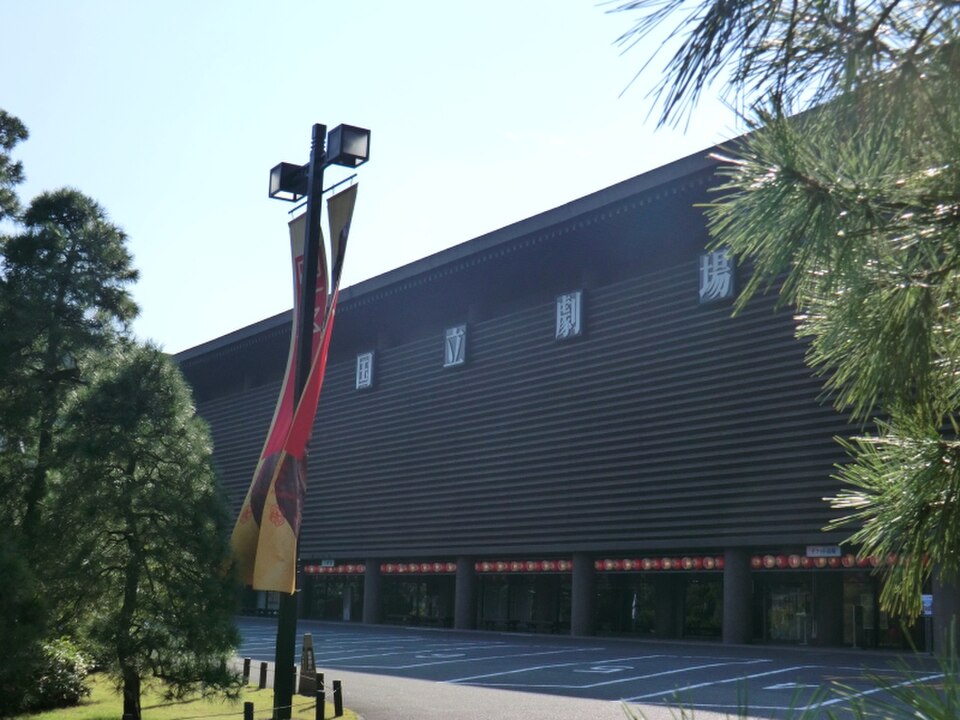
Visitors should plan adequate time for attending a full traditional performance, which typically runs several hours including intermissions. Kabuki programmes commonly feature multiple acts with breaks between them. Arriving early allows time to explore the theatre building and review programme materials. Those attending matinee or evening performances should consider the full duration when making surrounding travel plans. The theatre experience extends beyond stage time to include pre-performance atmosphere and potential post-performance activities. Visitors interested in deeper cultural engagement may wish to allocate additional time for related educational offerings when available.
Checked 2026-08-26
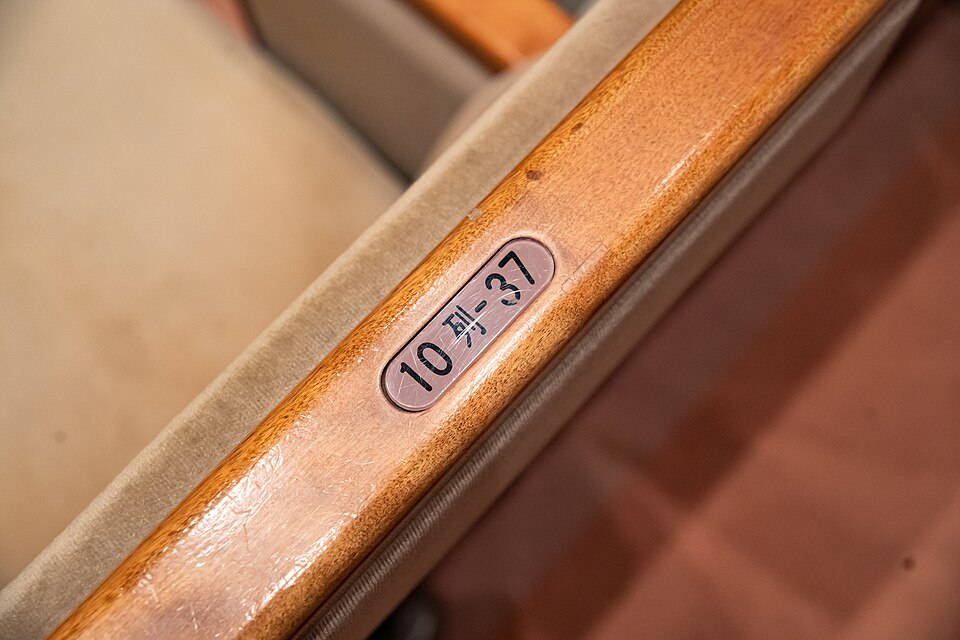
Operator-confirmed hours are Not recorded pending review. The theatre presents performances throughout the year on scheduled dates rather than continuous daily operations. Traditional theatre seasons follow particular cycles in Japanese performing arts. Visitors should consult official programming announcements for specific performance schedules. Peak interest periods may coincide with special productions featuring renowned performers or commemorative events. The theatre's programming alternates between different traditional forms, so prospective attendees should verify what type of performance is offered on preferred dates. Advance planning is advisable due to the specialised nature of the repertoire and potential demand for tickets.
Checked 2026-08-26
Operator-confirmed prices are Not recorded pending review. Ticket availability and pricing vary considerably depending on the performance type, seating category, and production scale. Kabuki and bunraku performances may have different pricing structures. Premium seats offering optimal stage views command higher prices. Discounted options may exist for certain audience categories, though specific concessions are not documented here. International visitors may encounter English-language support services for ticket purchases on select performances. Advance booking is strongly recommended for popular productions. Same-day tickets may be limited. Payment methods and refund policies should be verified at point of purchase.
Checked 2026-08-26

The theatre occupies a central Tokyo location accessible via multiple public transportation options. The nearest stations include Hanzōmon on the Tokyo Metro Hanzōmon Line and Nagatachō on the Yurakucho and Namboku lines. Additional nearby stations provide further access routes. The area sits within reasonable walking distance of the Imperial Palace grounds and other government district landmarks. Visitors familiar with Tokyo's rail network will find the theatre conveniently situated. Taxis serve the area, though traffic conditions vary. The theatre's prominent location in Hayabusachō makes it identifiable to local drivers. Pedestrian access is straightforward from surrounding streets.
Checked 2026-08-26
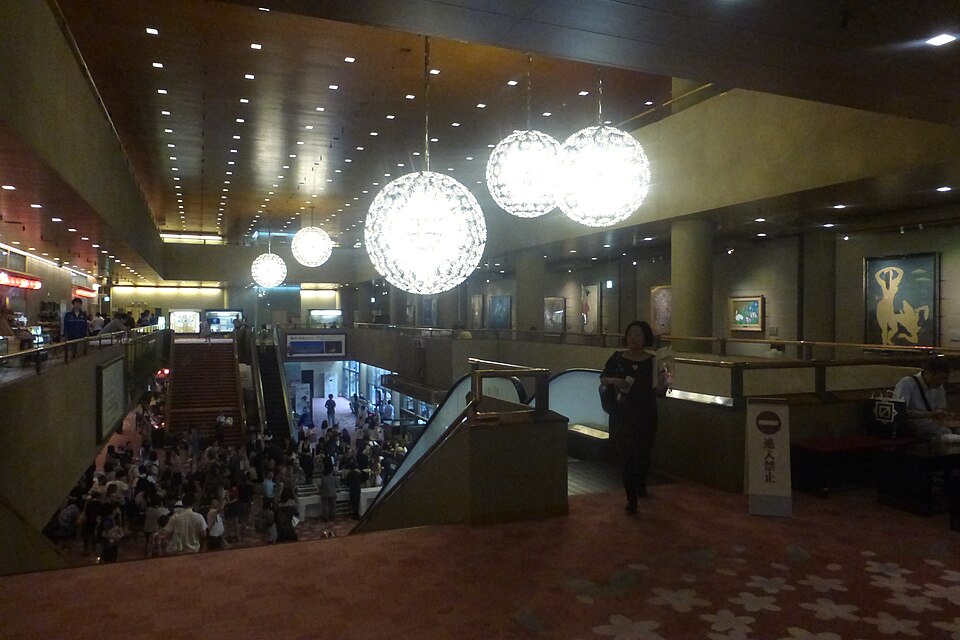
Traditional Japanese theatre follows specific audience conventions that visitors should respect. Eating and drinking during performances is generally prohibited. Photography and recording are typically forbidden during performances. Mobile devices should be silenced and screens dimmed. Latecomers may be denied entry until appropriate breaks in the performance. The hanamichi runway passes through audience seating, so seat location affects sightlines. Some performances run lengthy durations requiring stamina. Traditional theatre uses classical Japanese language forms that may challenge comprehension even for fluent speakers; audio guides or subtitle devices may be available for select performances. Formal attire is not required but neat dress is appropriate.
Checked 2026-08-26
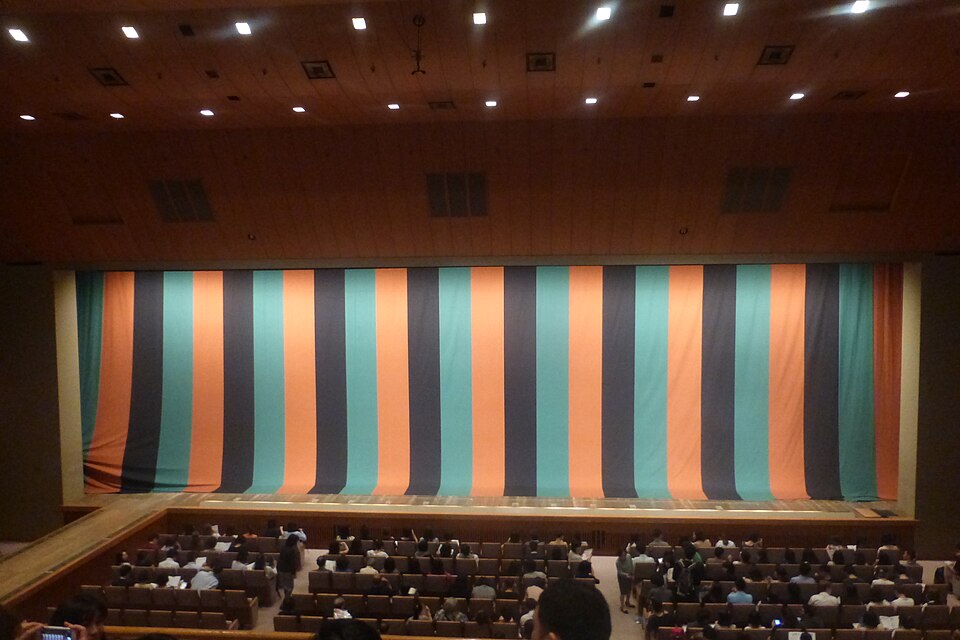
Photography restrictions apply throughout the theatre premises. Performance photography is prohibited to protect artists' rights and maintain audience focus. The auditorium environment demands darkness during productions. Lobby and exterior photography may be permitted in designated areas, though visitors should seek staff guidance before capturing images. Social media posting of any permitted photographs should respect privacy of other visitors. Professional photography equipment typically requires advance authorisation. The theatre's architectural exterior may be photographed from public spaces surrounding the building. Visitors should observe any posted signage regarding image capture and comply promptly with staff instructions about recording devices.
Checked 2026-08-26
The theatre presents traditional Japanese performing arts, primarily kabuki and bunraku puppet theatre, with programmes rotating between different classical forms.
English-language support services may be available for select performances; visitors should verify specific offerings when booking.
Advance booking is strongly recommended due to the specialised repertoire and potential demand; same-day availability may be limited.
Formal attire is not required, though neat and respectful dress is appropriate for this major cultural institution.
Eating and drinking during performances is generally prohibited to maintain proper theatre environment.
Latecomers may be denied entry until appropriate breaks in the performance to minimise disruption to performers and audience.
Loading the interactive map…
The interactive map could not be loaded.
Last updated:
Source: OpenStreetMap contributors, Wikidata ·