


13 min walk
Odaiba
- Must see
- Historic monument
Language · 11 published
Museum · Tokyo
日本科学未来館
| Monday | 10:00 – 17:00 |
|---|---|
| Tuesday | Closed |
| Wednesday | 10:00 – 17:00 |
| Thursday | 10:00 – 17:00 |
| Friday | 10:00 – 17:00 |
| Saturday | 10:00 – 17:00 |
| Sunday | 10:00 – 17:00 |
Parsed from OpenStreetMap opening hours on 2026-08-26.
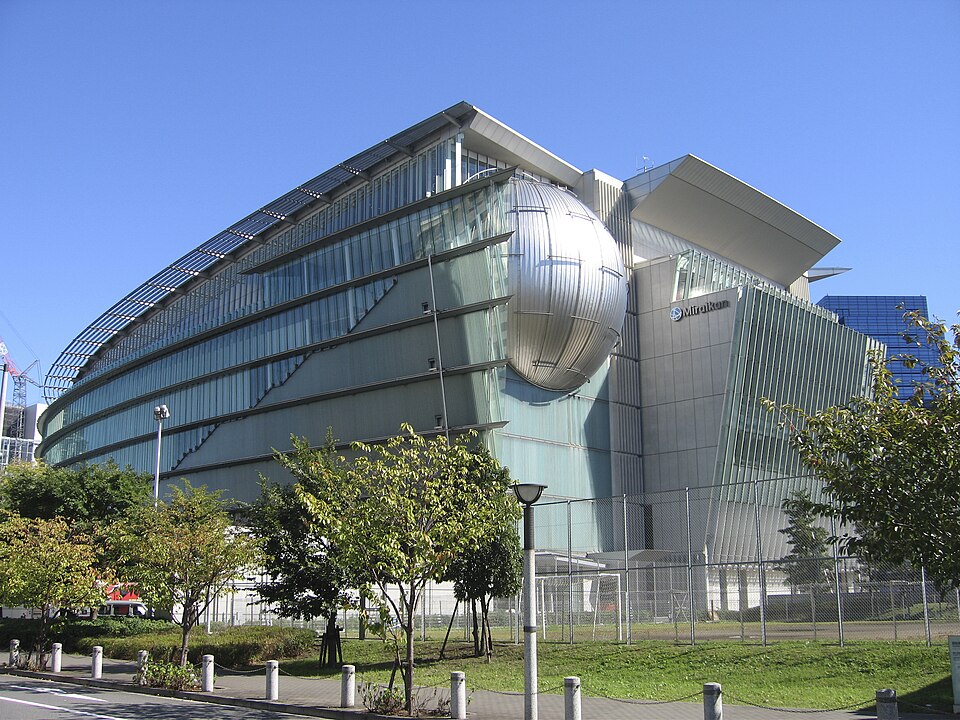
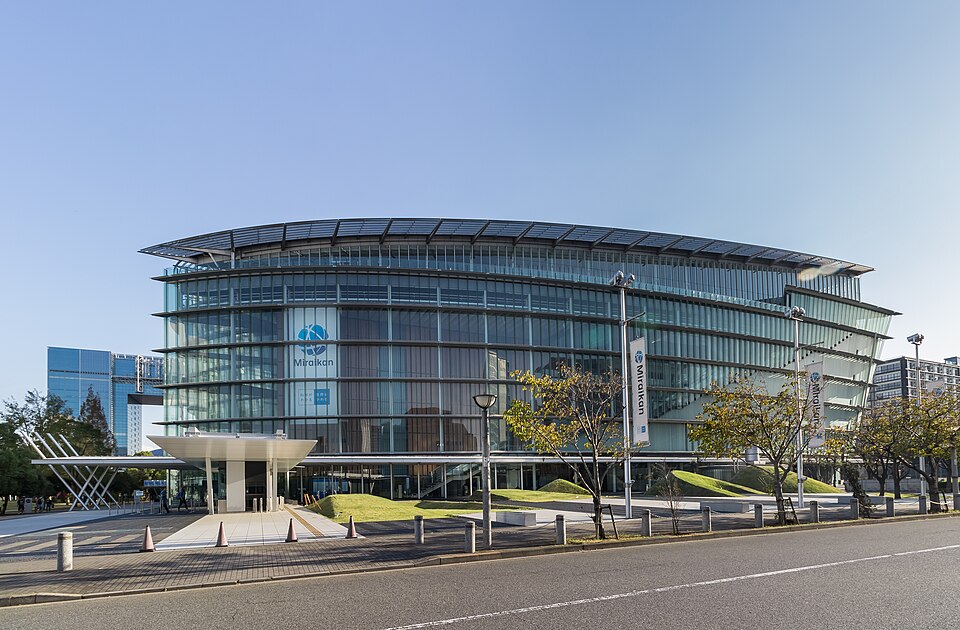
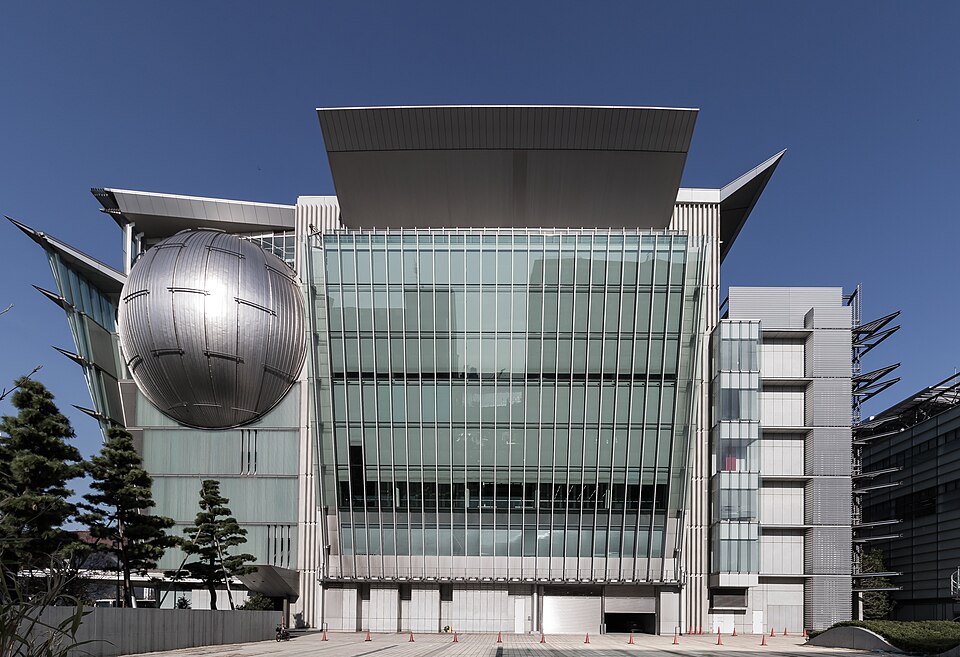
The National Museum of Emerging Science and Innovation, known locally as Miraikan, is a science museum located in Tokyo's Odaiba district. The institution focuses on cutting-edge science and technology, presenting exhibits related to robotics, space exploration, environmental science, and information technology. It serves as a venue where visitors can engage with scientific developments shaping contemporary and future society. The museum operates as an independent administrative institution under Japan's national museum framework, distinct from university or corporate research facilities. National Museum of Emerging Science and Innovation also earns time in a tokyo itinerary because Tokyo production has zero POIs assigned through city_place_id, so no identifier or coordinate is inferred. Its value becomes clearer when the stop is compared with the surrounding streets and the other ranked places nearby.
Checked 2026-08-26
Exhibition areas feature interactive displays exploring themes including artificial intelligence, genomics, and sustainable energy systems. Notable permanent installations include android robots and a large-scale globe displaying real-time environmental data. The museum houses a dome theater for immersive presentations. Hands-on workshops and demonstration programs occur regularly, allowing direct engagement with scientific principles. Temporary exhibitions rotate periodically, addressing emerging research topics. The facility includes educational spaces designed for school groups and general visitors seeking structured learning experiences about scientific advancement.
Checked 2026-08-26
Visitor duration varies considerably based on individual engagement patterns with interactive exhibits. A thorough exploration of all permanent galleries, participation in scheduled demonstrations, and attendance at theater presentations typically requires a substantial portion of a day. Families with children often extend visits due to hands-on activity areas. Those concentrating on specific thematic sections, such as robotics or environmental displays, may complete targeted tours more efficiently. The museum's layout encourages self-paced progression without mandatory routing, permitting flexible time allocation according to visitor priorities and schedule constraints.
Checked 2026-08-26
Operator-confirmed hours are Not recorded pending review. Visitors should verify current opening schedules directly through official museum channels before planning attendance. Seasonal variations in Tokyo's tourist volume may influence crowd levels at this Odaiba location, though the museum attracts consistent domestic and international visitation throughout the year. Weekday mornings potentially offer reduced congestion compared to weekends and Japanese national holidays when family attendance increases. Weather conditions matter less for indoor-focused activities, though Odaiba's waterfront setting may affect transit convenience during adverse conditions.
Checked 2026-08-26
Operator-confirmed prices are Not recorded pending review. Admission structures for national museums in Japan typically differentiate categories including adults, students, and children, with potential additional fees for special exhibitions or theater presentations. Visitors should consult official museum communications for current pricing, applicable discounts for groups or holders of specific passes, and any combination tickets with nearby Odaiba attractions. Online advance purchase options may exist. The museum's independent administrative status means pricing policies are determined by institutional governance rather than municipal or prefectural frameworks governing some Tokyo cultural facilities.
Checked 2026-08-26
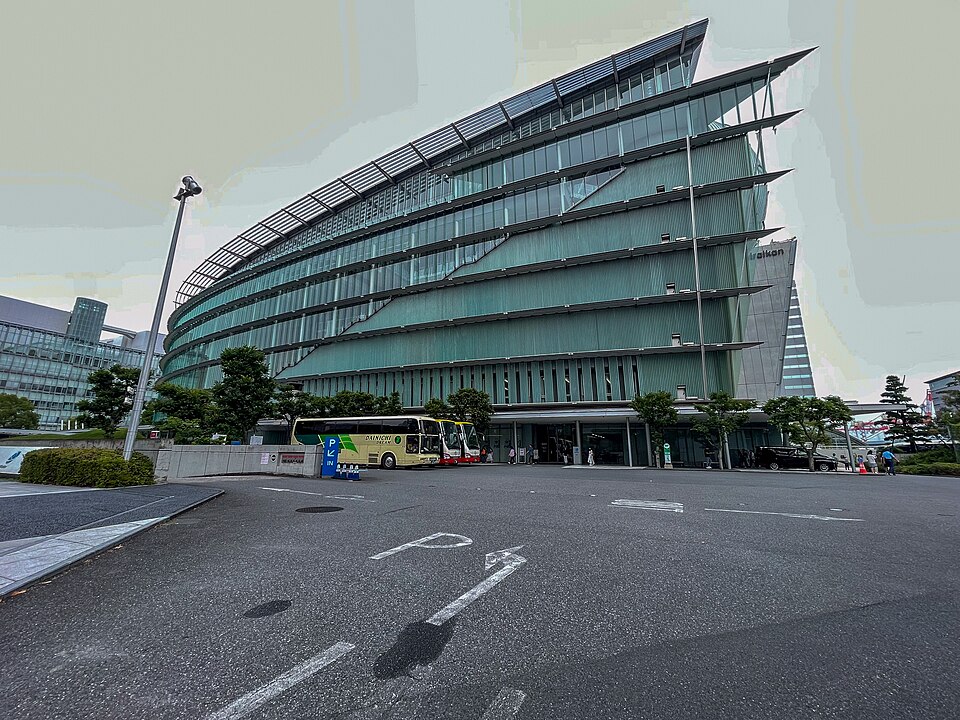
The museum occupies a waterfront position in Odaiba, an artificial island in Tokyo Bay. Multiple transit options serve this district, including the Yurikamome automated guideway transit and Rinkai Line railway connecting to central Tokyo stations. Water bus services operate seasonally between Odaiba and other waterfront locations. The area is pedestrian-accessible from adjacent hotel and commercial developments. Visitors should consult current transit schedules and routing information, as service patterns and station configurations may change. Odaiba's planned development character means transportation infrastructure differs from older Tokyo neighborhoods with more extensive subway coverage.
Checked 2026-08-26
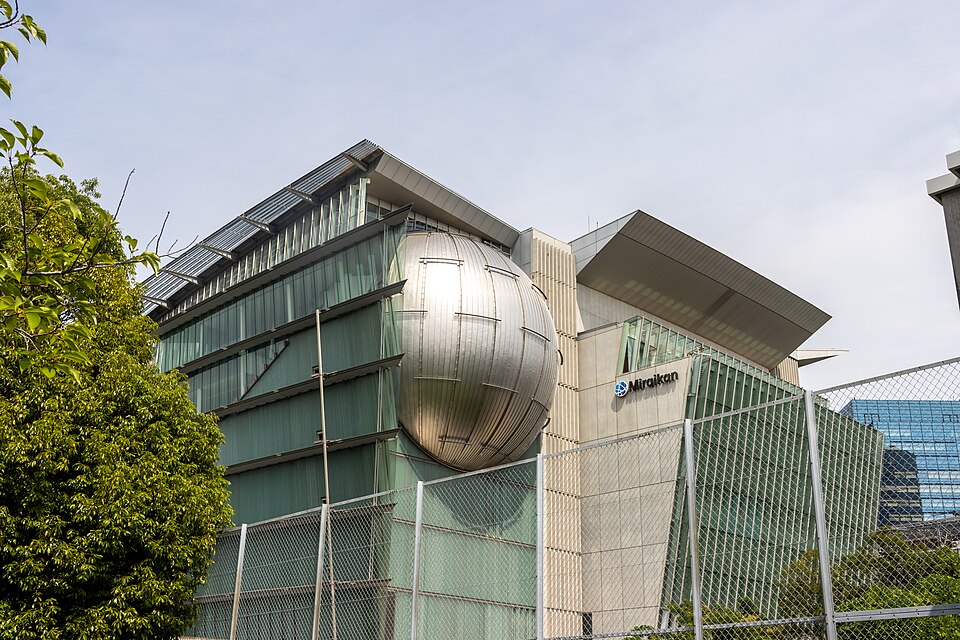
Interactive exhibits may have operational downtime for maintenance or technical adjustments, potentially affecting availability during visits. Language support varies across installations; not all displays offer comprehensive English explanations despite the museum's international orientation. Demonstration schedules are fixed and missed times cannot be recovered. The dome theater has capacity constraints requiring advance reservation or early queue formation. Odaiba's exposure to bay weather can create windy conditions affecting comfort when walking between transit points and the museum entrance. Visitors with sensitivity to crowded enclosed spaces should anticipate variable attendance density.
Checked 2026-08-26
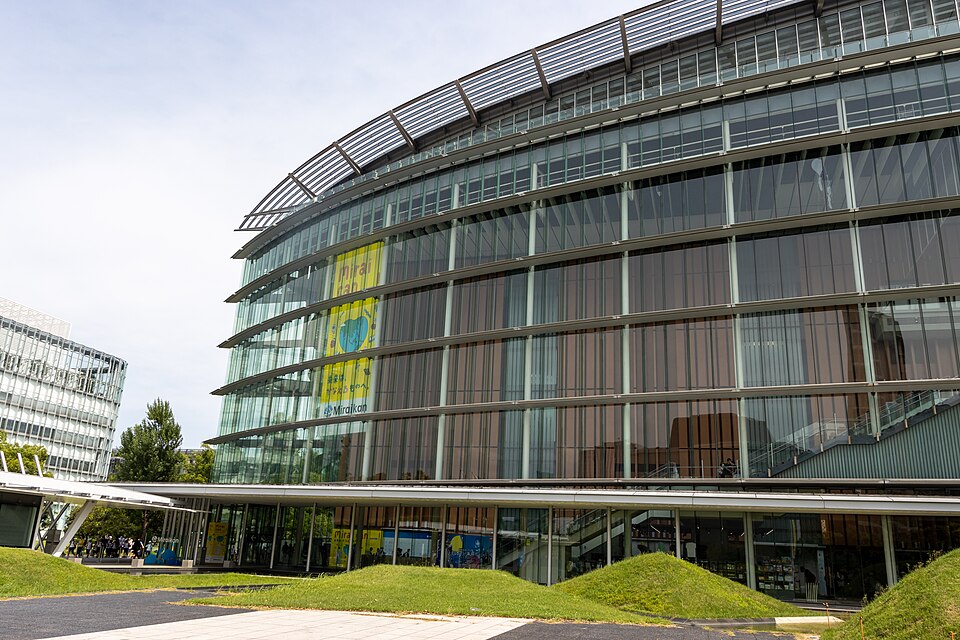
Photography policies likely restrict certain areas or specific exhibits, particularly those involving proprietary technology, active research displays, or theater presentations. Flash photography and tripod use commonly face prohibition in museum environments to prevent disturbance and protect sensitive equipment. Visitors should observe posted signage at individual installations and comply with staff instructions regarding permissible documentation. Some interactive elements may permit personal recording while others enforce restrictions. Respect for fellow visitors' privacy and experience should guide photography decisions in densely occupied exhibition spaces, particularly those involving children participating in educational activities.
Checked 2026-08-26
Interactive exhibits and hands-on activity areas appear designed for diverse age engagement, though very young children may find some conceptual content challenging without adult guidance.
English support levels vary across installations; visitors should not assume comprehensive bilingual coverage for all exhibits and programs.
Online purchase options may exist; visitors should verify current availability through official museum channels rather than assuming specific transaction methods.
Specific dining facilities are not recorded; Odaiba's commercial development provides nearby alternatives, though proximity and operating status require independent verification.
Coin lockers or comparable storage services typical of Japanese museums may be available, though exact provisions are not recorded pending review.
Miraikan's national institutional status and Odaiba location distinguish it from municipal science museums and university collections, with emphasis on emerging rather than established scientific domains.
Loading the interactive map…
The interactive map could not be loaded.
Last updated:
Source: OpenStreetMap contributors, Wikidata ·