Smart Self-Managed Tours

Country guide

Germany

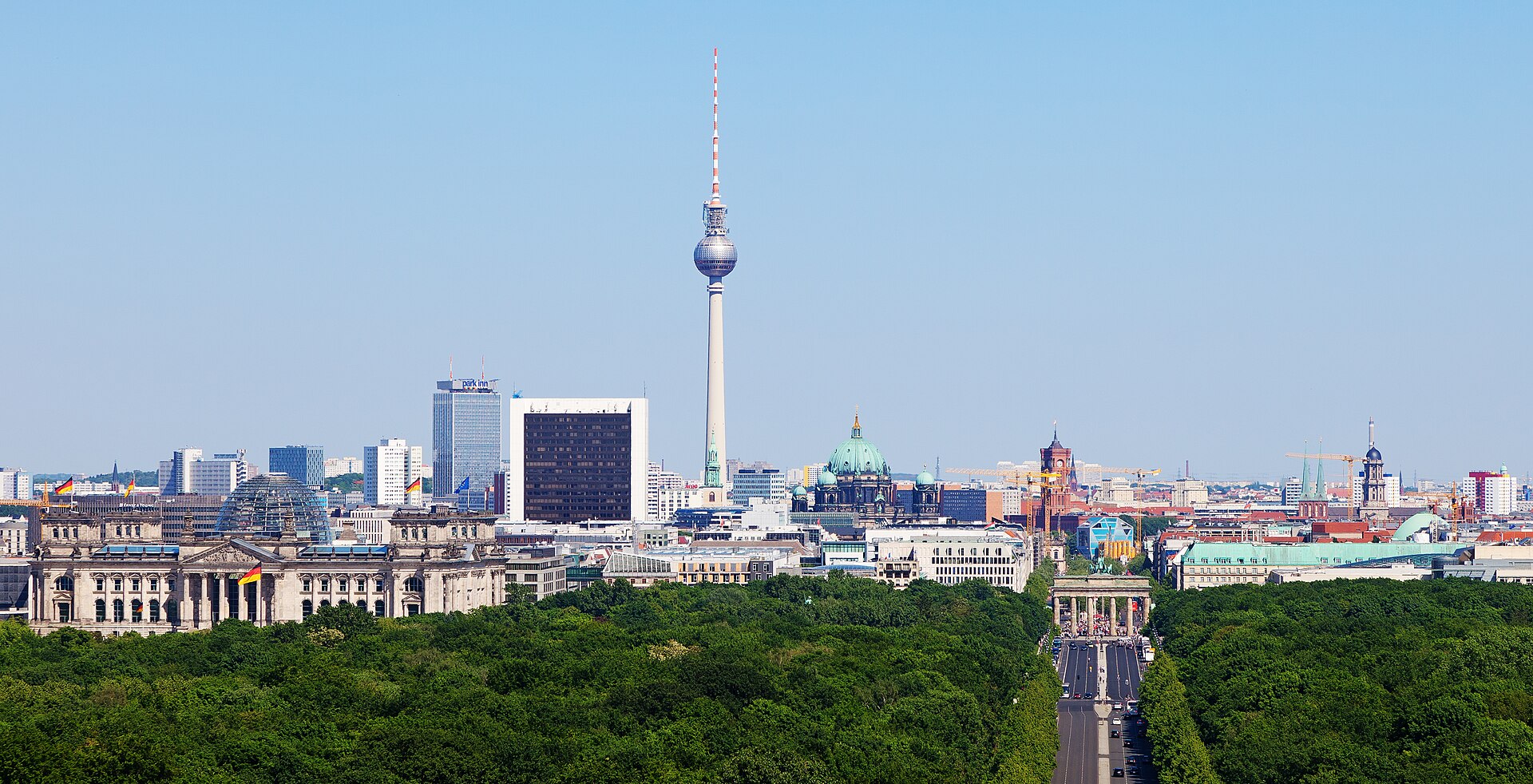
A photograph of Germany
Photograph · Llez · CC BY-SA 3.0

Germany runs from the Baltic and North Sea coasts in the north down to the Alps in the south, and its 16 states have kept enough separateness that the country reads as a set of destinations rather than one. Over 83 million people live in them, more than any other European Union member. Berlin is the capital and the largest single city, Frankfurt is the financial centre, and the largest urban area is neither - it is the Ruhr, a belt of western towns that have grown into each other. Choosing between the Bavarian south, the Rhine, the Hanseatic north and the eastern cities is the actual planning decision; the distances are short and the places are not variations on one another.

Cities

Every city catalogued in this country so far, ranked by how much there is to see.

Practical information

Language spoken
German
National practical orientation; regional and minority languages may also be used
Dialling code
+49
International calling code; local area and mobile prefixes still apply
Currency
Euro (EUR)
Use the official local currency; card acceptance varies by place
Emergency number
112 medical/fire · 110 police
Use only for an emergency; tourist assistance may use a separate number
Plug type
Type C and F · 230 V
Check that chargers support the recorded voltage before using an adapter
Tap water
Safe from the mains
Public drinking water is regulated under national drinking-water rules
Planning a visit

  1. January: seasonal closure recorded
  2. February: seasonal closure recorded
  3. March: seasonal closure recorded
  4. April: seasonal closure recorded
  5. May: seasonal closure recorded
  6. June: seasonal closure recorded
  7. July: seasonal closure recorded
  8. August: seasonal closure recorded — this month
  9. September: seasonal closure recorded
  10. October: seasonal closure recorded
  11. November: seasonal closure recorded
  12. December: seasonal closure recorded

Top things to see

Ranked by importance — sitelinks, pageviews and heritage status, not editor preference.

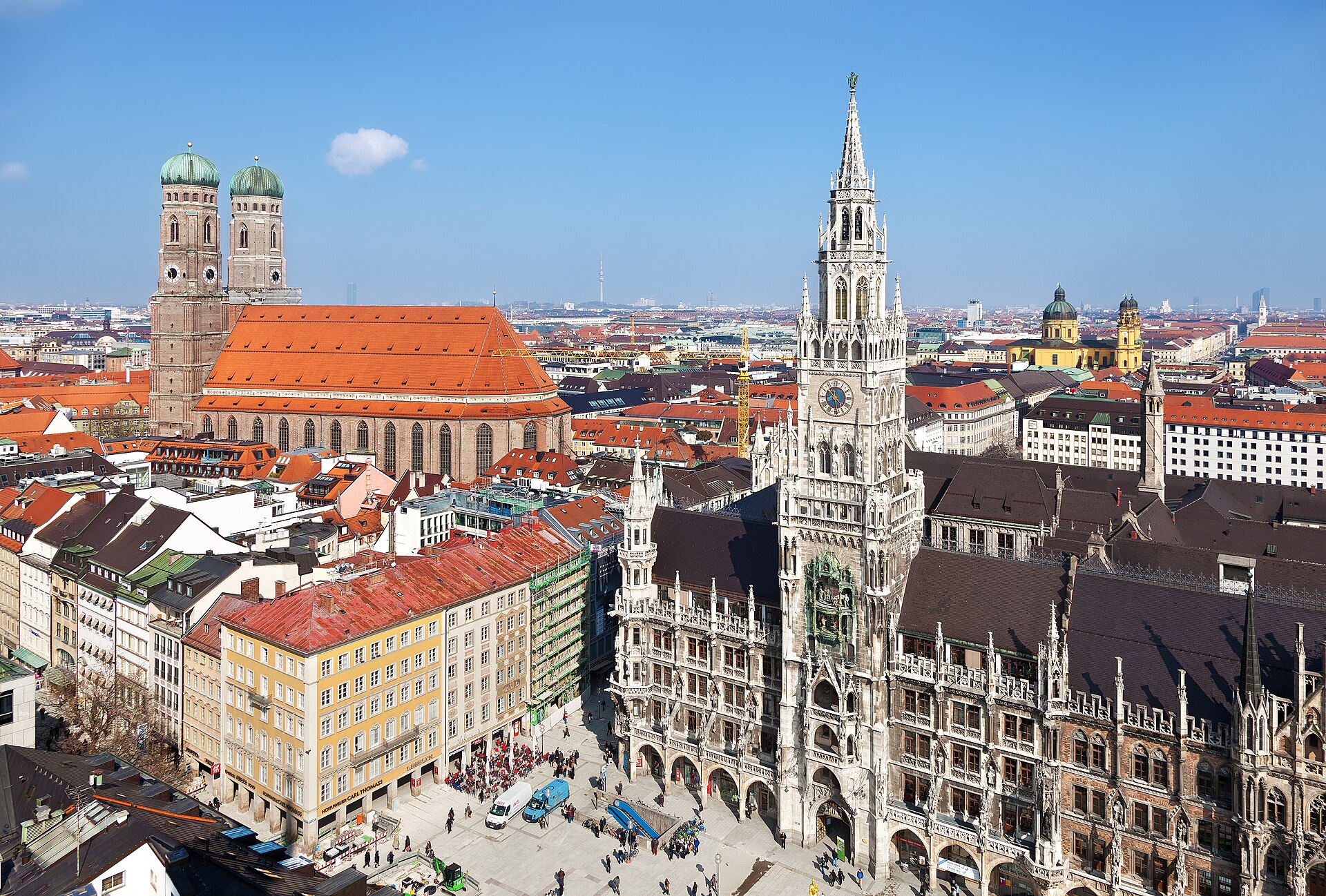
  1. Munich Residence Munich Residence
    02 3 hours

    Munich Residence

    Residenz

    The Munich Residence was the seat of government and the home of Bavaria's dukes, electors and kings from 1508 until the monarchy ended in 1918.

    • Must see
    • Historic monument
    • Munich
  2. Oktoberfest Oktoberfest
    03 4 hours

    Oktoberfest

    Theresienwiese is a flat, largely unplanted open ground of about 100 acres in Munich's Ludwigsvorstadt-Isarvorstadt, a short walk from the old town, and for most of the year it is exactly that: an empty field waiting for something to be…

    • Must see
    • Historic monument
    • Munich
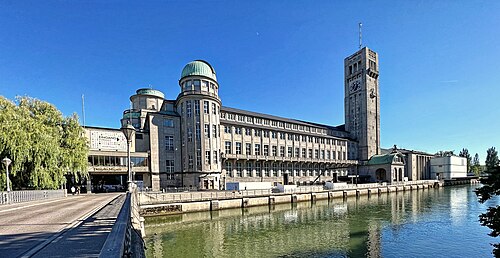
  3. Deutsches Museum Deutsches Museum
    04 3 hours

    Deutsches Museum

    The Deutsches Museum stands on an island in the Isar in central Munich, at Museumsinsel 1, and is a museum of science and technology rather than of art or of city history.

    • Must see
    • Museum
    • Munich
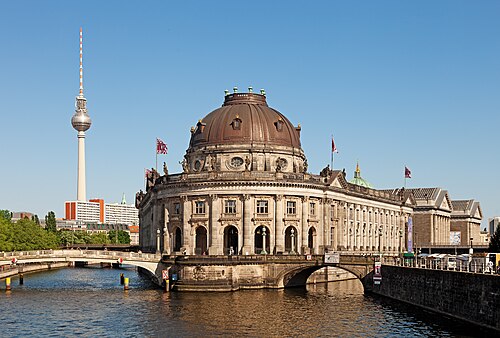
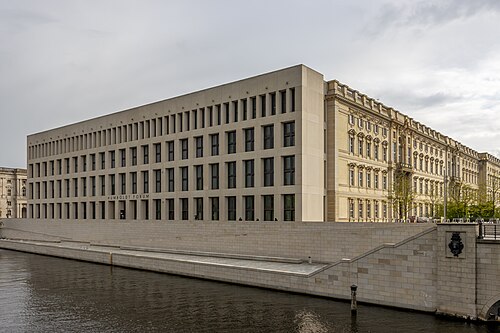
  4. Humboldt Forum Humboldt Forum
    05 3 hours

    Humboldt Forum

    The Humboldt Forum occupies the rebuilt Berlin Palace on Schlossplatz, at the eastern end of Unter den Linden and across the Lustgarten from the Berlin Cathedral.

    • Must see
    • Museum
    • Berlin
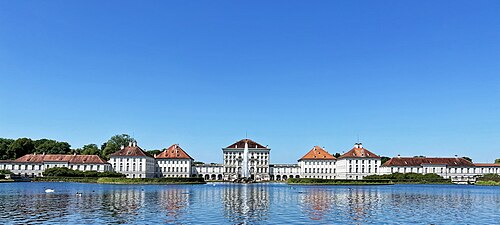
  5. Nymphenburg Palace Nymphenburg Palace
    06 2 hr 30 min

    Nymphenburg Palace

    Schloss Nymphenburg

    Nymphenburg is the summer palace of the Bavarian electors and later kings, in the west of the city, out beyond the Residenz, and still run by the Bavarian Palace Administration.

    • Notable
    • Historic monument
    • Munich

Source: OpenStreetMap contributors, Wikidata ·

Common questions

How long should a first trip to Germany be?

Seven to ten days works for Berlin plus one connected region, or for a focused Rhine, Bavaria or northern-city route. Germany’s rail network makes multi-city travel practical, but changing bases every night still reduces useful time.

What entry documents are needed for Germany?

Germany’s Federal Foreign Office is the official visa reference. Review its nationality-specific entry rules and the Schengen application guidance for the passport and route being used.

What is the best way to travel around Germany?

Intercity and high-speed trains connect Germany’s major cities, with regional services completing shorter journeys. Deutsche Bahn publishes the integrated timetable; airport choice should follow the route rather than defaulting to one national gateway.

When is a practical time to visit Germany?

May through September favours outdoor city and countryside travel, while December has a distinct seasonal-market pattern. Alpine, North Sea and urban conditions differ enough that the intended region should determine clothing and reservations.

What money and payment basics apply in Germany?

Germany uses the euro (EUR). Cash and card practices are not stated as a single national rule in the cited source, so travellers should carry a backup and check the payment method before ordering or boarding.

What practical safety details should I save for Germany?

For Germany, 112 reaches medical and fire services and 110 reaches police. Type C and F plugs use 230 V, and mains tap water is recorded as safe.