2 min walk
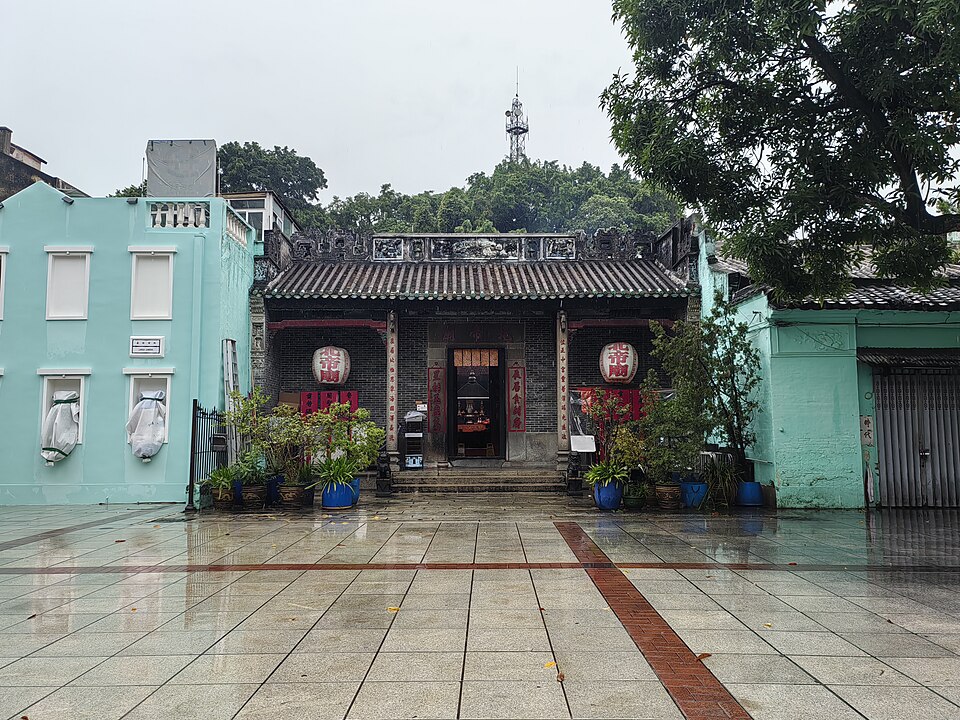
Pak Tai Temple
- Must see
- Place of worship
Language · 1 published
Activity · Macau
氹仔舊城區
Taipa Village is a historic district on Taipa Island, Macau, preserving Portuguese colonial architecture alongside southern Chinese building styles. The area represents a fusion settlement pattern characteristic of Macau's UNESCO World Heritage status. Narrow lanes, traditional shophouses, and religious structures occupy a compact zone distinct from the casino developments nearby. The village functioned as a maritime settlement and retains streetscapes developed across several centuries. Its designation as a heritage zone reflects ongoing conservation efforts by Macau authorities. Visitors encounter a residential quarter that has adapted to tourism without complete displacement of original community functions.
Checked 2026-08-26
The village contains the Pak Tai Temple, a Taoist structure serving local religious practice. The Taipa Houses Museum presents restored colonial residences. Food establishments along Rua do Cunha serve regional specialties including egg tarts and pork chop buns. Small temples and shrines appear throughout the lane network. Traditional Portuguese-style villas with verandas and ceramic decorations stand among Chinese shophouses. The Carmo Church and Garden of Carmo represent Catholic religious heritage. Street-level commerce includes bakeries, snack vendors, and souvenir retailers. The area maintains working residential functions above ground-floor commercial spaces.
Checked 2026-08-26
A walking circuit through core village streets requires approximately ninety minutes without extended stops. Visitors prioritizing dining or museum entry should allocate two to three hours. The compact dimensions permit thorough coverage in half a day. Those combining Taipa Village with nearby Cotai attractions or Macau Peninsula sites should plan accordingly. Evening visits extend duration for restaurant meals. The linear arrangement of Rua do Cunha and perpendicular lanes facilitates efficient movement. Return visits concentrate on specific interests such as architectural photography or repeated dining at preferred establishments. No internal transportation is necessary.
Checked 2026-08-26
Macau's subtropical climate produces hot humid summers and mild winters. Peak visitor congestion occurs during Chinese New Year and Golden Week holidays. Weekends see increased mainland Chinese tour groups. Early morning hours offer reduced pedestrian traffic for photography and unhurried lane exploration. Evening brings illuminated streetscapes and active dining. Operator-confirmed hours for specific establishments are Not recorded pending review. Rainfall concentrates in summer months, affecting outdoor walking comfort. The village lacks covered passages between all points. Seasonal festivals may generate temporary crowd concentrations without predictable scheduling.
Checked 2026-08-26
Public streets and lanes of Taipa Village require no admission payment. Individual attractions including the Taipa Houses Museum may impose separate entry fees. Dining and retail transactions occur at posted prices. Operator-confirmed prices for specific attractions are Not recorded pending review. No consolidated village pass exists. Religious sites typically accept voluntary donations rather than mandatory charges. Visitors should carry sufficient cash as not all vendors accept electronic payment methods common in mainland China. Budget planning should accommodate meal costs at established restaurants along principal thoroughfares.
Checked 2026-08-26
Taipa Village connects to Macau International Airport and Cotai casino district via public bus services. The Taipa Ferry Terminal provides external access. From Macau Peninsula, buses cross the bridges connecting the islands. Taxi and rideshare services serve the area with designated stopping points. No MTR station directly serves the village core; the nearest stations require walking transfer. Pedestrian access from surrounding hotel developments involves crossing busy roads. Signage in Chinese and Portuguese assists navigation. The compact area permits complete exploration on foot once arrived.
Checked 2026-08-26
Motorcycles and scooters share narrow lanes with pedestrians despite traffic restrictions. Uneven pavement and occasional steps present trip hazards. Crowding on Rua do Cunha reduces mobility during peak dining hours. Limited public seating requires standing or purchasing refreshments. Some religious sites maintain active worship; visitors should observe appropriate conduct. Weather exposure is significant given minimal tree canopy over streets. Construction or conservation work may restrict lane access without advance notification. Language barriers affect communication at non-tourist-oriented establishments. Evening lighting is uneven across secondary lanes.
Checked 2026-08-26
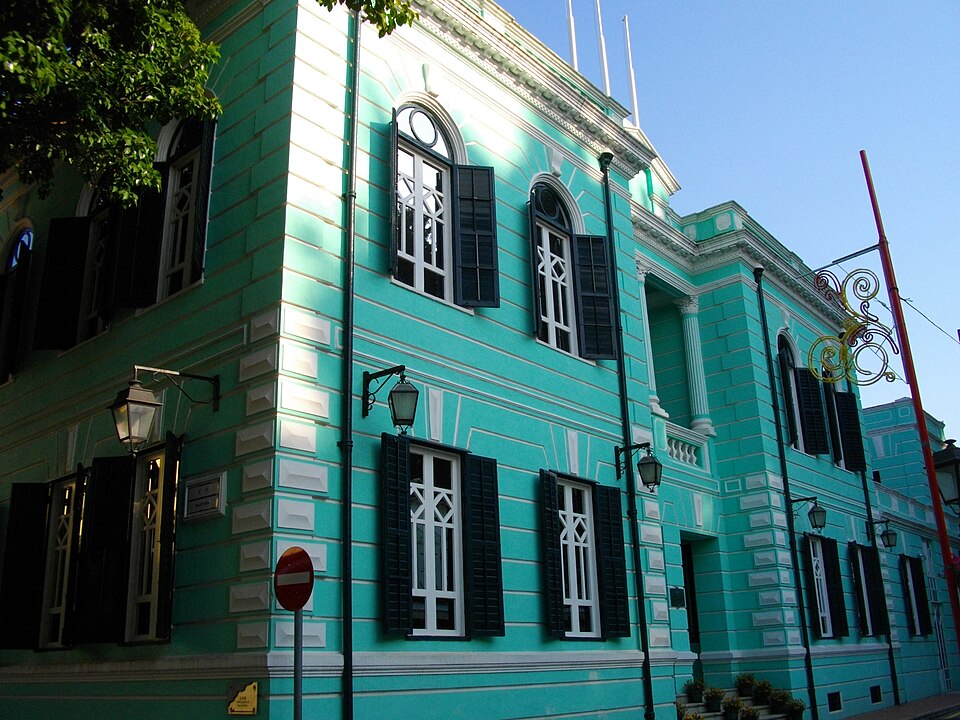
Morning light illuminates east-facing Portuguese facades effectively. The yellow and green color palette of colonial buildings contrasts with red Chinese architectural elements. Narrow lanes create natural framing for depth-of-field compositions. Rooftop details including ceramic decorations and weather vanes reward telephoto examination. The Carmo Church provides exterior architectural subjects. Street-level food preparation offers documentary opportunities with vendor permission. Evening artificial lighting transforms Rua do Cunha atmosphere. Tripod use in crowded lanes obstructs pedestrian flow and may attract security attention. Interior photography at religious sites requires explicit permission.
Checked 2026-08-26
No. Taipa Village occupies a historic zone with preserved architecture, while Cotai to the south contains integrated resort and casino developments. The areas are adjacent but functionally distinct.
Bakeries along Rua do Cunha produce egg tarts, but specific batch timing and availability vary by establishment. Peak demand may deplete stock.
The temple generally permits visitor entry during daylight hours. Active worship may restrict access to certain interior spaces. Appropriate dress and conduct are expected.
Narrow lanes, uneven surfaces, and steps present significant barriers. Some main thoroughfares offer improved surfaces, but comprehensive wheelchair access is not assured.
The village exemplifies the fusion culture recognized in Macau's Historic Centre UNESCO World Heritage listing, though specific zone boundaries require reference to official documentation.
Self-guided exploration is feasible given compact dimensions and signage. No mandatory tour requirement exists. Audio or group tours may enhance historical context but are not essential.
Loading the interactive map…
The interactive map could not be loaded.

Last updated:
Source: OpenStreetMap contributors ·