.jpg)

01
1 hour
Mutianyu
慕田峪长城旅游区
Mutianyu is a restored section of the Great Wall in Huairou District, north of Beijing.
- Must see
- Nature site
Language · 11 published
City guide · China
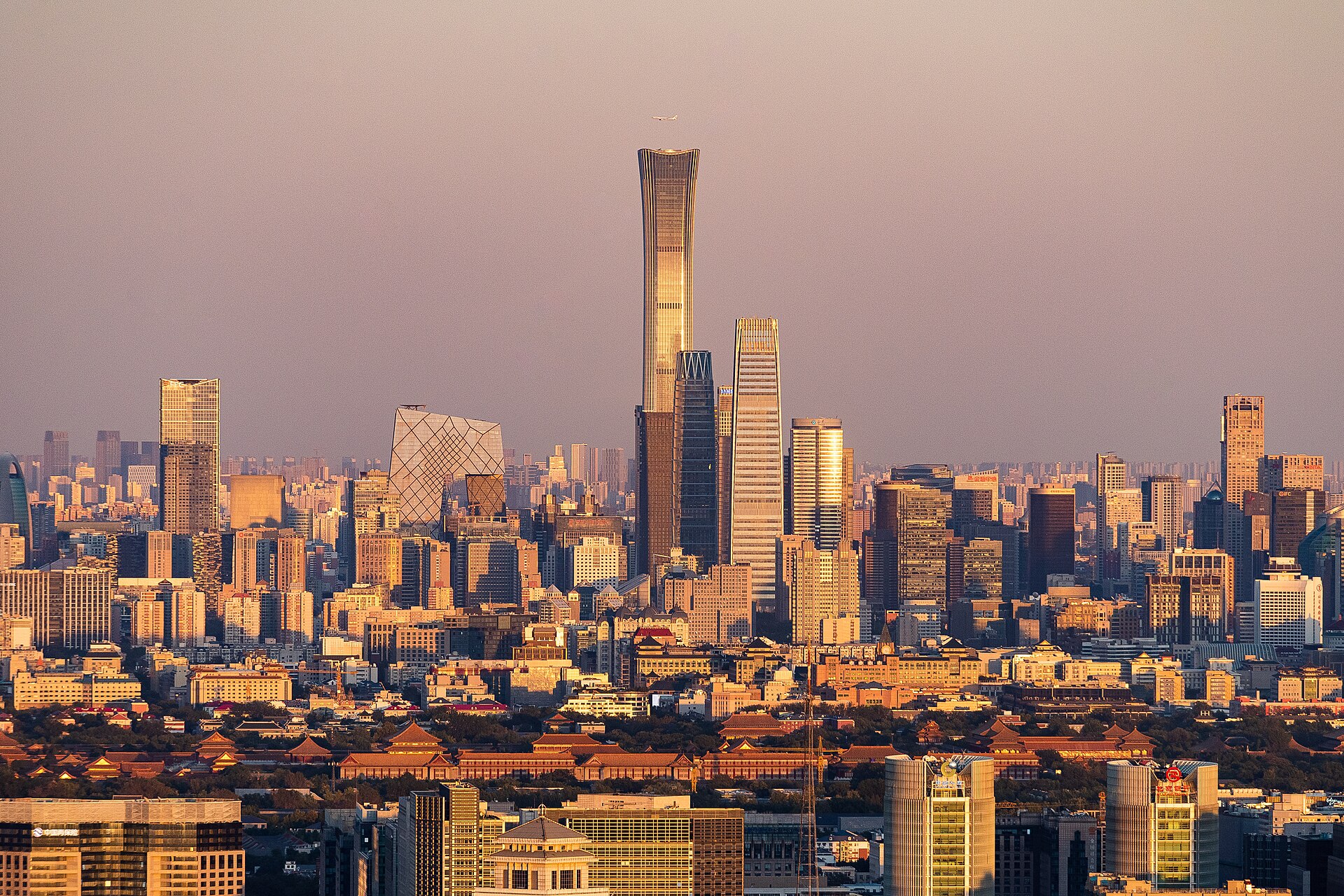
Beijing is vast, but its principal historic sights align around the north-south imperial axis. Tiananmen Square, the Forbidden City and Jingshan form the central sequence, while the Temple of Heaven lies south and the lake, hutong and palace districts extend north and west. Great Wall sections and imperial tombs are separate day journeys outside the urban core.
Set your days, your pace and the hours you actually want to be out. The planner works around closing days and travel time, and leaves room to eat.
Ranked by importance — sitelinks, pageviews and heritage status, not editor preference.
50 places match
Category
Typical visit duration
慕田峪长城旅游区
Mutianyu is a restored section of the Great Wall in Huairou District, north of Beijing.
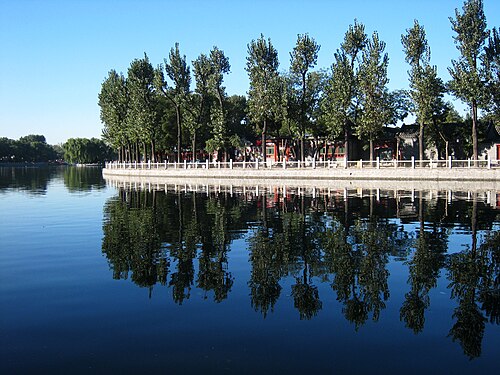
后海公园
Shichahai is a historic scenic area in central Beijing, comprising three connected lakes: Qianhai, Houhai, and Xihai. The name literally means Ten Temple Sea, referencing temples that once bordered the water.
奥林匹克公园
清东陵保护区
司马台长城旅游区
元大都城垣遗址公园
昆明湖
中山公园
龙潭公园
八大处公园
朝阳公园
国家植物园(北园)
陶然亭公园
紫竹院公园
玉渊潭公园
袁崇焕墓和祠
北京大观园
麋鹿苑
永定门公园
青年湖公园
莲花池公园
北京松山国家级自然保护区
北宁公园
菖蒲河公园
金海湖
鹫峰国家森林公园
四得公园
龙潭西湖公园
万寿公园
百望山森林公园
北京国际雕塑公园
北京冬奥公园(永定河河岸公园)
城市绿心森林公园
国家植物园(南园)
翠湖国家城市湿地公园
海淀公园
御花园
蟒山国家森林公园
南海子公园
双秀公园
西海子公园
城南公园
明清板栗文化公园
方庄体育公园
红螺寺
龙潭中湖公园
天坛生态科普园
温榆河公园朝阳示范区
Source: OpenStreetMap contributors, Wikidata ·
Plan the Forbidden City axis as one long central route and avoid pairing it with a distant outer attraction. The Temple of Heaven and Qianmen fit a southern cluster; Shichahai, Drum Tower and nearby hutongs form a northern cluster. The Summer Palace occupies a western half-day, while any Great Wall section requires its own transport plan.
Checked 2026-08-26
Beijing’s official guidance describes the subway as the most convenient public transit for major attractions and transport hubs. Use rail for cross-city moves, then walk within each historic cluster. International bank-card access is available at supported gates under current guidance. Distances and security checks can add time, so leave margins around major monuments and railway stations.
Checked 2026-08-26
A fixed stay length is not recorded. Build the visit around the imperial axis, Shichahai and the western palaces, then add Great Wall sections and imperial tombs only when the available time supports a separate journey.
Group places by district instead of crossing the city repeatedly. Start with the imperial axis, Shichahai and the western palaces; treat Great Wall sections and imperial tombs as separate routes with their own travel allowance.
Use Walking, subway and city bus. Walk within compact clusters and consult the linked official transport information before making longer transfers or relying on a particular route.
Only within individual neighbourhood clusters. The main visitor areas are separated by distances, waterways, major roads or regional approaches, so longer links normally need public transport or a licensed vehicle.
Plan Great Wall sections and imperial tombs separately from the imperial axis, Shichahai and the western palaces. Check the current route, return connection and any access requirements on the official source before departure.