


15 min walk
月坛公园
- Must see
- Nature site
Language · 11 published
Museum · Beijing
鲁迅博物馆
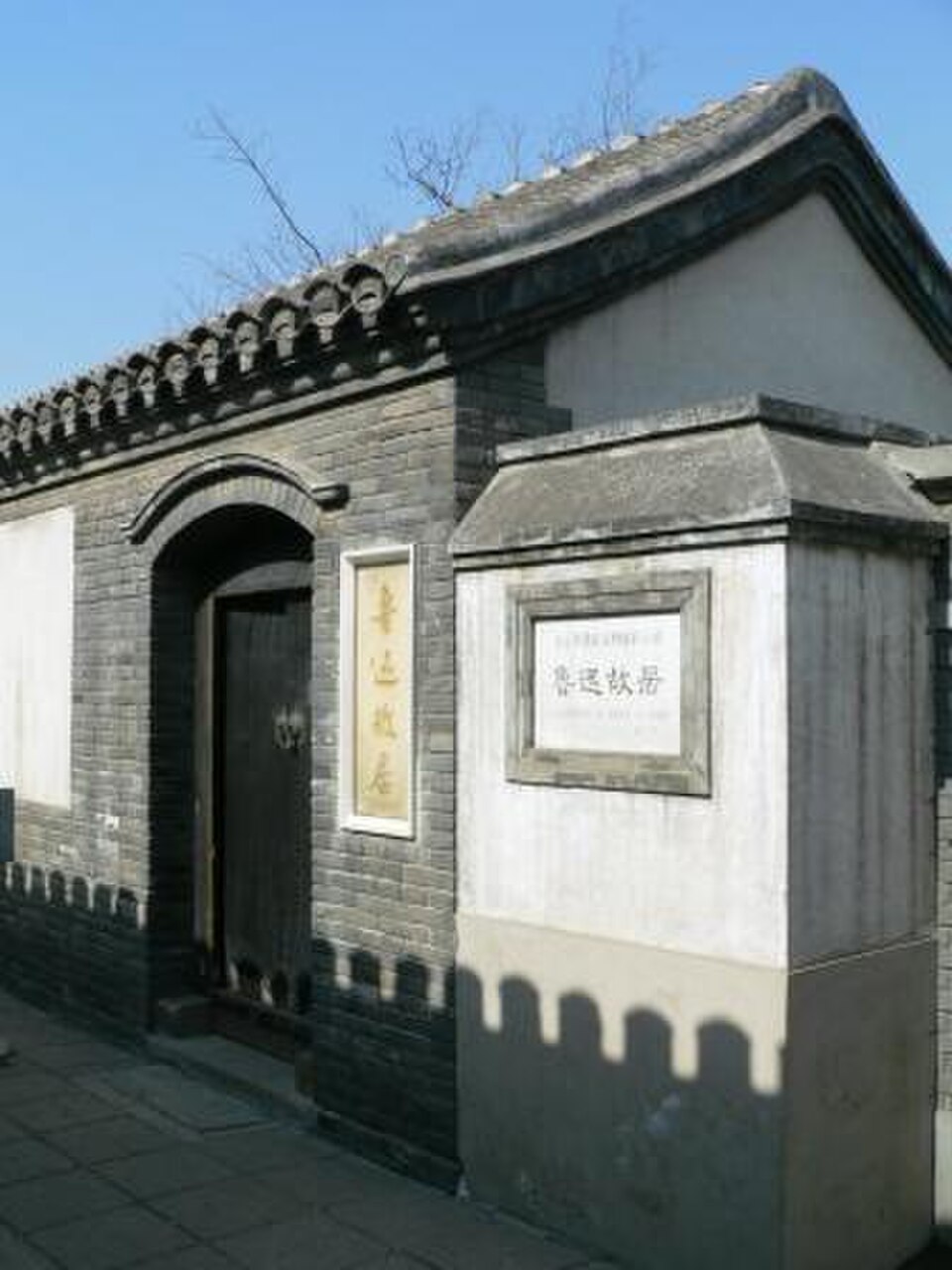
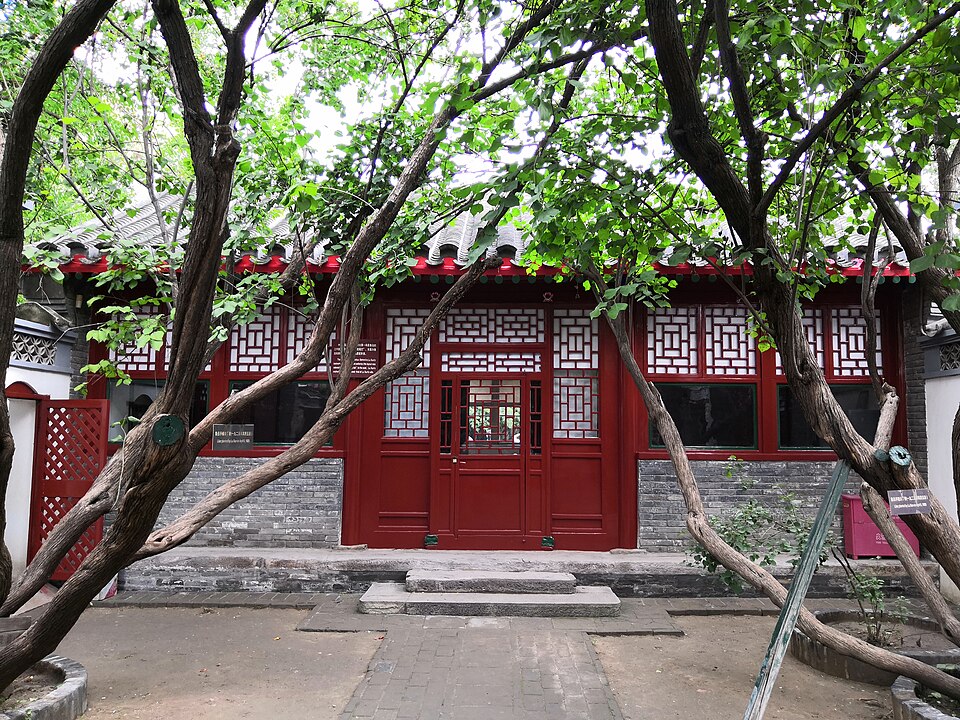
The Beijing Lu Xun Museum is a cultural institution dedicated to the life and legacy of Lu Xun, widely regarded as modern China's greatest writer. Lu Xun was a pivotal figure in early twentieth-century Chinese literature, known for his sharp social criticism and influential short stories. The museum occupies a traditional Beijing courtyard residence where Lu Xun lived and worked during a formative period. It preserves his former dwelling as a heritage site and serves as a research centre for his extensive body of work.
Checked 2026-08-26
The museum complex contains Lu Xun's preserved residence, a traditional siheyuan courtyard house, alongside exhibition halls displaying manuscripts, personal effects, correspondence, and first editions of his major works. Visitors can view reconstructed living spaces including his study and bedroom. The collection includes translations, journals, and materials illustrating his role in the New Culture Movement. The site also holds photographs and documents tracing his intellectual development and connections with other prominent cultural figures of his era.
Checked 2026-08-26
Most visitors spend approximately one to two hours exploring the museum grounds and exhibitions. The compact courtyard layout allows for efficient circulation between the residential quarters and display areas. Those with particular interest in modern Chinese literature or Lu Xun's specific contributions may wish to allocate additional time for careful reading of exhibit texts and examination of archival materials. The intimate scale of the historic residence itself supports a measured, contemplative pace appropriate to the subject matter.
Checked 2026-08-26
Operator-confirmed hours are Not recorded pending review. Visitors should verify current opening times through official channels before planning their trip. Beijing experiences pronounced seasonal variation, with hot humid summers and cold dry winters. Spring and autumn generally offer more comfortable temperatures for walking between the museum's indoor and outdoor spaces. The courtyard setting provides limited shelter from sun or rain, so seasonal weather conditions may affect visitor comfort during queuing or exterior circulation. A flexible visit lets travellers connect Beijing Lu Xun Museum with the rest of the day without treating one room, viewpoint or photograph as the whole experience. The useful pace depends on personal interest and conditions on arrival.
Checked 2026-08-26
Operator-confirmed prices are Not recorded pending review. Visitors should confirm current admission policies and any applicable concessions through official museum channels prior to arrival. Many Chinese museums operate with free admission or nominal charges, though policies vary and may change. Identification requirements for entry are common at cultural institutions in Beijing. Group visit arrangements, if desired, typically require advance booking through official procedures regardless of individual ticket pricing structures. Beijing Lu Xun Museum also earns time in a beijing itinerary because A distinct beijing visitor place retained in the breadth-first top 100; production has no city POI pool for an exact match. Its value becomes clearer when the stop is compared with the surrounding streets and the other ranked places nearby.
Checked 2026-08-26

The museum is located in the Xicheng district of central Beijing. Public transport access is available via Beijing's extensive metro and bus networks. The nearest metro stations and specific bus routes should be verified through current transit applications or official sources, as line configurations and service patterns change periodically. Taxis and ride-hailing services operate throughout the district. Walking from nearby historic areas is feasible, though precise distances depend on chosen starting points within the neighbourhood's hutong street network.
Checked 2026-08-26

The historic courtyard contains uneven traditional paving and threshold steps between buildings, requiring attention to footing. Interior spaces maintain period configurations with limited modern climate control, so visitors should dress appropriately for conditions. Exhibit labels are primarily in Chinese; foreign visitors may benefit from translation applications or advance research. Photography restrictions may apply in specific areas. The site can attract school groups and organised tours, potentially affecting quiet contemplation of the residential spaces during peak visitation periods.
Checked 2026-08-26
Photography policies within the museum are Not recorded pending review. Visitors should observe posted signage and staff guidance regarding permitted equipment and restricted areas. Flash photography is commonly prohibited in museums housing paper-based collections and historic interiors due to conservation concerns. Tripods and professional equipment typically require advance authorisation at Chinese cultural institutions. Respectful conduct is particularly important when photographing the preserved private residence spaces, maintaining appropriate demeanour befitting a memorial site dedicated to a figure of national cultural significance.
Checked 2026-08-26
Yes, the museum incorporates the traditional Beijing courtyard house where Lu Xun lived and worked.
Comprehensive English provision is Not recorded pending review; translation applications or advance preparation may assist foreign visitors.
Current entry procedures including any booking requirements are Not recorded pending review; verification through official channels is advised.
The historic courtyard configuration with traditional steps and uneven surfaces presents accessibility challenges; specific accommodations are Not recorded pending review.
On-site catering provision is Not recorded pending review; the surrounding Xicheng district offers various local dining options.
Programming beyond the permanent collection is Not recorded pending review; current schedules should be confirmed through official museum communications.
Loading the interactive map…
The interactive map could not be loaded.

Last updated:
Source: OpenStreetMap contributors, Wikidata ·