


.jpg)
.jpg)
2 min walk
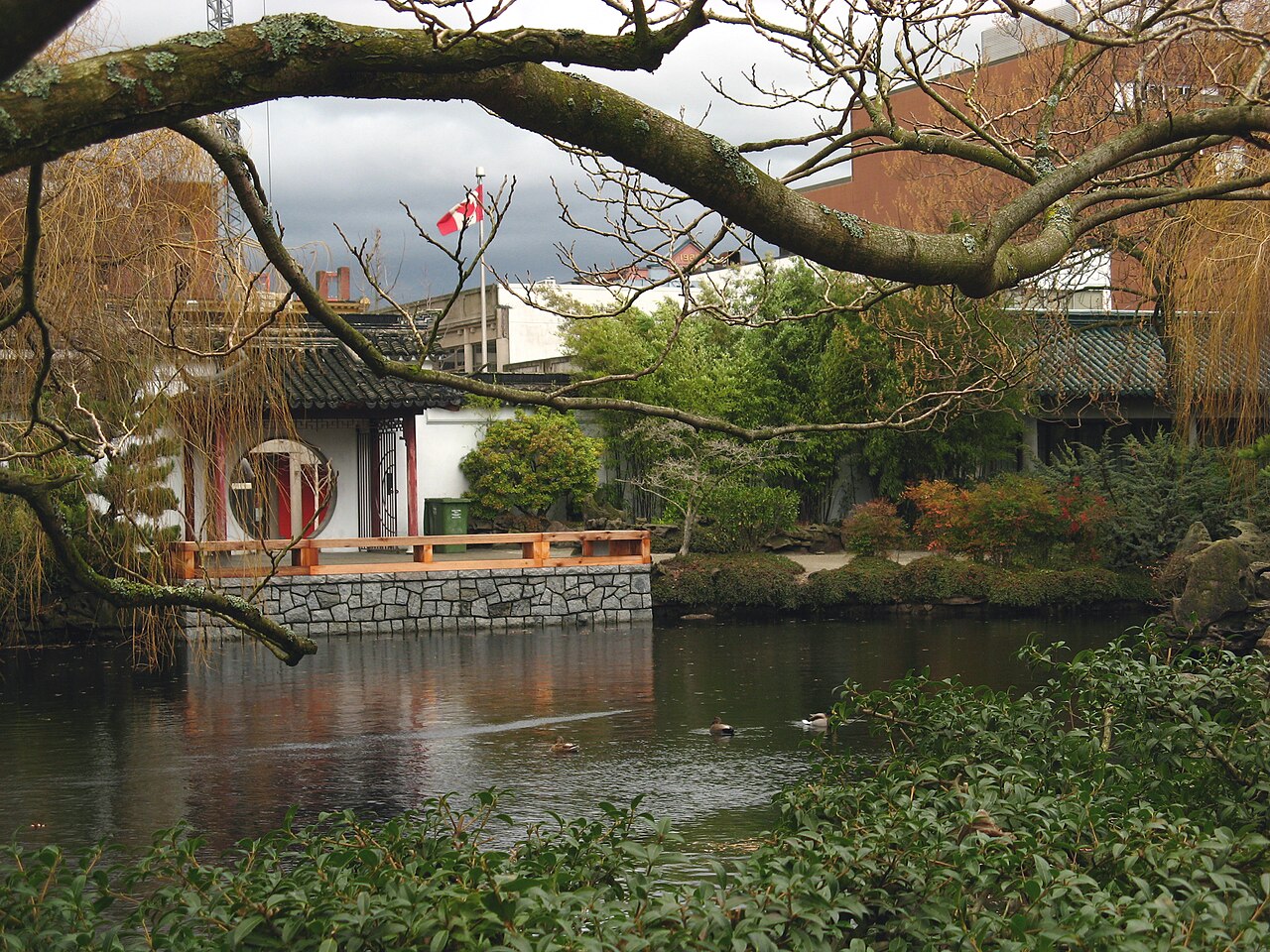
Dr. Sun Yat-Sen Classical Chinese Garden
- Must see
- Nature site
Language · 11 published
Museum · Vancouver

The Chinese Canadian Museum is a history museum in Vancouver’s Chinatown, dedicated to Chinese Canadian heritage and lived experience. The museum places national stories inside a neighbourhood that has long been a centre of Chinese Canadian community life. That setting matters: the surrounding streets are part of the context, while the museum provides a focused indoor interpretation of migration, settlement, work, family, and community. The museum is a separate attraction from the Dr. Sun Yat-Sen Classical Chinese Garden and from Chinatown as a whole, so visitors should treat each as its own stop.
Checked 2026-08-26 · Source
Exhibitions and interpretive displays explore Chinese Canadian history across several generations. Themes include migration, settlement, community development, work, family life, and the contributions of Chinese Canadians to Canada’s social fabric. Archival material, historical documentation, and personal accounts help connect public events with individual lives. The emphasis is not simply on objects in display cases; it is on how communities formed, adapted, and preserved identity over time. Leave room for close reading, since the museum’s value lies in the stories and context attached to the exhibits as much as in the visual presentation.
Checked 2026-08-26 · Source

Allow about one to two hours for a focused museum visit. The time suits visitors who want to read the interpretation, follow the historical themes, and look carefully at archival and personal material. Visitors with a strong interest in Chinese Canadian history may spend longer with individual displays. Chinatown adds an easy second part to the outing: after the indoor visit, continue through the surrounding streets, shops, and restaurants. Keeping the museum and neighbourhood as separate experiences makes the day feel fuller without requiring a rushed gallery visit.
Checked 2026-08-26 · Source

The museum works well in a Vancouver day built around Chinatown because the main experience is indoors and the neighbourhood supplies an outdoor continuation. Summer usually makes walking between nearby stops more comfortable, while Vancouver’s wetter period from November through March makes an indoor museum particularly useful. Visit when you have enough time to read rather than fitting the museum into a very tight sequence. The museum’s official website is the relevant place for current programme information, and the museum can be paired with Chinatown exploration in any season.
Checked 2026-08-26 · Source
Plan the Chinese Canadian Museum as a ticketed cultural visit whose entry arrangements belong to the museum itself. The museum’s official website provides the appropriate destination for current visitor information. The most useful preparation is to allow enough time for the exhibitions and then continue into Chinatown, rather than judging the stop only by the time spent at the entrance. The museum and the nearby Dr. Sun Yat-Sen Classical Chinese Garden are separate attractions, so visitors should plan them as distinct experiences and allow for separate arrangements when combining them.
Checked 2026-08-26 · Source

The museum is in Vancouver’s Chinatown, within walking distance of the downtown core for visitors comfortable with an urban walk. TransLink buses serve the wider neighbourhood, and Stadium–Chinatown SkyTrain station provides a regional public-transport connection followed by a walk. Cycling is practical through Vancouver’s bike network. Driving is less convenient because Chinatown has the parking constraints of a dense central district; visitors arriving by car should plan for street or commercial parking and a final walk. Once in the neighbourhood, the historic street grid makes the museum easy to combine with nearby sights.
Checked 2026-08-26 · Source

Chinatown is a busy urban neighbourhood, so keep personal belongings close and leave time for slower walking through crowded streets. Some older sidewalks and street surfaces can feel uneven. Rain is common in Vancouver, especially from November through March, and can make the walk between the museum and nearby stops less comfortable. The museum visit itself should be treated as a cultural experience rather than a quick photo stop: reading and reflection are central to the displays. Respect the neighbourhood’s residents, businesses, and community spaces while exploring beyond the museum.
Checked 2026-08-26 · Source

Treat photography inside the Chinese Canadian Museum as secondary to the exhibitions and the stories they present. Follow signs and staff directions in each gallery, especially around archival material and personal accounts. Flash, tripods, or recording may be restricted in individual display areas. In the surrounding Chinatown streets, public-space photography can be part of the neighbourhood walk, but people and businesses still deserve consideration. The strongest visual record of the visit may come from the district’s architecture and street life rather than from trying to photograph every museum display.
Checked 2026-08-26 · Source
The museum explores Chinese Canadian history and heritage through themes including migration, settlement, community development, family life, and contributions across generations.
The museum is located in Vancouver’s historic Chinatown, within walking distance of the downtown core and connected to the wider area by TransLink services.
Allow about one to two hours for a focused visit, with additional time if you want to explore Chinatown afterwards.
No. The museum, the garden, and the wider Chinatown district are separate visitor experiences.
Stadium–Chinatown SkyTrain station and TransLink bus services connect the museum’s neighbourhood with Vancouver and the downtown core.
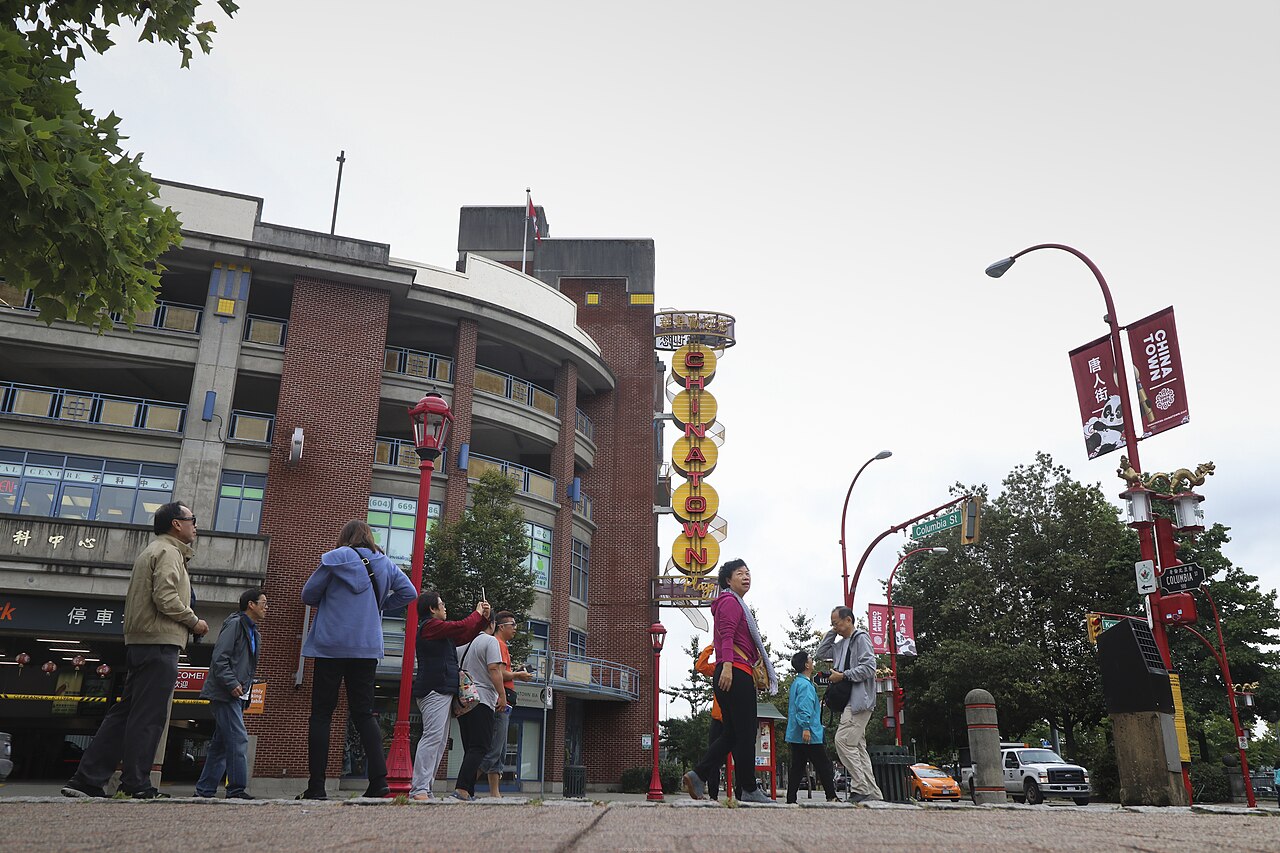
The museum sits in Chinatown, where visitors can continue through historic streets, local shops, restaurants, and the separate Dr. Sun Yat-Sen Classical Chinese Garden.
Loading the interactive map…
The interactive map could not be loaded.

Last updated:
Source: OpenStreetMap contributors ·