.jpg)

3 min walk
H. R. MacMillan Space Centre
- Must see
- Museum
Language · 11 published
Museum · Vancouver
| Monday | 10:00 – 17:00 |
|---|---|
| Tuesday | 10:00 – 17:00 |
| Wednesday | 10:00 – 17:00 |
| Thursday | 10:00 – 17:00 |
| Friday | 10:00 – 17:00 |
| Saturday | 10:00 – 17:00 |
| Sunday | 10:00 – 17:00 |
Checked 2026-08-31 · Source
Read from the OpenStreetMap access tags; anything not listed has no tag recorded.
Set the group type to family in the planner and the day window contracts to about three quarters of a solo day.
Vancouver Maritime Museum is a heritage museum in Vanier Park beside English Bay. Its subject is the maritime history of the Pacific Northwest and Arctic regions, bringing together stories of seafaring, exploration, shipping, naval activity, and northern waters. The park setting adds an outdoor waterfront dimension to the visit. Together with nearby cultural attractions, the museum makes Vanier Park a strong area for a history-focused half day. The Vancouver Maritime Museum is a maritime heritage institution located in Vanier Park, Vancouver, British Columbia. It occupies a distinctive site within the parklands overlooking English Bay. The museum is dedicated to preserving and interpreting the maritime history of the Pacific Northwest and Arctic regions. Its collections and exhibits document the seafaring traditions, exploration, and naval history connected to these waters. The museum building and its setting make it a recognizable landmark within the Vanier Park cultural precinct, which includes other institutional attractions. The museum's maritime and Arctic exploration themes may engage school-age children with interest in ships, exploration, or northern environments. Parental discretion is advised regarding historical content.
Checked 2026-08-26 · Source
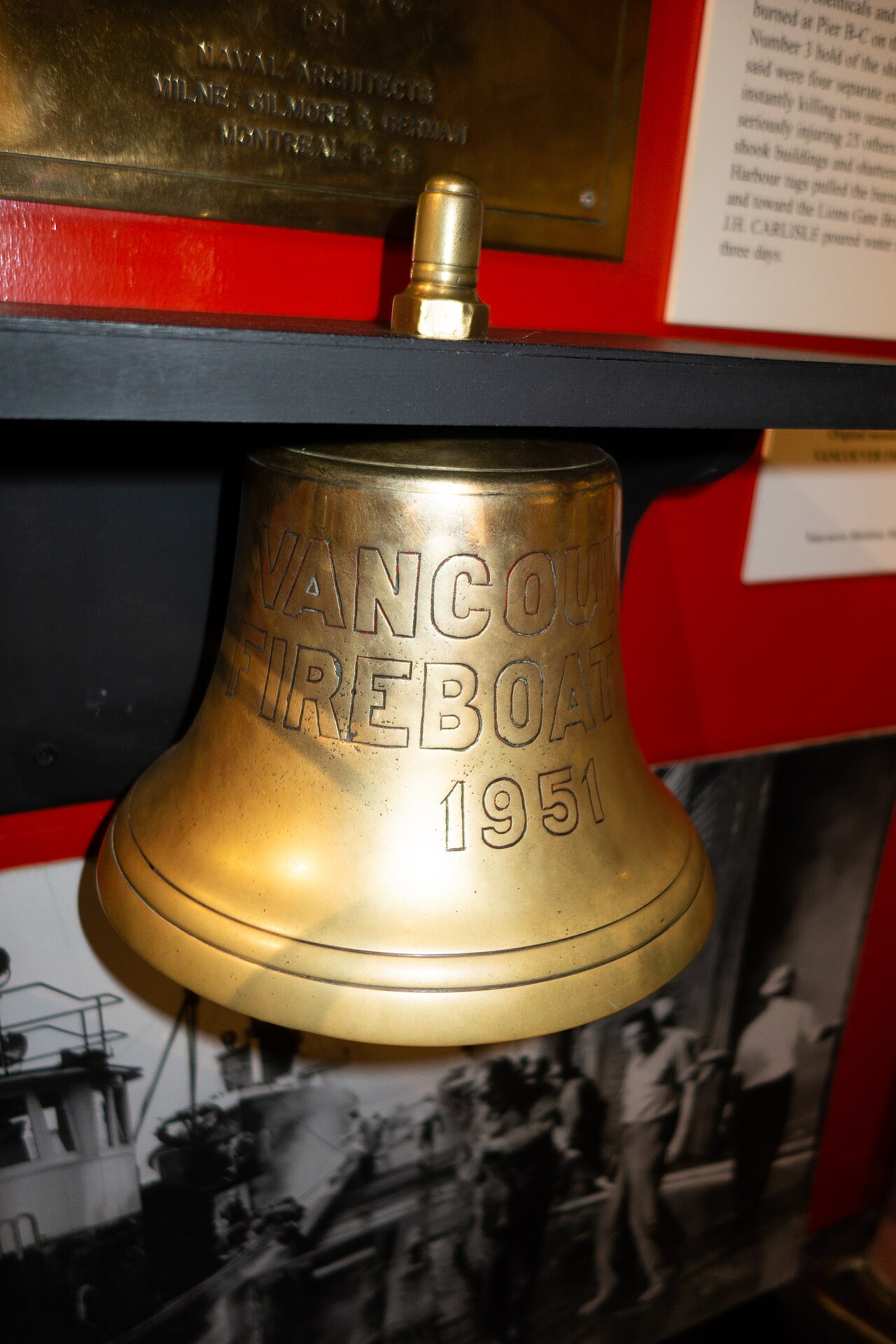
The collections include vessel models, navigation instruments, archival material, artwork, and objects connected with maritime life. Displays address Pacific and Arctic exploration, commercial shipping, naval history, and Indigenous maritime cultures of the North Pacific and Arctic. The Arctic theme gives the museum a particularly strong sense of place: visitors encounter the practical challenges of travel, work, and survival in demanding northern waters, alongside different cultural perspectives on those environments. The museum's Pacific and Arctic collections constitute its principal holdings. Visitors encounter exhibits related to maritime exploration, commercial shipping, naval history, and the indigenous maritime cultures of the North Pacific and Arctic. The collection includes vessel models, navigational instruments, archival materials, and artwork documenting regional seafaring. The museum's focus on Arctic exploration represents a significant thematic strength. Exhibits are arranged to convey the challenges and achievements of maritime enterprise in often demanding northern waters.
Checked 2026-08-26 · Source
Set aside one to two hours for the museum. That span allows time to move through the main displays and examine maritime objects at a comfortable pace. Visitors drawn to naval history, Arctic exploration, or navigation may want longer. Its manageable scale also makes combination planning straightforward: pair the museum with another Vanier Park attraction or with a walk along the waterfront, while leaving enough time to read the interpretive material rather than rushing through it.
Checked 2026-08-26 · Source
Indoor galleries make the museum a useful choice in Vancouver's rainy seasons, while the Vanier Park setting is particularly pleasant when the weather is mild. A visit fits well before or after a walk beside English Bay. Allow more time around the museum if you want to combine it with nearby institutions. The maritime and Arctic themes reward an unhurried pace, especially when you are interested in objects, maps, and historical interpretation.
Checked 2026-08-26 · Source
This is a paid museum visit, so include admission in the budget for a Vanier Park cultural outing. The collection itself is the focus of the ticket: maritime artefacts, vessel-related material, navigation, exploration, and regional history. A combination of this museum with outdoor waterfront time creates a fuller visit without adding another indoor admission. Give priority to the galleries most connected with your interests if your schedule is limited to one hour.
Checked 2026-08-26 · Source
The museum is in Vanier Park, west of central Vancouver. Bus services reach the Kitsilano and Vanier Park area, while the False Creek Ferries provide a seasonal passenger-ferry approach to a nearby landing. Cycling is practical through Vancouver's routes, and walking from nearby neighbourhoods is straightforward. Driving is possible with parking in the park area, though surrounding attractions and events can make vehicle spaces competitive at busy times.
Checked 2026-08-26 · Source
English Bay weather can be cool and windy, so bring an outer layer even when the galleries are your main destination. Vanier Park may be busier when neighbouring institutions hold events. Maritime history can include naval conflict and difficult exploration conditions; families may wish to consider this when planning the visit. Leave space for other visitors in the galleries and follow the museum's directions around exhibits and photography.
Checked 2026-08-26 · Source
The museum's models, navigation instruments, archival material, and artwork provide varied subjects, from detailed close-ups to wider gallery compositions. Work carefully around display cases and keep other visitors' movement clear. The waterfront location also offers photographs before or after the indoor visit, with English Bay supplying a different visual context from the museum's artefacts. When photographing cultural or archival material, follow gallery notices and staff directions.
Checked 2026-08-26 · Source
It covers maritime history in the Pacific Northwest and Arctic regions, including exploration, shipping, naval history, navigation, and Indigenous maritime cultures.
The collections include vessel models, navigation instruments, archival materials, artwork, and other maritime artefacts.
Plan for one to two hours, with additional time useful for visitors focused on Arctic exploration, naval history, or navigation.
Yes. Its manageable scale suits a combination with another Vanier Park attraction or a waterfront walk beside English Bay.
The museum provides indoor galleries, while its Vanier Park setting places the visit beside the open waterfront and English Bay.
Bus services serve the Kitsilano and Vanier Park area, cycling is practical, walking works from nearby neighbourhoods, and seasonal False Creek Ferries reach a nearby landing.
Loading the interactive map…
The interactive map could not be loaded.
Last updated:
Source: OpenStreetMap contributors, Wikidata ·