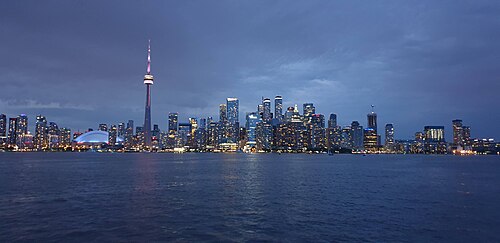
CN Tower
The CN Tower is Toronto's 553.33-metre communications and observation tower, built as a national engineering landmark and now operated as a ticketed visitor attraction.
- Must see
- Historic monument
Language · 11 published
City guide · Canada
Toronto is a city of neighbourhoods arranged around a compact downtown and long transit corridors. The City Centre contains the financial, entertainment and waterfront districts; Old Town lies east, the Westside extends through Queen West and beyond, and Midtown and Uptown follow the main north-south axes. Toronto Islands, Scarborough and Etobicoke are separate trips. Group downtown sights on foot and use the TTC for wider movement.
Set your days, your pace and the hours you actually want to be out. The planner works around closing days and travel time, and leaves room to eat.
Ranked by importance — sitelinks, pageviews and heritage status, not editor preference.
50 places match
Category
Typical visit duration
The CN Tower is Toronto's 553.33-metre communications and observation tower, built as a national engineering landmark and now operated as a ticketed visitor attraction.
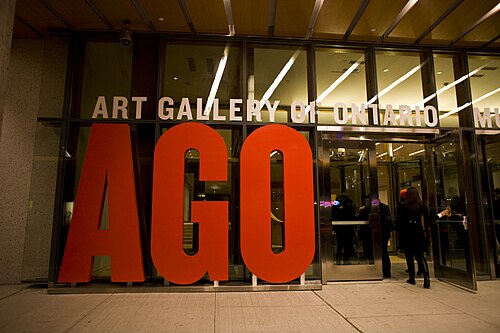
Art Gallery of Ontario is Toronto's leading art museum, with major Canadian and international collections. The current Toronto research set places this exact production identity within the city's first ten publishable matches.
St. Lawrence Market is a historic public market in Toronto, widely recognised as the city's most important food-hall destination.
Distillery District is a pedestrian historic distillery precinct combining industrial architecture, galleries, food, and seasonal programming. The current Toronto research set places this exact production identity within the city's first ten publishable matches.
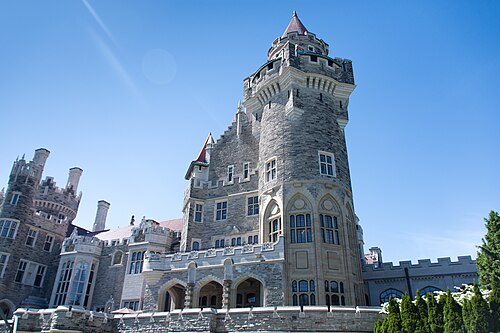
Casa Loma is a Gothic Revival style mansion and museum in Toronto, Ontario. Built in the early twentieth century, it stands as Toronto's singular castle museum and a major architecture destination.
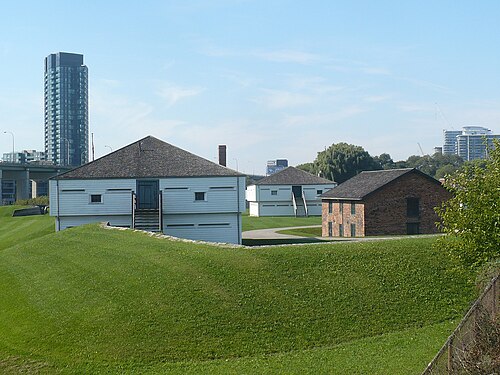
Fort York National Historic Site is a National Historic Site preserving the War of 1812 garrison and Toronto's military origins. The current Toronto research set places this exact production identity within the city's first ten publishable matches.
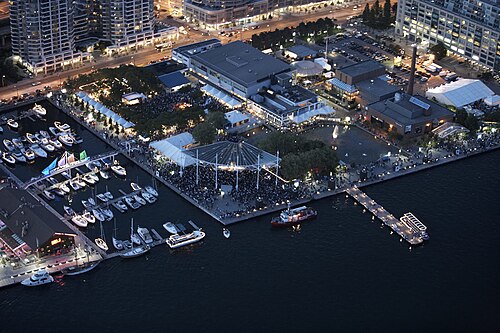
Harbourfront Centre is Toronto's principal waterfront arts and festival venue. It occupies a significant stretch of the city's Lake Ontario shoreline and serves as a major cultural hub for performing arts, visual arts, and community programming.
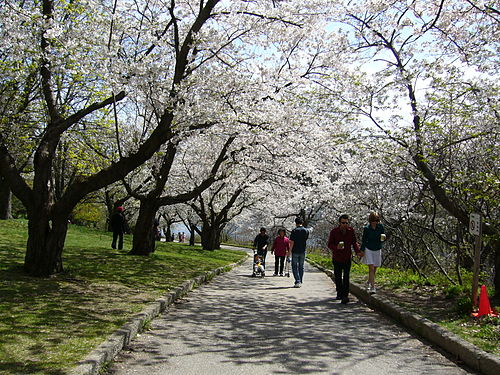
High Park is Toronto's largest central public park, situated in the city's west end. The municipal park encompasses a significant natural area including oak savannah, woodlands, and waterfront along Grenadier Pond.
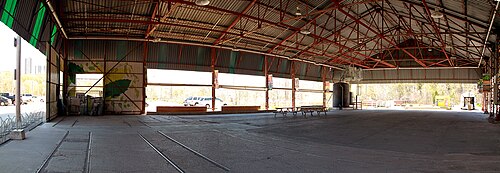
Evergreen Brick Works is a reused former brick manufacturing site located in Toronto's Don Valley. The facility operated as a brickworks for much of the twentieth century before its transformation.
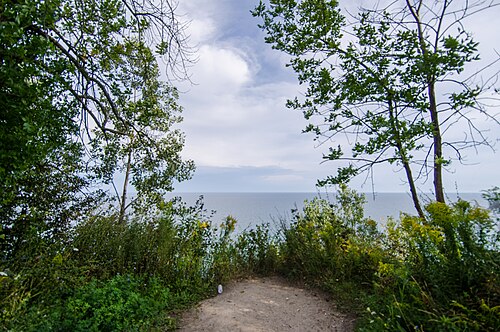
Scarborough Bluffs is a dramatic escarpment formation along Lake Ontario's shoreline in eastern Toronto. The bluffs rise prominently above the water, creating one of the most striking natural landscapes in the city.
Nathan Phillips Square is Toronto's primary civic square, serving as the city's central public gathering space and a signature landmark. Located directly in front of Toronto City Hall, it functions as the symbolic heart of municipal governance and community celebration.
Toronto Music Garden is a waterfront public garden on the shores of Lake Ontario. It was designed in collaboration with cellist Yo-Yo Ma to interpret Johann Sebastian Bach's First Cello Suite through landscape architecture.
Old City Hall is a heritage civic building in downtown Toronto, completed in 1899 and designed by architect E.J. Lennox in the Richardsonian Romanesque style.
The Toronto Eaton Centre is a major shopping mall and office complex in downtown Toronto. It serves as a central retail hub and a landmark within the city's PATH underground pedestrian network.
Sankofa Square is a central public square in Toronto's entertainment district, formerly known as Yonge-Dundas Square. The space serves as an outdoor gathering place in a high-traffic downtown location.
Roundhouse Park is a railway heritage park located in downtown Toronto, adjacent to the CN Tower. The park occupies a historically significant site that was once part of the Canadian Pacific Railway's John Street Roundhouse operations.
Steam Whistle Brewing is a visitor brewery located in Toronto, Ontario. It occupies the historic John Street Roundhouse, a former Canadian Pacific Railway locomotive repair facility.
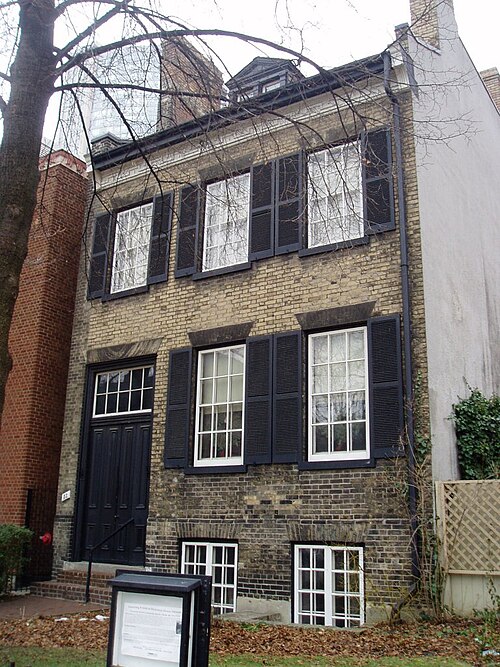
Mackenzie House is a historic house museum in Toronto, Canada. It was the final home of William Lyon Mackenzie, who served as Toronto's first mayor and was a prominent political reformer.
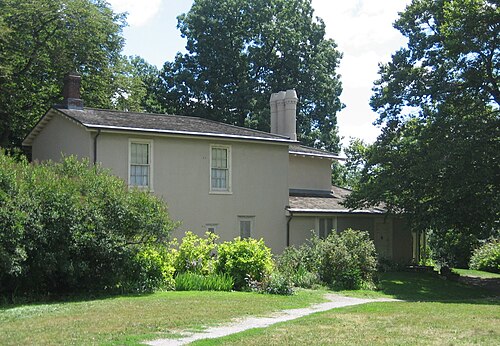
Colborne Lodge is a historic house museum situated in High Park, Toronto. Built in 1836, it was the home of John George Howard, an architect and engineer who played a significant role in the city's early development.
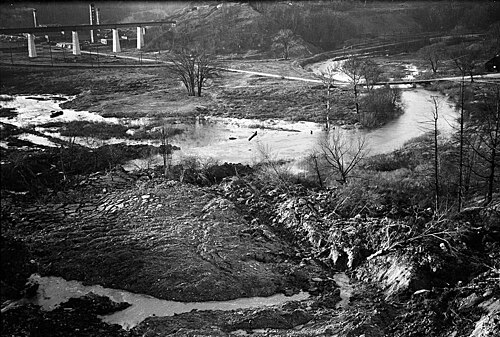
Todmorden Mills is a heritage site located in the Don Valley of Toronto, Ontario. It preserves the industrial and village history of the area, which was once a significant milling centre along the Don River.
Guild Park and Gardens is a public park in the Scarborough district of Toronto, Ontario. The park occupies the grounds of the former Guild Inn, a historic artists' colony and hotel that operated from the 1930s until 2001.
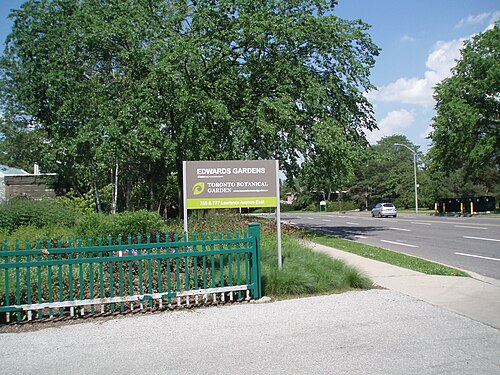
The Toronto Botanical Garden is a major public garden complex located in Toronto, Ontario, Canada. It occupies a significant site beside Edwards Gardens, forming part of an important horticultural destination in the city's northeastern area.
Edwards Gardens is a formal former estate garden located in Toronto, Ontario. It serves as the landscape setting for the adjacent Toronto Botanical Garden. The gardens were originally developed as a private estate before becoming a public space.
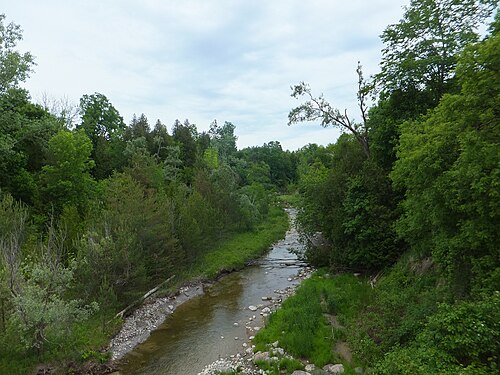
Rouge National Urban Park is Canada's first national urban park, established to protect natural, cultural, and agricultural landscapes within a major metropolitan area. It encompasses diverse ecosystems along the Rouge River watershed at Toronto's eastern edge, extending into neighbouring municipalities.
Tommy Thompson Park is a protected waterfront habitat located on the Leslie Street Spit in Toronto. The park serves as a significant birdwatching destination, attracting numerous species throughout the year.
Sunnyside Beach is a west-end lakefront beach and boardwalk in Toronto, Ontario. It occupies a historic recreational area along the northwestern shore of Lake Ontario, within the broader Sunnyside neighbourhood.
Woodbine Beach is the principal public swimming beach in The Beaches neighbourhood of Toronto, Ontario. It stretches along the shore of Lake Ontario and serves as the area's main summer recreation destination.
Trinity Bellwoods Park is a public park in Toronto's west end, situated in the Trinity Bellwoods neighbourhood. It occupies land with historical connections to Trinity College, a former Anglican institution whose stone gates remain at the park's northern edge.
Queen's Park is a civic park in downtown Toronto surrounding the Ontario Legislative Building. The park forms a central green space in the city and is situated near the Royal Ontario Museum district.
Grange Park is a public park located in downtown Toronto, Ontario, Canada. It sits directly behind the Art Gallery of Ontario (AGO) and adjacent to OCAD University.
Christie Pits is a large urban park in Toronto, Ontario. The park occupies a significant depression in the city's topography, forming a natural amphitheatre with a prominent hill at its centre.
Corktown Common is an award-winning public park in Toronto's West Don Lands neighbourhood. It serves dual purposes as recreational green space and critical flood protection infrastructure for the lower Don River area.
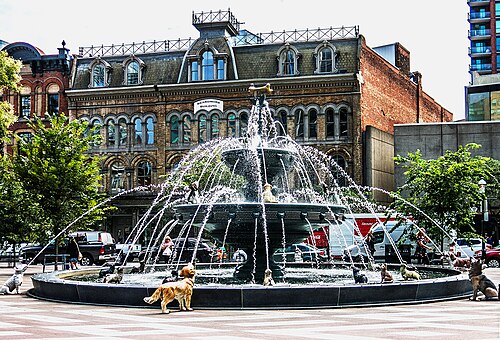
Berczy Park is a compact public park located in Toronto's Old Town neighbourhood, near the intersection of Front Street and Scott Street.
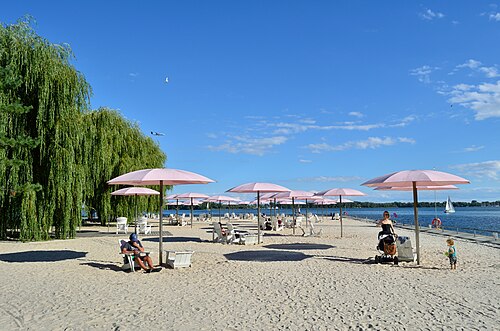
Sugar Beach is a public waterfront park on Toronto's eastern harbour. The site transforms a former industrial area into publicly accessible shoreline, featuring distinctive pink umbrellas that have become a visual signature.
HTO Park is an urban beach park located on Toronto's central waterfront. The park features sandy beach areas, grassy lawns, and distinctive yellow umbrellas that have become a visual signature.
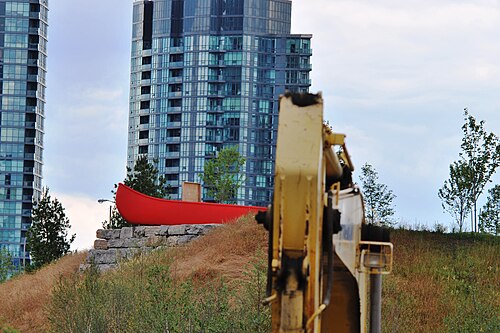
Canoe Landing Park is a public park in Toronto's CityPlace neighbourhood. The park is notable for its public art installations by Canadian artist and author Douglas Coupland, with the red canoe as its central visual element.
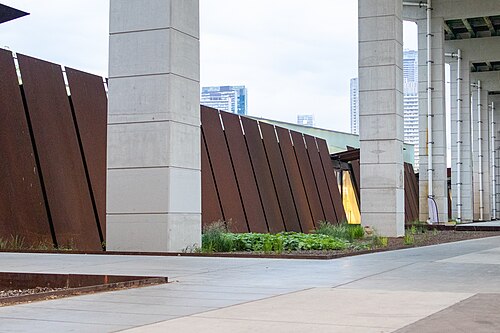
The Bentway is a public realm and arts space located beneath the elevated Gardiner Expressway in Toronto. It functions as a linear corridor connecting the historic Fort York district to the city's waterfront area.
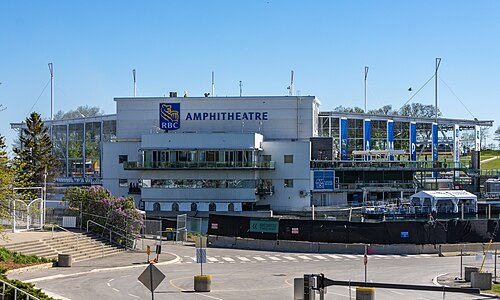
Budweiser Stage, locally known as RBC Amphitheatre, is a large outdoor amphitheatre situated on the Exhibition Place grounds in Toronto, Canada. The venue hosts major concerts and live entertainment events, operated under the Live Nation network.
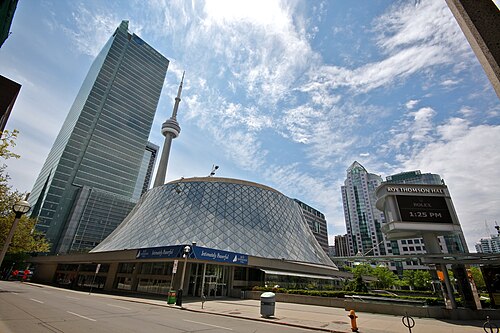
Roy Thomson Hall is a major concert venue in downtown Toronto, located on King Street West. It serves as the primary home of the Toronto Symphony Orchestra.
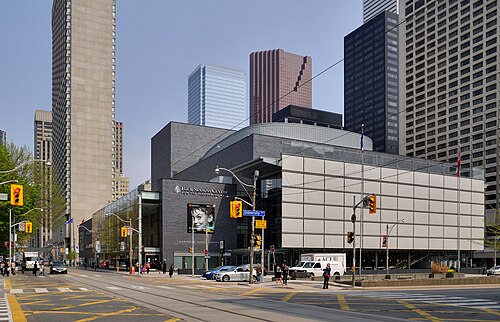
The Four Seasons Centre for the Performing Arts is a purpose-built performing arts venue in Toronto, Ontario. It serves as the dedicated home of two major Canadian cultural institutions: the Canadian Opera Company and the National Ballet of Canada.
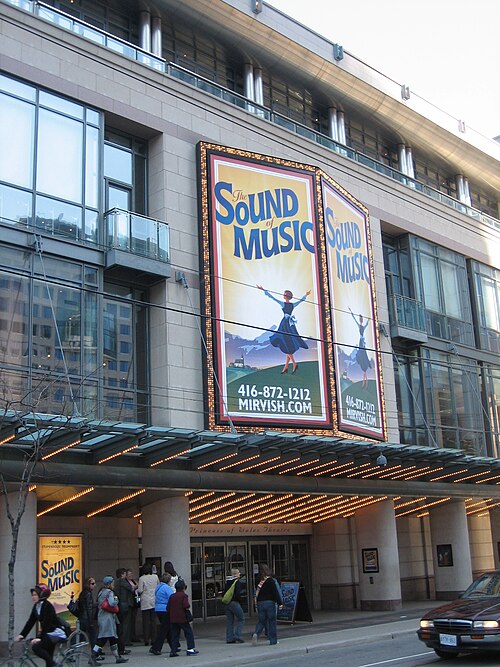
The Princess of Wales Theatre is a major purpose-built commercial theatre in Toronto's Entertainment District. It was developed by the Mirvish family, prominent figures in Canadian theatre.
Source: OpenStreetMap contributors, Wikidata ·
Lake Ontario forms Toronto's southern edge, with the downtown core immediately north of the waterfront. The Entertainment District and Financial District sit centrally; Old Town and the Distillery District are east, while Queen West, Ossington and High Park extend west. Midtown and Uptown follow Yonge Street north. The Toronto Islands require a ferry, and Scarborough and Etobicoke sit well outside the central walking area.
Checked 2026-08-26
Walk through the compact downtown and use the TTC subway, streetcars and buses for longer journeys. Streetcars are particularly useful across east-west neighbourhood corridors, while the subway handles the principal north-south and cross-city axes. The PATH provides an underground pedestrian network through the downtown core. Ferries serve the Toronto Islands, and regional rail is useful for airport and Greater Toronto connections.
Checked 2026-08-26
A fixed stay length is not recorded. Plan the downtown and waterfront first, then add neighbourhoods, Toronto Islands or an outer district according to your interests.
Yes. The City Centre, waterfront, Old Town and nearby westside districts are accessible on foot, with the TTC available for longer links.
Use a combination of walking and TTC subway, streetcar and bus services. The network connects downtown with neighbourhoods along the city's main corridors.
PATH is an underground pedestrian network through downtown Toronto. It links buildings and services and can provide a sheltered walking option in poor weather.
No. The islands are offshore and require a ferry or another authorised water connection. Treat them as a separate excursion from the downtown waterfront.